
Stackyard
Stack index cards. Link them. Share one file that runs forever.
Inspiration
In the late '80s, card-stack tools like HyperCard let anyone make software. You put text, pictures and buttons on index cards, linked them together, and you'd built a game, a lesson or a story. A generation of teachers and kids made things that way.
Then the platforms died, and everything people had made died with them. The idea wasn't the problem. Lock-in was. For Kiroween's Resurrection category, we wanted to bring that idea back and fix what killed it: what you make should outlive the tool that made it.
What it does
Stackyard is a no-code card-stack maker that runs in the browser.
- Build: put text, pictures and buttons on 800×600 cards, then drag, resize and layer them, with full undo and redo.
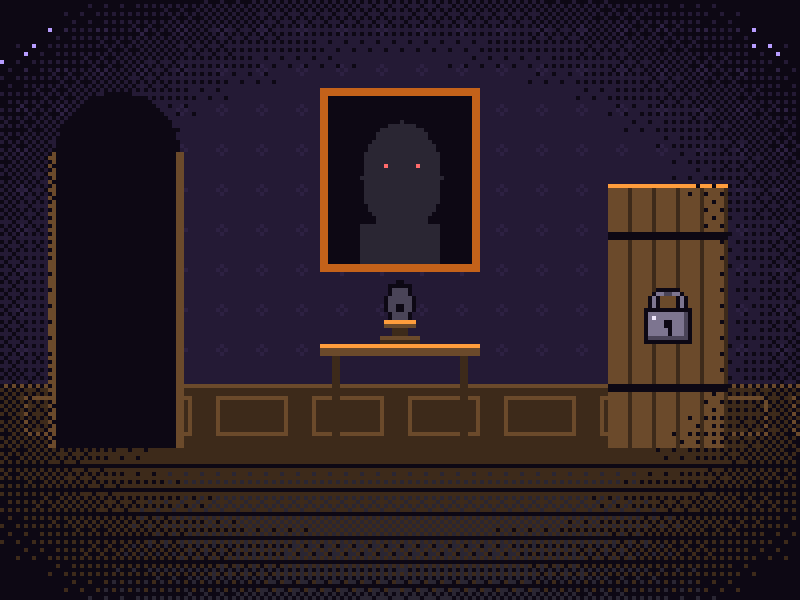
- Add logic without code: actions are picked from dropdowns: go to a card, show or hide something, set a flag, add an item, and "if you have the key, open the door, otherwise say it's locked."
- Draw and animate: a built-in pixel painter with frame-by-frame animation saves animated GIFs, and any object can float, bob, flicker or swing.
- Check your work: a stack map shows how cards connect, and a stack doctor flags unreachable cards, dead ends, buttons that do nothing, and text that overlaps.
- Share one file: export produces a single self-contained HTML file that runs offline in any browser, on any phone, tablet or laptop, with no app, account or internet. That file is also the save file: import it to keep editing.
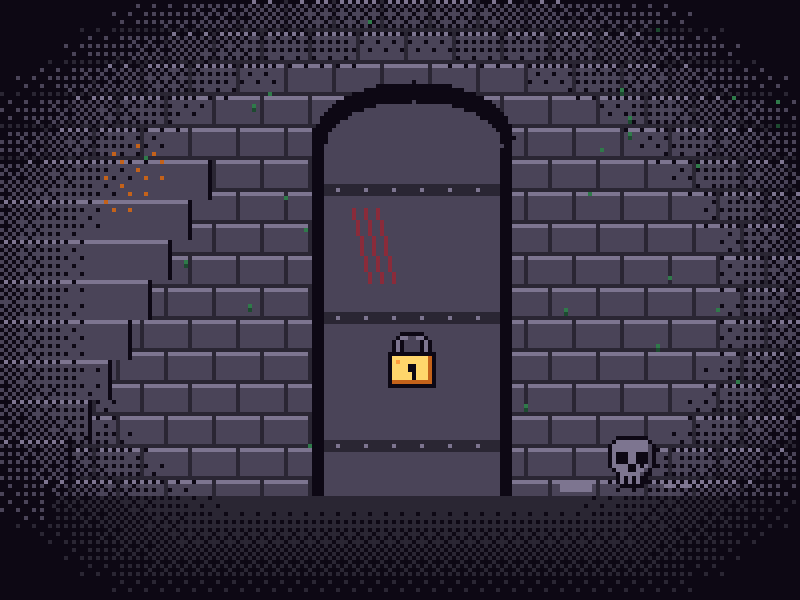
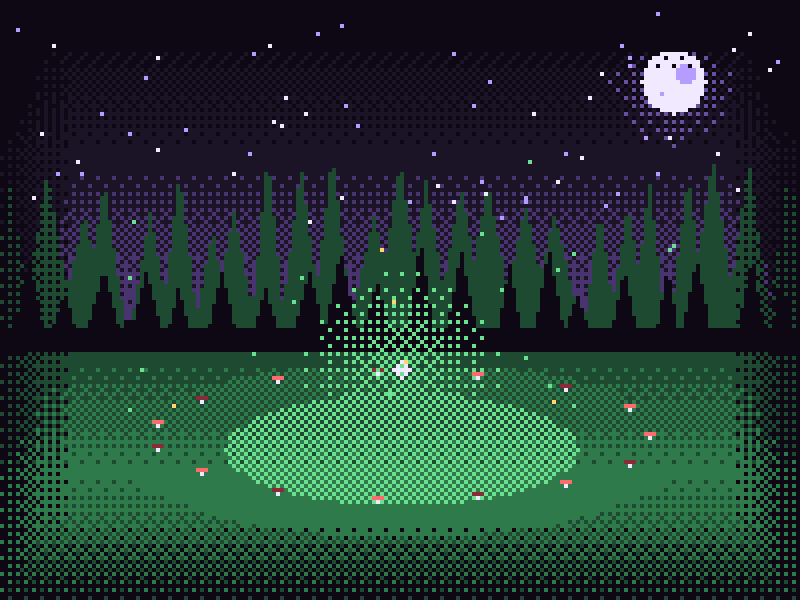
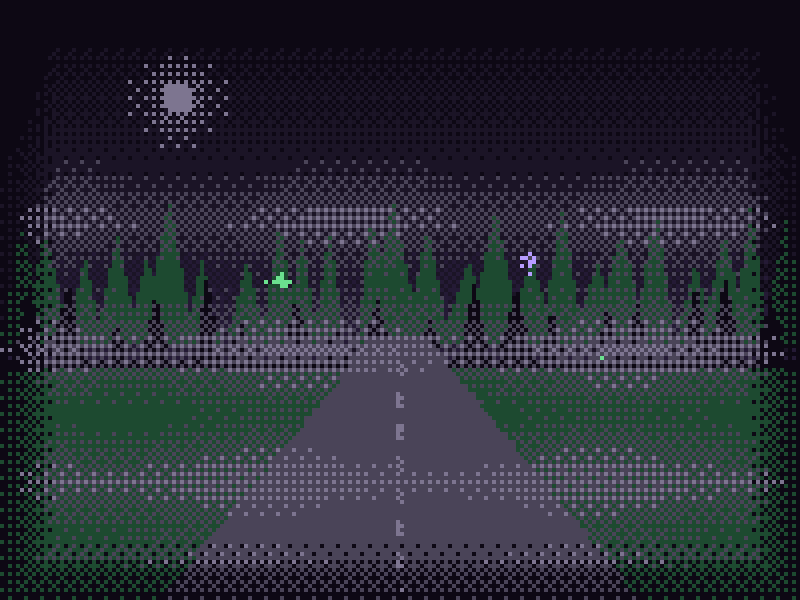
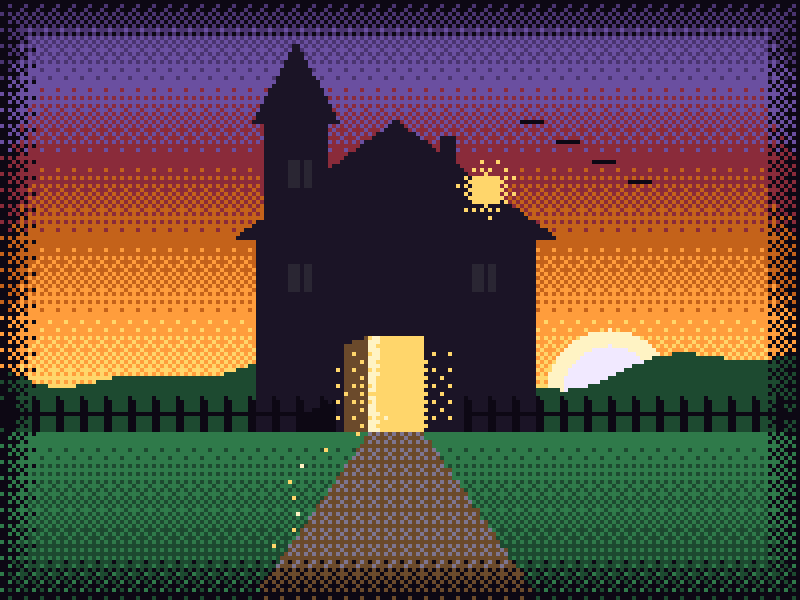
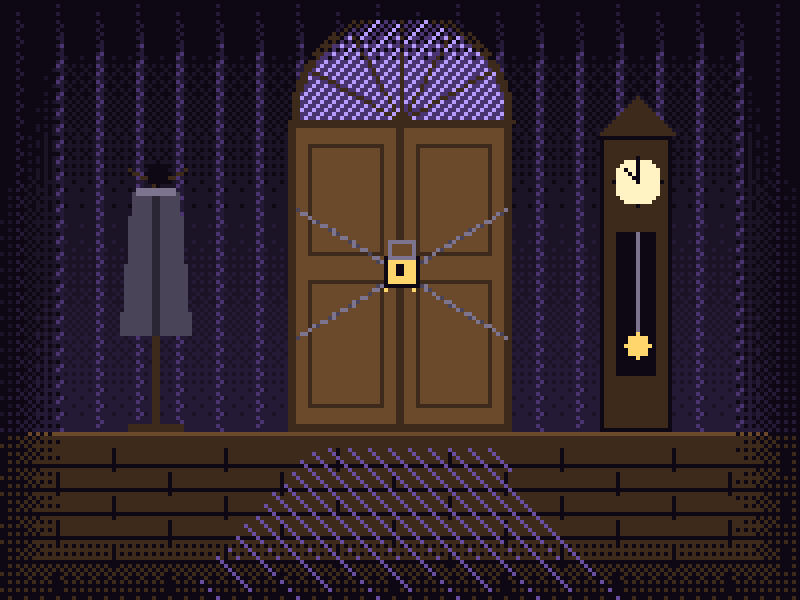
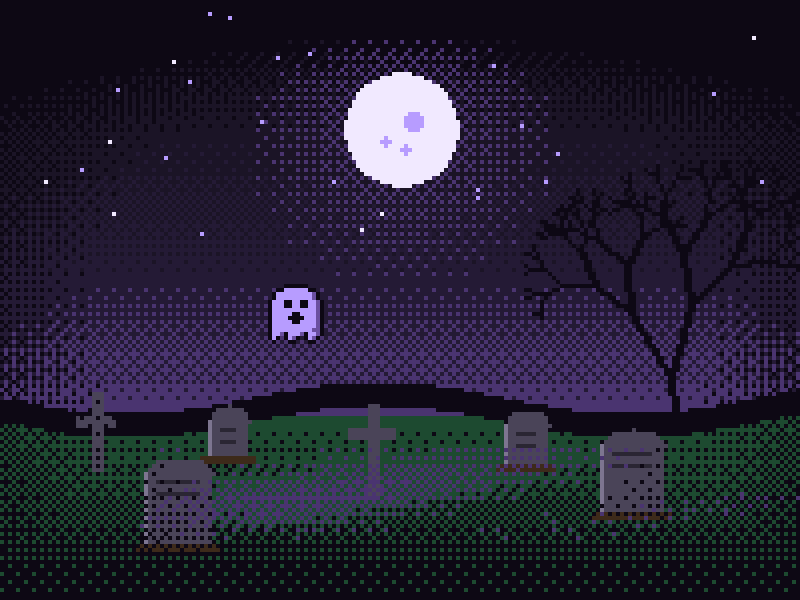
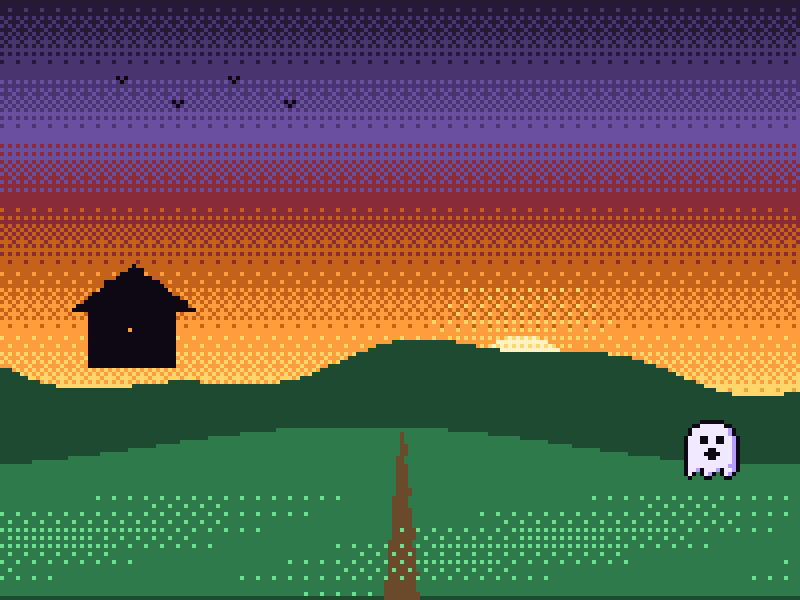
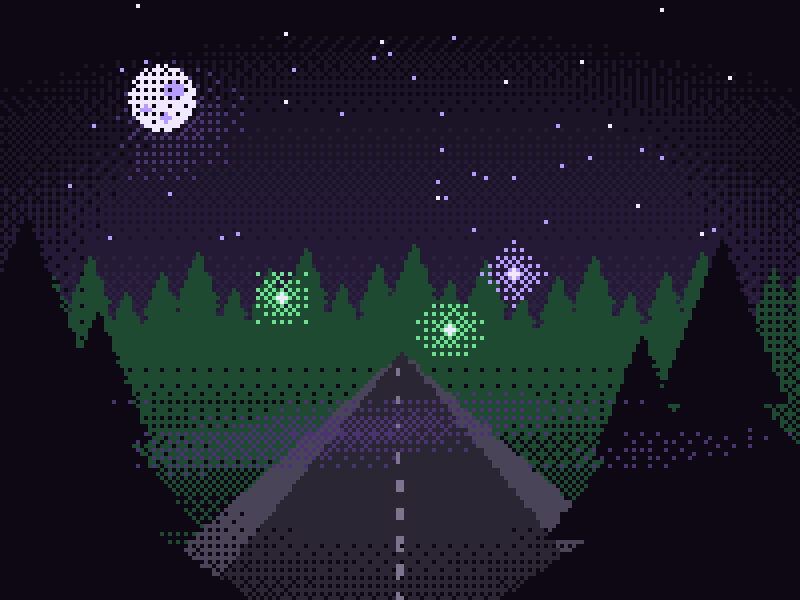
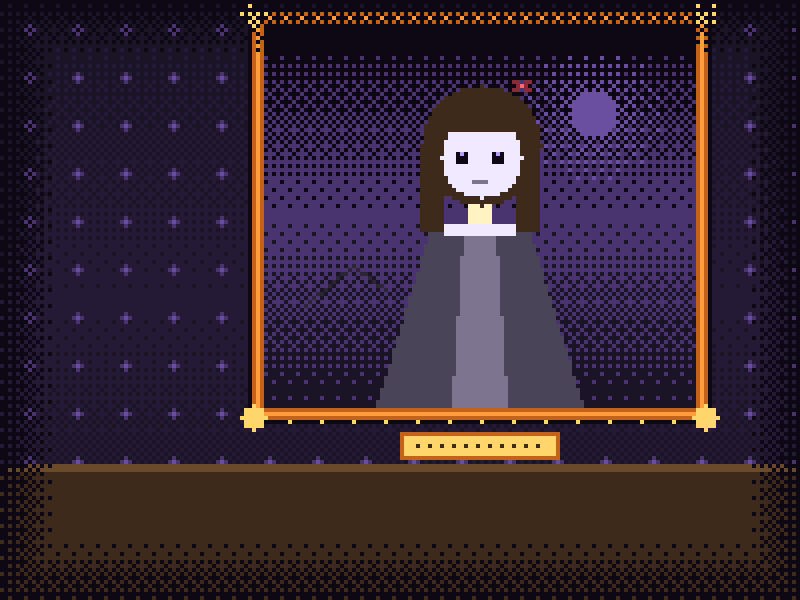
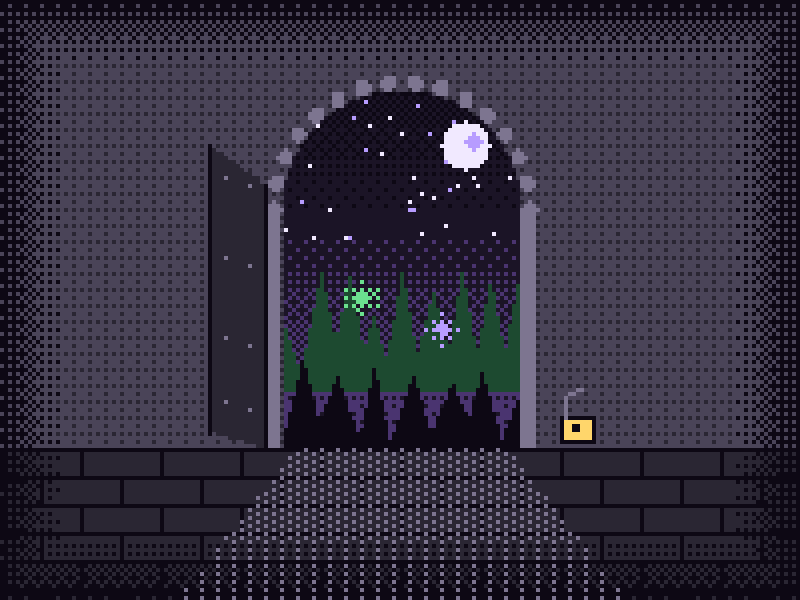
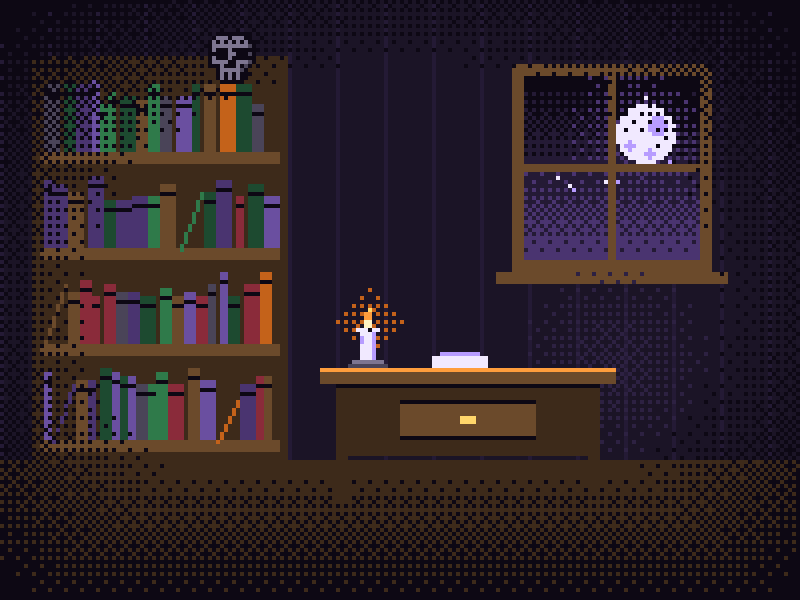
It comes with five example stacks you can play from the gallery: a 16-card Haunted House escape room, a branching ghost story with five endings, a pumpkin-carving tutorial with a quiz, The Midnight Train (17 cards with a trading puzzle), and The Halloween Bestiary, a 24-card searchable wiki.
How we built it
- TypeScript and Vite, no framework. A pure
/core(data model, commands with undo, action engine, graph analysis, migrations) is shared by the editor and the player. - Actions are data, not code. There's no scripting language, no
evaland noinnerHTML, so the engine just reads JSON. - A tiny player (about 3 KB gzipped) is embedded in every export. Exported files use a strict security policy
(
default-src 'none', with the script allowed only by its hash) and make zero network requests. - Built with Kiro, spec-first for the risky parts:
- Steering files for product rules (including trademark rules), tech, structure, testing and design.
- Five specs (data model, action engine, card editor, HTML export/import, stack map and doctor) with requirements written in Kiro's structured EARS format. Many requirements became a property test almost word for word.
- Six hooks: property tests on save, a schema-migration check, the player's 30 KB size budget, template validation, an export smoke test, and a hook that updates the write-up.
- Vibe coding for UI polish, the haunted skin and template content, locked in afterwards with tests.
- Testing: 179 unit and property tests (fast-check) plus Playwright end-to-end tests on Chromium, Firefox, WebKit and emulated iPhone and Pixel phones. The tests open exported files offline and play stacks through to the ending.
- All art is original, drawn from code in one shared 22-colour palette, with our own GIF and PNG encoders. No stock or third-party assets.
- Other tools: the first set of pixel art in
media/and some hands-on QA were done with Claude Code.
Challenges we ran into
- Making one HTML file safe. User text ends up inside an HTML page. A property test generated hostile titles and found that a NUL character in a title came back changed in the exported page. We now strip control characters from the page title, while the JSON-escaped stack data stays exact.
- The stack map disagreed with real play. A property test compared the map's idea of which cards are reachable with what the player actually reaches. It found a chained "previous, then if…else previous" case the map got wrong. We fixed it by simulating actions in order.
- Losing people's work. Hands-on testing showed that importing a file or picking a template silently replaced the current stack. Replacing now asks first and can be undone, and a property test checks that undo restores the old stack exactly.
- GIFs that "didn't move." Our animation test said every GIF was still, but screenshots showed them moving. Browsers only paint a GIF's first frame to a canvas. Switching to screenshot comparison fixed the test, and it immediately caught a real bug where autosave restarted animations.
- Pixel art that reads at 32 pixels. The kitsune's nine tails looked like wings, then a moth, before they read as tails.
Accomplishments that we're proud of
- Exported stacks really do run offline, with no network requests and a strict security policy. Tests prove it on three browser engines and emulated phones.
- About 3 KB of player code inside every file.
- Property tests found real bugs that hand-written tests missed: layout clamping, graph reachability and title escaping. Each now has a regression test.
- Upgrade safety: the file format is versioned (now v4), and every upgrade step is tested to never lose data and to be safe to run twice.
- Accessibility built in: keyboard play with focus management, a live region announcing card changes, alt text, reduced-motion support and accessible dialogs.
- Five complete, playable example stacks, all with original art.
What we learned
- Specs pay off for the parts that must not break. EARS requirements turned straight into properties, and property tests found bugs we'd never have thought to write tests for.
- Test what the user sees. Several "passing" tests were checking the wrong thing (GIFs on canvas, dialogs that hadn't opened yet). Screenshots and hands-on testing kept us honest.
- Constraints help. Ruling out a scripting language, accounts and a cloud backend kept the scope small enough to make the core trustworthy.
What's next for Stackyard
- Testing on real iOS and Android devices, beyond the emulated phones.
- Drawing links on the stack map, drag-to-reorder cards, a sound action, and a "no winning path" check in the stack doctor.
- Optional template likes in the editor, with exported files still never contacting anything.
- An opt-in community gallery for sharing stacks, designed with moderation in mind for young makers.
- "Draft me a stack": AI help to rough out a story's cards, which you then edit by hand.
Stackyard is inspired by the 1987 card-stack tools like HyperCard. It is not affiliated with or endorsed by Apple.
Built With
- css3
- fast-check
- fontsource
- github
- github-actions
- html5
- indexeddb
- javascript
- jsdom
- kiro
- node.js
- playwright
- typescript
- vite
- vitest
