Inspiration
Modern AI agents often hit a wall when trying to bridge the gap between heavy enterprise analytics and real-time external research. Developers face the "tool overload trap"—where loading too many Model Context Protocol (MCP) servers into an agent bloats the context window, triggers hallucinations, and slows down responses. We wanted to build a clean solution that lets users dynamically "stack" specialized MCP servers (like deep-research tools and analytical data stores) without sacrificing speed or clarity.
What it does
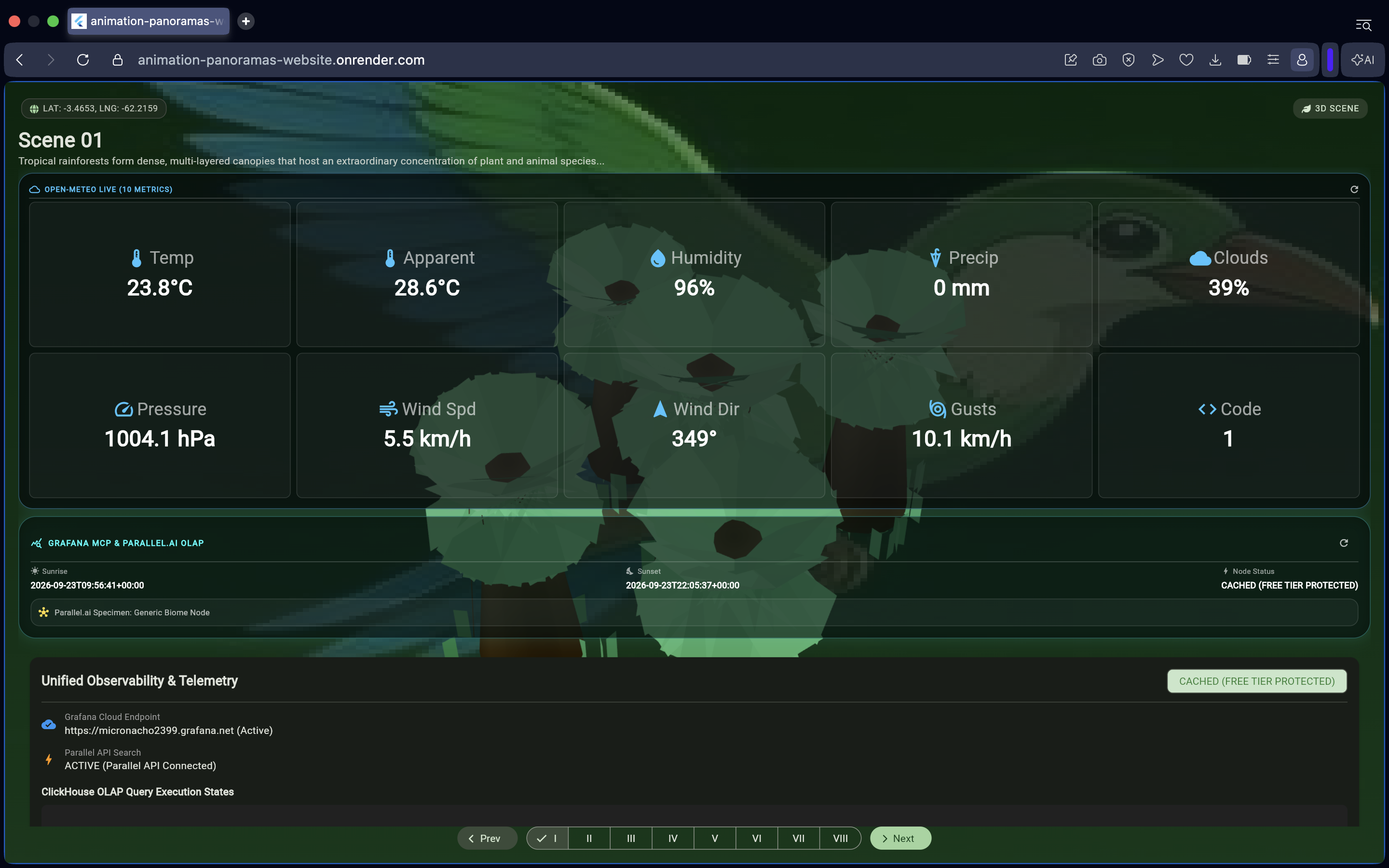
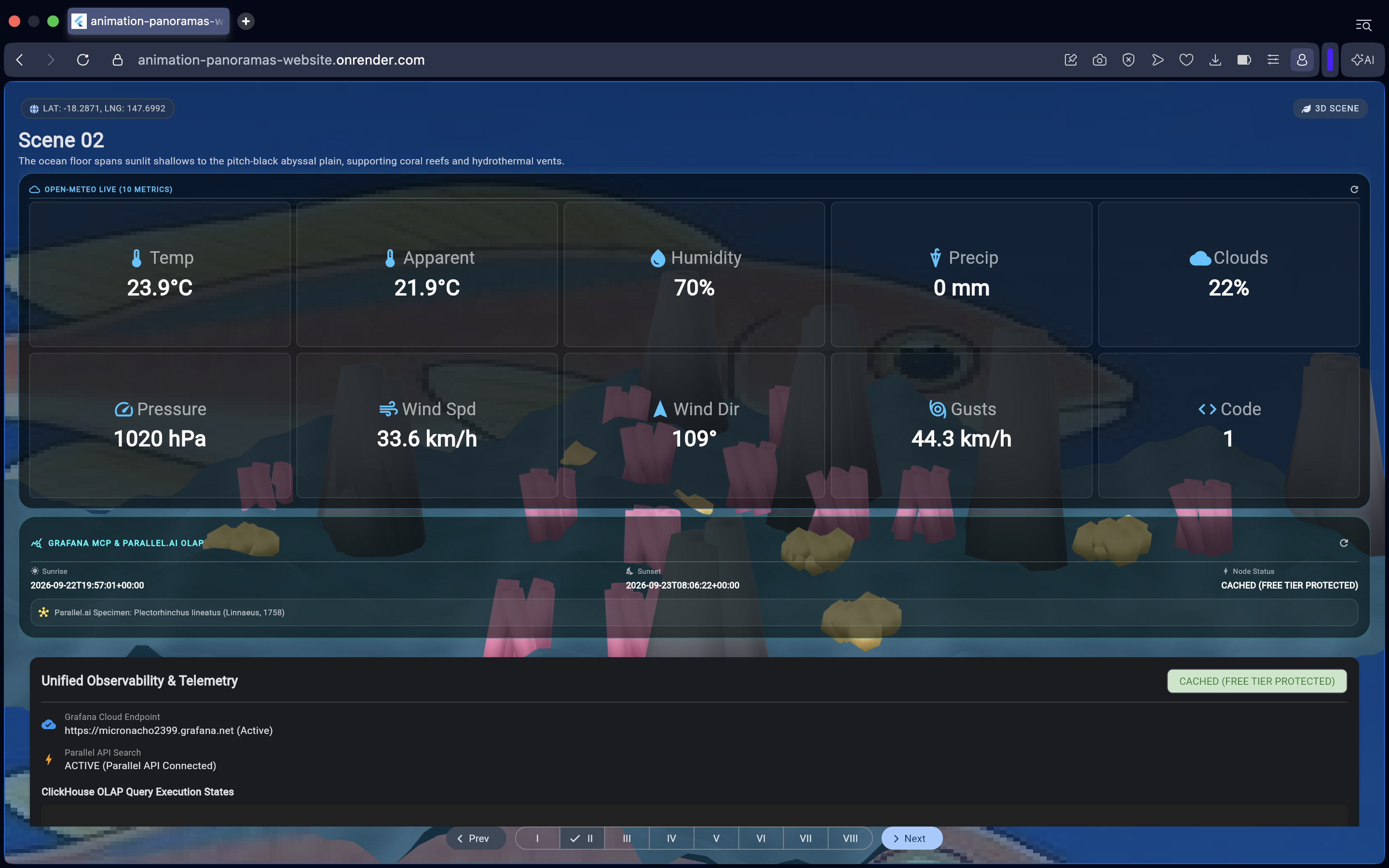
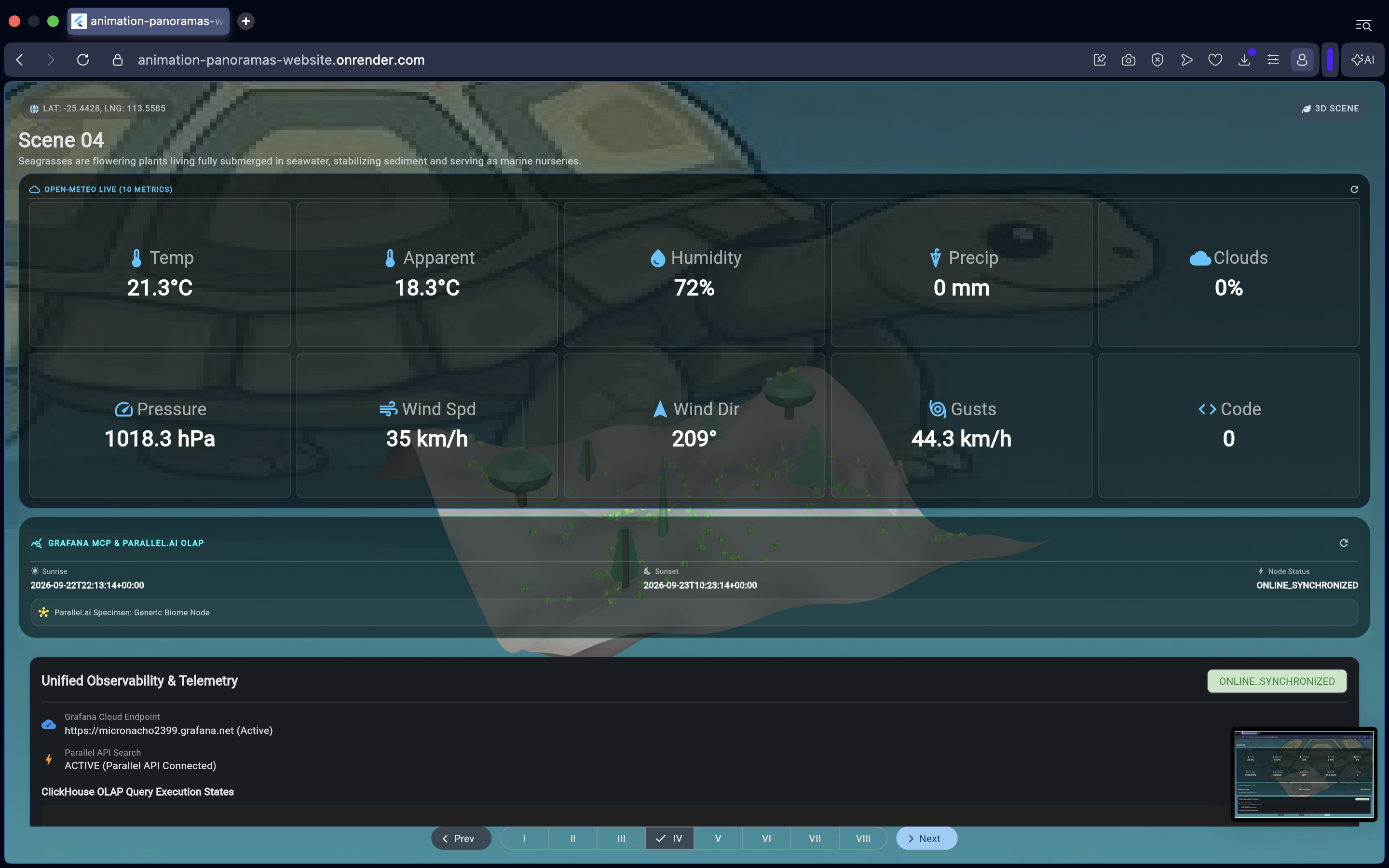
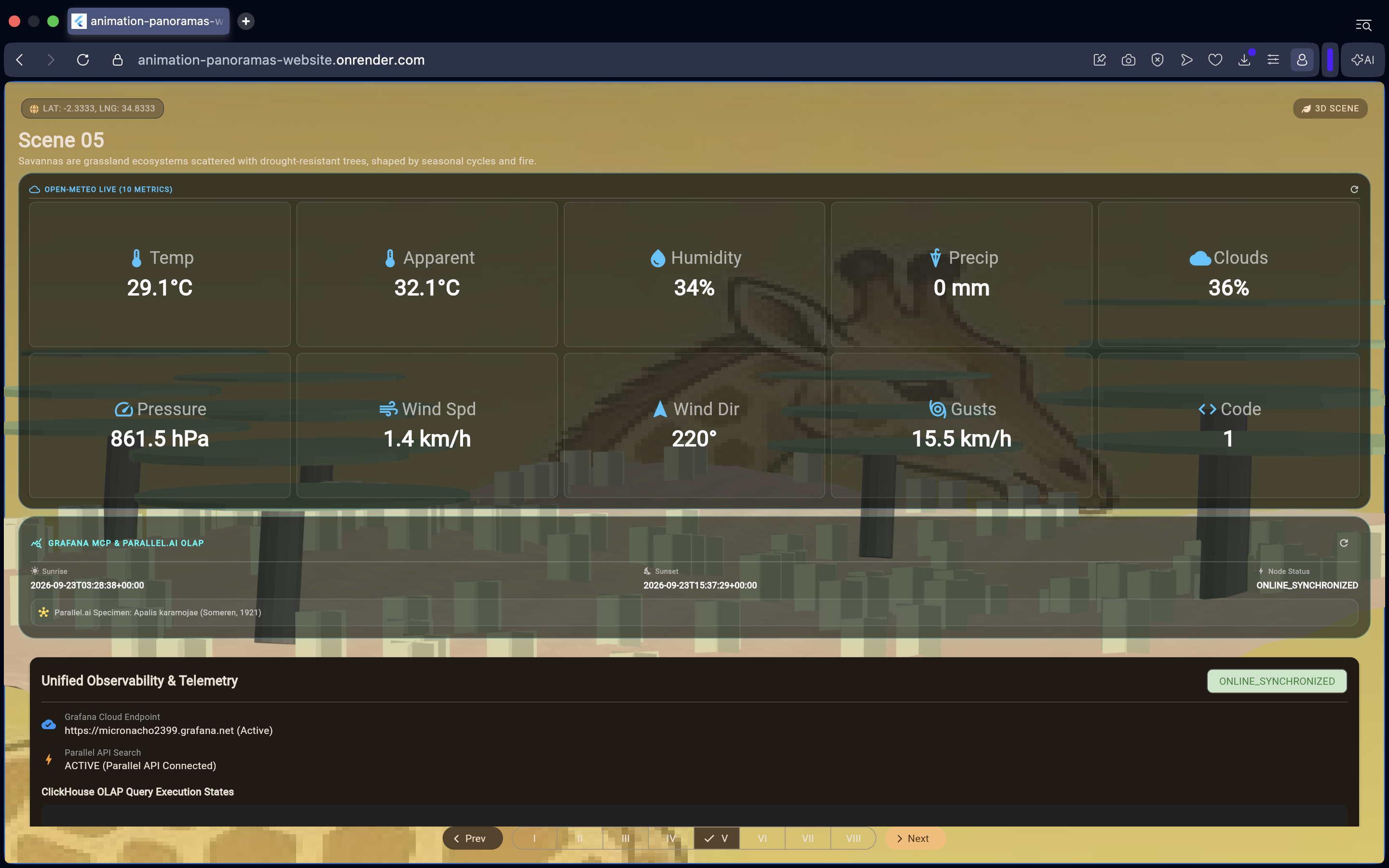
stackMCP is a unified agent workspace and gateway that allows users to coordinate, query, and stream data from multiple MCP servers in parallel. Built with a high-performance web architecture, it enables LLMs to seamlessly execute real-time web search loops (via Parallel MCP) alongside heavy analytical database queries, presenting everything in a unified, responsive dashboard.
How we built it
- Frontend & Client Layer: Built entirely in Flutter (Dart) to natively handle web-standard protocols like Server-Sent Events (SSE), streaming JSON-RPC transport layers, and dynamic tool discovery.
- MCP & Agent Orchestration: Integrated Parallel MCP for sub-second web extraction and deep async research tasks, combined with custom connector layers designed to fetch and parse structured data concurrently.
- State & Concurrency Management: Utilized modern React state patterns and asynchronous worker loops to handle multi-threaded data visualization without UI blocking.
Challenges we ran into
- The Flutter vs. React Pivot: We initially prototyped parts of the client in Flutter, but quickly realized that the web ecosystem is significantly more mature for handling native MCP transport protocols, SSE streams, and rich AI component libraries. Pivoting to React saved us hours of custom parsing overhead.
- Prompt Bloat & Latency: Querying multiple MCP servers at once initially overloaded the LLM context window with tool definitions. We had to implement strict tool-scoping strategies to ensure agents only looked at the tools relevant to the current user prompt.
Accomplishments that we're proud of
- Successfully orchestrating parallel data retrieval from external AI search tools and heavy data endpoints into a single, cohesive user interface.
- Achieving smooth, real-time response streaming in Flutter without hitting token bottlenecks or agent timeouts.
What we learned
- Ecosystem Alignment Matters: Building cross-platform AI-native agent tooling is robust and responsive when leveraging Flutter and Dart's native asynchronous stream architecture designed around Server-Sent Events (SSE) and streamable HTTP protocols.
- Modularity is King: Decoupling MCP servers so they can be toggled on and off dynamically prevents context pollution and keeps agent token costs low.
What's next for stackMCP
- Dynamic Tool Grouping: Implementing automated workflows to bundle MCP tools by context (e.g., "Analytics" vs. "Research") so agents only load what they need.
- Expanded Connectors: Adding plug-and-play support for more enterprise databases and cloud warehouses.
- Agent Automation Recipes: Pre-built templates for multi-step tasks that chain Parallel MCP research directly into analytical reporting.
Built With
- apis
- flutter
- grafana
- http
- parallel
- render-deployment
- serverless


Log in or sign up for Devpost to join the conversation.