-
-
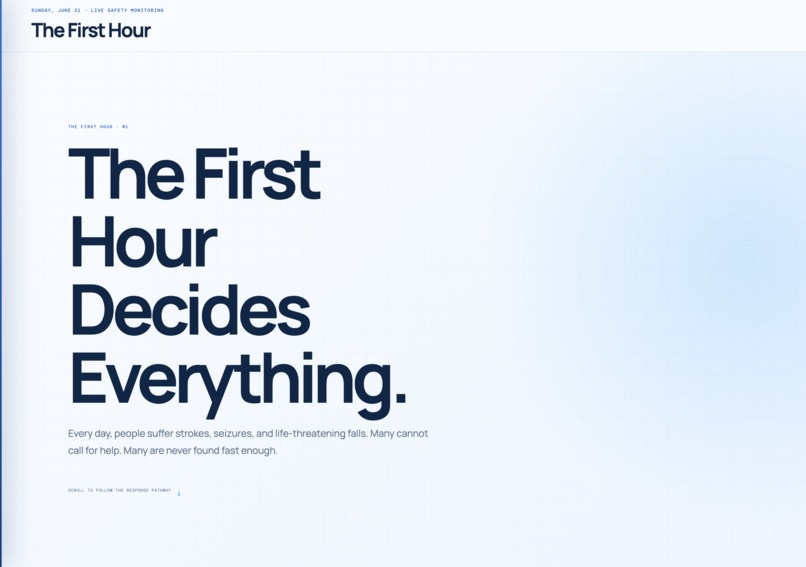
Stability tracks exercise and vitals to build a health baseline, instantly alerting emergency services during strokes or falls to save lives
-
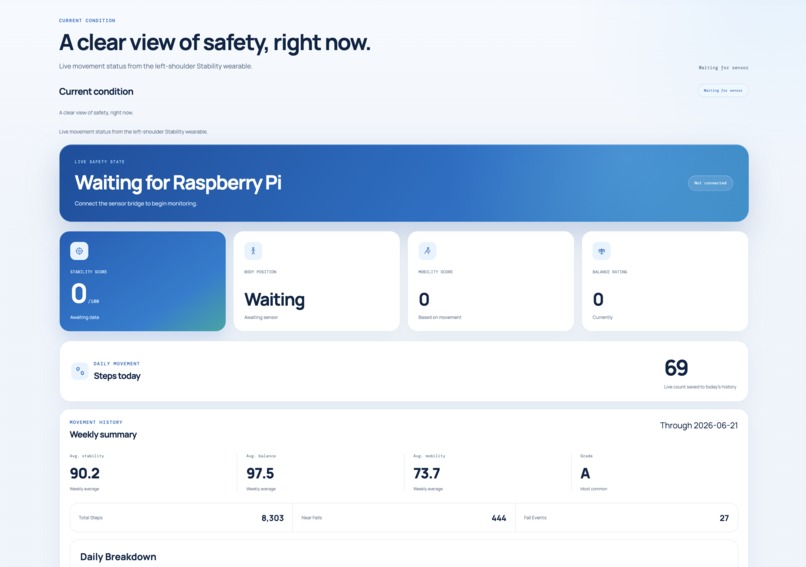
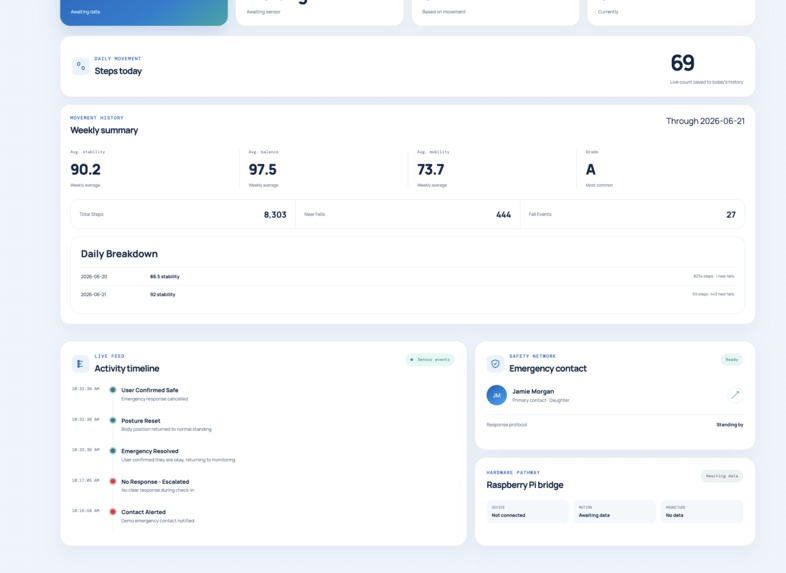
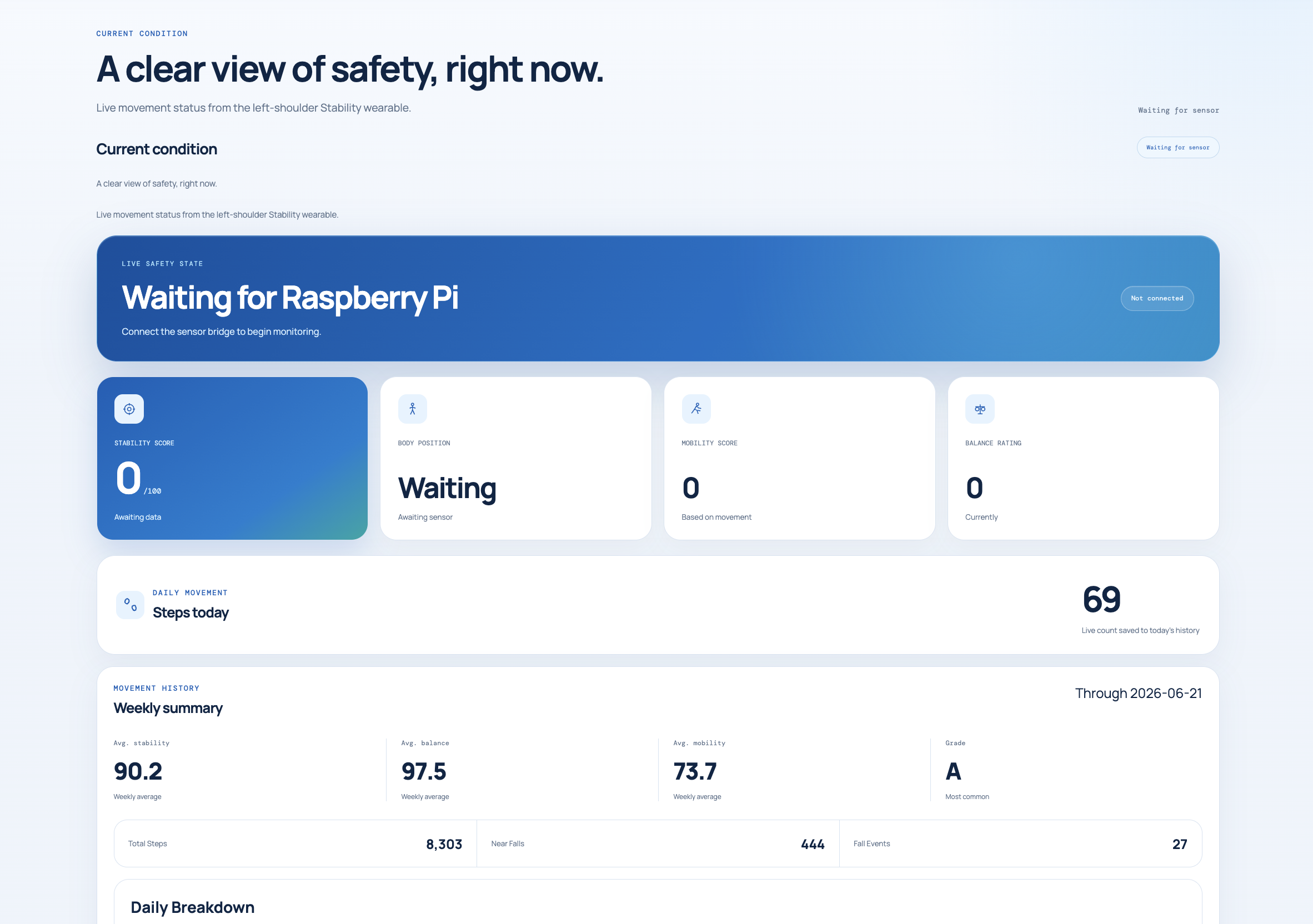
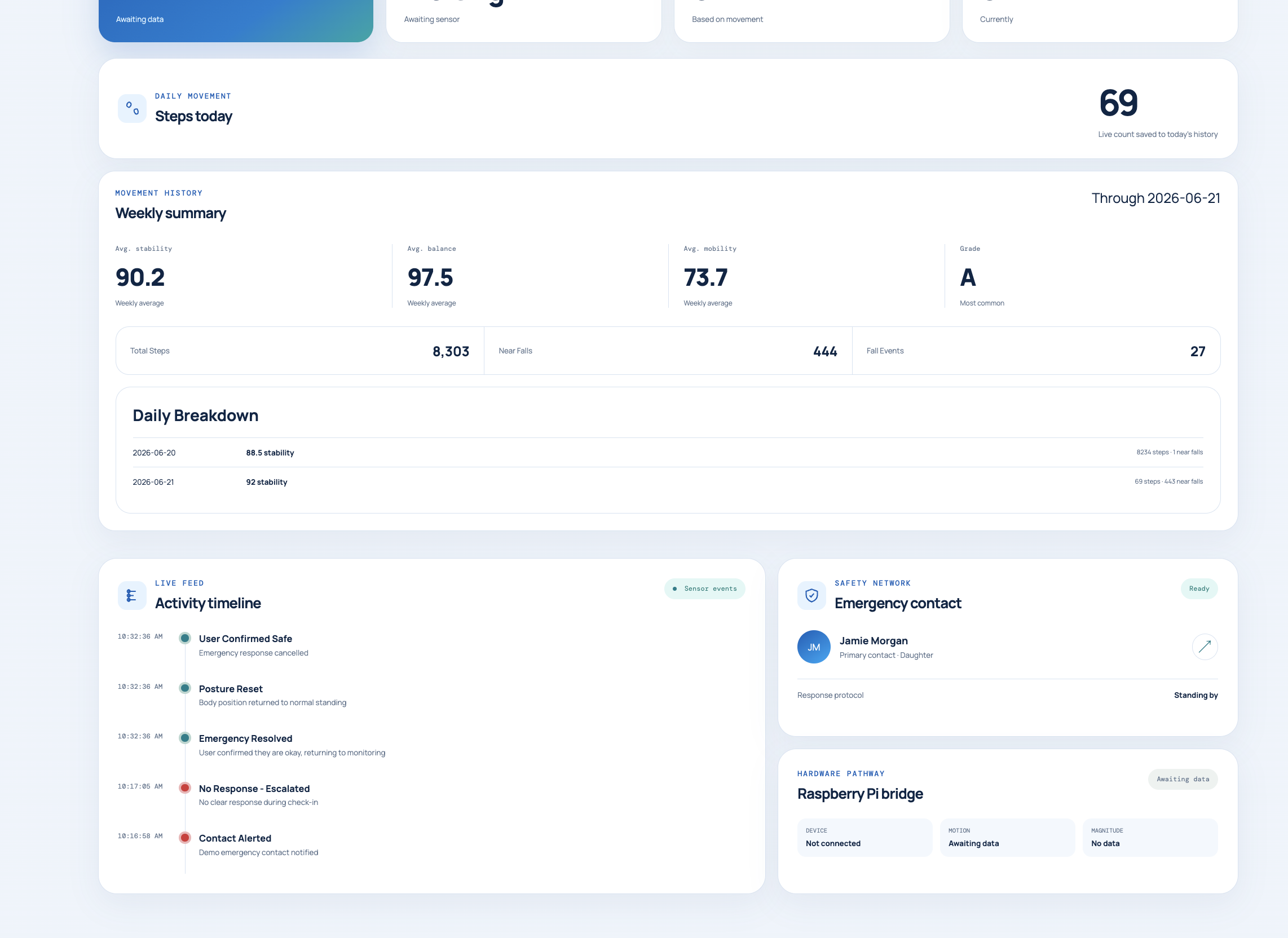
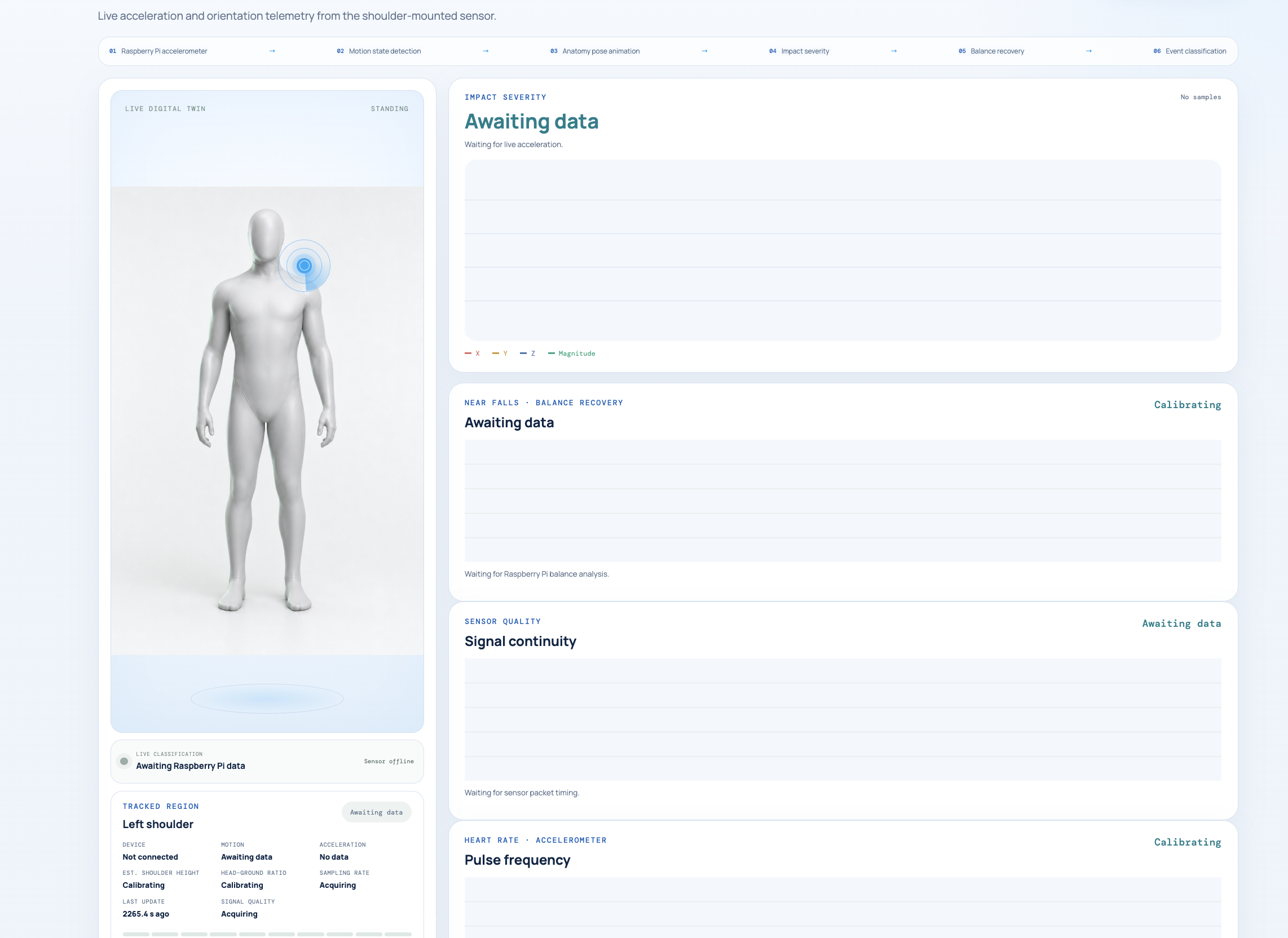
The dashboard that tracks where the tracker is and the data brought in by it
-
We learned to integrate real-time wearable data with AI models and realized the massive impact proactive, preventative health tracking has.
-
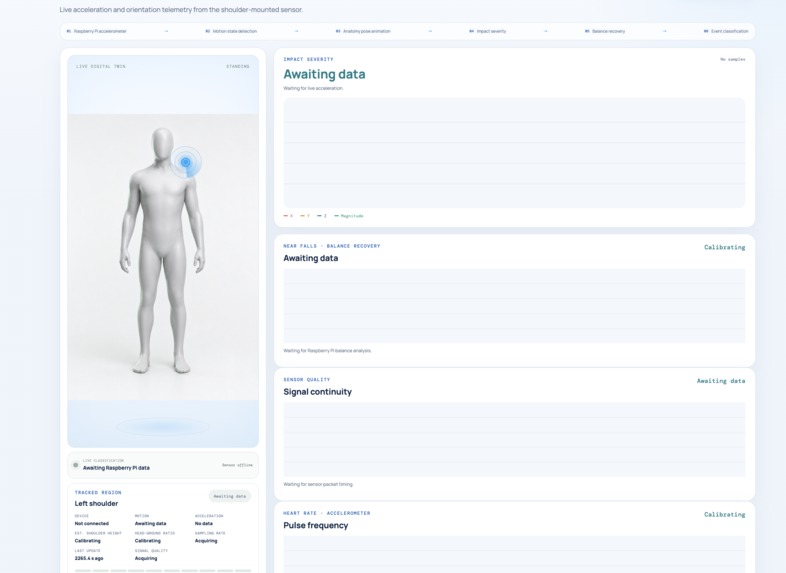
We used Python for predictive AI, integrated wearable APIs for real-time vital tracking, and built an accessible UI for health monitoring.
-
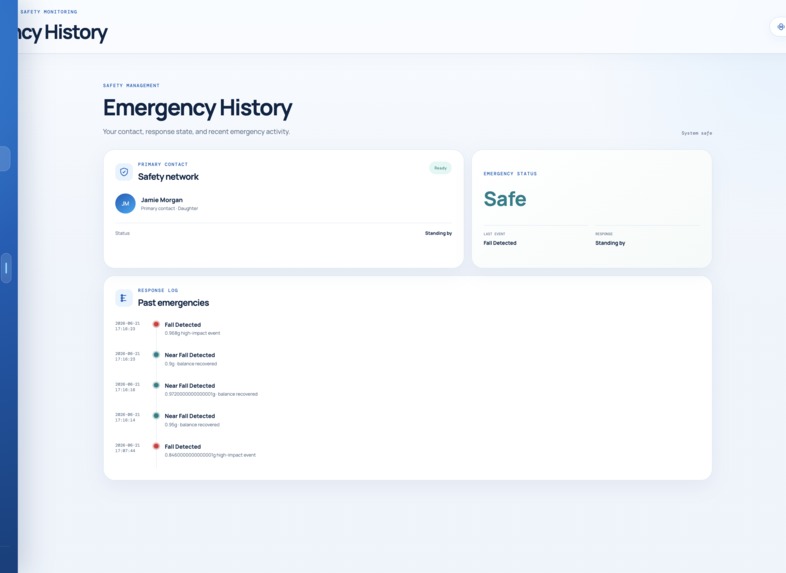
We proudly built a working prototype that accurately logs health data and rapidly triggers emergency alerts during simulated vital drops.
Inspiration
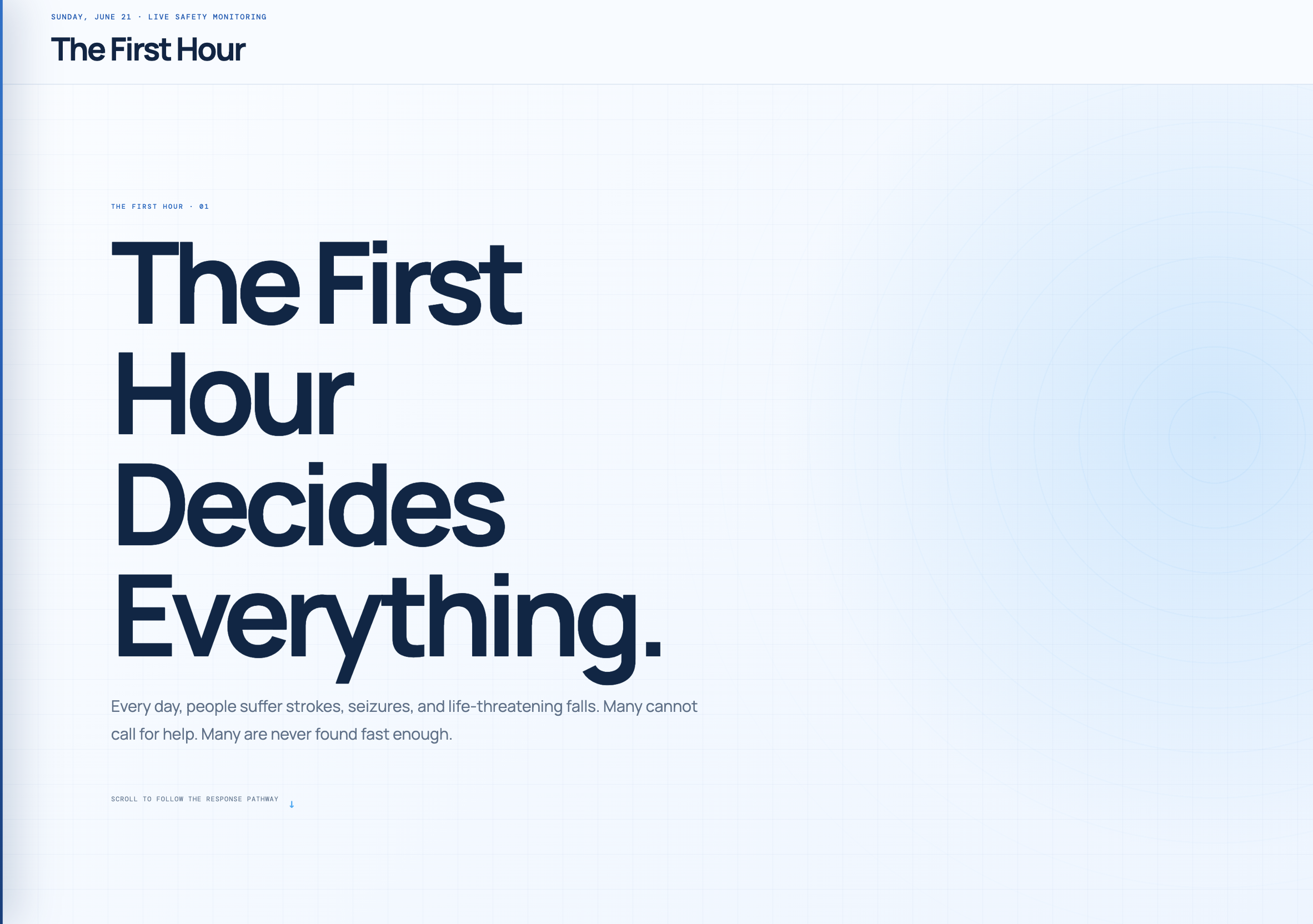
When I was younger, my grandfather had a severe stroke which left him unable to speak for the remainder of his life, an outcome worsened by delayed emergency services, as she was home alone at the time. We conceived of Stability to address this critical gap in medical response times for strokes, seizures, and falls, which remain the leading causes of adult disability.
Knowing that my grandmother is far from the only one to suffer from these delays, our team was driven to build a proactive solution that could truly make a difference. By encouraging regular exercise, tracking vital health metrics, and monitoring near-misses and falls, we have built a system that not only preventatively lowers the risk of an incident occurring, but also serves as an immediate, direct response system when emergencies happen.
What it does
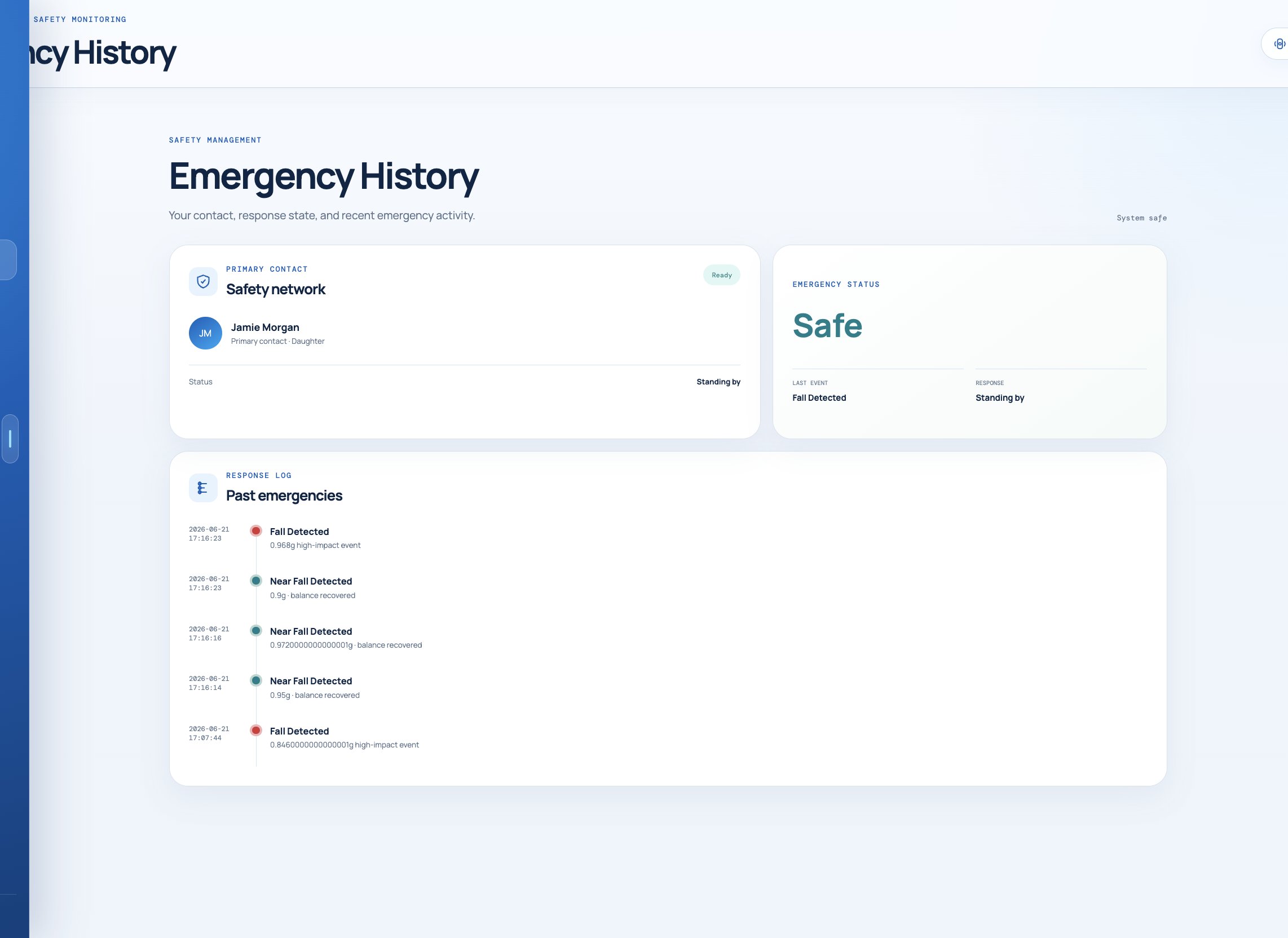
Stability is an intelligent health monitoring and emergency response platform designed to support vulnerable individuals, particularly the elderly or those at risk of neurological events. The system continuously tracks movement patterns, activity levels, and key health indicators to detect abnormalities that may signal a fall, stroke, or seizure. When a potential emergency is detected, Stability instantly alerts caregivers, family members, or emergency services with precise location data and critical context, dramatically reducing response time. In addition to reactive safety measures, the platform promotes preventative health by encouraging consistent physical activity, providing insights into user habits, and identifying warning signs before they escalate into serious incidents.
How we built it
We built Stability by combining wearable sensor technology with intelligent data analysis. Using motion sensors and basic health tracking inputs, we developed an algorithm capable of recognizing unusual patterns such as sudden falls, strange heart patterns, or erratic movement. On the software side, we designed a user-friendly web interface that allows caregivers and users to easily monitor health data, receive alerts, and review activity history. We utilized backend processing paired with hardware to ensure real-time detection and notifications, prioritizing speed and reliability. Our development process involved rapid prototyping, testing detection accuracy, and refining the system to minimize false positives while maintaining high sensitivity to real emergencies.
Challenges we ran into
One of the biggest challenges we faced was balancing sensitivity and accuracy in detecting emergencies. Early versions of our system either missed critical events or triggered too many false alarms, which could overwhelm caregivers and reduce trust in the product. Another challenge was designing a system that is both powerful and easy to use for older individuals who may not be comfortable with technology. We had to simplify the interface while still providing meaningful insights and functionality. Additionally, ensuring fast and reliable notifications, especially in environments with limited connectivity, required careful optimization of our communication system.
Accomplishments that we're proud of
We are proud of creating a system that has the potential to save lives by significantly reducing emergency response times. Our ability to combine preventative health features with real-time emergency detection sets Stability apart from many existing solutions. We are also proud of building a user-centered design that prioritizes accessibility, making the platform usable for elderly individuals while still providing powerful tools for caregivers. Successfully developing a working prototype within a limited timeframe demonstrates our team’s ability to collaborate effectively and solve complex, real-world problems that shows the real value a hackathon provides.
What we learned
Through this project, we learned the importance of designing technology with empathy. We almost went into this trying to create an AI product that would extract value out of people, however we realize now that the AI has a strong use case in healthcare and creating the systems that people need to live healthy. Understanding the real-life experiences of people we actually knew helped guide our decisions and ensured that our solution addresses genuine needs rather than just technical possibilities. We also gained experience in building reliable detection systems, working with sensor data, and handling trade-offs between accuracy and usability. Perhaps most importantly, we learned how critical speed and clarity are in an emergency situation, every second matters, and technology must perform flawlessly under pressure.
What's next for Stability
Moving forward, our primary technical goal for Stability is to transition from a functional prototype to a seamless, life-saving daily companion. We plan to refine our predictive algorithms by training them on broader, more diverse clinical datasets, enabling even earlier detection of stroke and seizure precursors based on subtle physiological shifts. To make this monitoring effortless for the user, we aim to integrate the platform with popular wearable devices, such as smartwatches. This will allow the system to passively track real-time vital signs and detect falls instantly, ensuring emergency protocols can be triggered without any manual input from the patient.
Beyond our technical expansion, we are deeply committed to maximizing Stability's real-world impact through community partnerships and user engagement. We intend to conduct pilot testing with local assisted living facilities, which will provide invaluable beta-testing data and ensure our user interface remains highly accessible for vulnerable populations. Additionally, we plan to enhance the preventative side of the platform by introducing structured, engaging reward systems for health tracking. By gamifying daily exercise and habit-building, Stability will empower users to actively lower their long-term medical risks while providing the peace of mind that comes with reliable, automated monitoring.

Log in or sign up for Devpost to join the conversation.