-
-
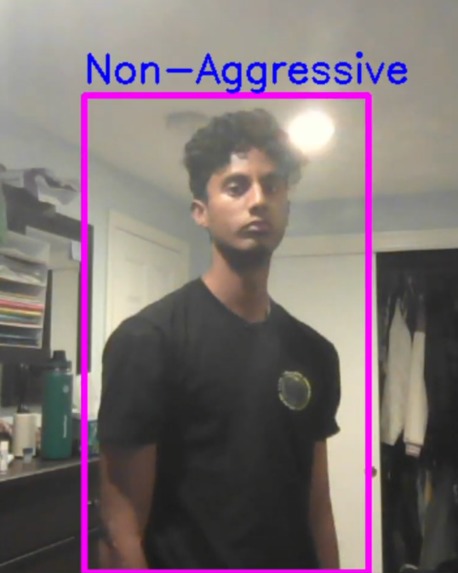
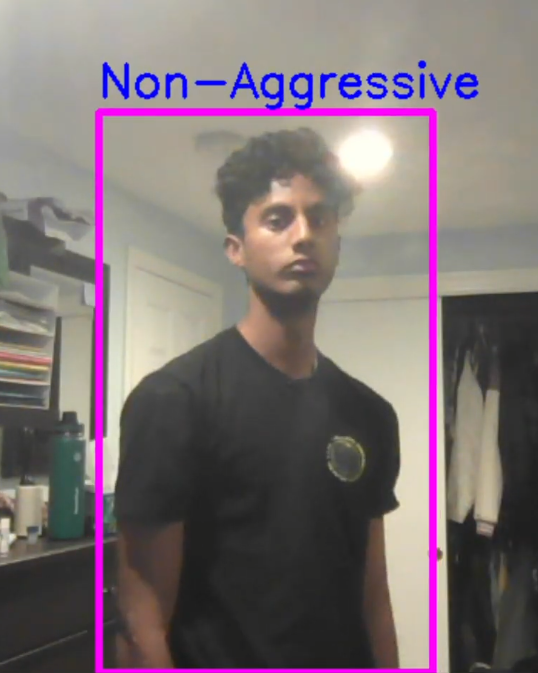
Aggression Classification idle
-
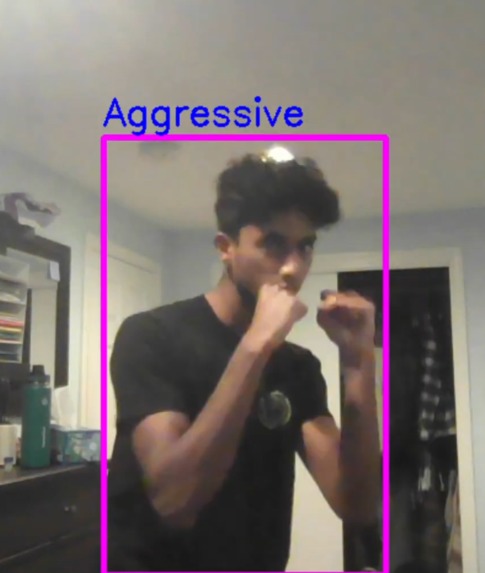
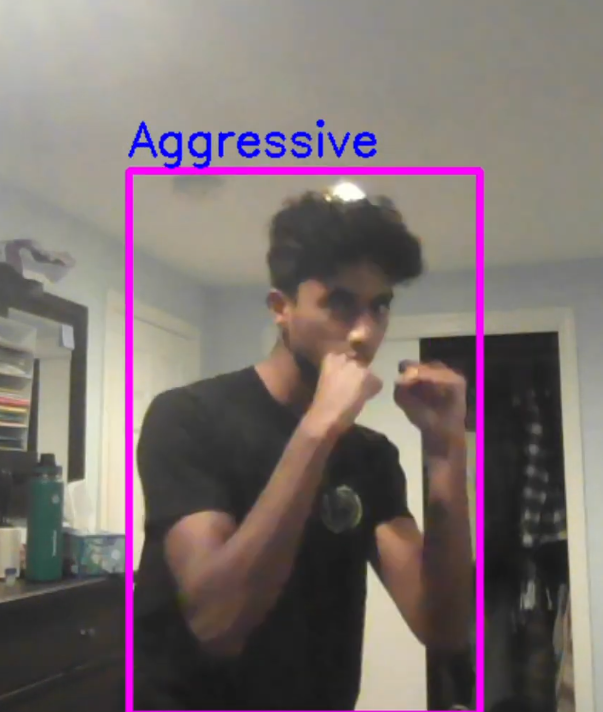
Aggression Classification w/ raised fists
-
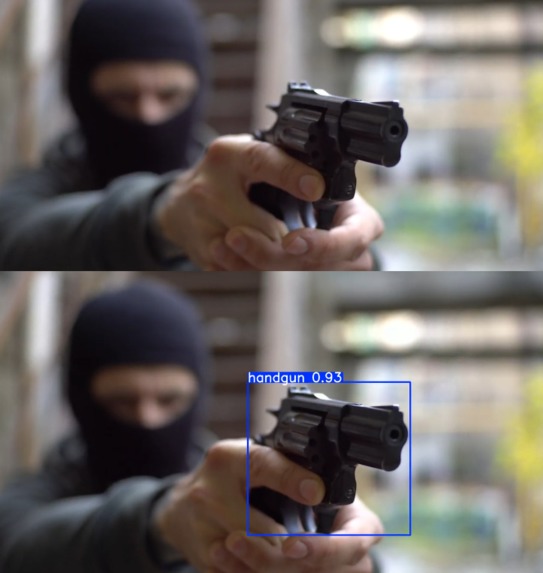
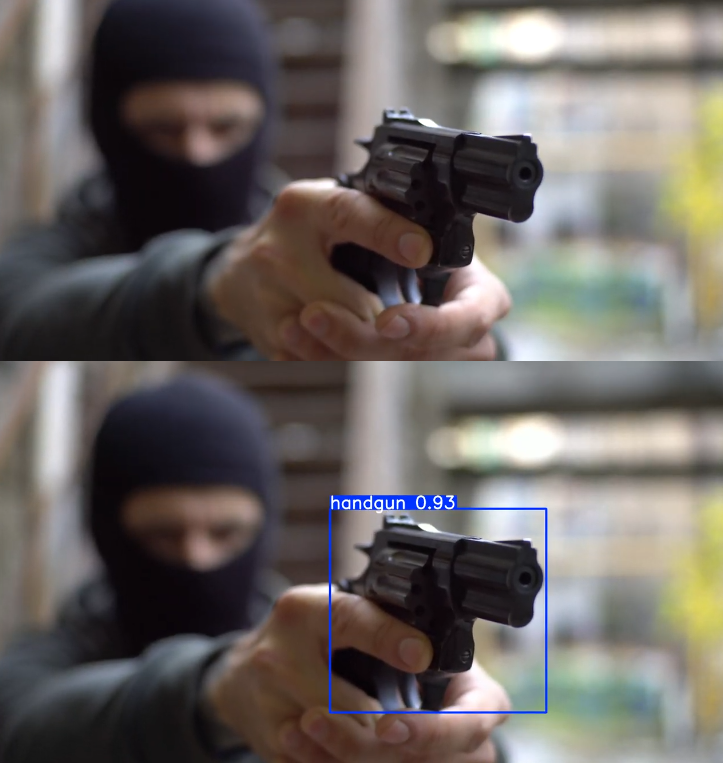
Firearm Detection before / after split
-
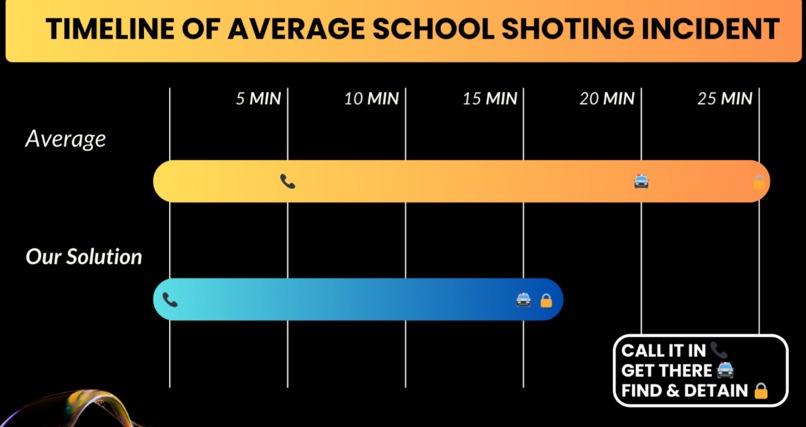
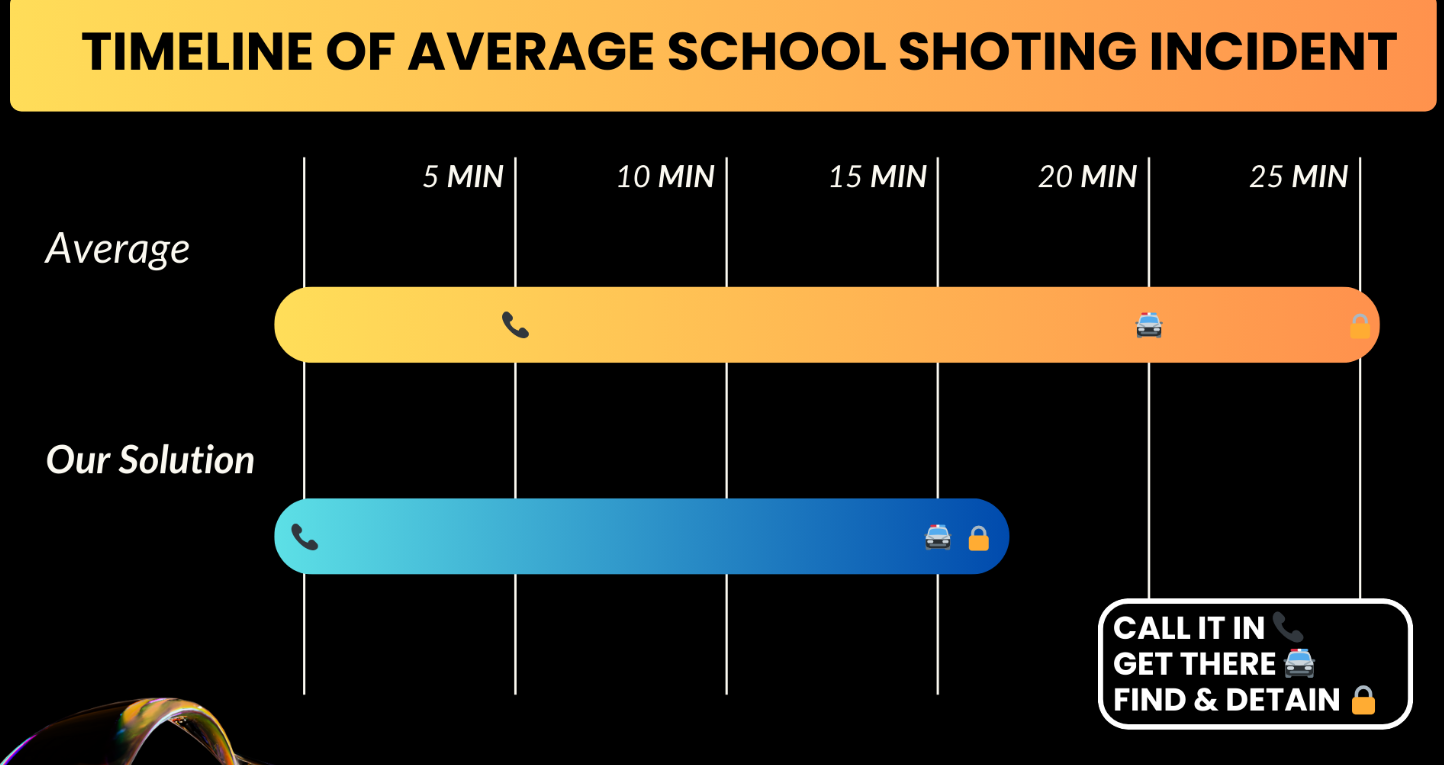
Timeline of Average Shooting Incident
-
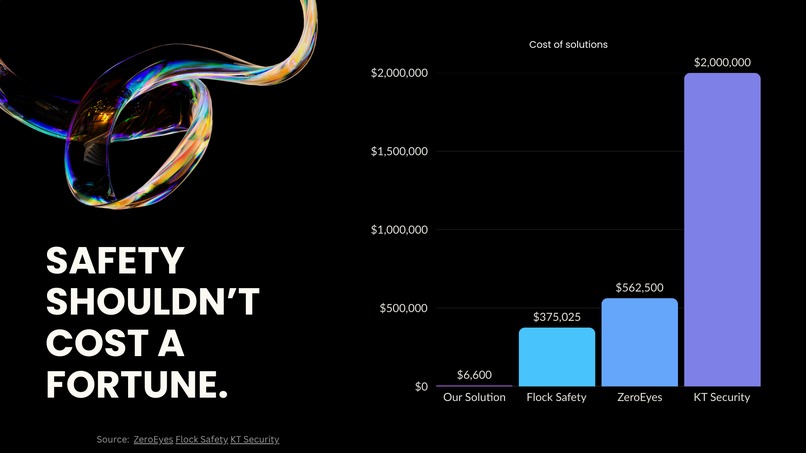
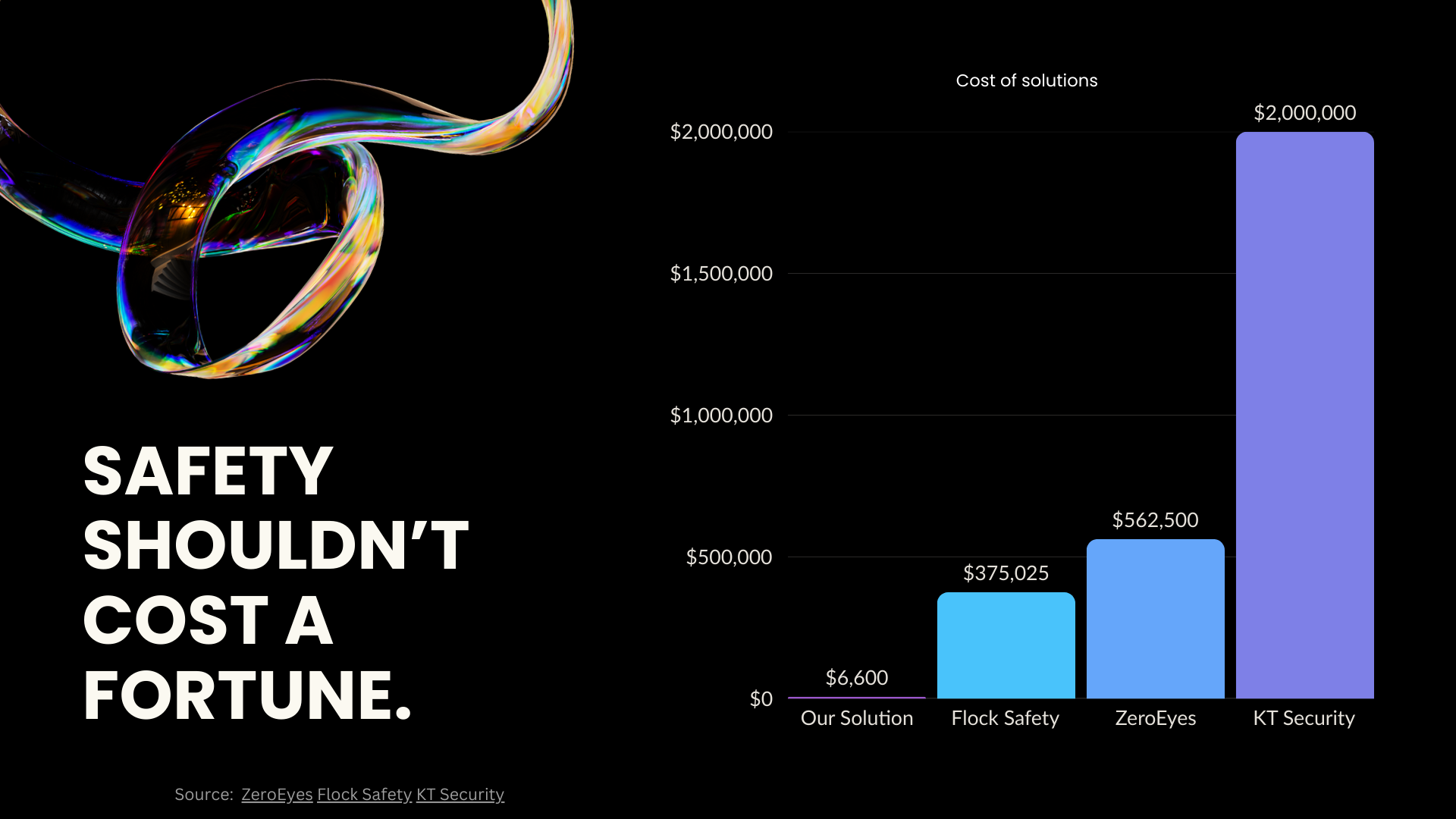
Cost of Similar Solutions Breakdown
💡 Inspiration
With the rise in school safety concerns, I recognized the urgent need for a proactive, AI-powered security solution. Traditional security measures rely on delayed responses, but real-time detection and tracking could significantly improve crisis response.
As someone passionate about computer vision and AI, I wanted to explore how existing CCTV infrastructure could be enhanced with intelligence, rather than just recording events passively. Schools already have cameras, but they don’t analyze behaviors, detect threats, or trigger alerts—which leaves a huge gap in security.
SSS (Stopping School Shootings) was built to close that gap. Using computer vision, SSS transforms ordinary surveillance cameras into an active security system that detects potential threats and alerts authorities before an incident escalates.
🔍 What it does
SSS is an AI-powered security system that uses computer vision to enhance school safety. It can:
- Detect Unusual Movements – Identifies erratic behavior, such as sudden running, group formations, or loitering in restricted areas.
- Track Suspicious Activity – Monitors individuals lingering in unusual places or carrying objects in a concerning manner.
- Identify Threat Indicators – Uses object detection to recognize potential weapons or dangerous items.
- Identify Aggressive Actions – Uses object classification to classify people as aggressive or non-aggressive based on cues such as raised fists and shoving.
By turning passive CCTV into an active security solution, SSS enhances school safety without requiring costly new infrastructure.
🔧 How I built it
I experimented with different computer vision models to determine the best approach for detecting potential threats.
Pose Estimation vs. Object Detection
Initially, I explored pose estimation to identify aggressive stances, raised arms, or threatening postures. However:
- Pose estimation models struggled with crowded environments and occlusions (e.g., multiple students in a hallway).
- Accuracy varied depending on camera angles and lighting conditions.
- False positives occurred frequently, as non-threatening gestures (e.g., raising a hand in class) were sometimes misclassified.
After testing, I decided to go with object detection instead because:
- It performs better in varied environments and detects weapons or suspicious items directly.
- Object detection models like YOLO and Faster R-CNN provided higher accuracy in real-world settings.
- It allowed for bounding box tracking, making it easier to pinpoint threats in a crowd.
Development Process
Day 1:
- Defined problem scope and researched school security vulnerabilities.
- Brainstormed key technologies (Raspberry Pi, OpenCV, FastAPI, Azure).
- Designed the initial ML architecture, focusing on real-time object detection.
Day 2:
- Trained an object detection model to recognize specific threats.
- Integrated webcam feeds to process live video.
- Developed a prototype for real-time aggression classification.
Day 3:
- Optimized video processing for low-latency detection.
- Built a user interface that shows the live annotated threat footage.
⚠️ Challenges I ran into
- Reducing False Positives: Ensuring that normal student activity (e.g., running in hallways) isn’t mistakenly flagged as a threat.
- Latency Optimization: Processing real-time video feeds while maintaining fast inference speeds.
- Camera Compatibility: Adapting the model to work across different camera angles, resolutions, and lighting conditions.
🍰 Accomplishments that I'm proud of
- Built a working prototype that detects, tracks, and alerts in real-time.
- Optimized object detection to work efficiently on low-cost hardware (Raspberry Pi).
- Successfully integrated live footage processing with AI-based threat detection.
🧠 What I learned
- How to compare and evaluate different AI models for real-world security applications.
- The trade-offs between pose estimation and object detection for threat detection.
- How to fine-tune computer vision models to minimize false positives.
- The importance of seamless integration with existing security infrastructure.
🚀 What's next for SSS
- Pilot Program: Deploying SSS in select schools to test real-world performance.
- Advanced AI Features: Improving detection models to identify a broader range of threats and objects.
- Law Enforcement Partnerships: Enhancing emergency response integration for automated dispatch.
- Scalability: Expanding the system beyond schools to public spaces, businesses, and other high-risk environments.


Log in or sign up for Devpost to join the conversation.