-
-
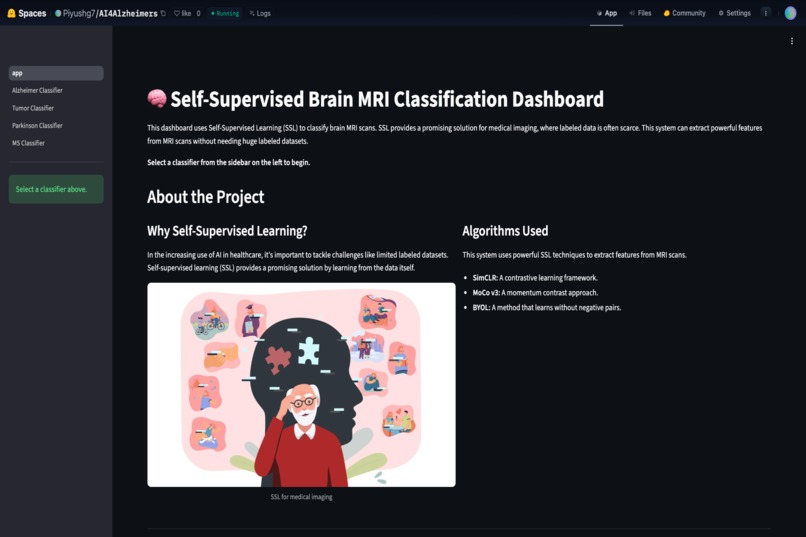
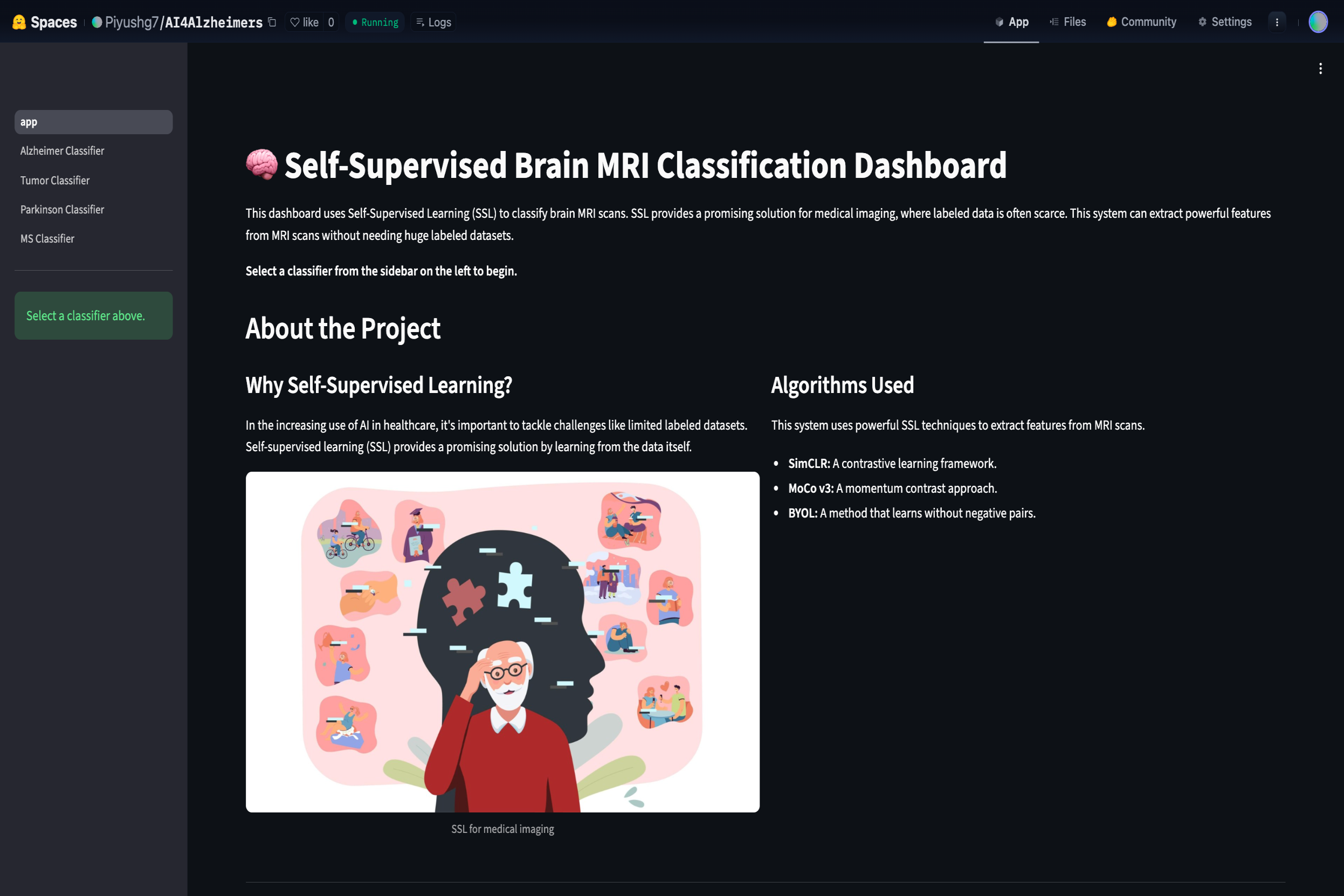
Website Dashboard
-
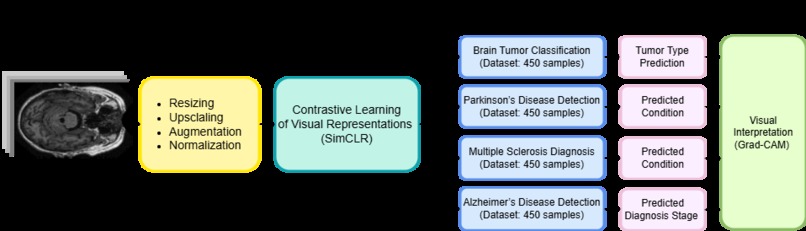
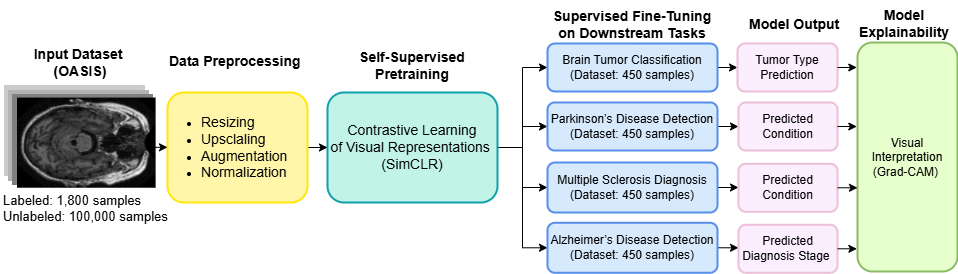
Project Architecture
-
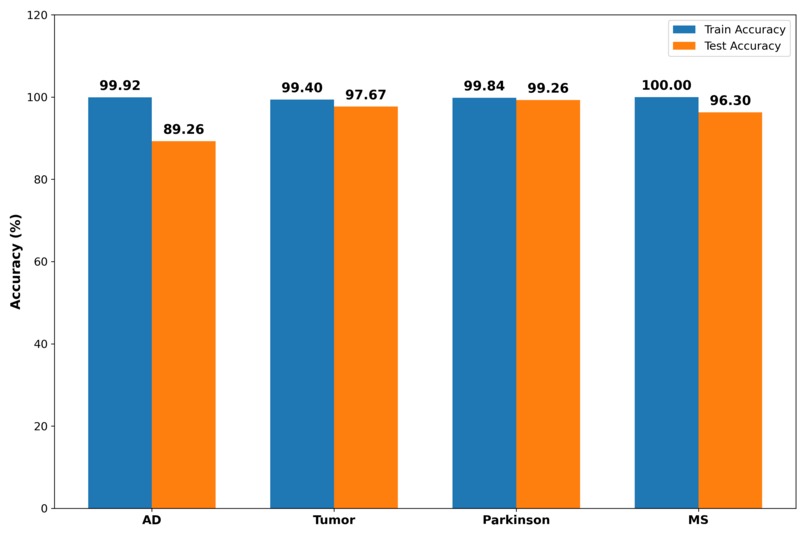
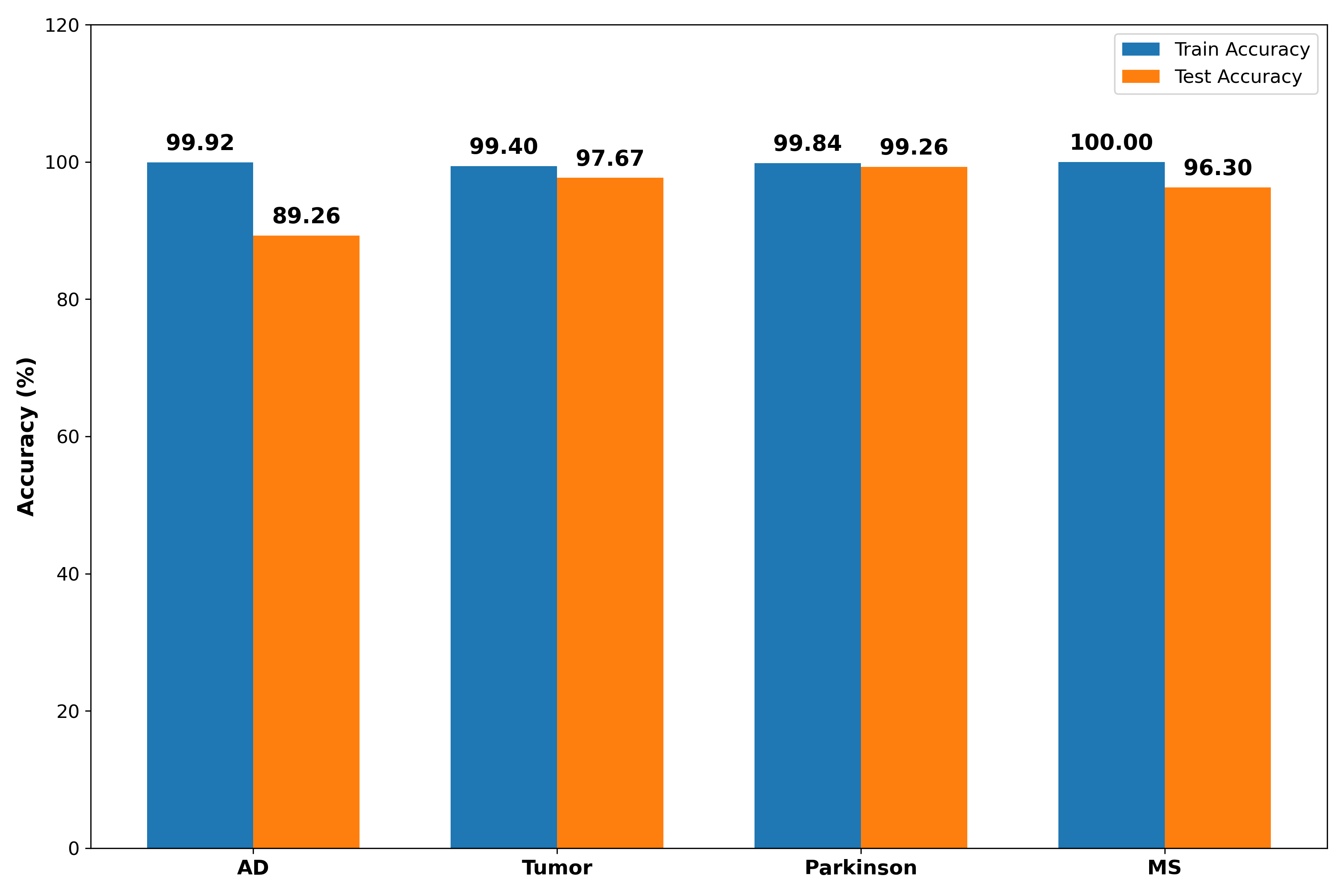
Cross-Domain Generalization Test Accuracy comparison Graph
-
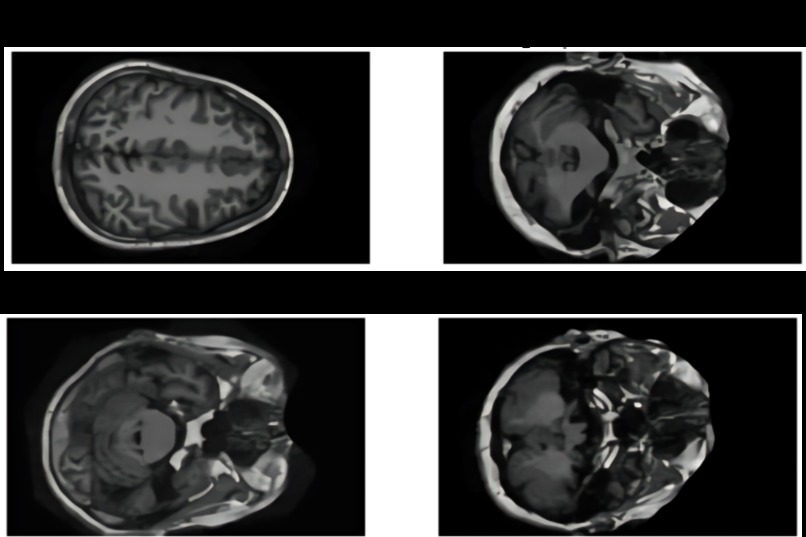
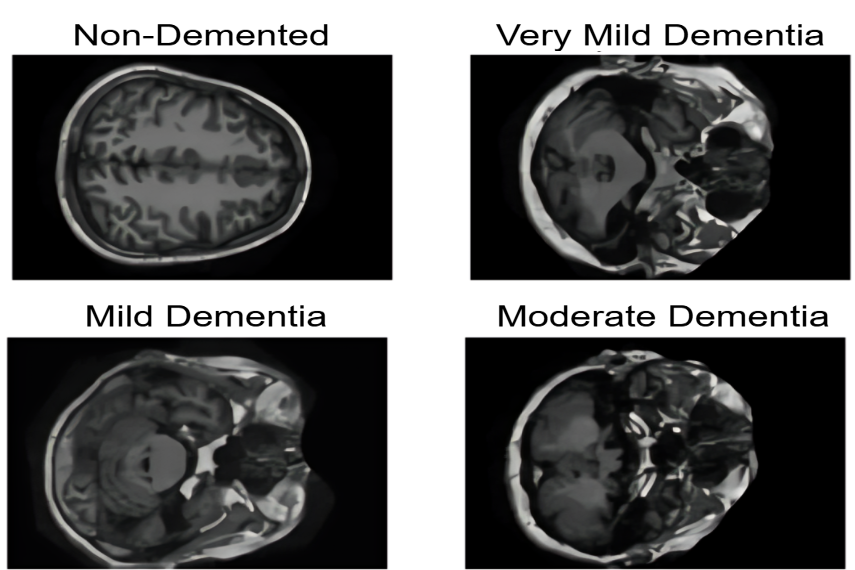
Sample images
-
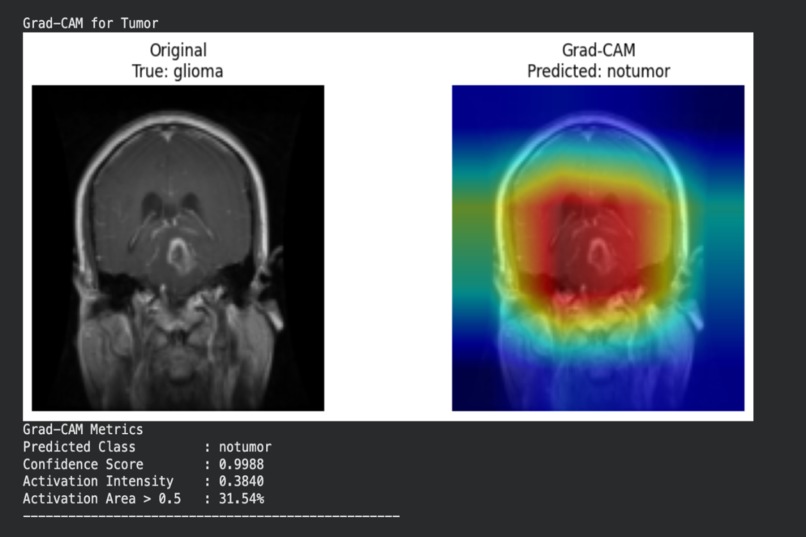
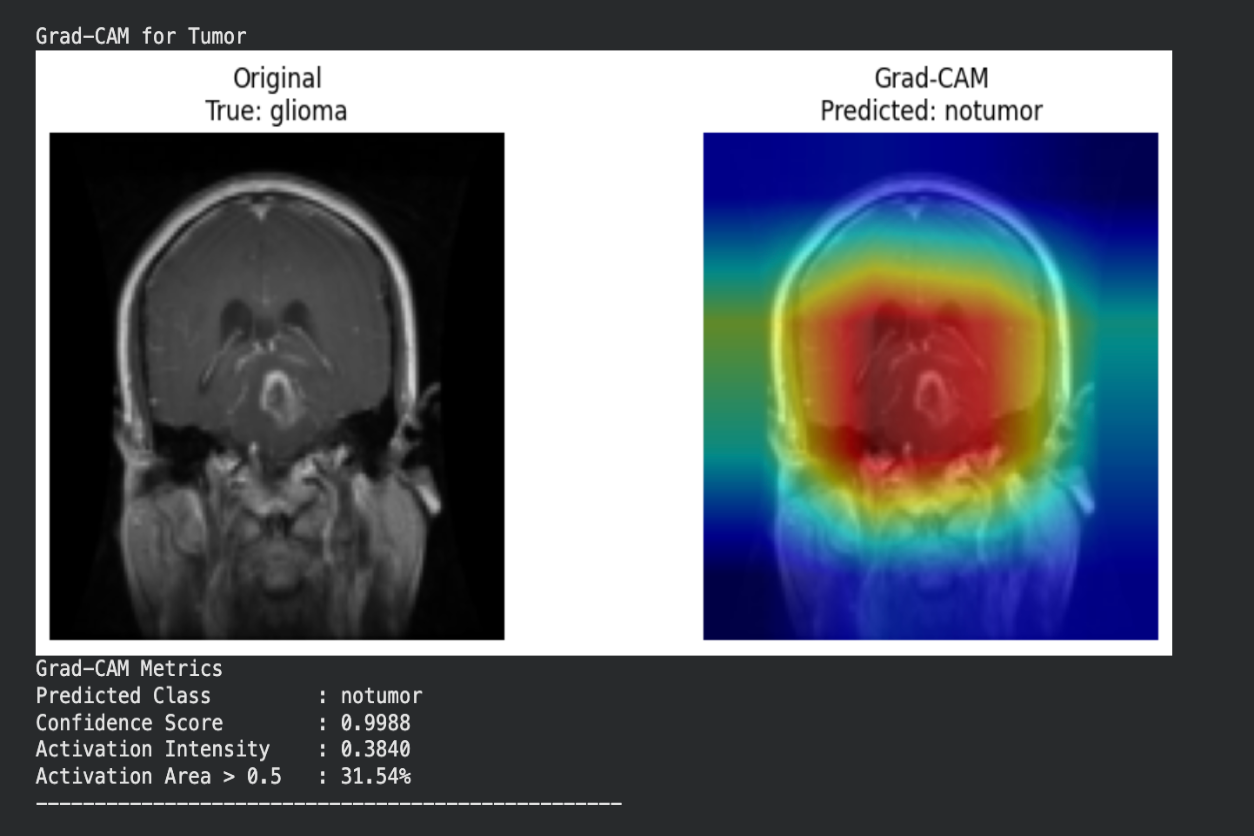
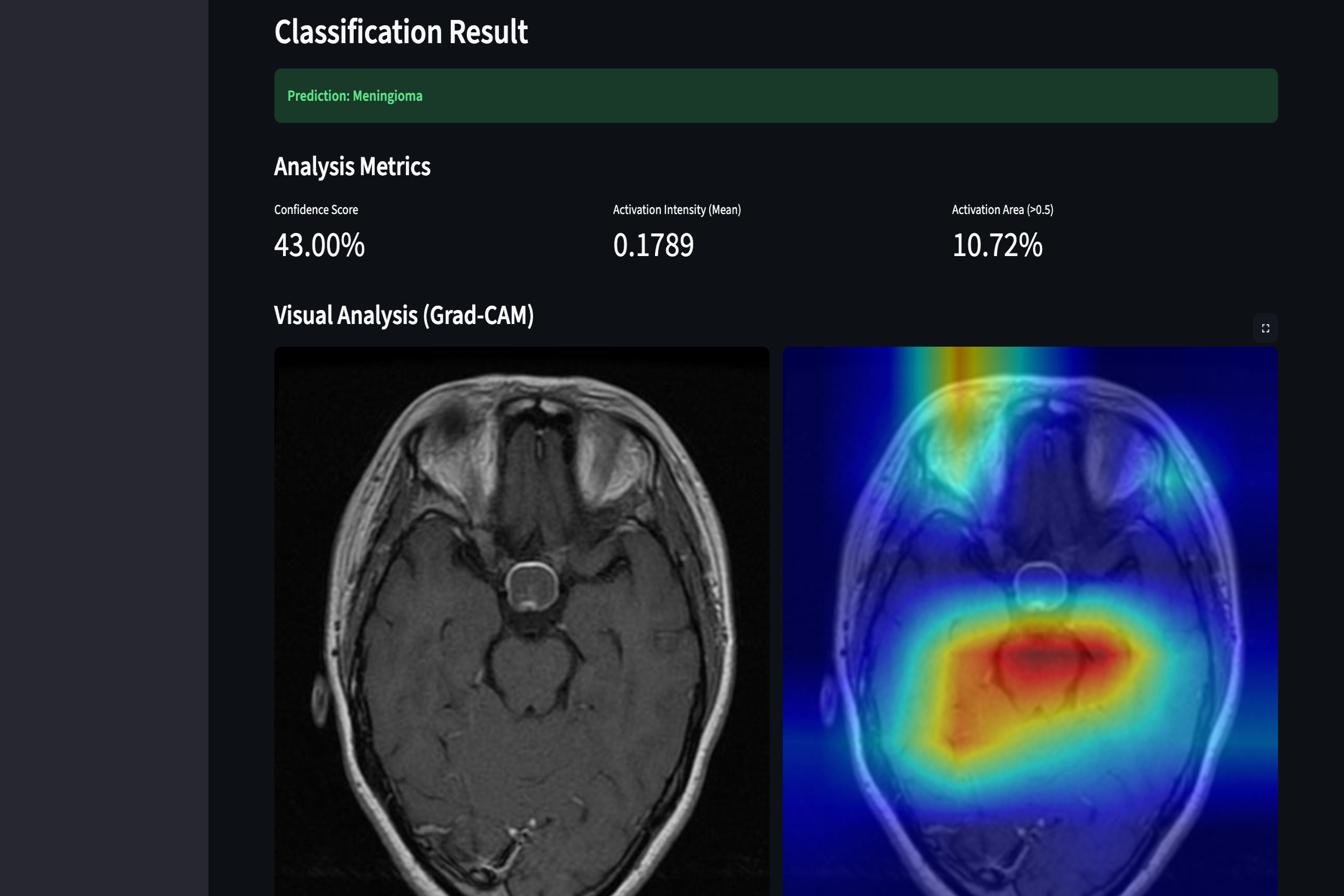
Tumor classification with Grad-CAM analysis
-
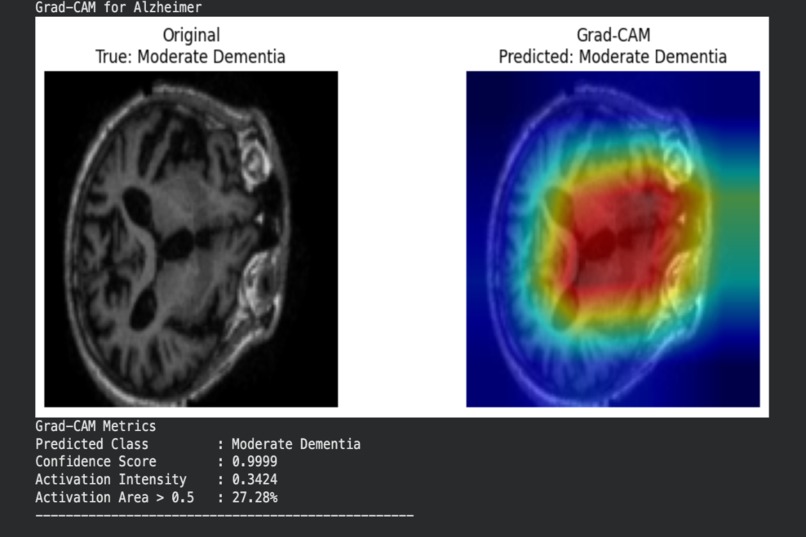
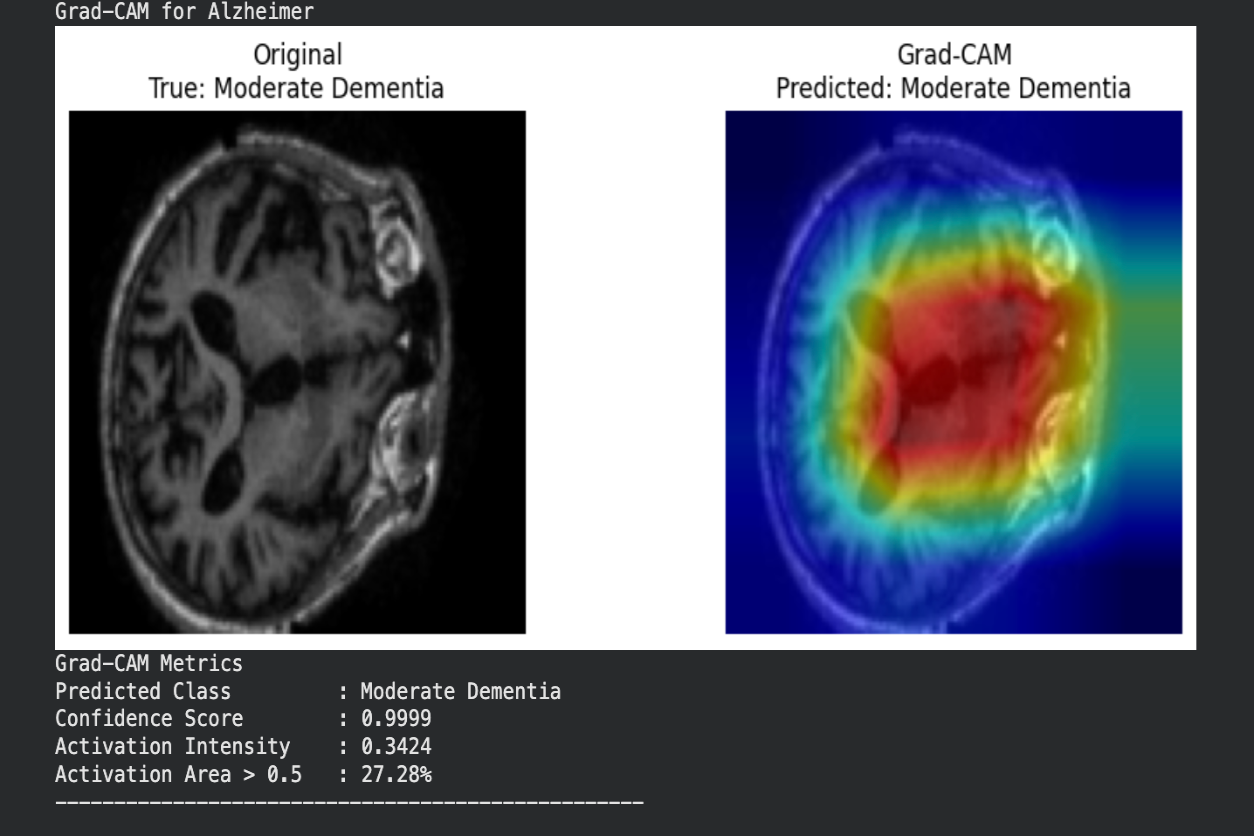
Alzheimer classification with Grad-CAM analysis
-
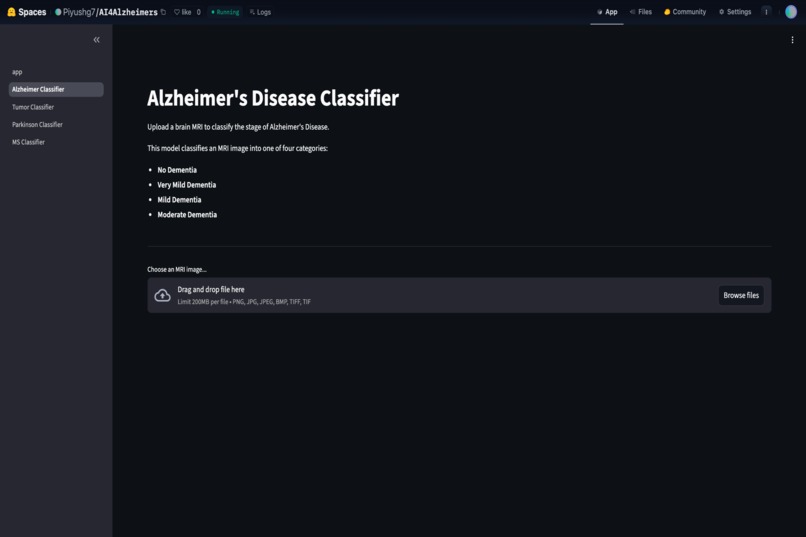
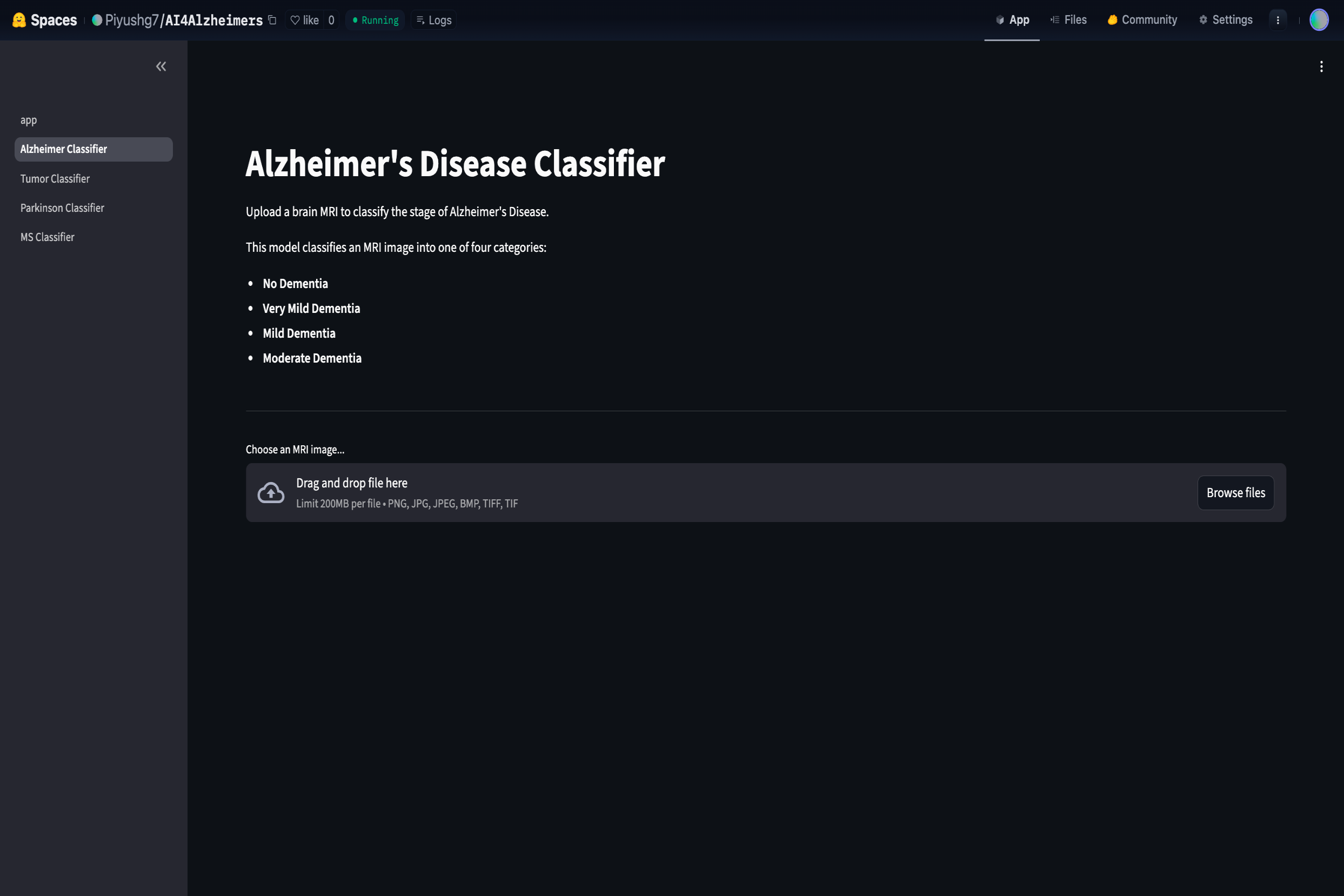
MRI upload page
-
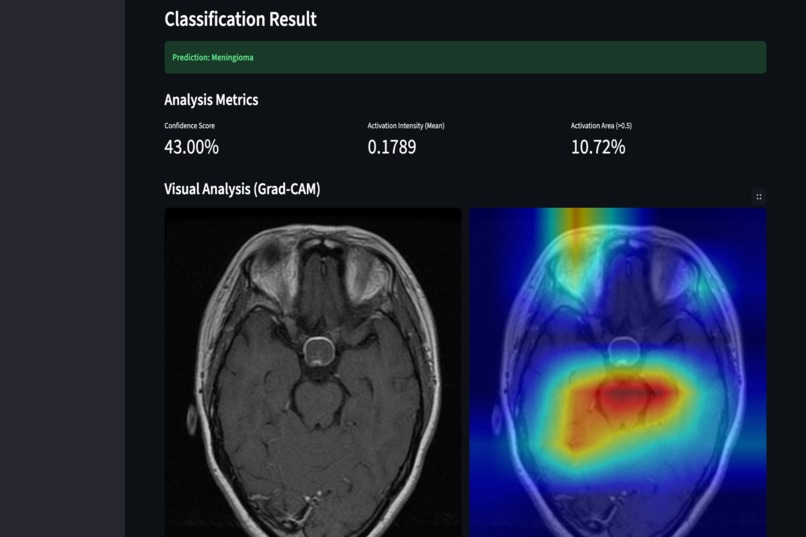
Results Webpage
-
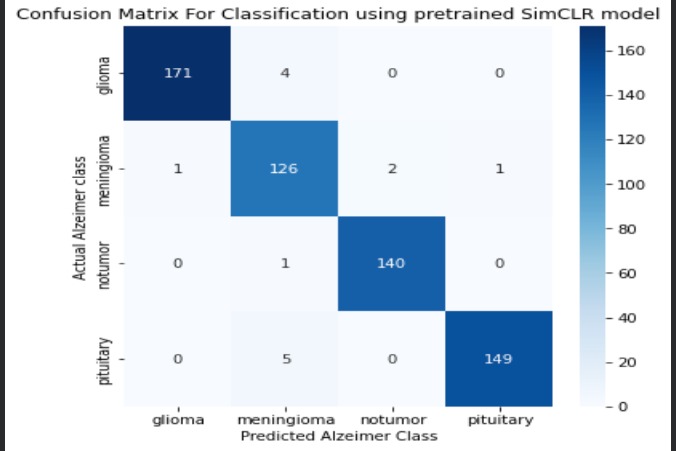
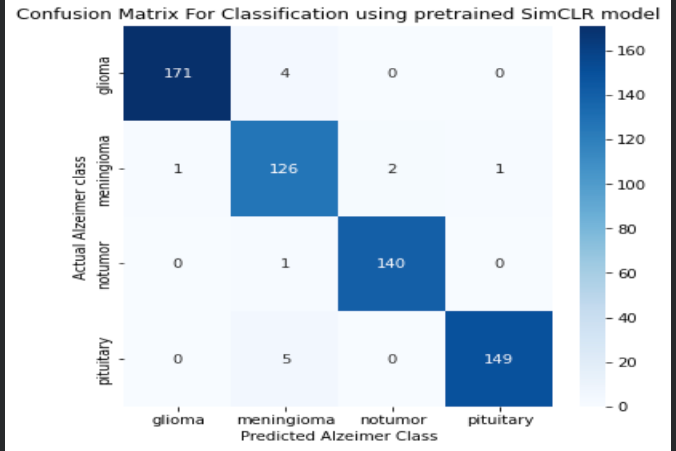
Confusion Matrix for Tumor
-
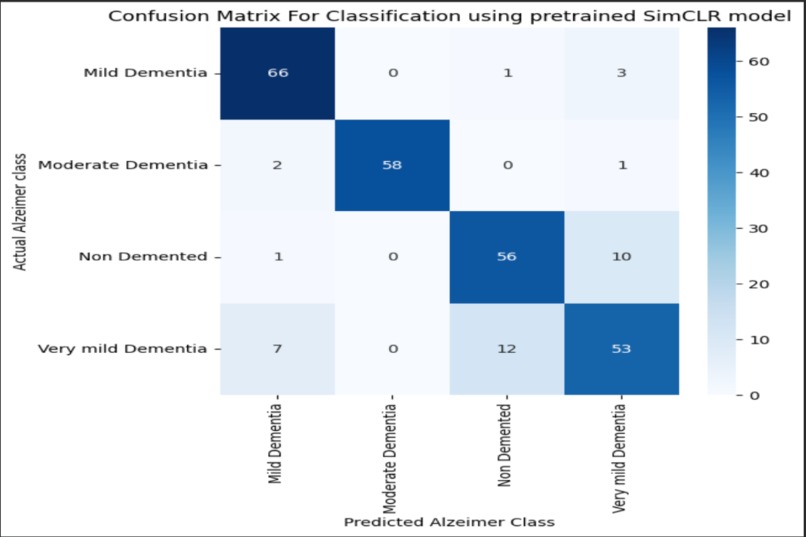
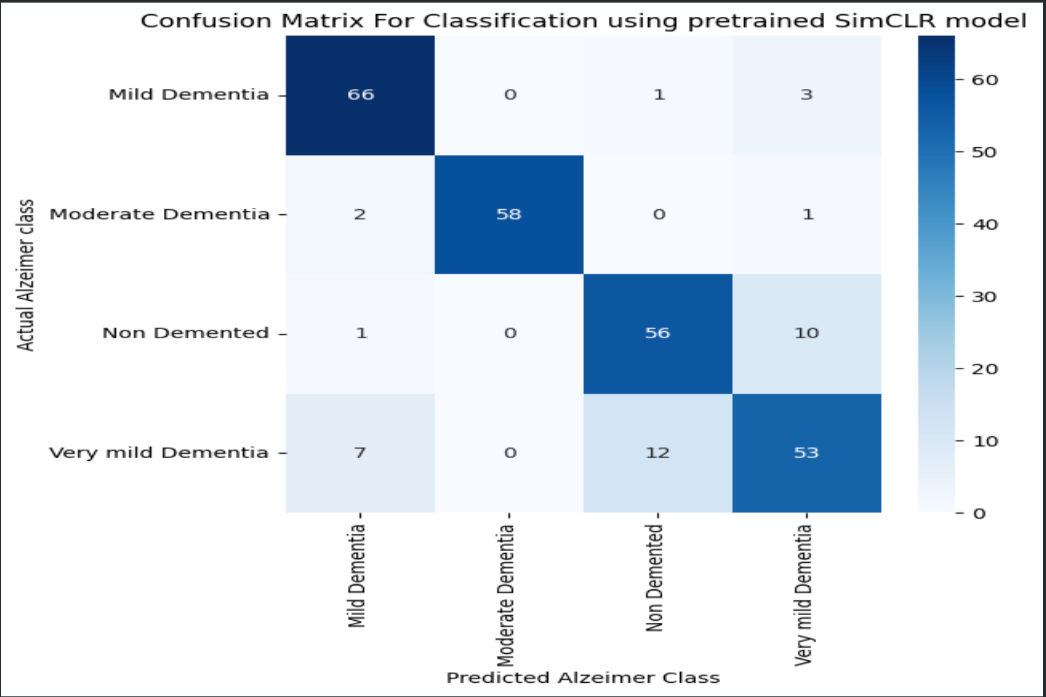
Confusion Matrix for Alzheimers
-
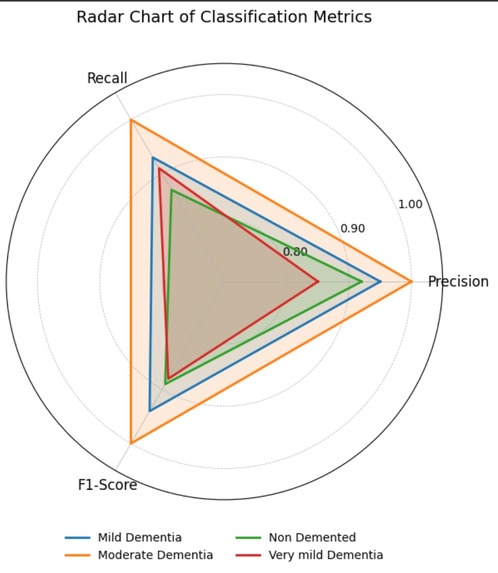
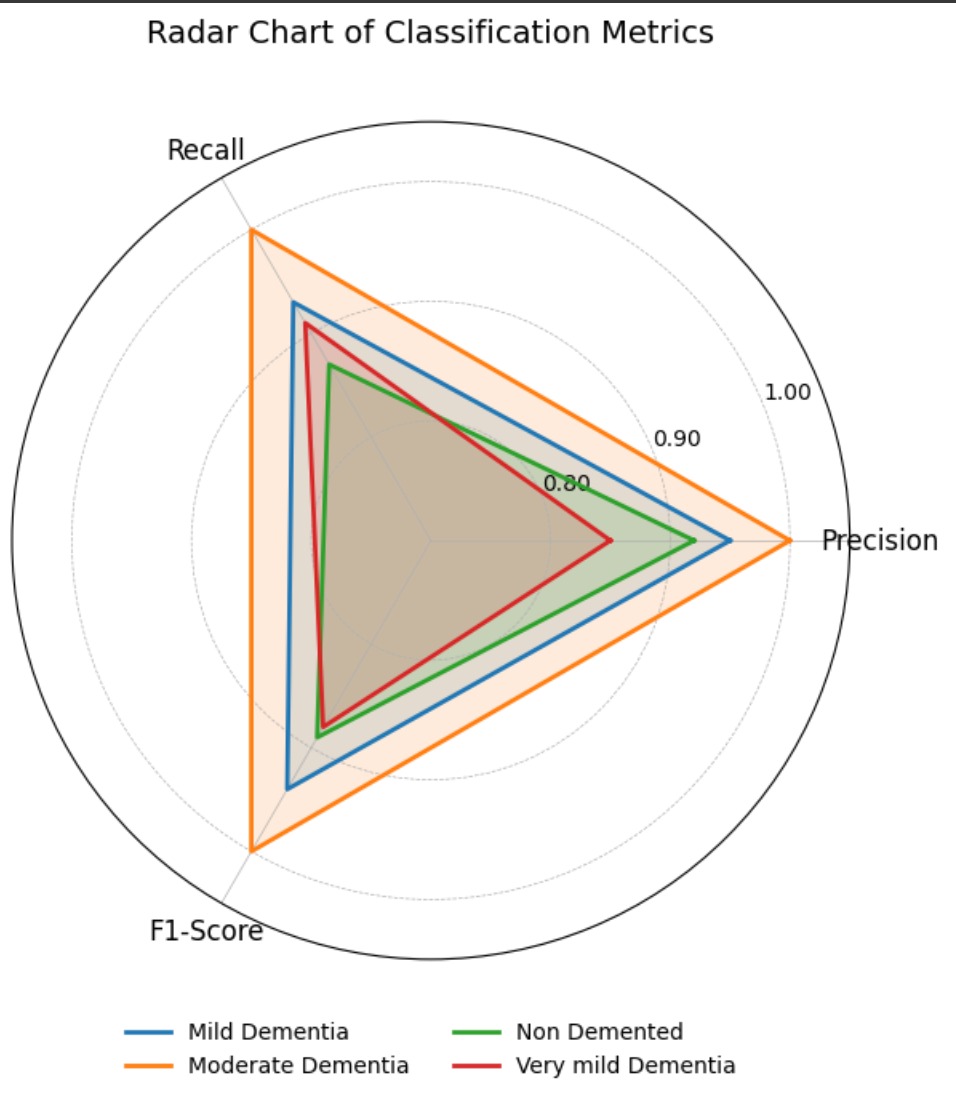
Radar chart for Metrics across different Alzheimer classes
Inspiration
Neurodegenerative diseases like Alzheimer’s affect millions of people worldwide, yet early diagnosis remains difficult due to the lack of large, well-annotated medical imaging datasets. MRI scans contain rich structural information, but labeling them requires expert clinicians, making supervised learning approaches expensive, slow, and difficult to scale.
We were inspired by a simple question: how can we leverage the vast amount of unlabeled brain MRI data to build accurate, trustworthy AI systems for brain disease analysis?
This led us to explore self-supervised learning (SSL) as a way to reduce dependency on labels while still learning meaningful, clinically relevant representations.
What it does
SSL for Alzheimer’s is a self-supervised learning framework that learns powerful representations from unlabeled brain MRI scans and uses them to classify neurological diseases with very limited labeled data.
The model is pretrained using SimCLR on large unlabeled MRI datasets and then fine-tuned to:
- Classify Alzheimer’s disease into four stages
- Detect brain tumors
- Identify Parkinson’s disease
- Classify multiple sclerosis
To improve trust and transparency, the system also generates Grad-CAM visualizations that highlight which regions of the brain influenced each prediction.
How we built it
- Collected and preprocessed large-scale unlabeled brain MRI slices
- Designed medically safe data augmentations to preserve anatomical features
- Implemented SimCLR with a from-scratch developed ResNet-50 backbone for self-supervised pretraining
- Fine-tuned the pretrained encoder using very small labeled datasets (as few as 450 images per class)
- Integrated Grad-CAM for visual explanations and added quantitative explainability metrics
- Evaluated performance across multiple brain disease classification tasks
All experiments were implemented in PyTorch and executed through a single reproducible notebook.
Challenges we ran into
- Adapting self-supervised learning techniques to medical imaging without destroying clinically important information
- Designing augmentations that improve representation learning while preserving diagnostic signals
- Handling class imbalance and limited labeled samples
- Ensuring model interpretability aligned with known neurological patterns
- Balancing model accuracy with computational efficiency for real-world feasibility
Accomplishments that we're proud of
- Achieved strong performance using minimal labeled data across multiple brain diseases
- Demonstrated that SSL representations generalize across neurological conditions
- Outperformed a fully supervised baseline in low-label settings
- Integrated explainability tools that provide clinically meaningful insights
- Built a scalable, data-efficient pipeline suitable for real-world medical imaging scenarios
What we learned
- Self-supervised learning is highly effective for medical imaging tasks where labeled data is scarce
- Representation quality matters more than model complexity in low-label regimes
- Explainability is critical for trust in healthcare AI systems
- Medical AI requires careful engineering choices beyond standard computer vision pipelines
- Research-driven methods can be successfully adapted into practical, hackathon-ready solutions
What's next for SSL for Alzheimers
- Extend the framework to additional neurological and neurodegenerative diseases
- Incorporate longitudinal MRI data to model disease progression
- Explore other SSL techniques such as masked autoencoders
- Improve clinical validation with multi-institutional datasets
- Integrate the model into clinician-facing tools for real-time decision support using RAG


Log in or sign up for Devpost to join the conversation.