-
-
a mobility hub with infinite applications
-
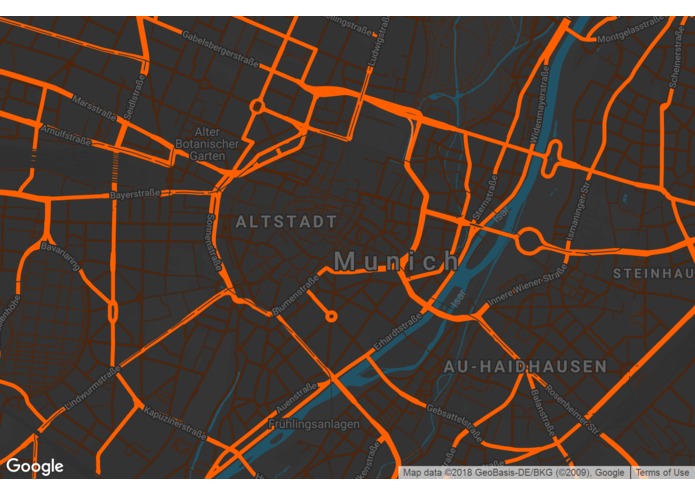
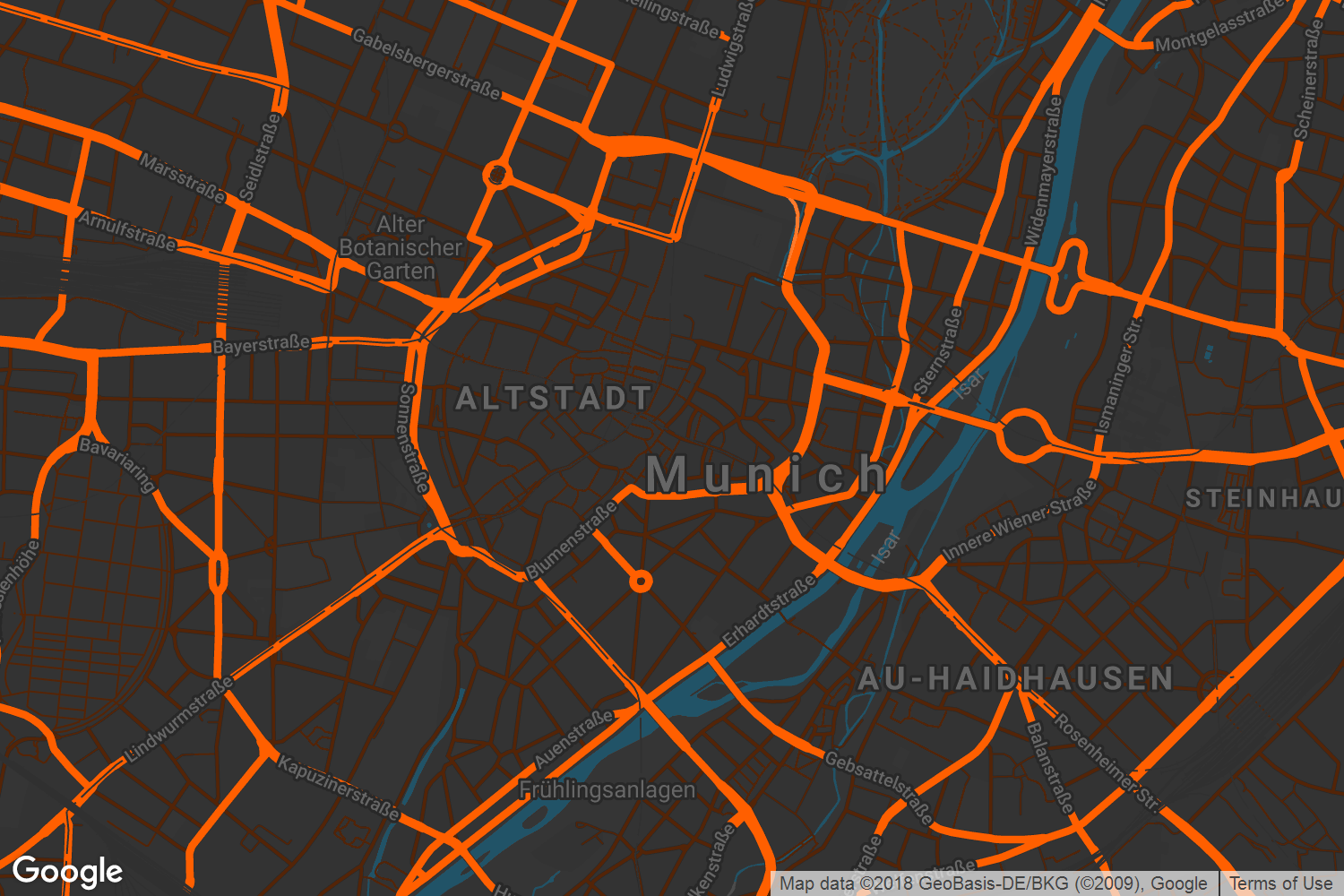
munich city map to display rental objects in custom style
-
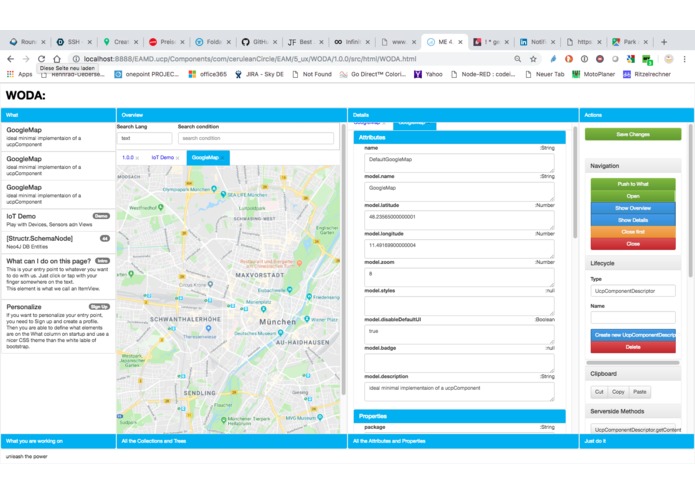
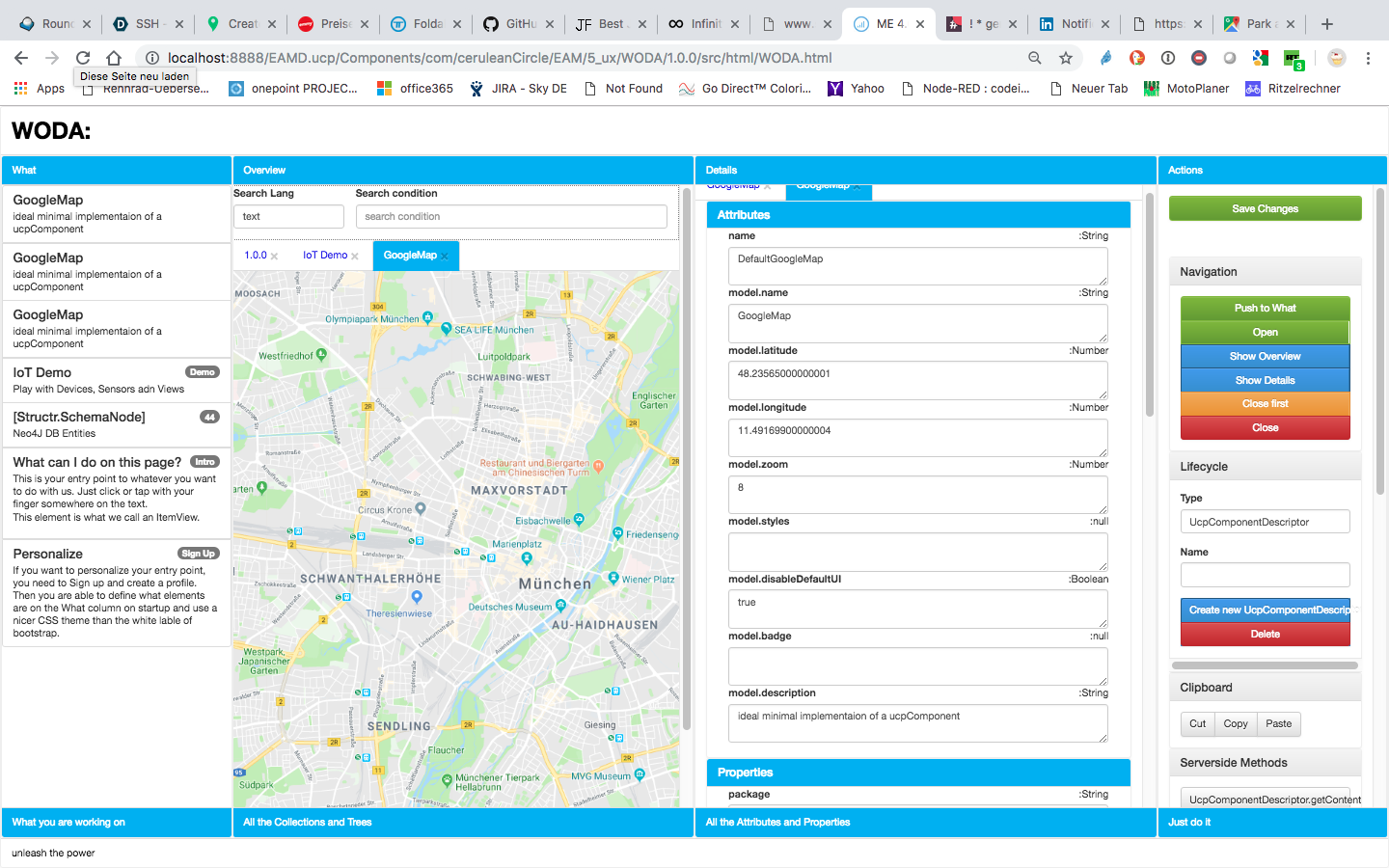
the WODA environment for rapid development
Inspiration
Sixt wants to integrate other mobility providers on their platform. They will have to deal with lots of different APIs and vehicles. We architected and built a service platform to cope with these challenges.
What it does
The Service Hub allows you to integrate and manage other vehicle fleets from other owners, with other APIs under one comprehensive management GUI. You can track, search all vehicles and thus optimize your service.
How I built it
almost half of the available time we spent developing a suitable architecture, then built on our preferred framework using object oriented JavaScript (aka Thinglish). We were lucky to have both front-end and back-end engineers in our team and received immediate help from the Sixt team whenever we needed it.
Challenges I ran into
working with ISO time stamps is always a bit of a challenge in _ JavaScript _, but we found a good solution. Under a bit of time pressure, we had to skip the route optimization and the security is also not quite suitable for rollout.
Accomplishments that I'm proud of
I am really proud of our team and what we accomplished in such a short amount of time. Getting the app to work with drag and drop, accessing all the different data sources, despite the sometimes strange format in which the data were delivered.
What I learned
We gained valuable insight into the Sixt REST interfaces and design of their current service platform. We also found that the data interfaces of some other providers are not as mature.
What's next for SSH - Sixt Service Hub
After a discussion about some realistic use cases, we can add optimizations for real business cases. The framework is not limited to vehicles, so this could be a longer discussion ...
Built With
- css
- google-maps
- javascript
- json
- rest
- sixt-apis
- woda


Log in or sign up for Devpost to join the conversation.