-
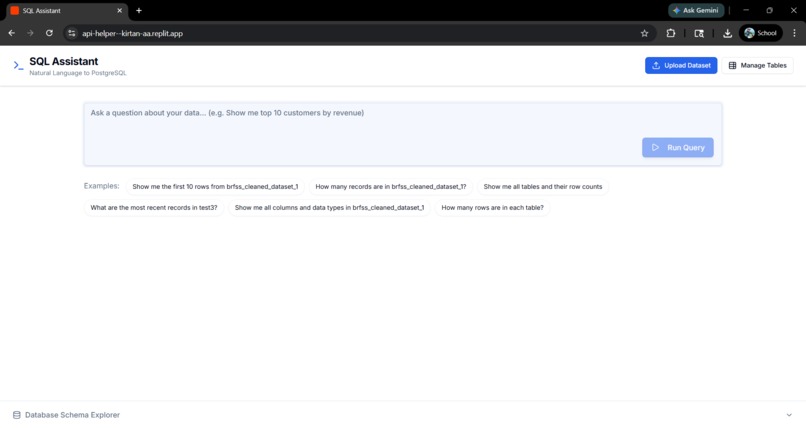
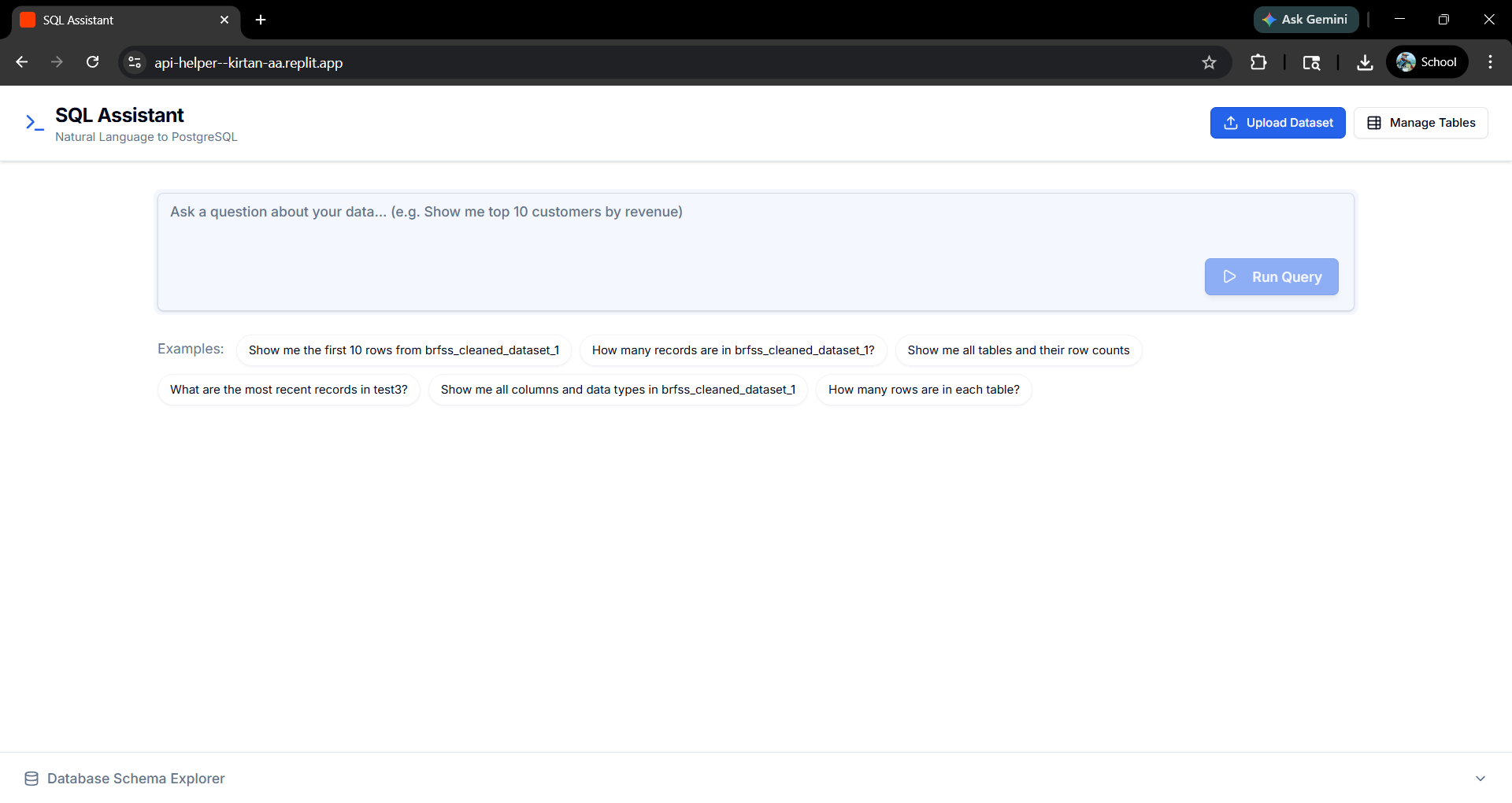
This is how our web app looks like
-
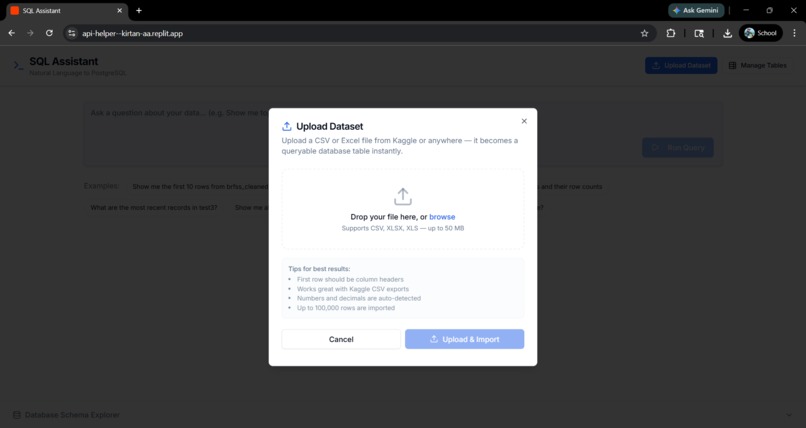
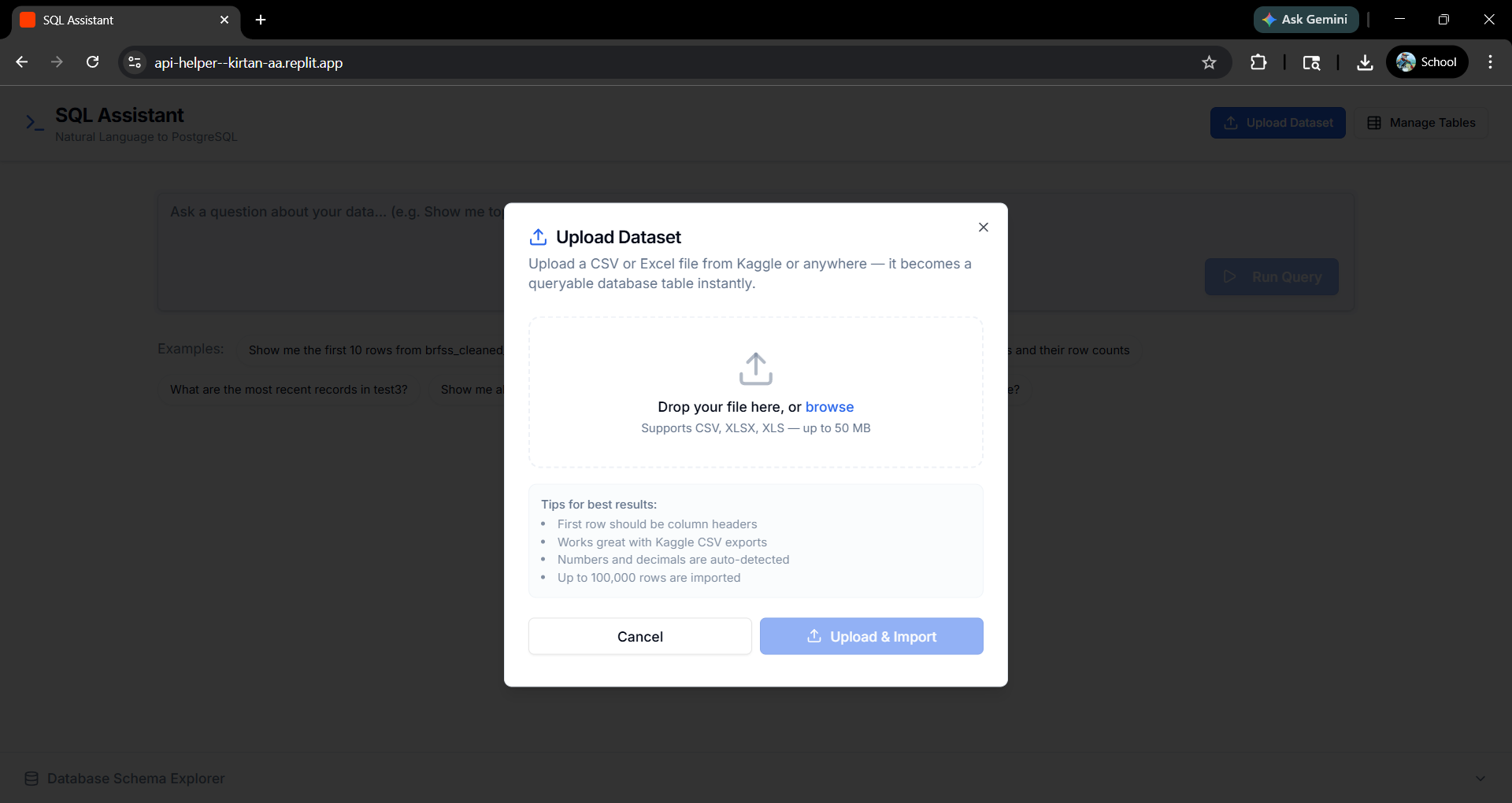
Here we need to upload dataset
-
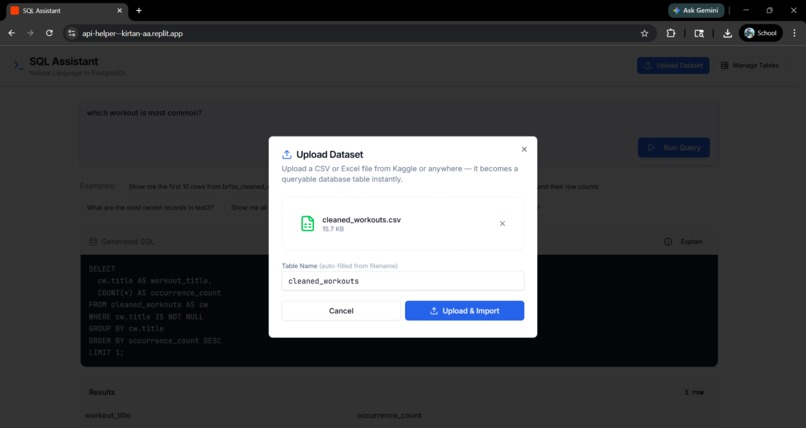
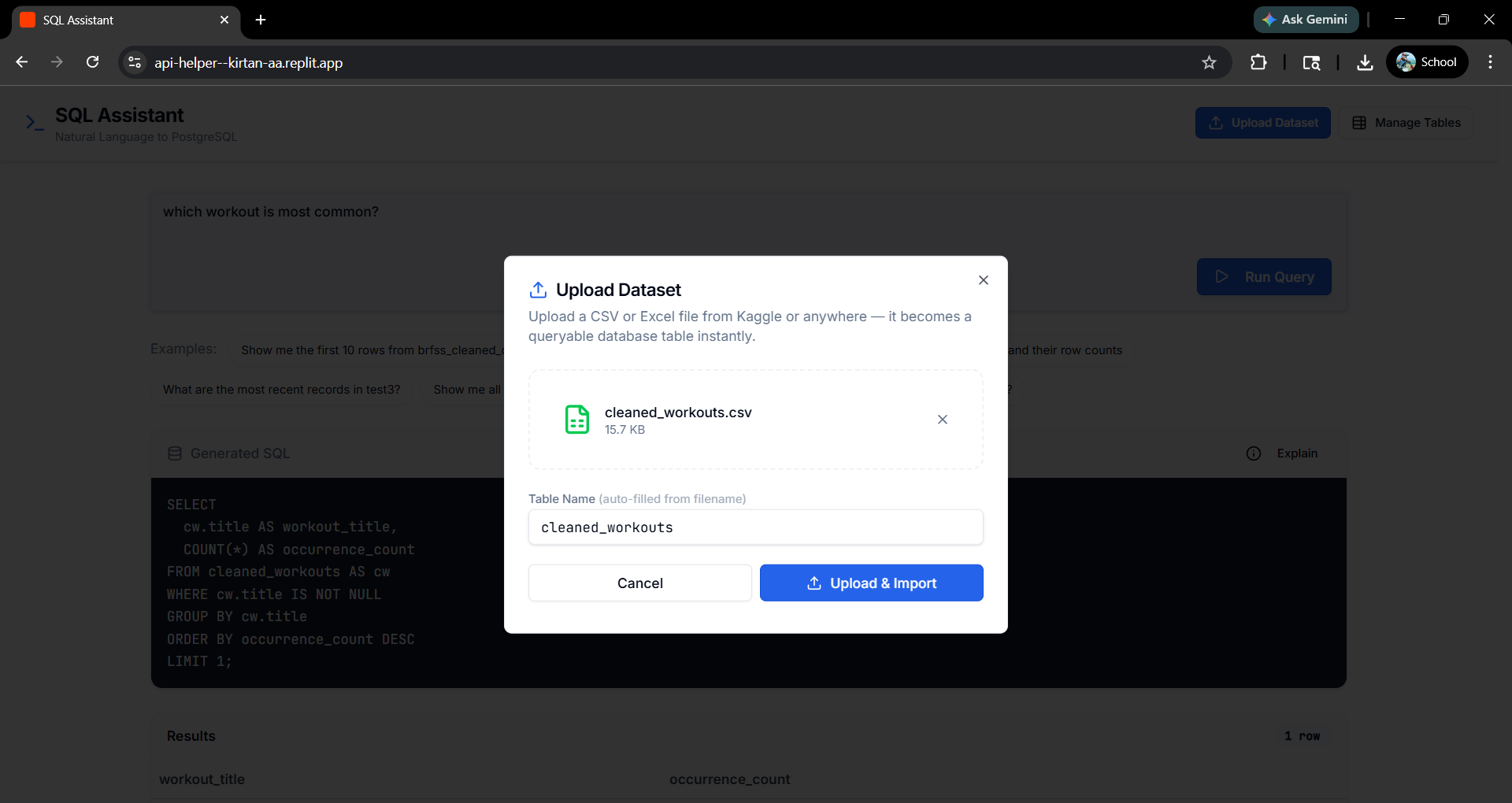
Upload a dataset here
-

Write the prompt here to see the output
-
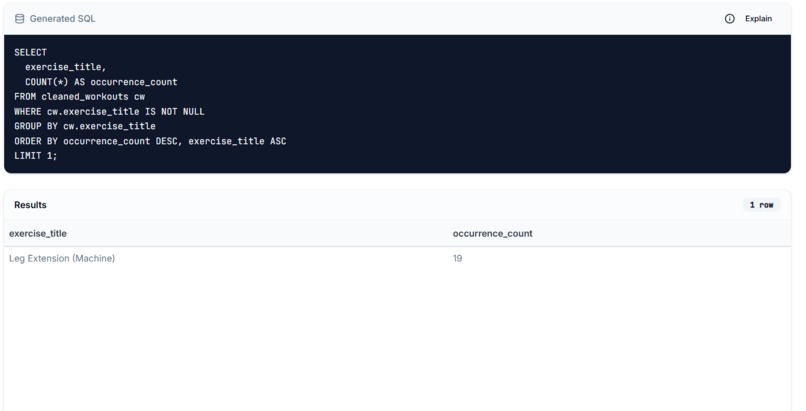
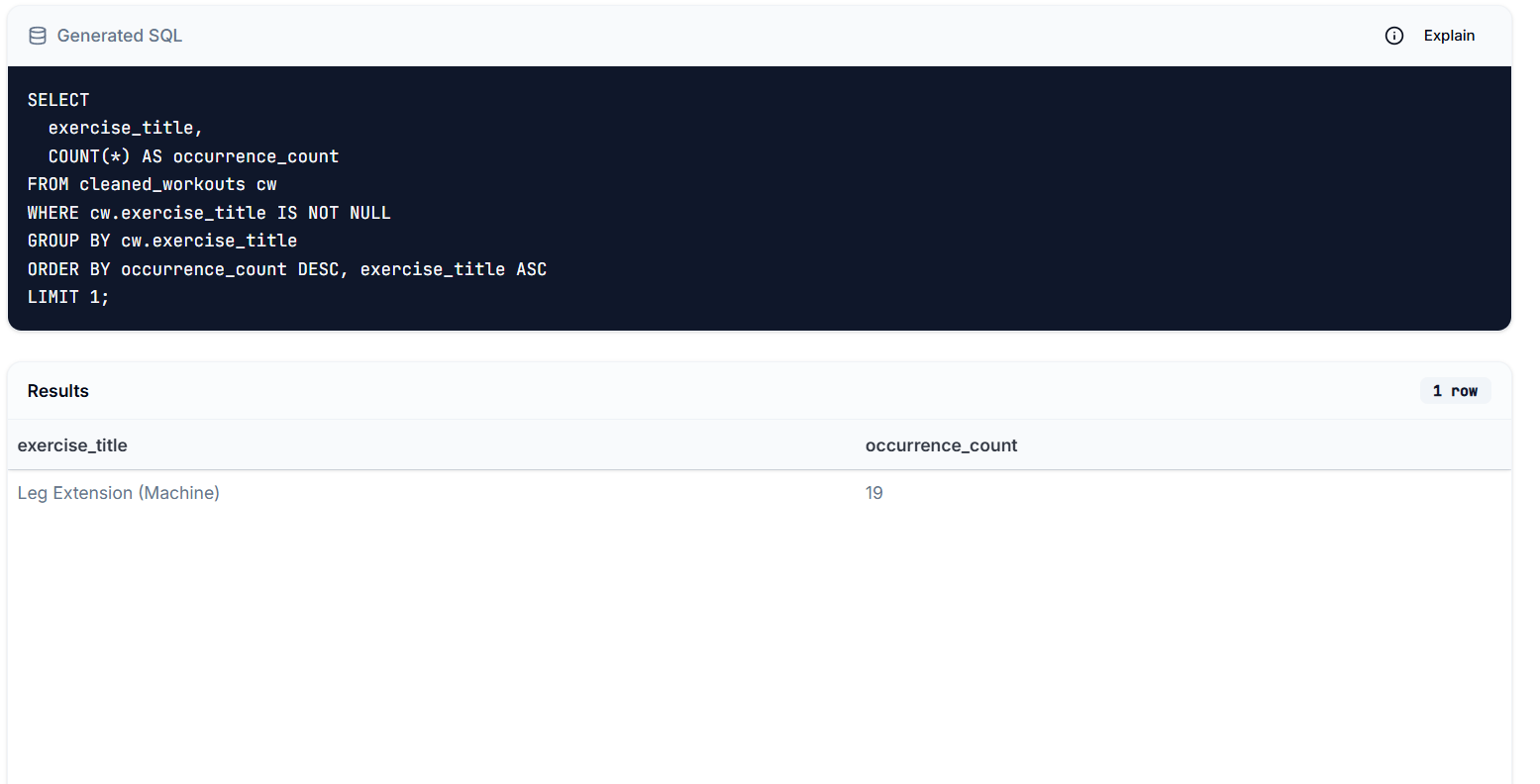
Output

Inspiration
The project was inspired by the growing complexity of data management and the technical barrier it creates for non-developers. The team wanted to bridge the gap between human intent and machine execution, allowing anyone—regardless of their SQL knowledge—to interact with databases using natural language. It draws from modern text-to-SQL research where AI acts as a translator for structured data.
What it does
SQL-Assistant is an AI-powered tool that converts plain English prompts into valid SQL queries. Users can type a request like "Find the top 5 customers by total spend," and the application generates the corresponding SELECT statement. It serves as both a learning tool for beginners and a productivity booster for experienced developers who want to draft queries quickly.
How we built it
The project was built using a modern web stack:
- Backend: Node.js/Python was used to handle the API logic.
- AI Integration: The core functionality relies on Large Language Models (LLMs) accessed via API to interpret natural language and map it to SQL syntax.
- Frontend: A clean interface allows for easy prompt entry and clear display of the generated SQL code.
- Hosting: The live environment was deployed using Replit for fast accessibility.
Challenges we ran into
One of the primary challenges was ensuring the AI understood the "schema context"—knowing which tables and columns exist to avoid generating hallucinations. Another hurdle was handling complex SQL operations like nested joins and subqueries, which require precise prompting and error handling to ensure the output is syntactically correct.
Accomplishments that we're proud of
We successfully created a functional end-to-end pipeline where a user can input a thought and receive a production-ready query in seconds. Achieving a live, working demo that provides immediate value to users was a significant milestone, alongside implementing a clean and intuitive user interface.
What we learned
The development process provided deep insights into "prompt engineering" and how to structure instructions for AI models to get the most accurate code output. We also gained experience in integrating LLMs into web applications and managing the security implications of automated query generation.
What's next for SQL-Assistant
Future updates involve adding "Schema Awareness," where users can upload their own database schema so the AI can generate queries specific to their data. We also plan to include a "Query Execution" feature, allowing users to run the generated SQL directly against a connected database and see the results in real-time.

Log in or sign up for Devpost to join the conversation.