Inspiration
Landscape designers often receive project information through scattered messages, reference images, sketches, files, site notes, and verbal instructions. Important requirements can be lost, misunderstood, or silently changed as the project moves through design and revisions.
SPS Design DNA was created to turn that scattered intake into a structured, traceable source of truth.
What it does
SPS Design DNA is an evidence-first system for landscape design projects.
It allows project evidence to be collected, reviewed, classified, and sealed into an immutable snapshot. That snapshot can then be transformed into a structured Design DNA containing:
- existing site conditions
- requested changes
- items that must be preserved
- items to remove or add
- material and style direction
- planting direction
- functional requirements
- assumptions, unknowns, and conflicts
- adaptive follow-up questions
- evidence citations for important claims
The system prevents unsupported AI statements from silently becoming project facts. Generated claims must either cite verified evidence or be clearly marked as assumptions or suggestions requiring confirmation.
How it works
- A project intake session collects notes and evidence.
- Evidence is reviewed and classified.
- Approved evidence is sealed into an immutable snapshot.
- Canonical JSON and SHA-256 hashes protect snapshot integrity.
- A provider-neutral Design DNA generation request is created.
- Temporary AI references are replaced with trusted server-generated identities.
- The generated payload is validated against strict provenance, citation, structure, and safety rules.
- A successful result is stored atomically as an immutable Design DNA candidate.
- Generation attempts move through controlled queued, running, succeeded, failed, or invalid states.
How we built it
I built the project as an isolated Laravel backend using PHP, MySQL-compatible persistence, Eloquent models, canonical JSON, SHA-256 integrity verification, immutable records, database transactions, and extensive automated testing.
OpenAI Codex was used as a development partner for:
- architecture exploration
- repository inspection
- implementation planning
- writing narrowly scoped services
- generating and strengthening tests
- Git workflows
- validation and refactoring
The project currently includes services for evidence intake, evidence review, immutable snapshot sealing, snapshot verification, generation-attempt queuing, trusted identity assembly, atomic generation completion, and lifecycle transitions.
Challenges we ran into
The main challenge was not simply generating text with AI. It was deciding what information the system could trust.
Accomplishments that we're proud of
- Immutable, versioned evidence snapshots
- Canonical JSON and SHA-256 integrity verification
- Evidence-linked Design DNA claims
- Strict generated-payload validation
- Trusted server-generated claim and question identities
- Atomic immutable candidate creation
- Controlled generation lifecycle transitions
- Provider-neutral architecture
- More than 600 compatibility tests passing across the completed backend workflow
What we learned
I learned that reliable AI systems need more than good prompts. They need evidence boundaries, identity control, transaction safety, provenance, validation, and clear separation between human facts and machine interpretation.
Codex was especially useful for navigating a large implementation safely, but the best results came from defining narrow milestones, explicit contracts, exact tests, and strict repository boundaries.
What's next for SPS Design DNA
- connecting an OpenAI provider adapter
- building the guided project-intake interface
- displaying evidence-linked Design DNA claims and adaptive questions
- adding designer review and client confirmation
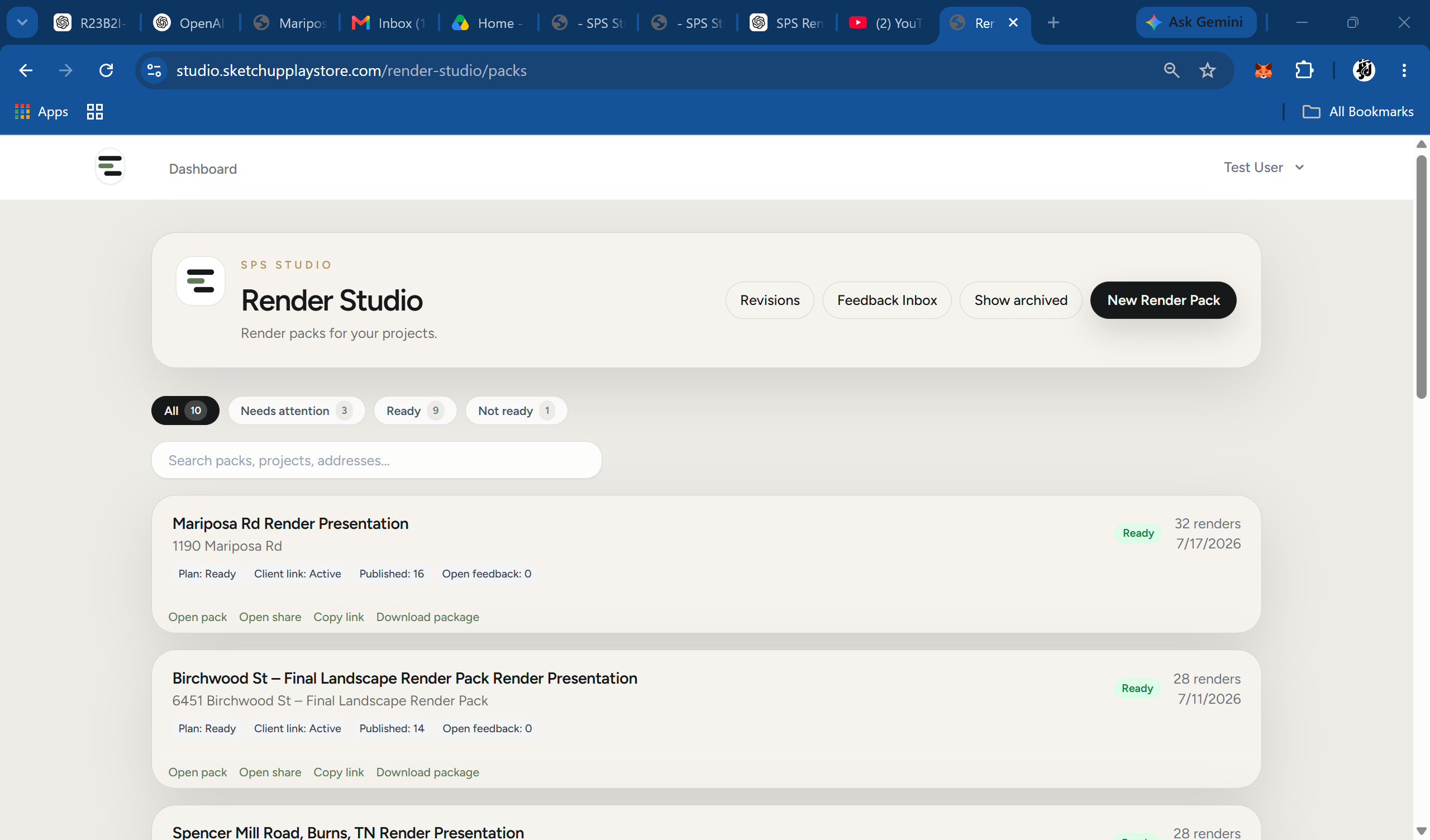
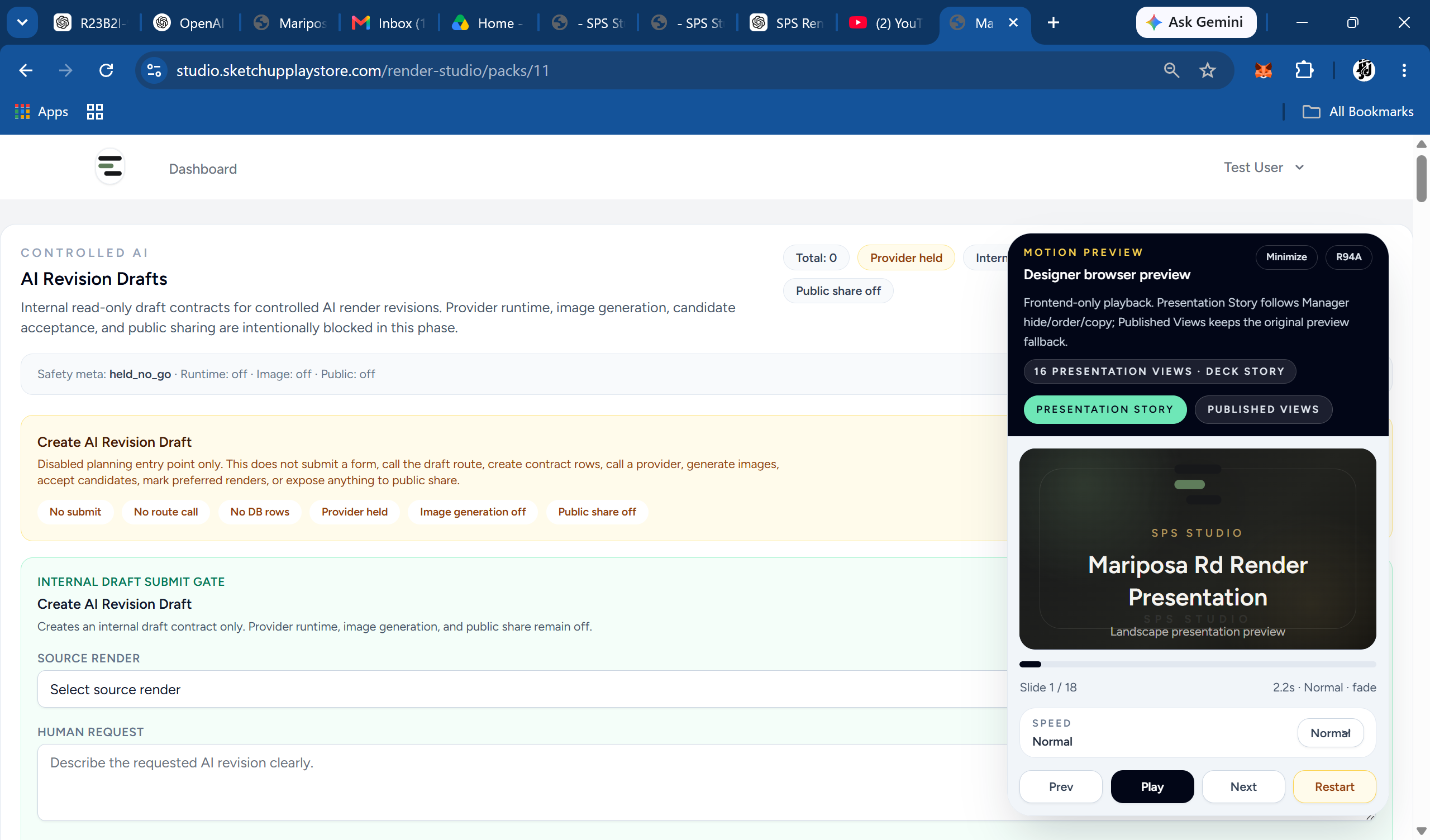
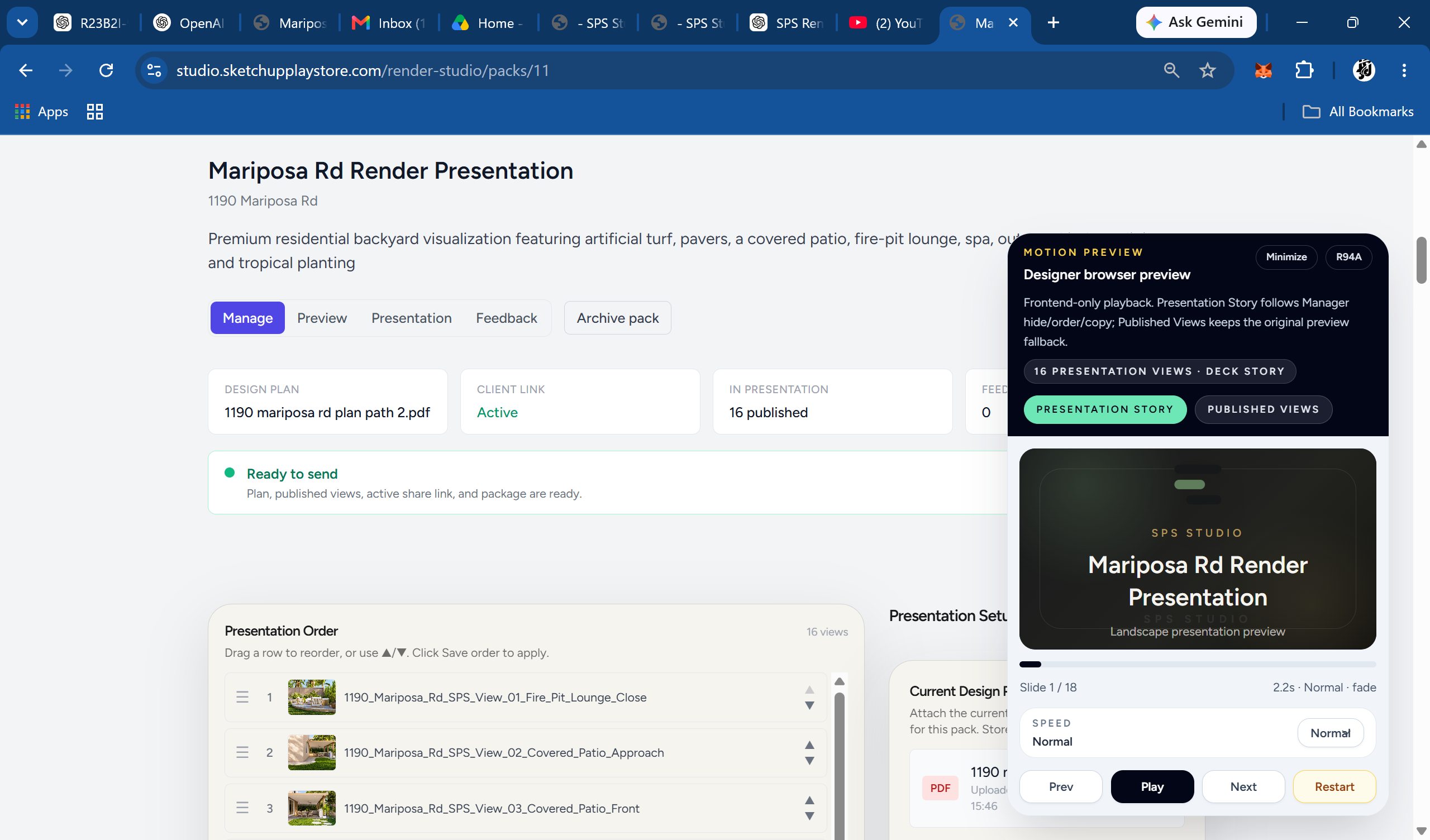
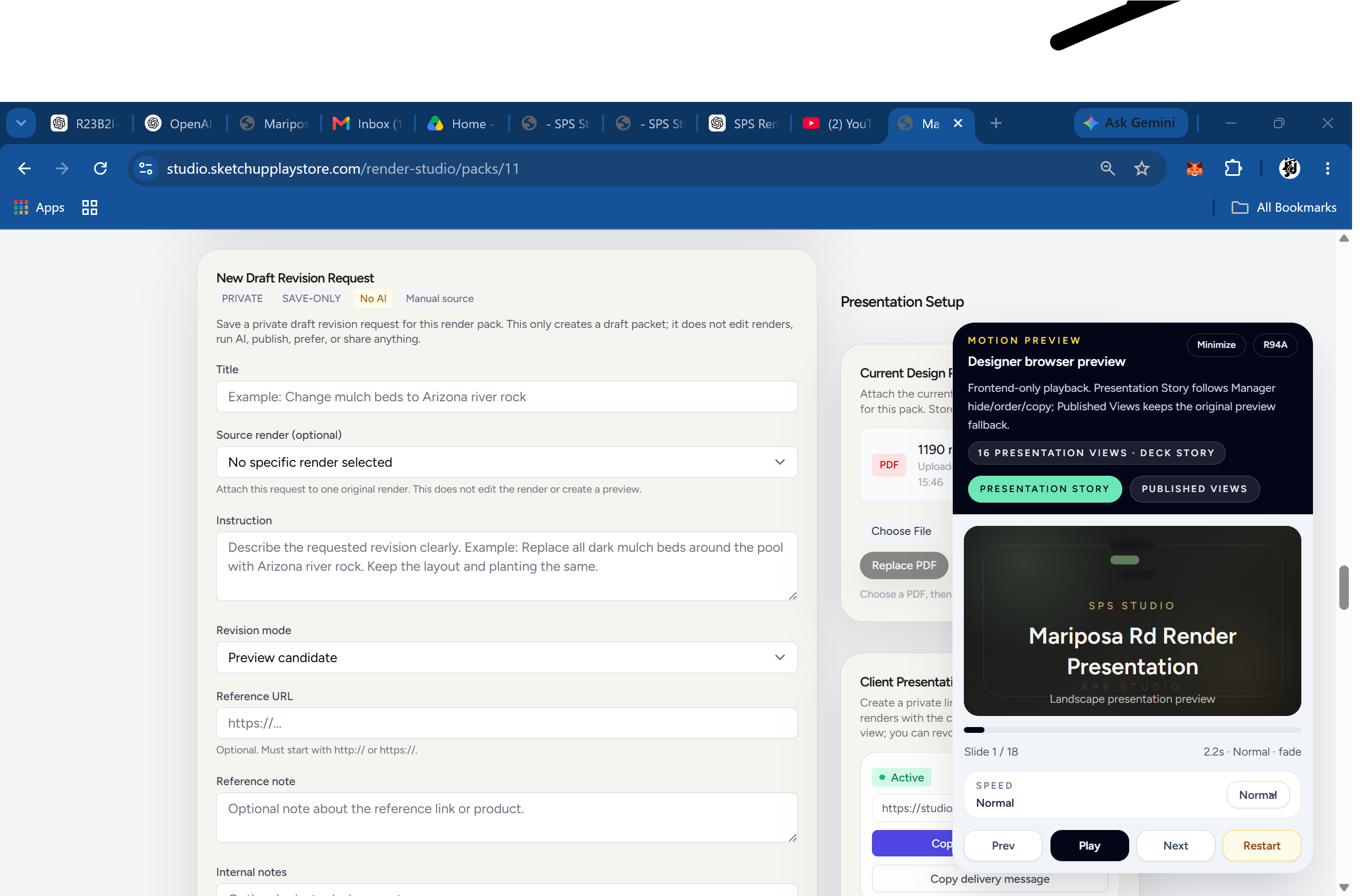
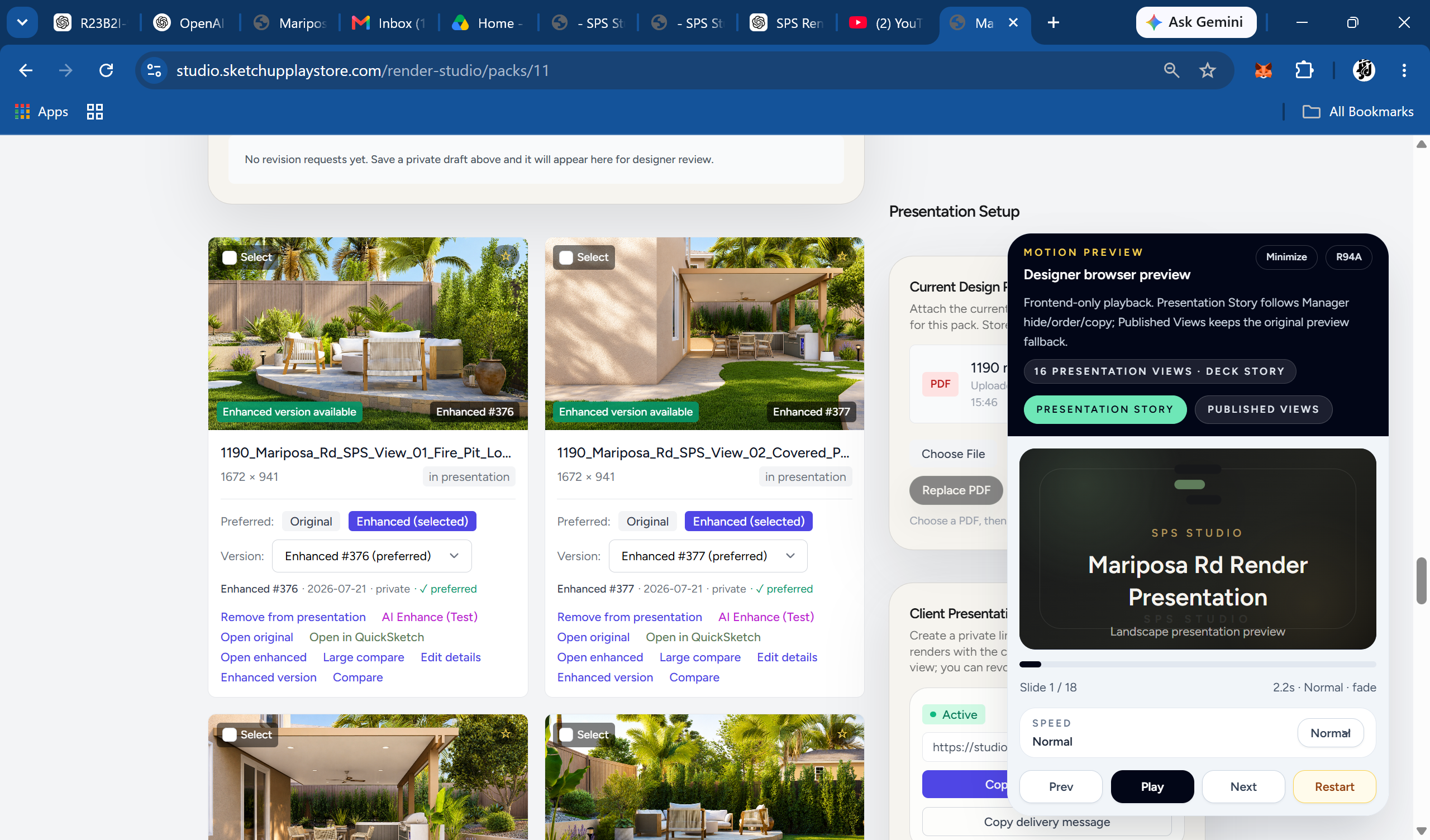
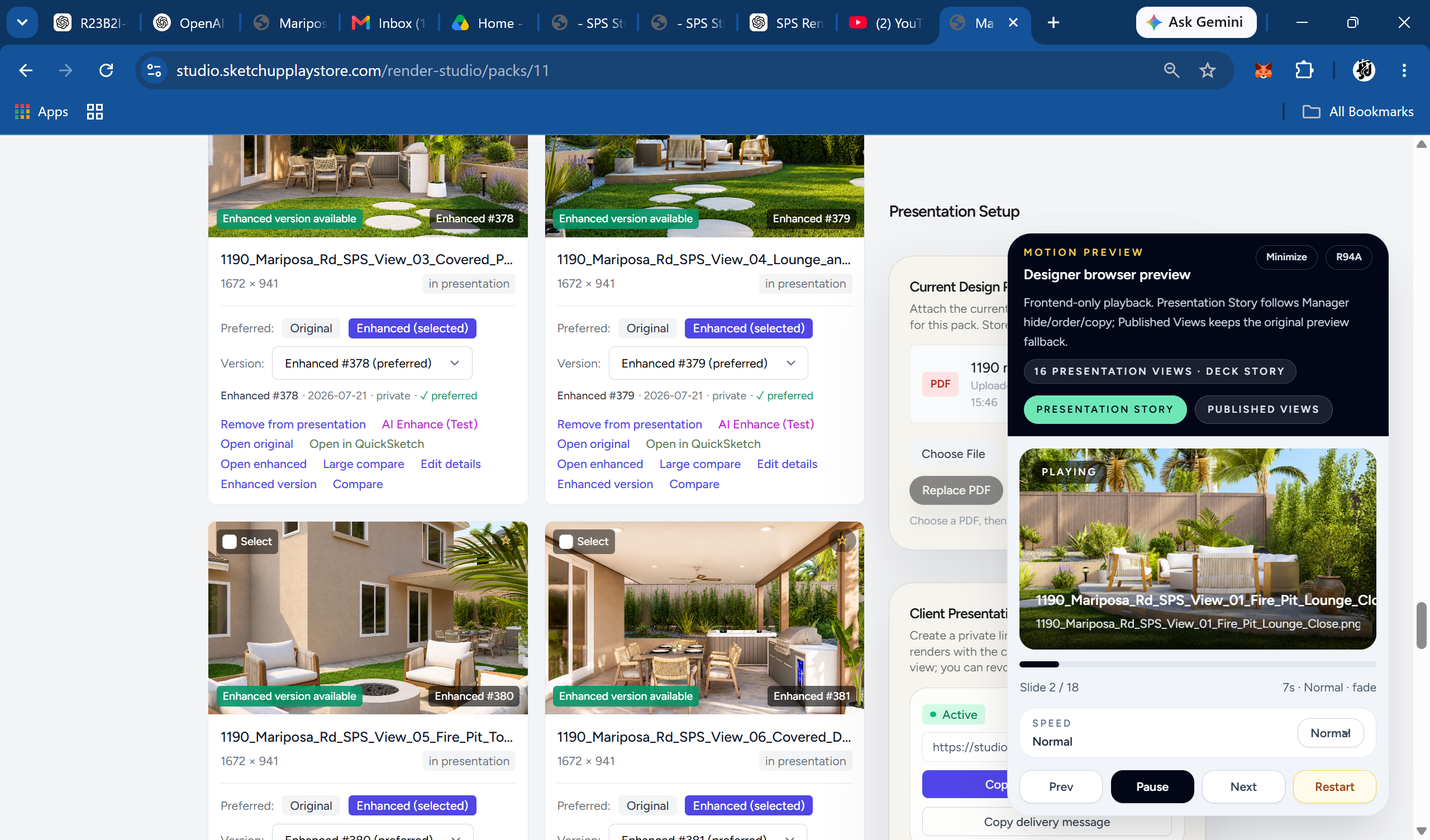
- integrating Design DNA with SPS presentation and visualization workflows
- expanding the system into a daily landscape-design production tool

Log in or sign up for Devpost to join the conversation.