






Github
Vercel Site
Inspiration
As COVID came to an end and social distancing laws were lifted, many aspects of our daily lives returned to the way they were before. However, even though the pandemic is over, it does not mean that there are no remnants remaining from it. This is especially evident in young children who missed out on two years' worth of important developmental stages in their lives, during which they are typically taught social skills and conflict resolution. This project is inspired by our younger siblings, nieces, nephews, and other children in our lives who now struggle with social problem-solving and interaction. We hope that our project, utilizing AI, can provide an accessible way for children learn how to make friends in the real world as our future takes another step further into technology.
What it does
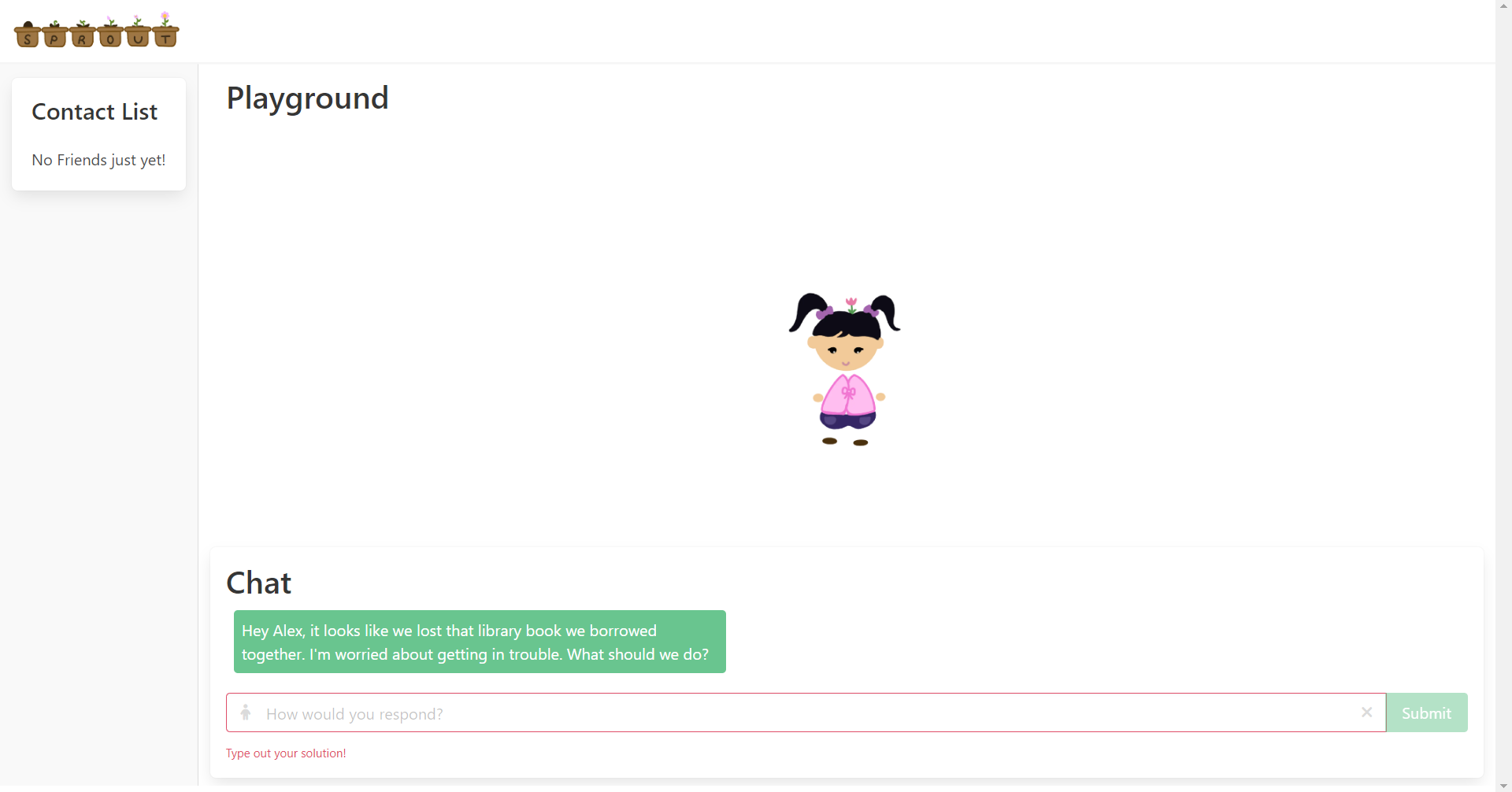
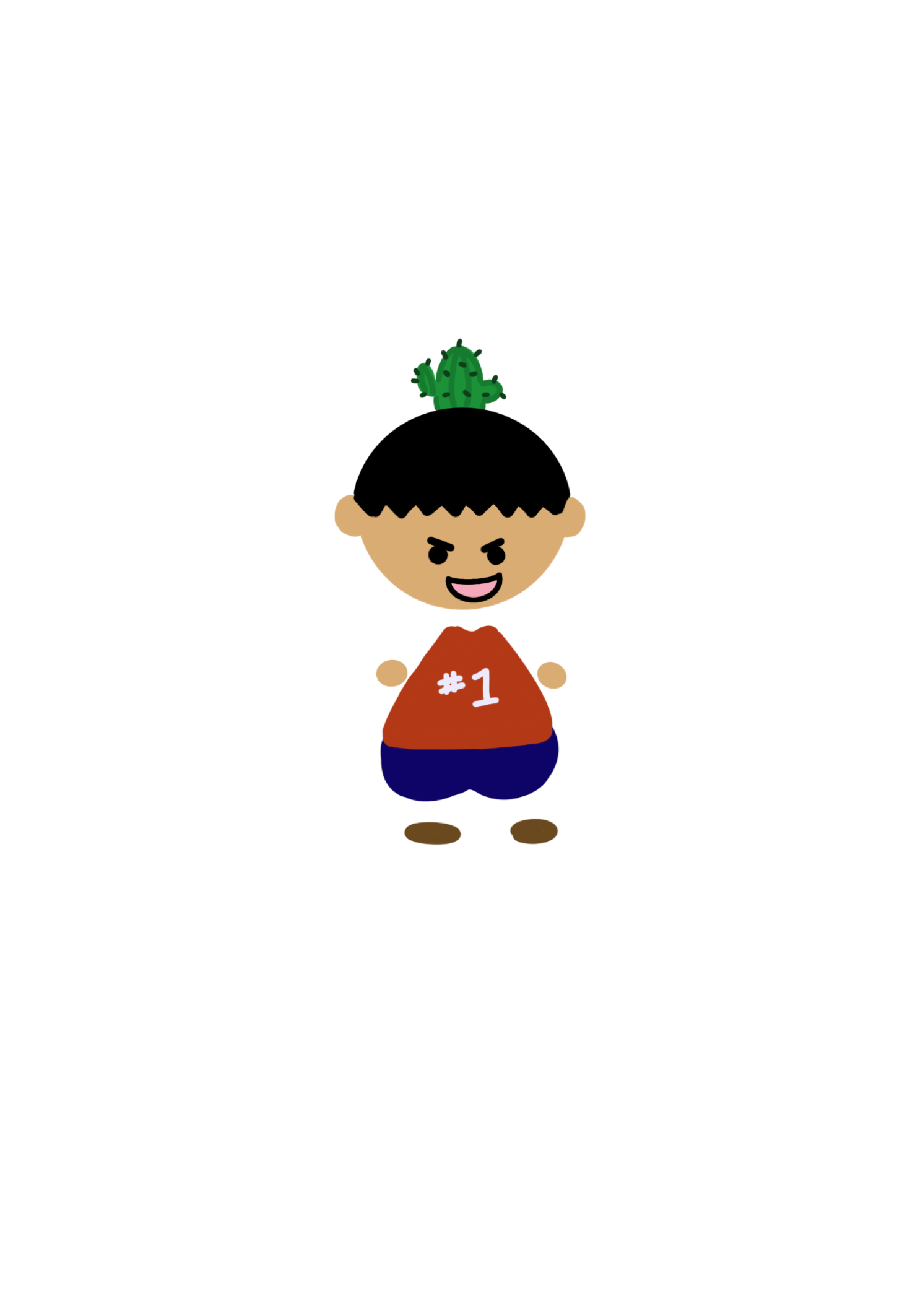
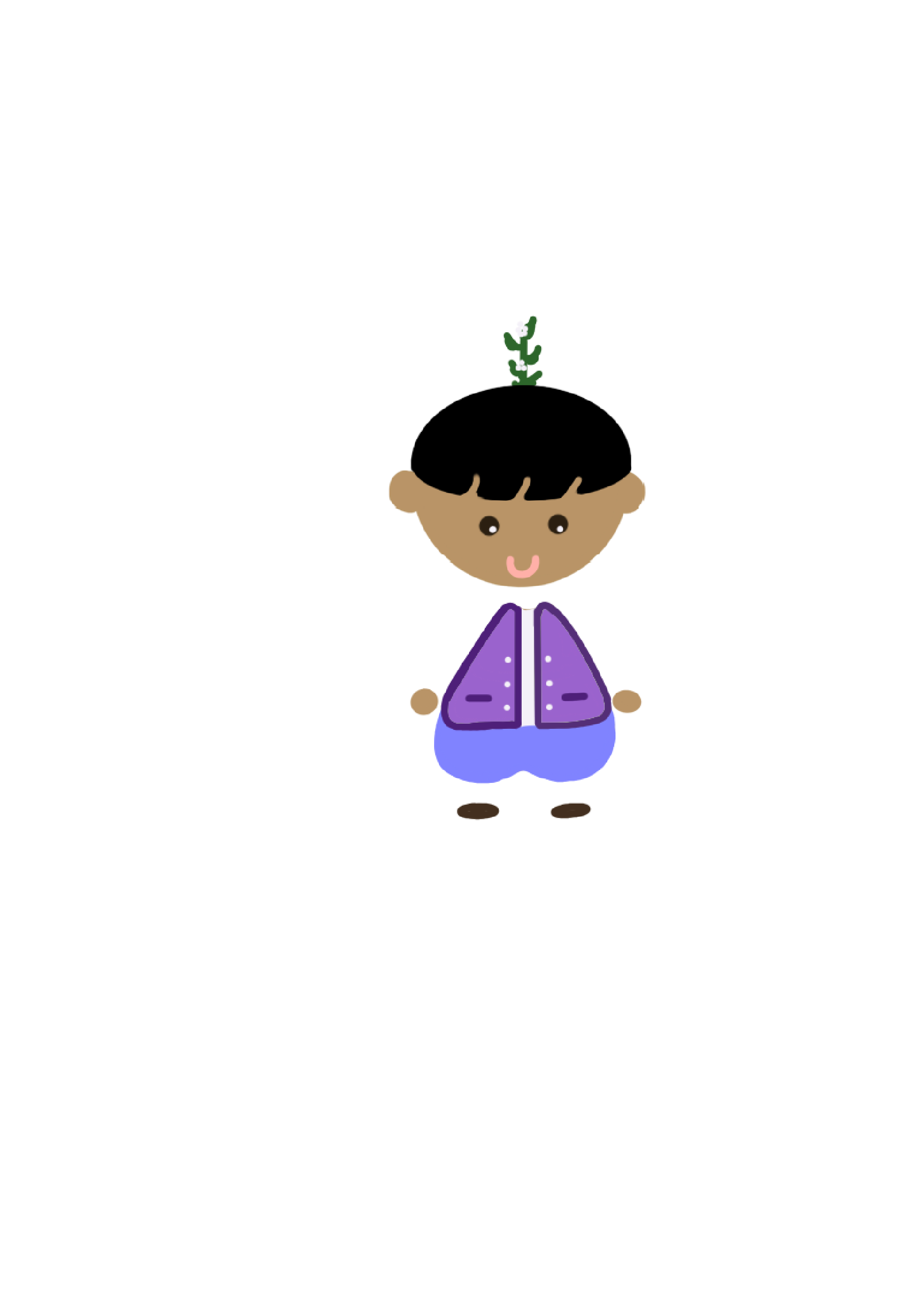
Sprout! is an interactive webpage that features multiple personalities, each known as a 'sprout,' with whom children can converse and interact. These sprouts engage in conversations from a child's perspective, each possessing specific character traits, such as Lily, who is quiet and reserved, and Aurelio, who is outgoing and boisterous. These sprouts present unique circumstances and character traits to the user. They interact with the user in various scenarios where they encourage problem-solving, collaboration, conflict resolution, and remediation, imparting these skills. Users can also befriend and revisit characters they have helped in the past, creating lasting friendships.
How we built it
We created a wireframe for the app, incorporating sketches of the desired components, such as the chat screen, character screen, and the left-side navigation bar. The app was developed using Next.js, employing JSON files to customize various scenarios and characters for user interactions. Using careful prompt engineering, the OpenAI API was called with these parameters, allowing us to create custom character-scenario experiences. Finally, the user's conversation is processed by a large language model after resolution to give constructive feedback. These scenarios and character features allow us to create a comprehensive and continuous user experience.
Challenges we ran into
We encountered issues when attempting to use a .env file to securely store our OpenAI API key. Due to our use of a client-side framework, we faced difficulties accessing the environment variable. To resolve this, we utilized Next.js functionality for environment variables and directly input the API key as an environment variable in Vercel. Also, the prompts had to be repeatedly engineered and tweaked to create consistent results.
What we learned
Through our user research, we discovered an increase in children with developmental delays, learning disabilities, and behavioral disorders, which may be attributed to the multiple changes they experienced during the early years of the COVID-19 pandemic. On the technical side, as a team, we gained valuable insights into cooperative software development and full-stack development. We also learned how to implement the OpenAI GPT-3.5-turbo API through API fetch requests, and how to integrate these requests to make a socially valuable user experience.
Built With
- gpt
- javascript
- next.js
- openai
- react
- vercel


Log in or sign up for Devpost to join the conversation.