Background
1 in 7 of 10-19-year-olds experience mental health conditions, yet remain largely unrecognized and untreated. This number doubles for marginalized groups - BIPOC, LGBTQIA+. While the number of mental health apps for youths is increasing daily, products tailored to these age groups are limited, primarily due to a lack of an empathy-driven approach in existing applications. Considerations for inclusiveness, engagement, and accessibility are often an afterthought.
User Research
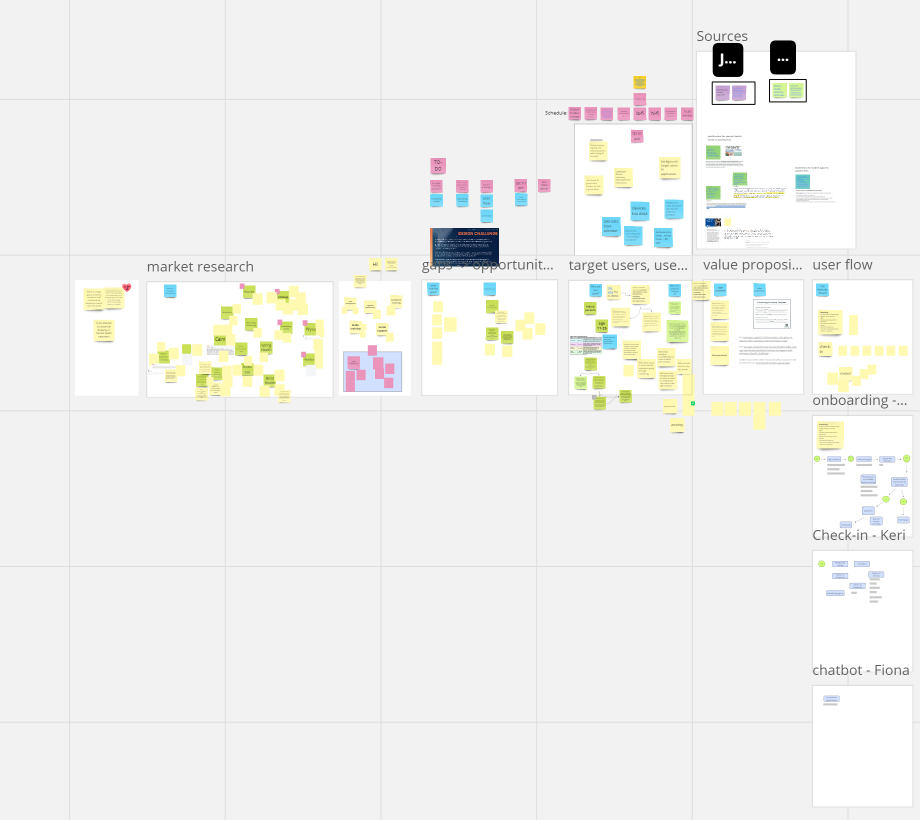
Before diving into design, we extensively researched current mental healthcare products on the market, exploring their types and functionalities. Due to the time constraints of this Designathon, user interviews were not feasible. However, we analyzed user reviews of existing apps to understand their needs and experiences. Our competitive analysis revealed three main gaps in current apps. Firstly, content is often not specific enough to address the issues faced by youth. Secondly, there's an under-representation of certain groups, such as BIPOC and LGBTQIA+. Lastly, there's a lack of engaging features and personalization options.
How Might We
How might we utilize customization to tailor the app to youth? How might we empower youth to navigate and manage their mental health better? How might we ensure our app is both captivating and inspiring for young users?
Solutions
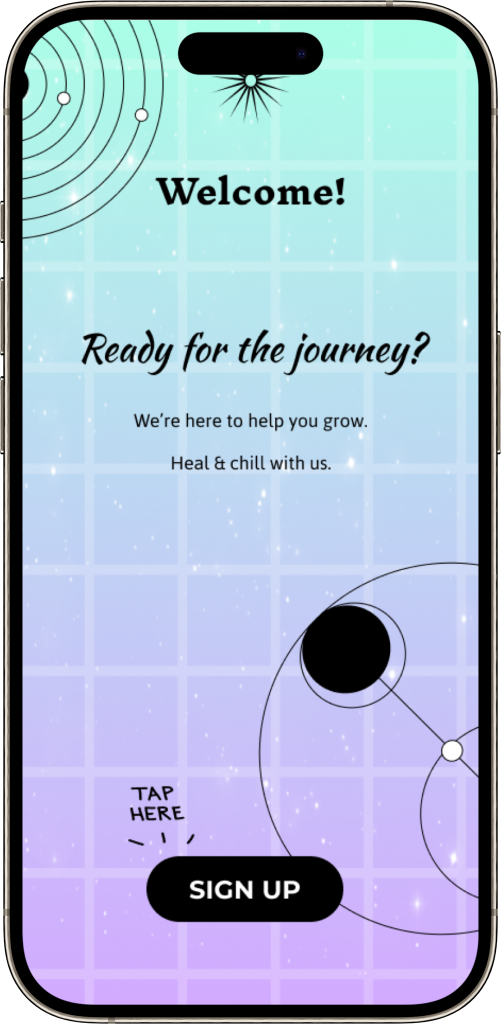
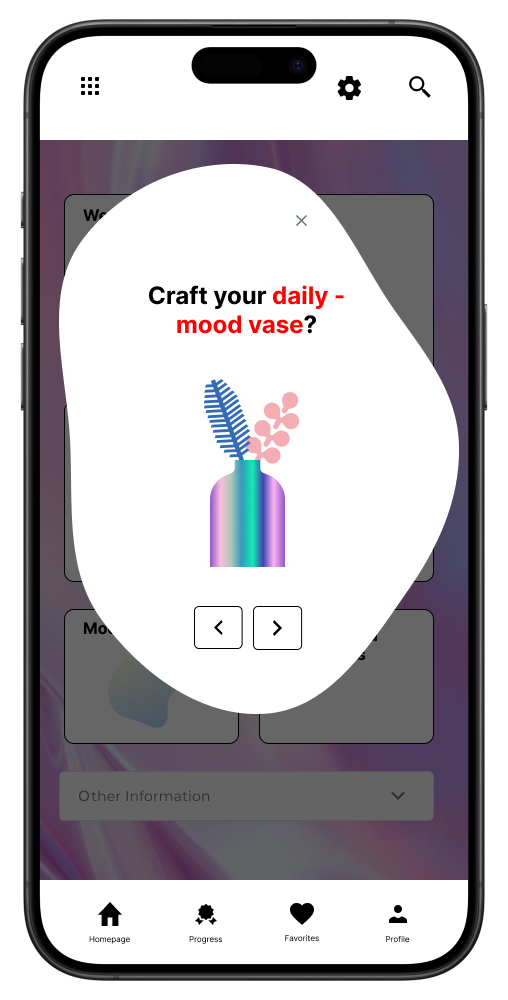
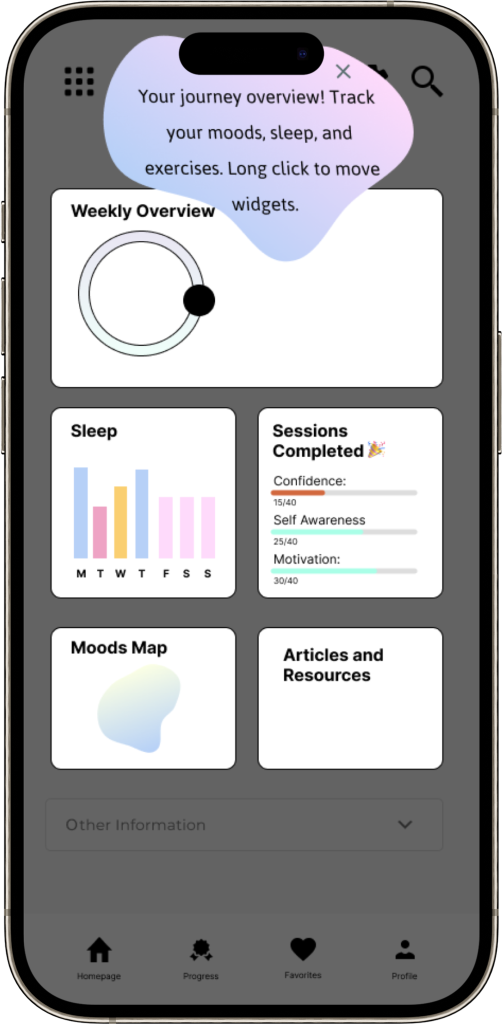
Sprout is an app that provides personalized mental healthcare resources tailored to the needs of our diverse youth aged 13-19.
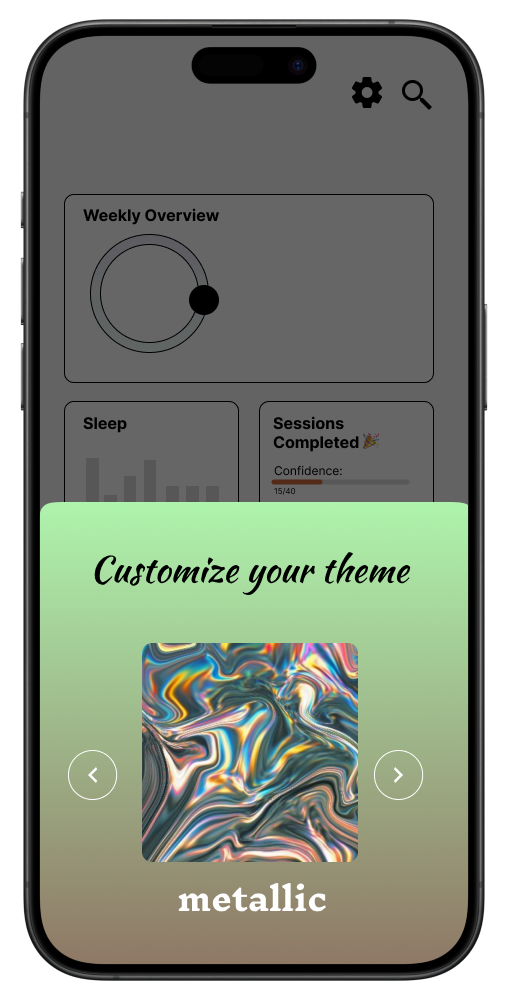
Customization feature - allows users to choose their preferences that shape their experience while interacting with the app. We noticed there was a lack of cultural representation within current apps and worked to address this by including an emoji screen that users can engage with. Check-in feature - allows users to check in with their emotions on a daily, weekly, monthly, and bi-weekly basis as requested. This allows users to track their moods throughout their use within the app and identify any trends or changes within themselves. Mini-game feature - allows users to engage with the app in a fun and motivating way to keep retention high. This builds positive reinforcement to build better mental health habits.
Key Takeaways
Our team is passionate about bringing together technology and accessible mental health for youth. We had to initially take some time researching why we wanted to create Sprout. We realized through research that youths were underrepresented, under-researched, and in need of mental health services. As we composed our project, we discovered opportunities to learn from the design challenges. How do we make sure the app and AI is actually inclusive? As designers, our job is to make things as accessible and inclusive as possible. We realized the most marginalized groups based on race, gender identity, sexual orientation, and age, have multiple factors that put them at greater risk and a lack of access to help (WHO 2022). According to EVOLVE’s speaker Jenna Mulrenan, AI is also largely influenced by biases of the creators of it, namely cisgender men of white descent. Thus, AI could have biases toward the most marginalized and we want to acknowledge our product is not infallible to bias. All in all, we recognize in order to create an inclusive mental health app we must be open to keep learning about inclusivity. Furthermore, we plan on having open, ongoing conversations with other stakeholder teams such as the AI developers, and researchers.
Next Steps / Future Considerations
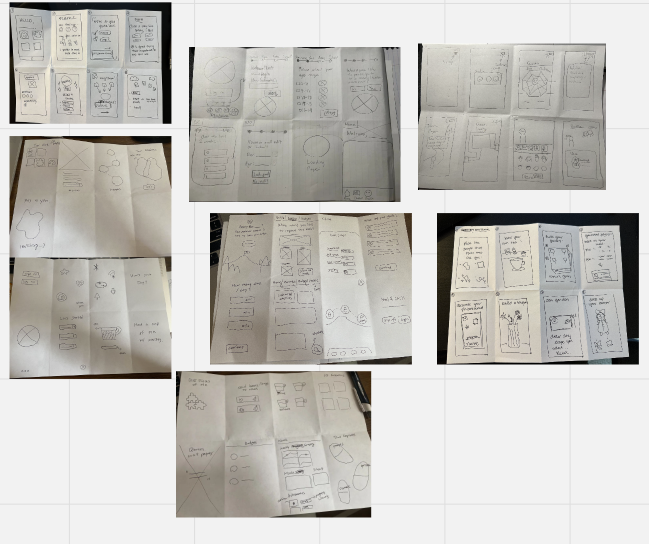
Research more about AI and biases Find out more ways to differentiate the app for disabilities Modify each page to have accessibility button or include it in settings Add more features to the gamification Keep iterating the prototyping flow Iterate on cosmetics
This project is not to be included in judging due to exceeding maximum time-limit for presentation.
Built With
- figma

Log in or sign up for Devpost to join the conversation.