-
-
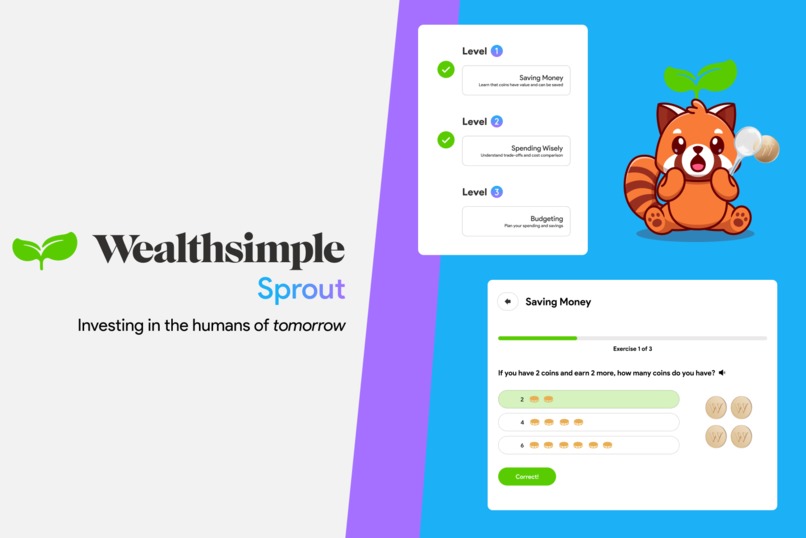
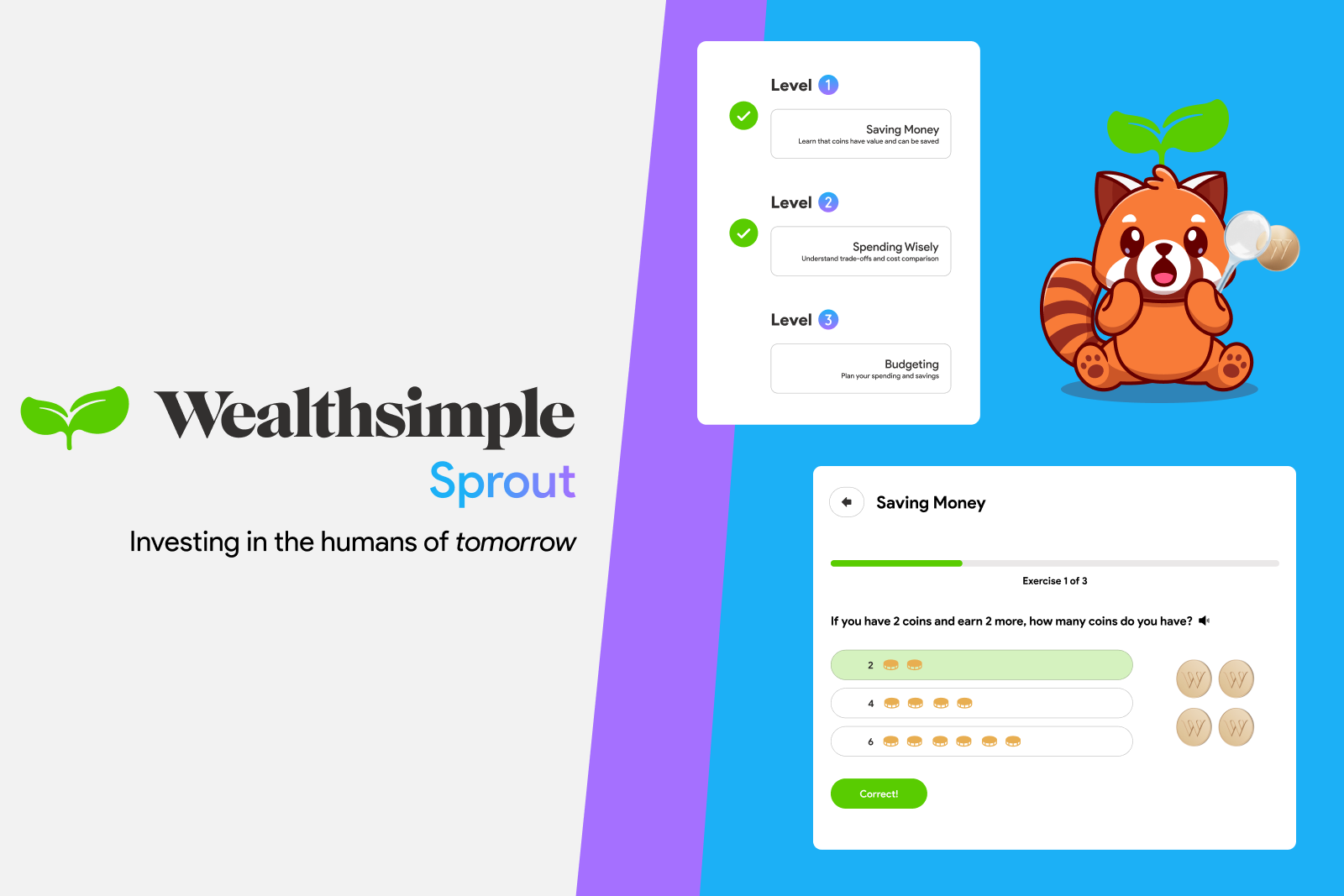
Sprout Thumbnail
-
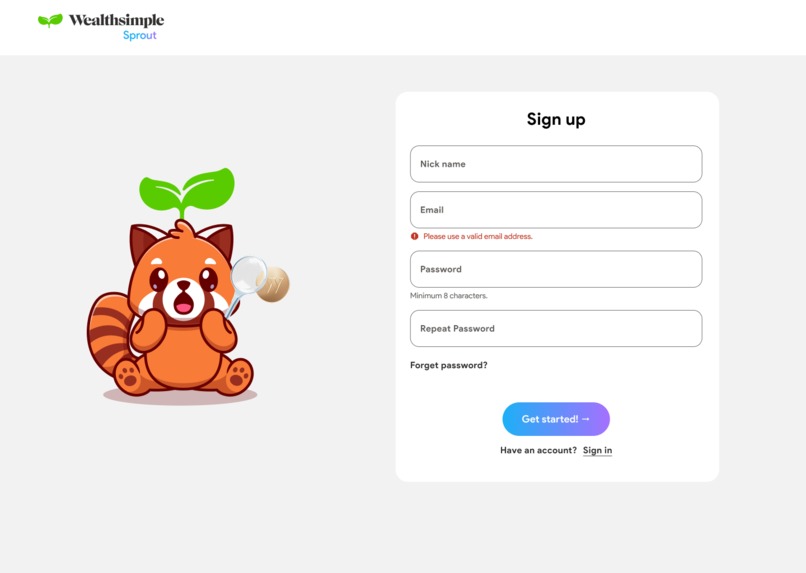
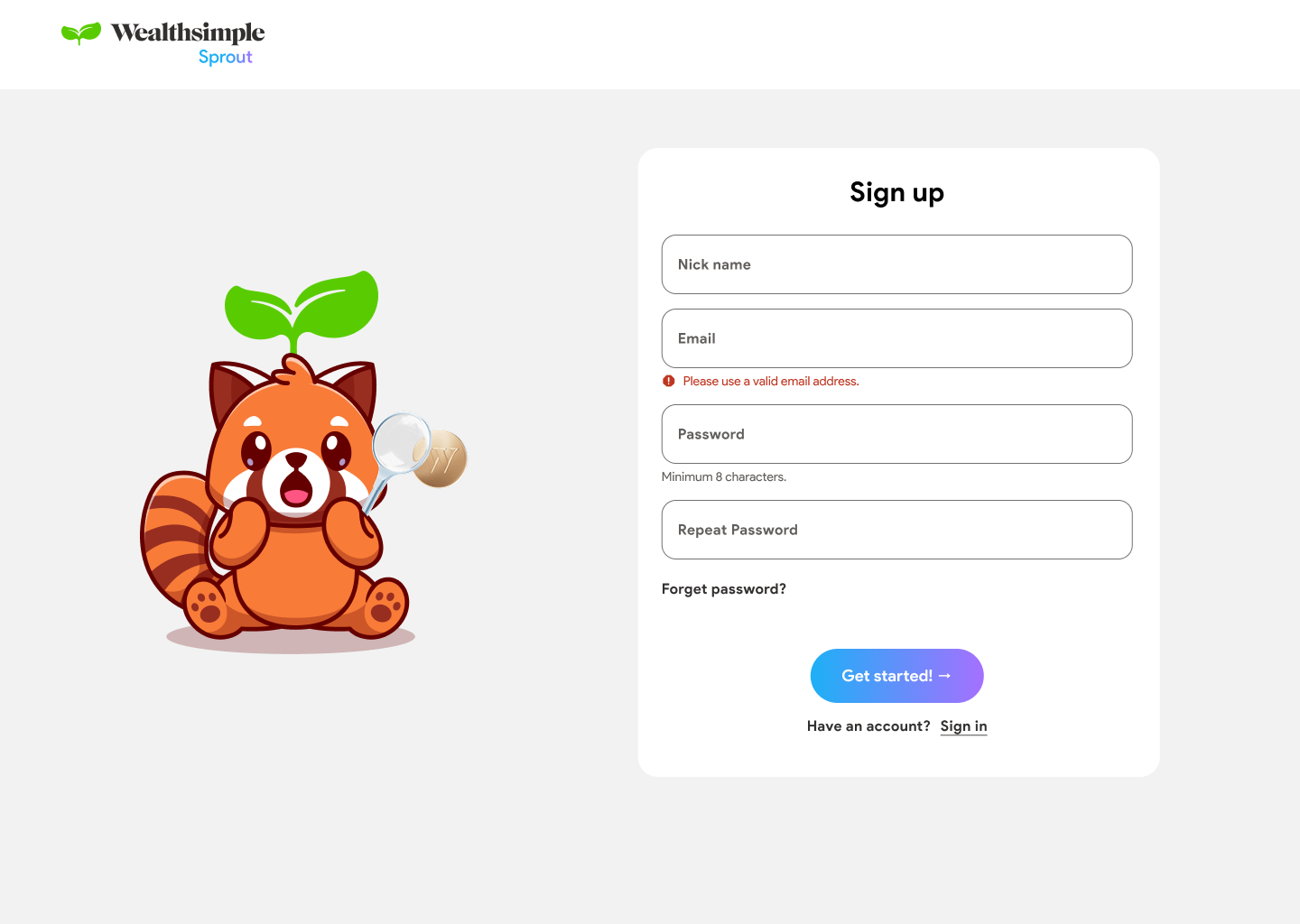
Sign up Page
-
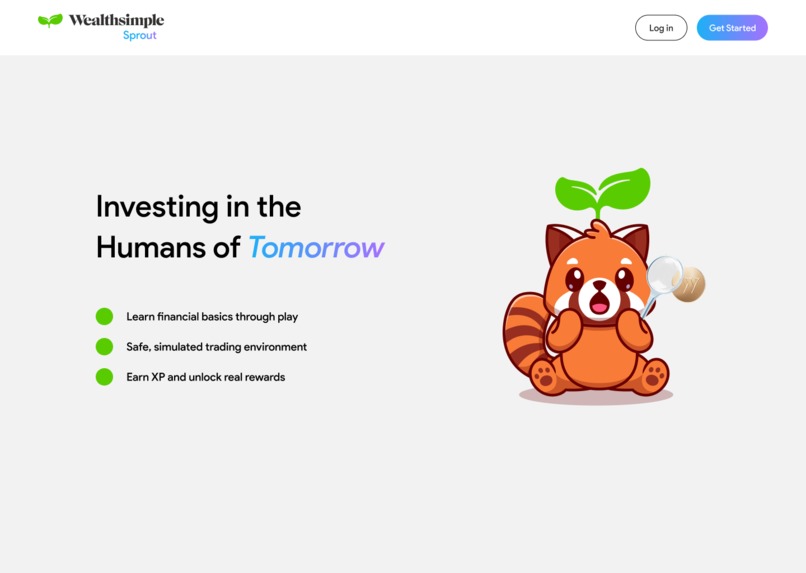
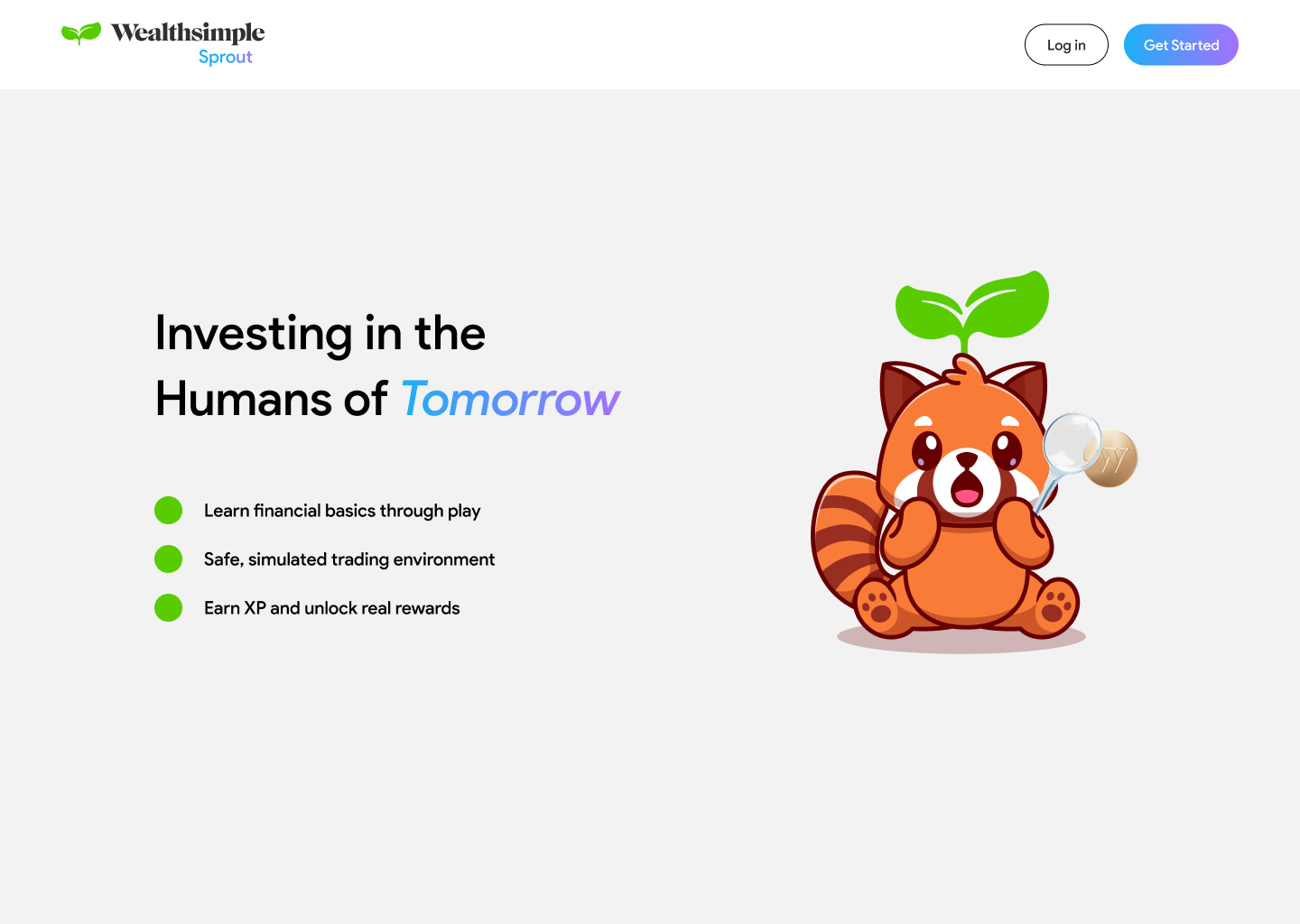
Landing Page
-
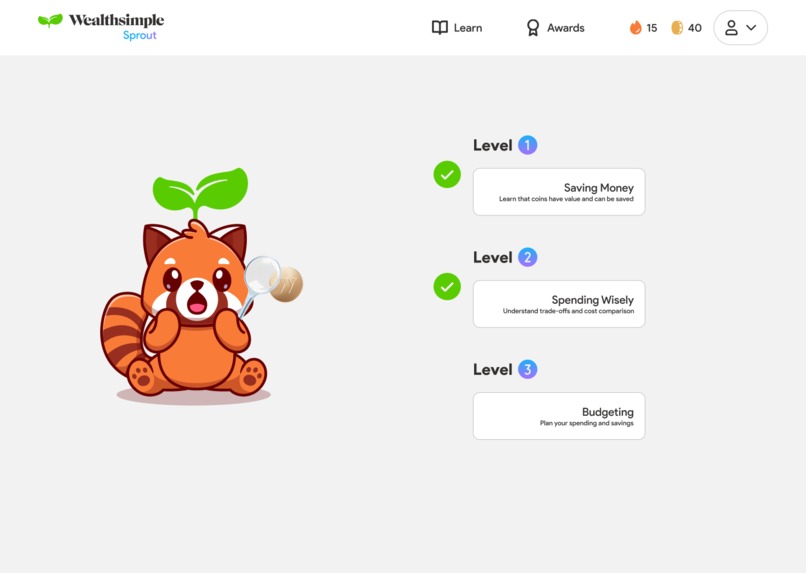
Dashboard
-
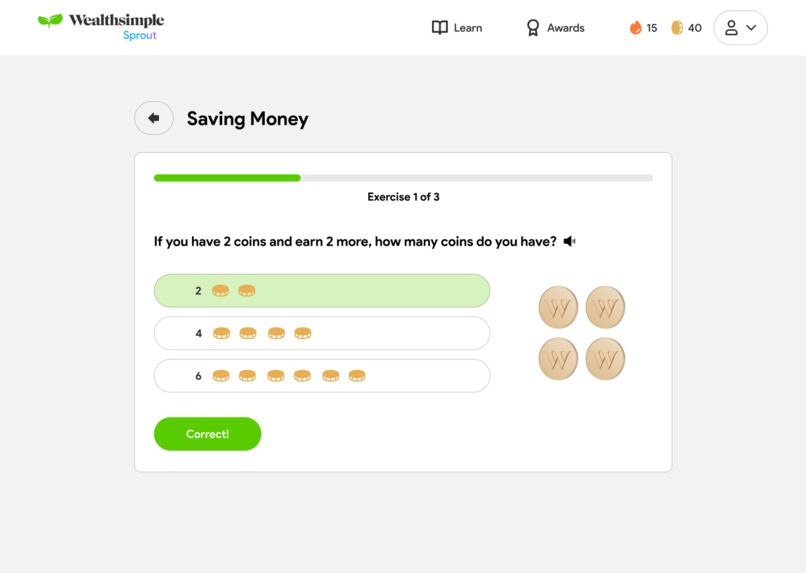
Challenges page
Inspiration
We started by thinking about our own relationships with money: when we developed them, where they came from, and who influenced them. For most of us, it wasn’t a formal lesson. It was what we watched at home, what adults said, and the small choices we made as kids.
After doing research, we realized kids start developing money habits around age 7. That made us think: if habits start that early, financial literacy should start early too, in a way that doesn’t feel like school.
So we decided to teach the basics of financial literacy through a game, and it felt aligned with Wealthsimple’s values: making money feel simpler, more accessible, and more confidence building from the start.
What it does
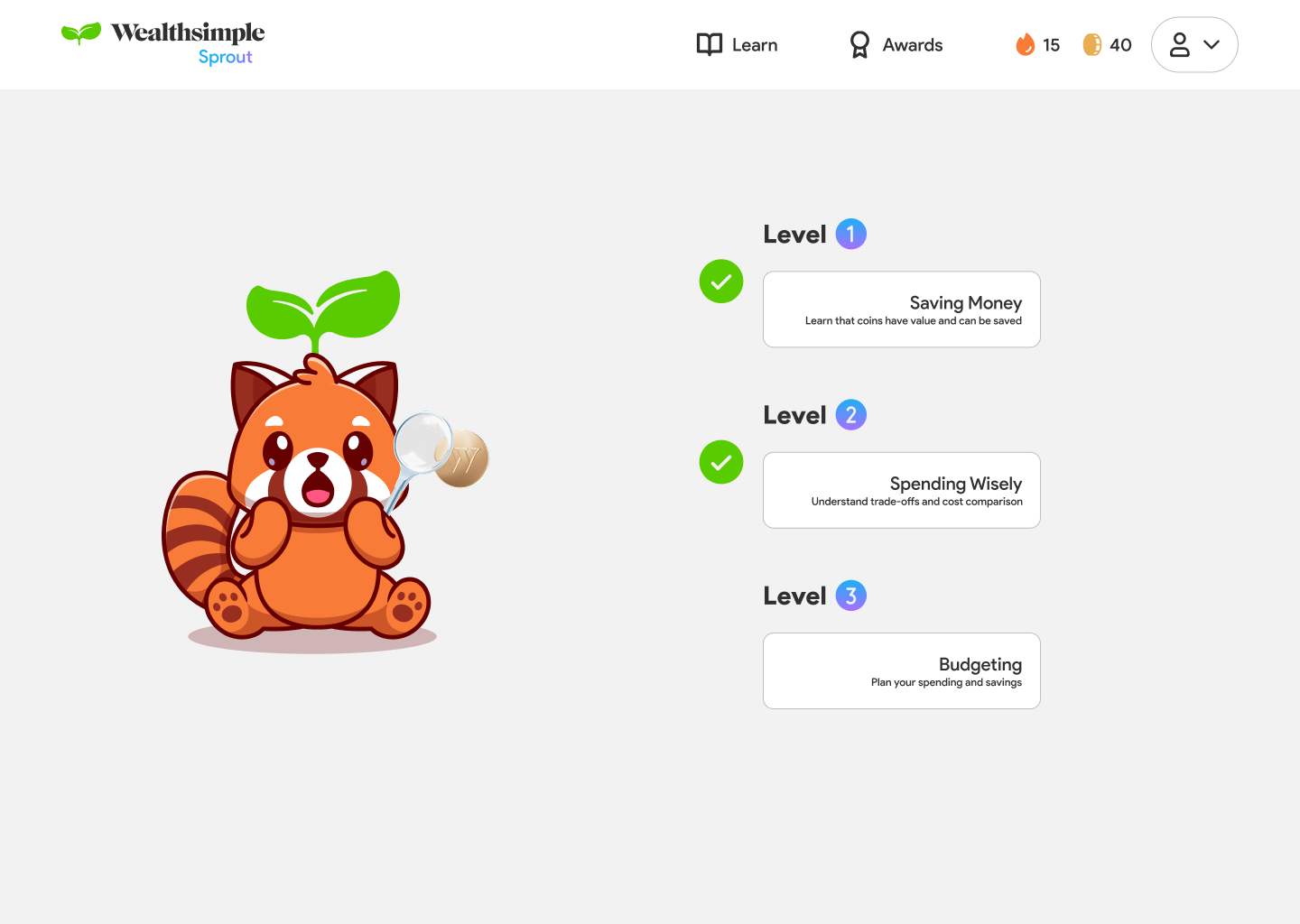
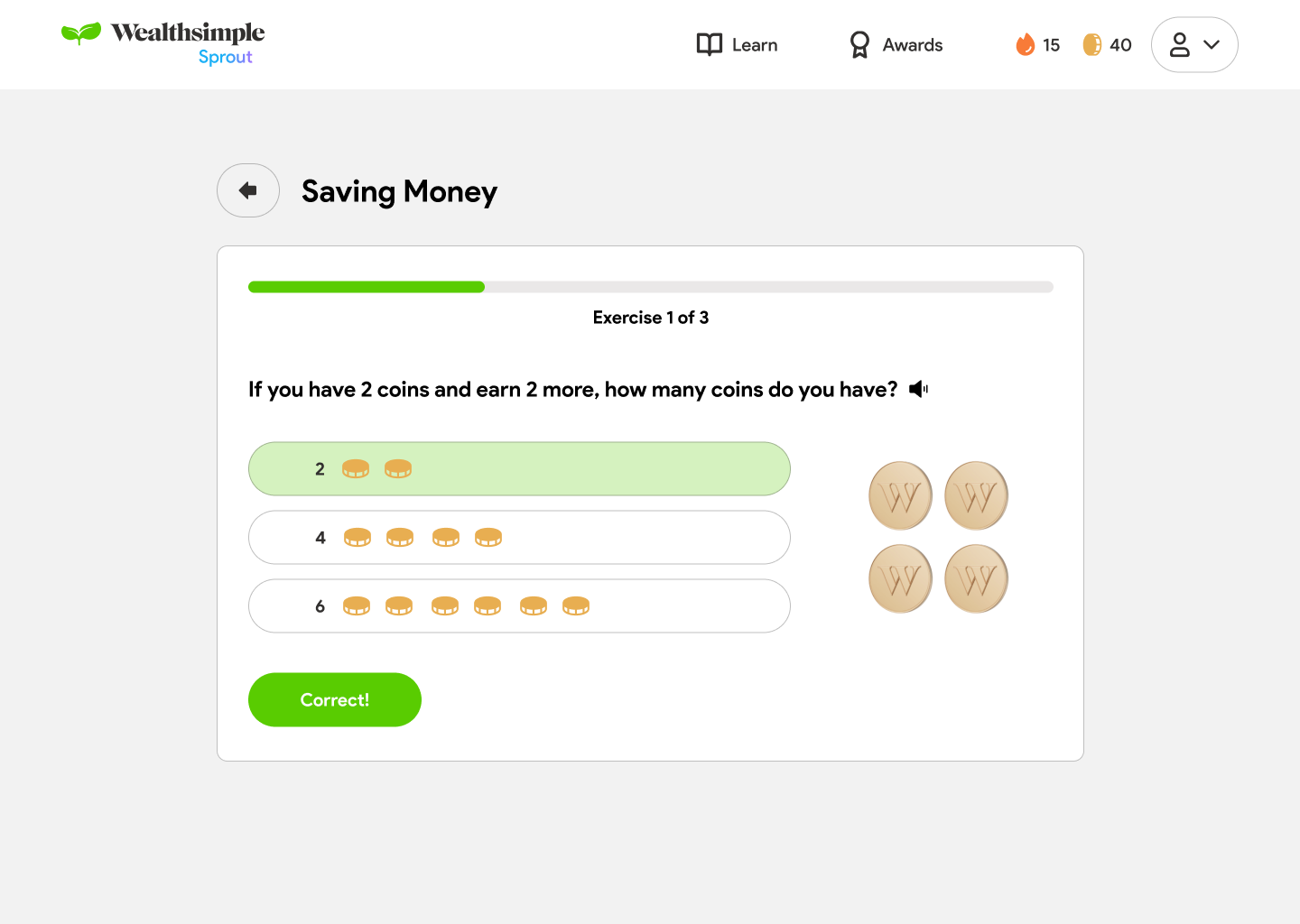
This game teaches kids the basics of financial literacy by letting them learn through decisions, not lectures. Across four short levels, players manage a small budget, choose between needs and wants, deal with surprise fees, and spot scams that are intentionally “too good to be true.”
Level 1 focuses on saving basics. Players must buy essentials before treats, then handle an unexpected store fee and a fake text scam. The goal is learning to keep a buffer and not spend everything at once.
Level 2 is about needs vs wants in a school setting. Players prioritize supplies over fun items, face a small shopping fee, and decide whether to trust a mystery box that promises unrealistic value.
Level 3 introduces earning and spending through a lemonade stand. Players learn that running a business has costs, not just profits, and that giving up ownership for fast money is risky.
Level 4 shifts to future goals. Players use birthday money to set up savings tools before buying something big, while navigating small bank fees and avoiding quick-money ads.
Overall, the game helps kids build healthy money instincts early: prioritizing essentials, planning for surprises, saving toward goals, and questioning offers that sound too good to be true.
How we built it
We built this kids' financial literacy RPG game where layers navigate a 2D Phaser game store, select items within a budget, face surprise scenarios (fees, scam alerts), and earn coins/badges. We used a React + TypeScript frontend, Phaser 3 game engine, Vite, Tailwind CSS, Express/Vercel serverless backend, and MongoDB Atlas database.
Challenges we ran into
One of the biggest challenges was refining the game concept. We originally started with the idea of a Kahoot-style quiz, but quickly realized that answering questions wasn’t the best way to teach money habits. Financial literacy is more about decision-making, so we shifted toward an interactive, choice-based game where players learn by doing.
Narrowing the scope was another major hurdle. We had a lot of ideas we wanted to include, but with limited time, we had to focus on what mattered most: core money concepts, simple mechanics, and a smooth experience. That meant cutting features we liked in favor of something more focused and polished.
Our entire team was also new to game development. We had to learn how to think in terms of game loops, progression, and player feedback instead of traditional apps or dashboards. There was a learning curve in balancing logic, UX, and fun, but it pushed us to iterate quickly and keep things simple.
Overall, these challenges shaped the game into something clearer, more intentional, and more aligned with how kids actually learn.
Accomplishments that we're proud of
- Bringing the Figma design to life with cohesive UI that matches a modern, playful, “Wealthsimple for kids” vibe
- Having a working game demo and that feels like a real game (movement, NPC interaction, and a store environment), not just a quiz
- Balanced learning + fun by using game mechanics kids already love: coins, quests, and rewards
What we learned
- Designing learning as systems, not instructions, mattered more than the content itself. We focused on how mechanics, state changes, and user actions surfaced concepts naturally through gameplay.
- Tight feedback loops were critical at the code level. Small, immediate responses to user actions (success, failure, retry) reduced friction and helped us iterate quickly on what actually worked.
- Building for kids forced us to prioritize clarity over complexity. If the logic couldn’t be explained through interaction alone, the implementation was probably overengineered.
What's next for Sprout
- Create your own character or avatar
Let players customize how they show up in the world, and unlock new items as they progress. - A stronger economy for in game purchases
The money you earn won’t just sit there. It will unlock upgrades, cosmetics, tools, and choices that change how you play. - More interactive quests
Expand beyond simple tasks into branching quests, mini games, and decision based scenarios that teach through consequences. - Teacher dashboards and school partnerships
Build a lightweight educator view so teachers can track progress, spot where students get stuck, and use the game in-class. Long term, partner with schools to make this part of financial literacy programming. - Awards and badges
Add badges and achievements that reward consistency, smart choices, and milestones. Not just “winning”, but learning habits.


Log in or sign up for Devpost to join the conversation.