-
-
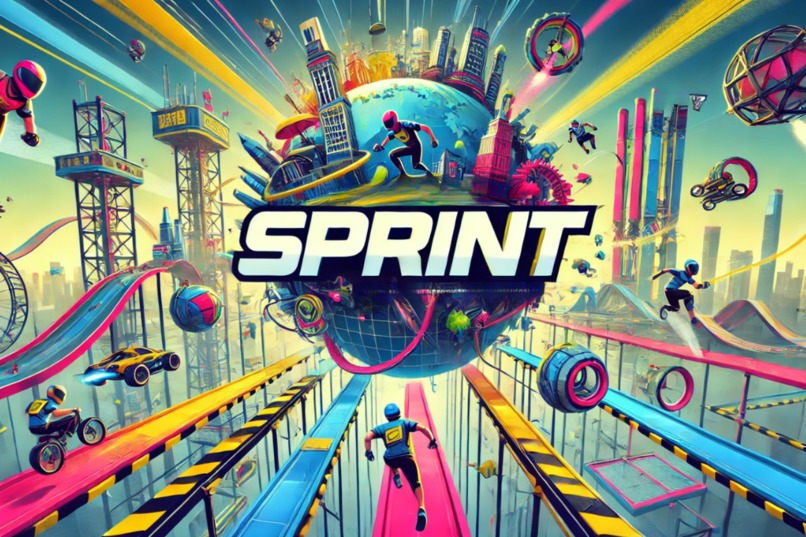
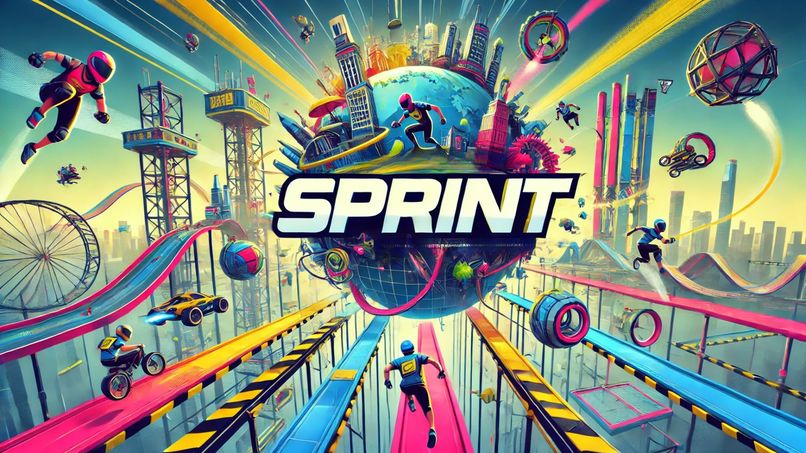
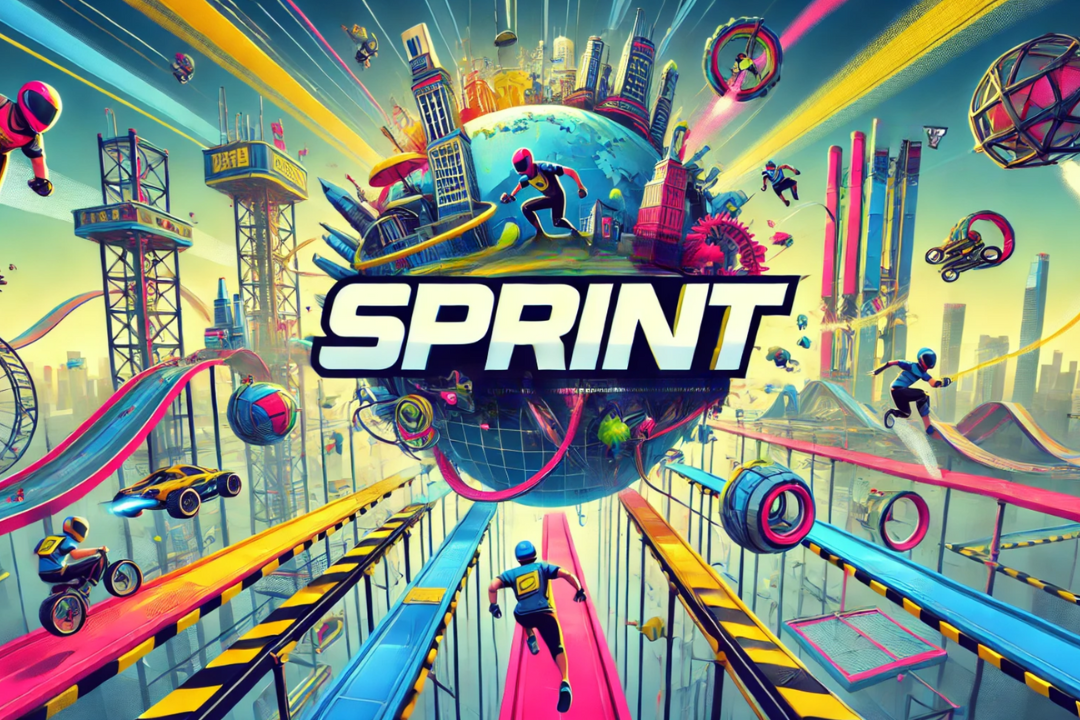
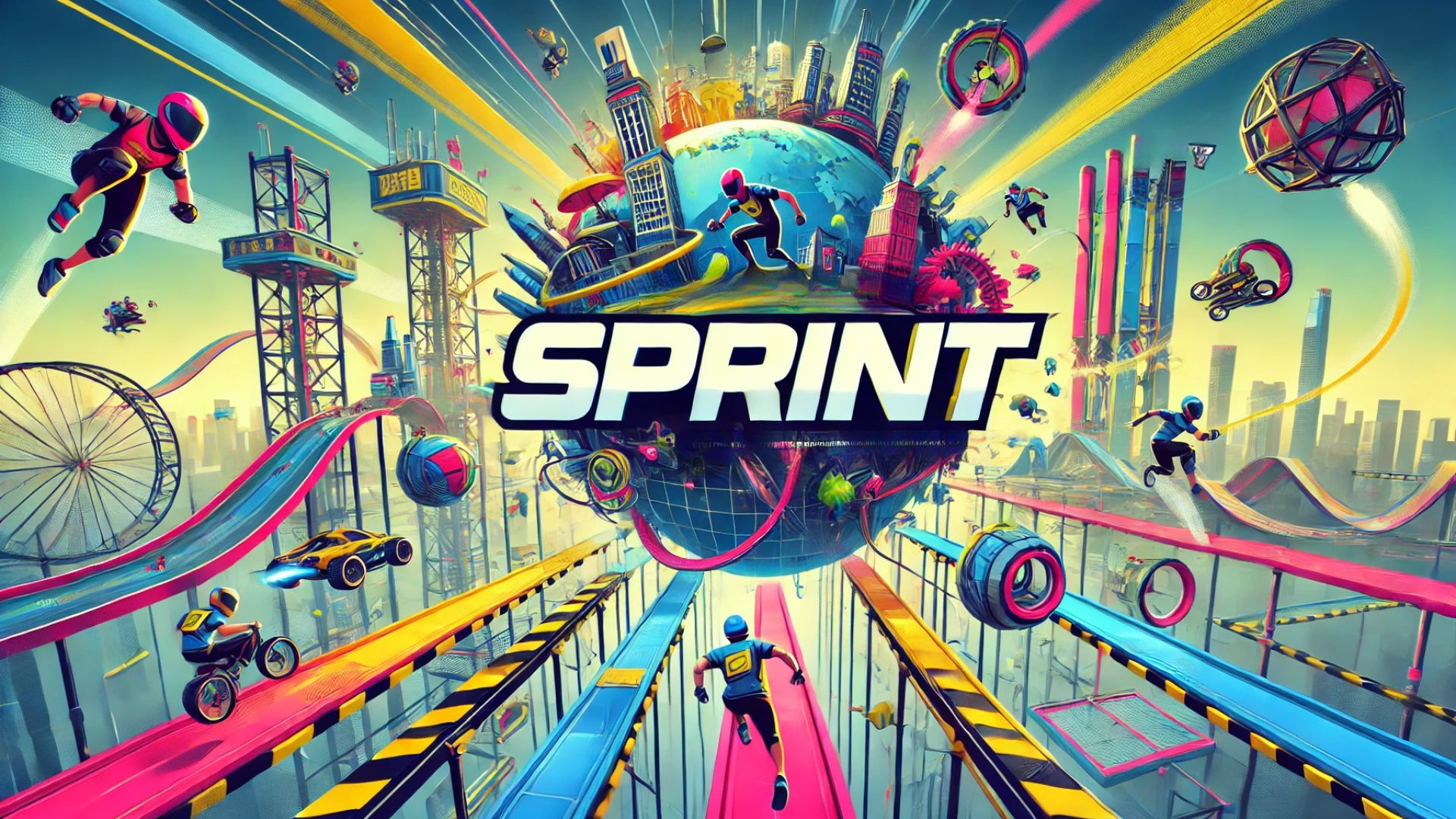
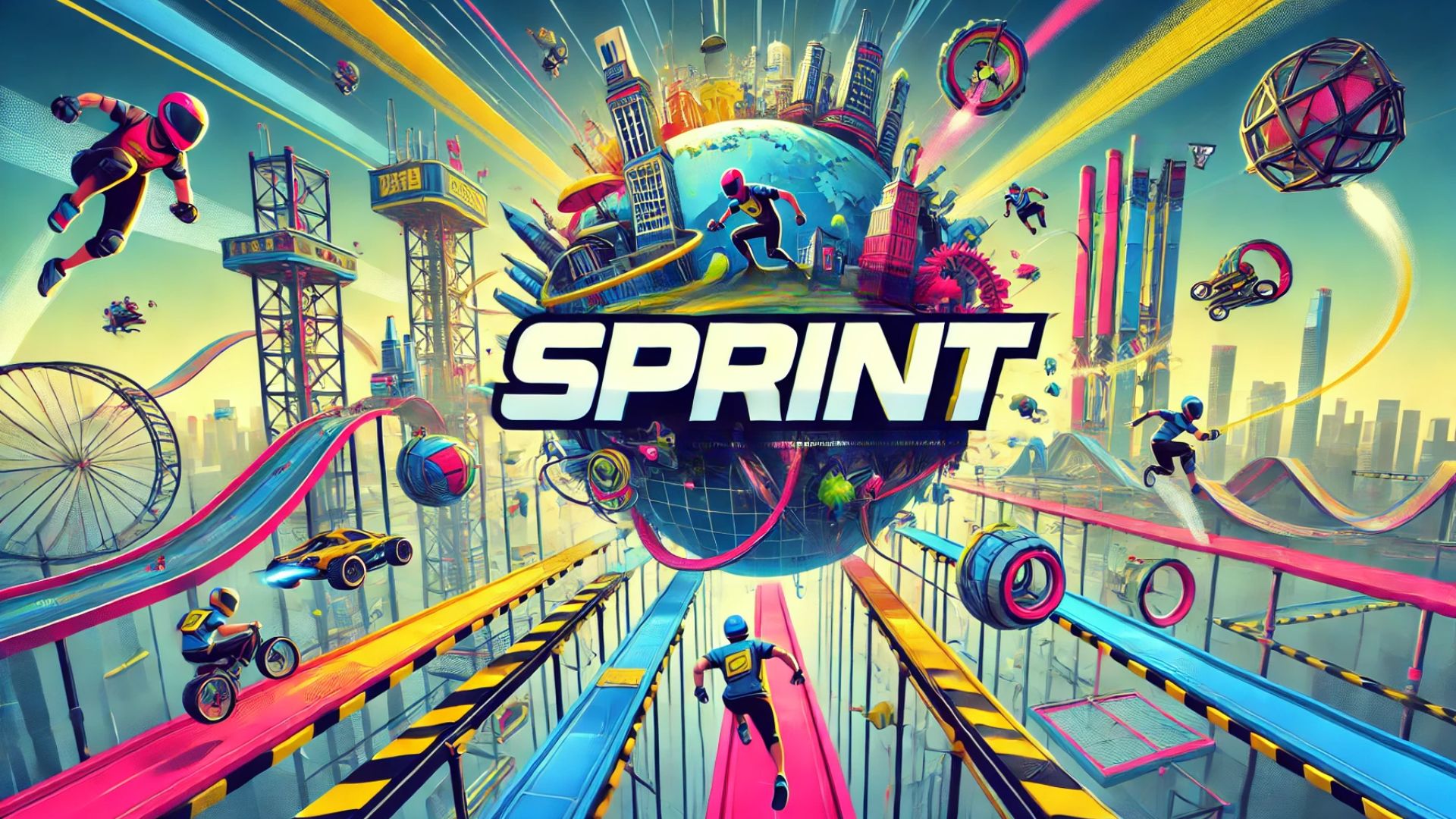
Final Sprint Thumbnail
-
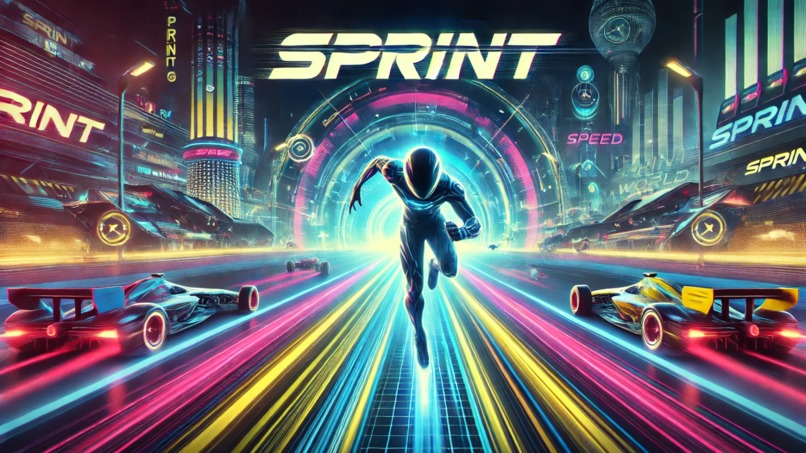
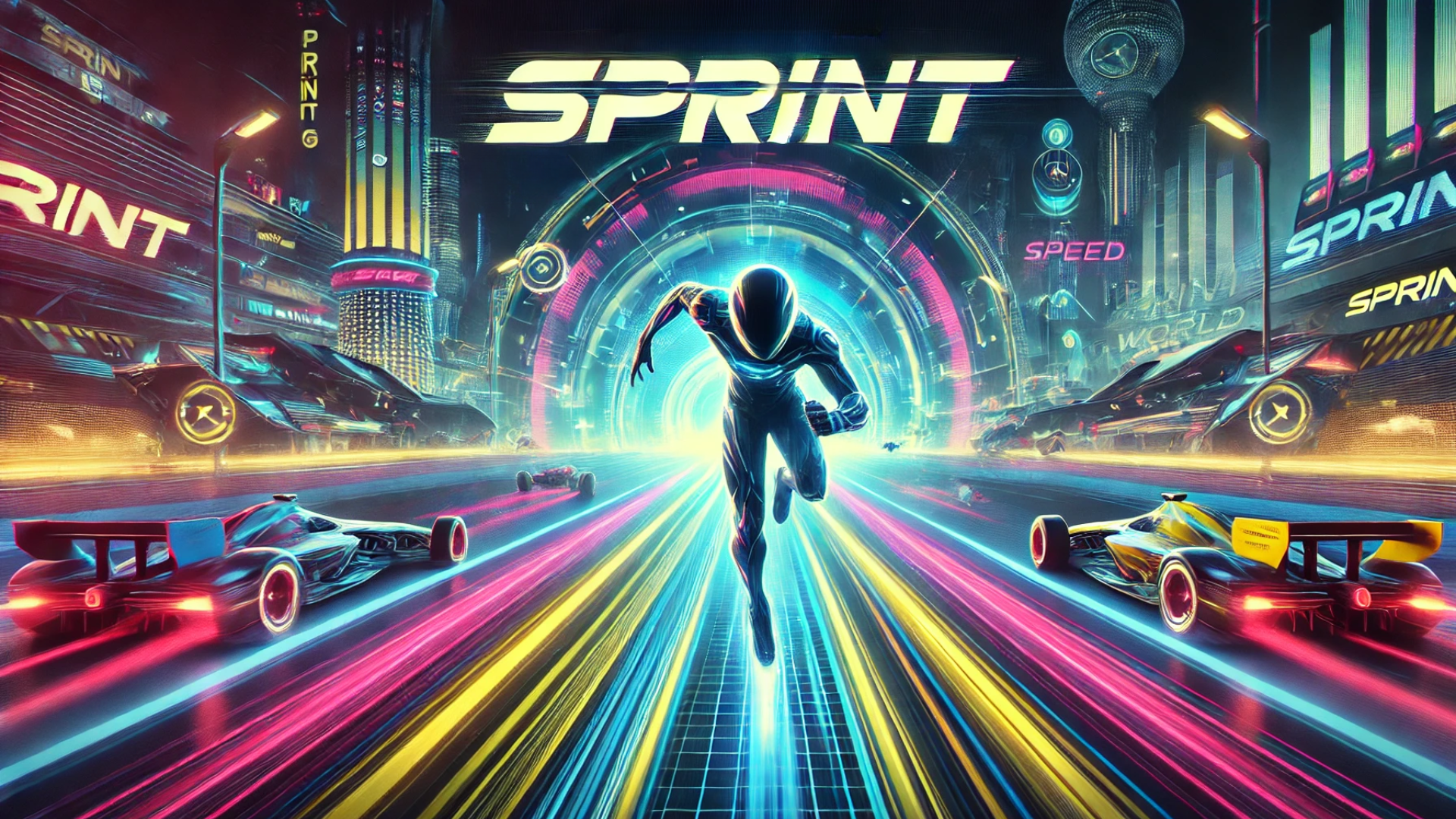
Original Concept
-
-
-
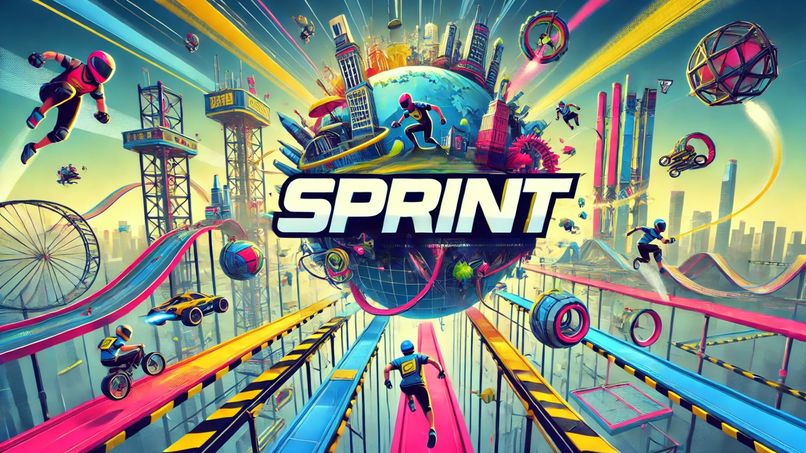
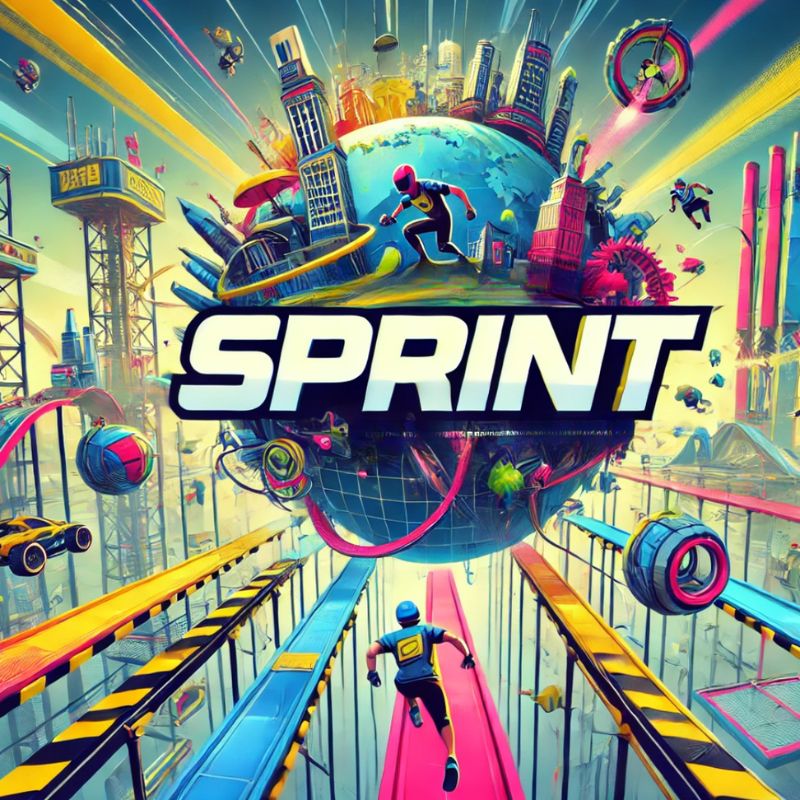
Sprint Thumbnail
-
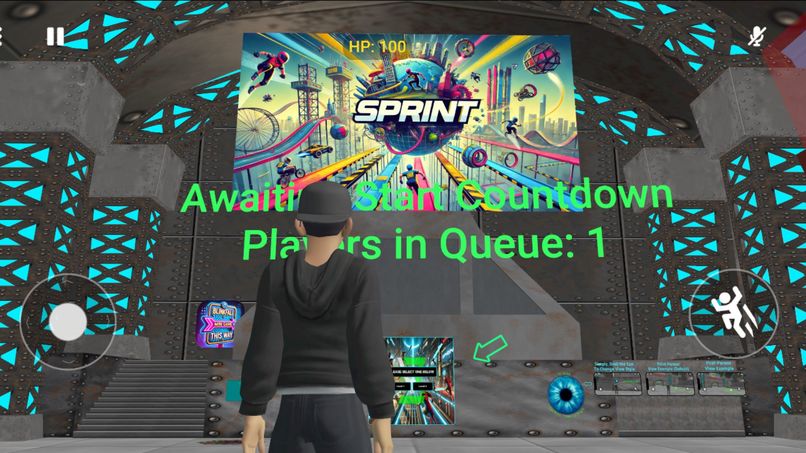
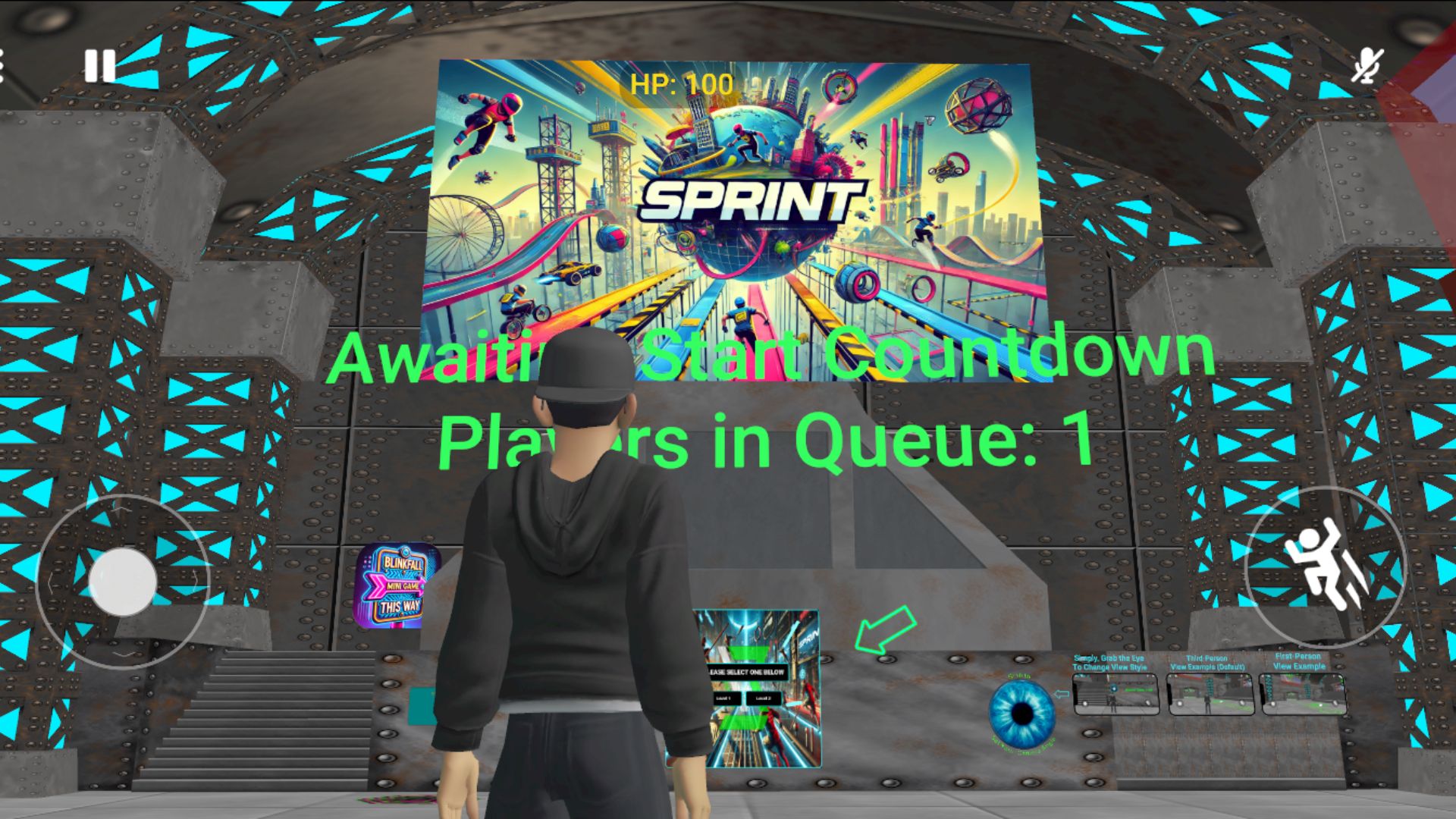
Mobile Lobby
-
-
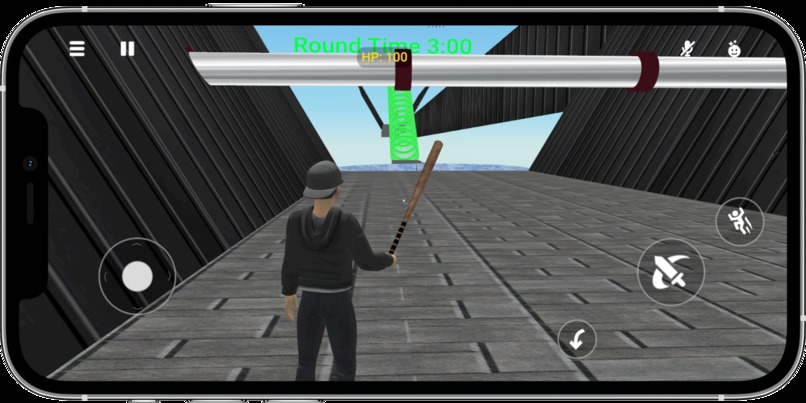
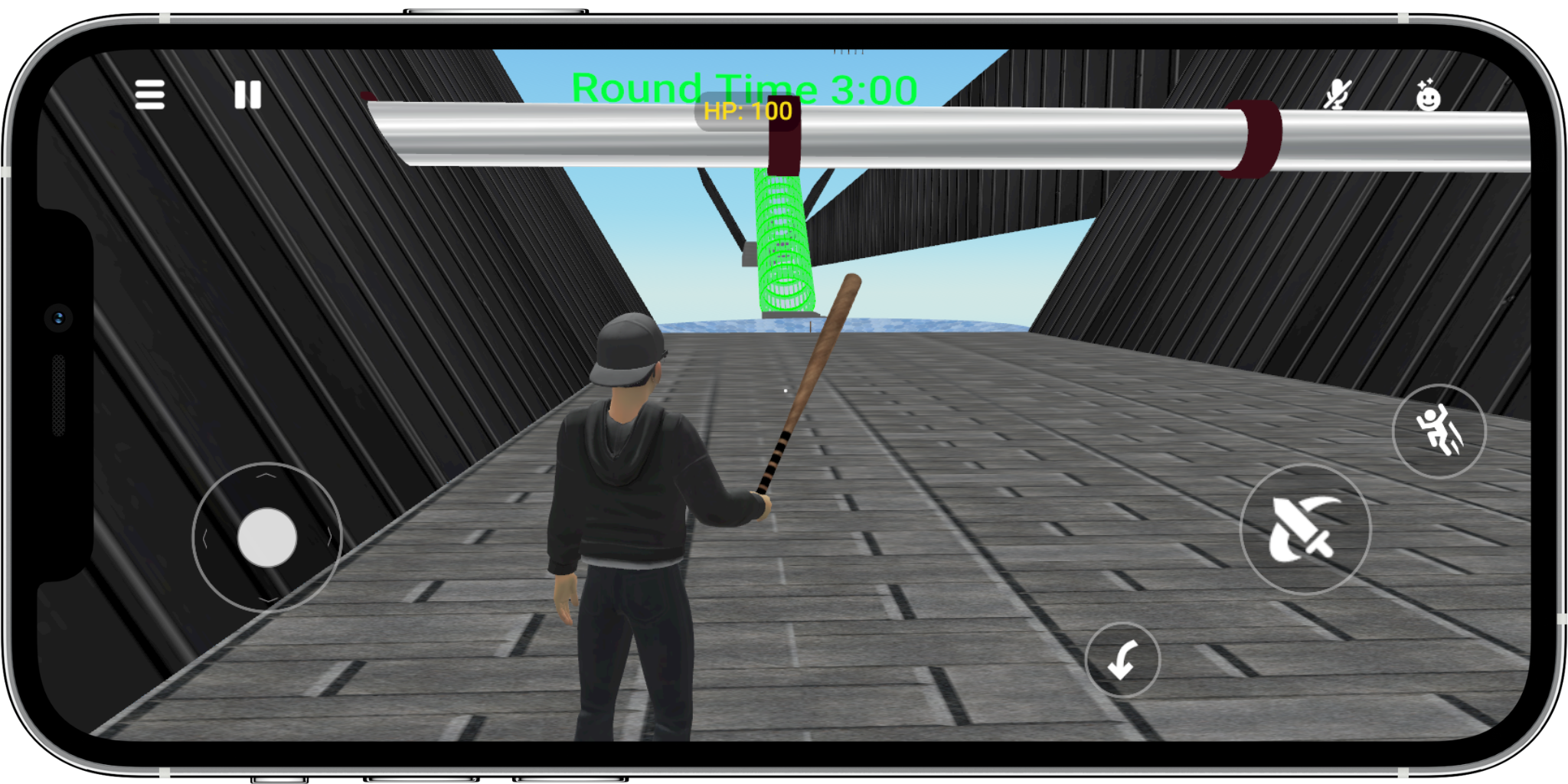
Mobile Shot
Inspiration
Inspiration can strike from anywhere, but for me, it’s deeply personal. As a father, I often find myself inspired by my children—watching the games they love, the videos they consume, and the pure joy they find in exploring something new. This project, however, was born from something even deeper—a desire to challenge myself like never before. “Sprint” wasn’t just an idea; it was a mountain I needed to climb. And I wouldn’t have even attempted this climb if it weren’t for my girlfriend and my kids, who believed in me every step of the way. They inspired me to dream bigger, push harder, and create something unforgettable. This project pushed me to the edge of my creative and technical limits, and if I’m honest, I wouldn’t have made it this far without the support of my girlfriend and kids. Their belief in me was the fuel that kept me going. Sprint isn’t just a world—it’s proof that inspiration, when paired with determination, can create something incredible.
What it does
Sprint brings players together, whether they’re on mobile devices or VR headsets, into one high-energy, competitive environment. The game’s premise is simple: get to the end before anyone else. But the challenge lies in its execution, as players navigate currently two but i have it scripted to be five uniquely designed arenas full of obstacles, twists, and surprises. For those who prefer to sit back and enjoy the chaos, Sprint offers a dedicated spectator section. Here, friends can cheer (or laugh) as their competitors fall, fail, and try again. Sprint also includes an exhilarating mini-game called BlinkFall. In BlinkFall, players stand on platforms as the floor begins to disappear beneath them. The objective is straightforward—be the last one standing. Whether you’re sprinting, spectating, or strategizing, Sprint delivers a high-octane experience that keeps everyone engaged.
How I built it
As a one-person team, building Sprint was an uphill battle. I relied heavily on Meta’s API and spent countless hours typing away, troubleshooting, and pushing through exhaustion. When my own knowledge hit a wall, I turned to AI for the deep dives, and problem-solving. Each script, no matter how complex, was a labor of love. On the building side, I worked with some pre-existing assets, taking them apart, rebuilding, and repurposing them to fit the unique needs of Sprint. I also expanded my skill set, diving deeper into texturing techniques and Blender to create polished visuals that enhance the experience. This on top of 3d modeling, texturing, importing, adjusting, made for one life long lasting impression. Sprint is more than a game; it’s a testament to persistence, creativity, and the willingness to keep pushing, even when the odds feel stacked against you.
Challenges I faced
The road to Sprint was anything but smooth. From personal commitments to technical obstacles, every step of this journey presented a new challenge. A pre-scheduled trip midway through the contest meant I lost valuable development time, as Horizon Worlds wasn’t available where I traveled. On top of that, balancing a full-time job with the tight contest deadline felt almost impossible. I started Sprint on November 21st around 10pm, leaving me just about 13 days to build a fully functional mobile-optimized world from scratch. The technical challenges were immense, especially when creating and optimizing scripts to handle both headset and mobile users seamlessly. I found myself working late nights and early mornings, often surviving on just 3.5 hours of sleep, but I refused to give up.
Accomplishments that I'm proud of
One of the standout features of Sprint is the "Helper Object" script. This script is a game-changer—it tracks which arena has been selected and scans its array of entities to place objects in the right locations for each specific arena. These objects can toggle between movements like swinging, rotating, or popping, adding dynamic challenges for players. What makes this script truly remarkable is its versatility. The same objects can appear in multiple arenas, each with unique settings set up for that arena. This not only optimizes the game’s capacity but also creates a fresh, engaging experience for players. It’s a script I’m incredibly proud of because it represents innovation and problem-solving at its core.
What I learned
This project taught me more than I ever imagined. I’ve been building for years, but Sprint pushed me to new heights, especially in scripting. I gained a deeper understanding of TypeScript functions, methods, and (perhaps most importantly) the mistakes to avoid. On a personal level, I learned the value of time management and resilience. Turning daydreams into a playable reality is both humbling and exhilarating. This contest in particular taught me the art of persevering through exhaustion, as I juggled family, work, creative ambition, and an ever approaching deadline.
What's next for Sprint
Sprint’s journey is just beginning. The roadmap includes building out more arenas, introducing new challenges, and further refining the overall experience. The current arenas and mechanics are designed to be versatile, meaning they can be expanded and perfected over time. Beyond the game itself, I’m committed to building a community around Sprint and my other mobile-optimized worlds. My goal is to create an community of fun, engaging experiences that players can enjoy collectively, not only on mobile but on the VR Headset as well. Sprint is more than a game; it’s a platform for connection, competition, and creativity; along with all of the other mobile worlds I have published, I feel that this is an amazing addition to the Meta Library.
Built With
- blender
- canva
- chatgpt
- copilot
- meta
- metahorizons
- sketchfab
- visual-studio


Log in or sign up for Devpost to join the conversation.