-
-
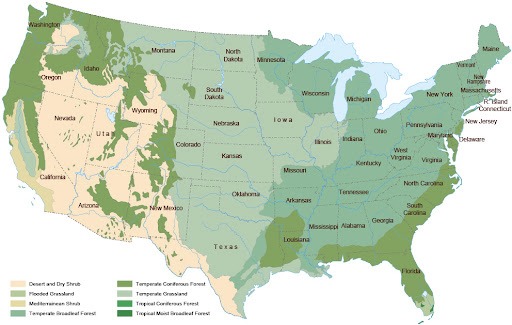
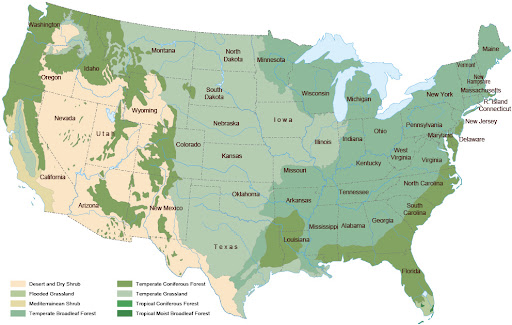
Vegetation Map
-
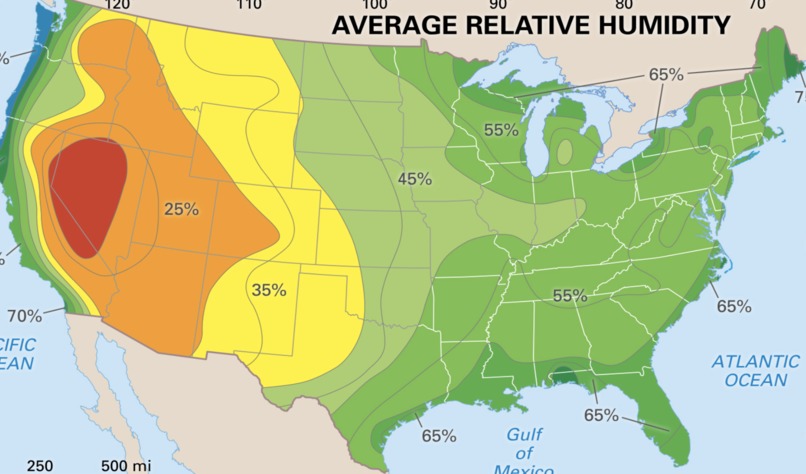
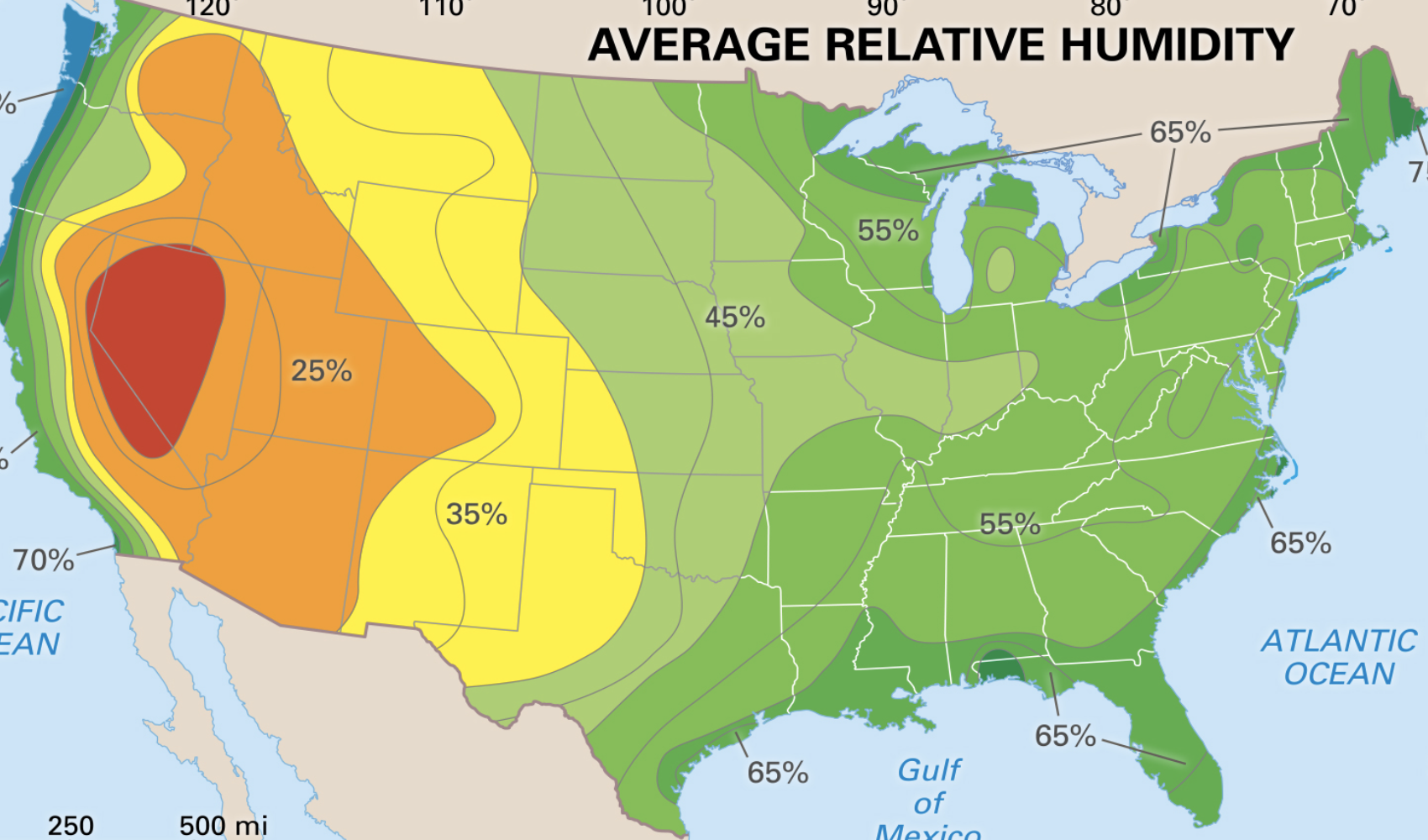
Humidity Map
-
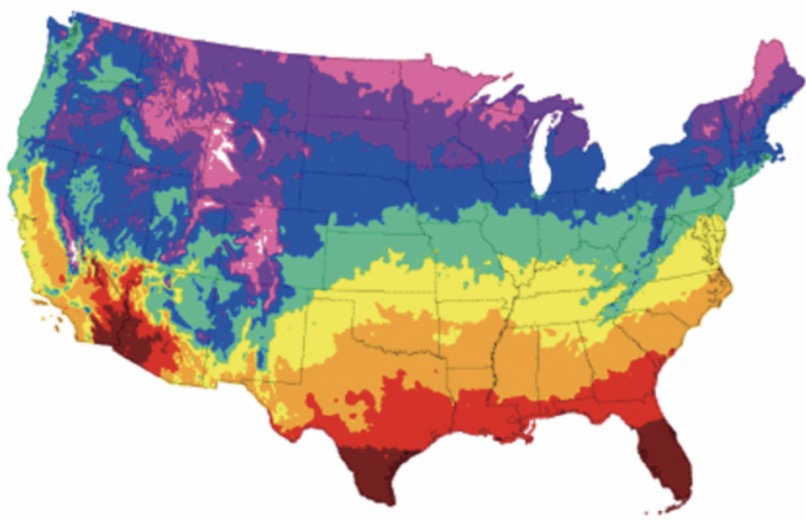
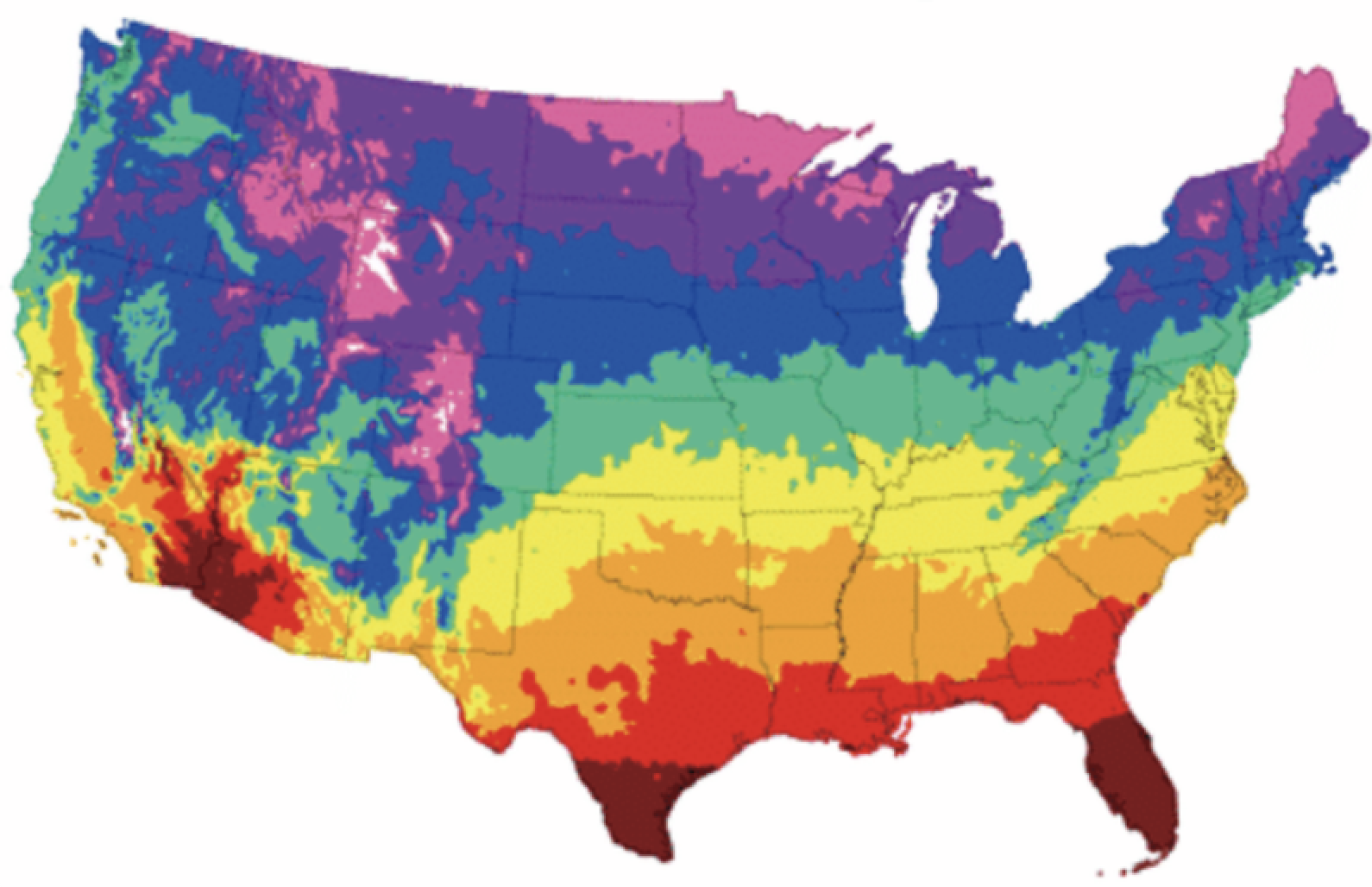
Temperature Map
-
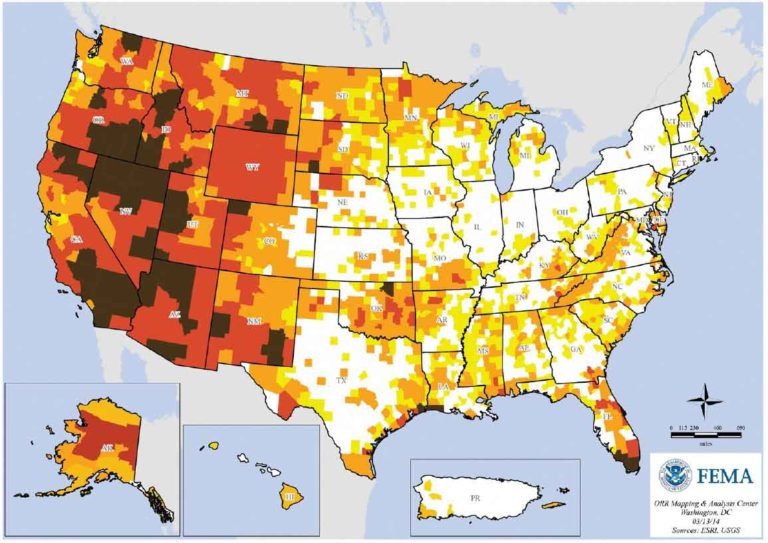
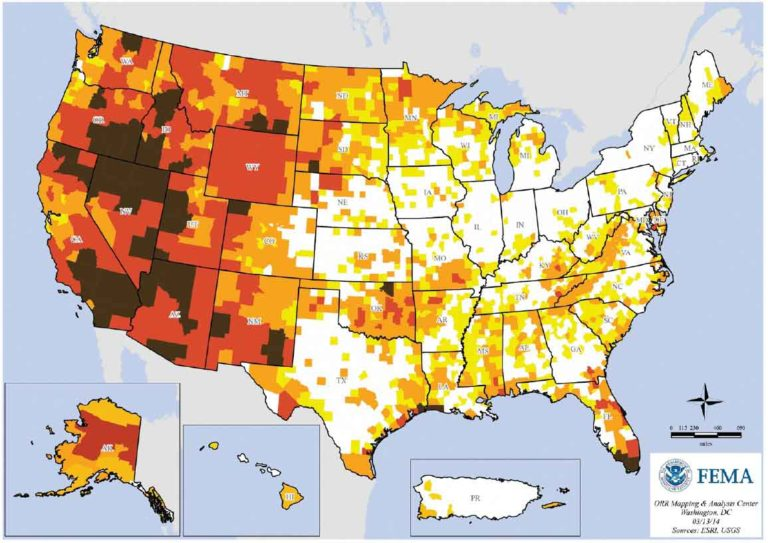
Fire Risk Map
The best way to solve climate change is to spread awareness about it
Inspiration:
Living in California, we’ve simply grown numb to the idea of wildfires, thinking it’s the norm, but does that have to be true? We concluded from consumer analysis and expert research that the best way to solve climate change is to spread awareness about the issue and prompt others to make simple changes to their own lives in order to protect the greater society from the fears of climate change. We decided that the program we created needed to meet the criteria of A, emotionally appealing to the user to show the true effects of climate change on their own lives and B, advocate and suggest basic changes that would shift the course of global warming for centuries. Climate change is the most urgent problem we’re facing now and we are about to pass the point of no return, which is why it is ever more important for us to act now.
What it does:
Our project accesses public databases of information to find data about temperature, humidity, vegetation density, and risk of fire based on longitude and latitude of a location. The user can input their location; our program then gives them information demonstrating the increasing severity of fires. Data given to the user such as increasing costs, damage, and death tolls all aim to spread awareness about climate change so that all of us can work together as a community to save the planet.
How we built it:
After thoroughly researching the causes of forest fires and finding data to analyze, we created algorithms that would parse this data to find information about fires. By converting the user’s inputted city and state into a geographical coordinate, we can find the specific pixel on a map where the user is located. Using this, we can analyze the color of our temperature, humidity, fire risk, and vegetation maps. This allows us to calculate various factors due to climate change.
Challenges:
Researching and finding all the specific components is a lot more complicated than we once thought. Scientists across the globe have come together to provide a comprehensive analysis of fires and the specific probability a fire might start. This became one of the hardest obstacles for us to overcome. Furthermore, debugging the program, while creating various functions that implement mathematical formulas to get accurate data was a challenge in itself.
Accomplishments:
Despite many challenges, we were able to get accurate data that predicts the impact of fires in the future. We were able to calculate many factors such as temperature increases, humidity changes, costs of fire damage, and more. Using these factors we were able to give the user advice on how they can help the environment, and what the main causes of fires are.
What we learned:
Through our journey, we improved our programming skills by learning how to create more powerful algorithms that optimized run-time and organizing our code through functions and code structure. Along with these programming skills, our project led us to do in-depth research about fires. We learned about concepts such as the Haine’s index and the fire-risk index that allowed us to analyze our data.
What’s next:
Our project has no bounds, simulating fires is only one step towards preventing climate change. Given more time, we could graph data to create visual, intuitive models demonstrating the impact of global warming. Additionally, our simulations could be extended to other natural disasters such as tsunamis, earthquakes, and more. These would be combined with more in-depth recommendations to the user, which would describe in detail how individuals can help the environment.
NOTE:
To run this project, please download the following python libraries:
pandas tkinter openpyxl numpy pillow
Additionally, please download the 4 png files, and the 1 excel file in the google drive along with the python code in the same location so that the python program can access these files (Personally, we found having all these files on desktop worked well, however other locations may also be fine).
The program will start by prompting the user to input a city and state. (The system is case-sensitive so typing something like “austin texas” will not work the first letter must be capitalized so “Austin Texas” would be an acceptable format). After this, the user should input how many years into the future they want to see the impact of climate change. Get ready to see the drastic impact of climate change on fires!


Log in or sign up for Devpost to join the conversation.