Inspiration
The inspiration behind my project, GrooveGuard, stems from my passion for music and technology. I wanted to combine these two worlds to create a dynamic and personalized music experience for users. The desire to discover new songs that resonate with individual preferences and emotions led me to develop a sophisticated Spotify recommendation system.
What it does
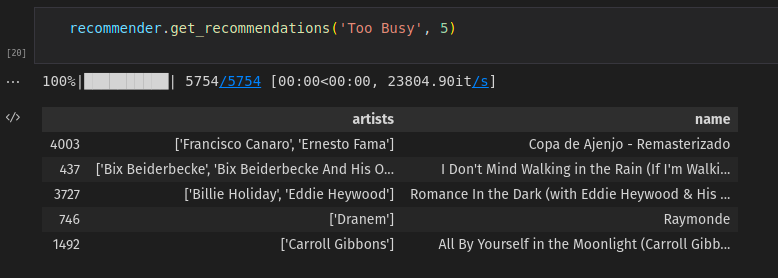
GrooveGuard is a smart music recommendation system powered by artificial intelligence. It takes a single song's name as input and uses advanced algorithms to analyze its attributes. By calculating the Manhattan distance between song attributes, the system identifies the closest matches in my dataset and presents the user with a curated list of the top 5 song recommendations. This dynamic fusion of music and technology allows users to explore new melodies that align with their taste.
How I built it
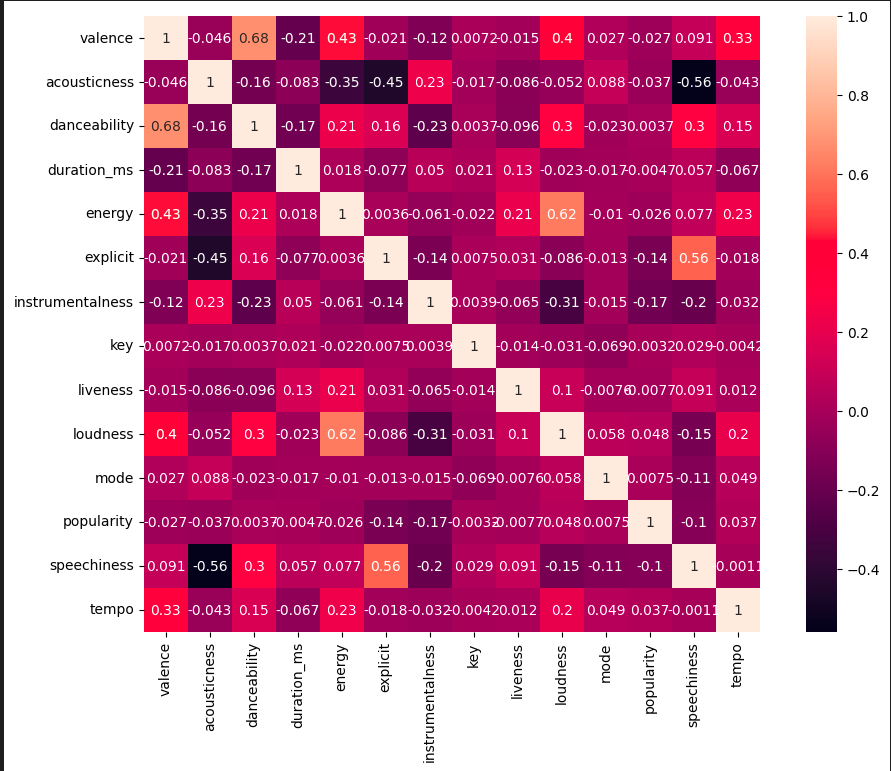
My journey to build GrooveGuard involved a multifaceted approach. I began by sourcing a comprehensive music dataset from a CSV file, ensuring its cleanliness and accuracy. Leveraging Python and essential libraries such as NumPy, pandas, and scikit-learn, I preprocessed and transformed the data. I crafted visualizations using matplotlib and seaborn to glean insights into musical trends and correlations. The KMeans clustering algorithm played a pivotal role in my feature engineering process.
The creation of the SpotifyRecommender class brought my project to life. With meticulous coding and algorithmic finesse, I enabled the system to calculate the Manhattan distance and orchestrate the most harmonious recommendations. I worked diligently, brainstorming ideas and troubleshooting, to ensure the project's success.
Challenges I ran into
As with any ambitious project, challenges presented themselves along the way. Integrating the complex KMeans clustering algorithm into my recommendation system required in-depth understanding and optimization. Handling and preprocessing a diverse music dataset was not without its intricacies, demanding careful data wrangling to ensure accurate results. Debugging and refining the recommendation algorithm also proved to be a demanding task, as I aimed to strike the perfect balance between accuracy and diversity in recommendations.
Accomplishments I'm proud of
I take pride in several accomplishments that define my GrooveGuard journey. My ability to navigate complex algorithms and effectively implement them within the project framework showcases my technical prowess. The creation of the SpotifyRecommender class, which encapsulates the recommendation logic, highlights my dedication to building clean and efficient code. Crafting insightful visualizations that offer valuable insights into musical trends adds an extra layer of depth to my accomplishments.
What I learned
Through the GrooveGuard project, I deepened my understanding of machine learning algorithms, data preprocessing techniques, and collaborative coding practices. I gained valuable experience in visualizing data to draw meaningful conclusions and insights. Additionally, the project emphasized the importance of resilience and adaptability when facing technical challenges. It also highlighted the power of merging different domains, like music and technology, to create innovative solutions.
What's next for Spotify_recommendation
The journey of GrooveGuard is far from over. In the future, I plan to enhance the recommendation algorithm by incorporating user feedback and preferences. I aim to integrate sentiment analysis techniques to tailor recommendations based on the emotional context of a song. Expanding the recommendation system to cover entire playlists and genres is also on my roadmap. As technology evolves, I envision integrating real-time data streams to ensure my recommendations remain up-to-date and aligned with the ever-changing musical landscape. My goal is to continue refining and expanding GrooveGuard to offer an unparalleled music exploration experience.
Built With
- machine-learning
- matplotlib
- numpy
- pandas

Log in or sign up for Devpost to join the conversation.