-
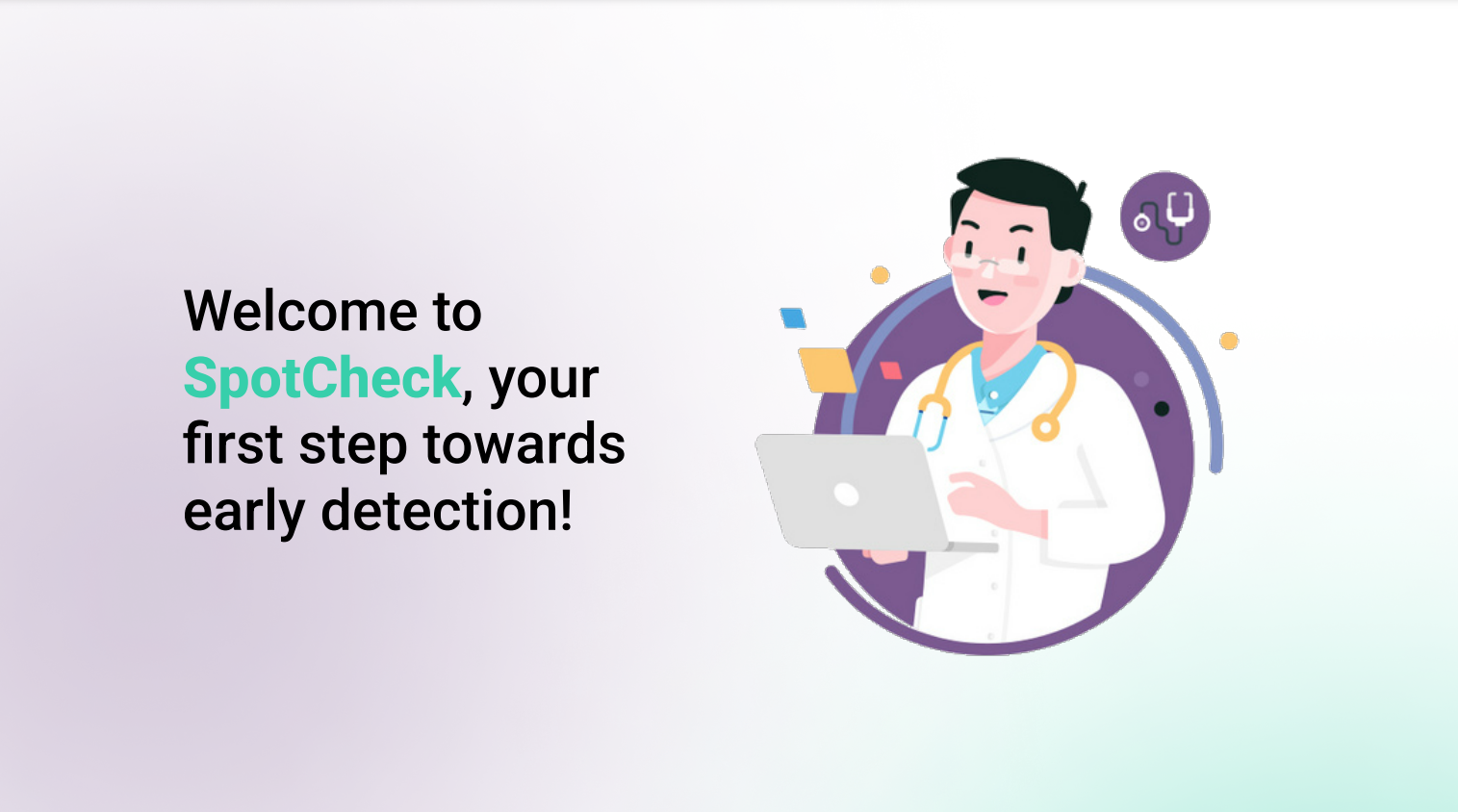
The landing page
-
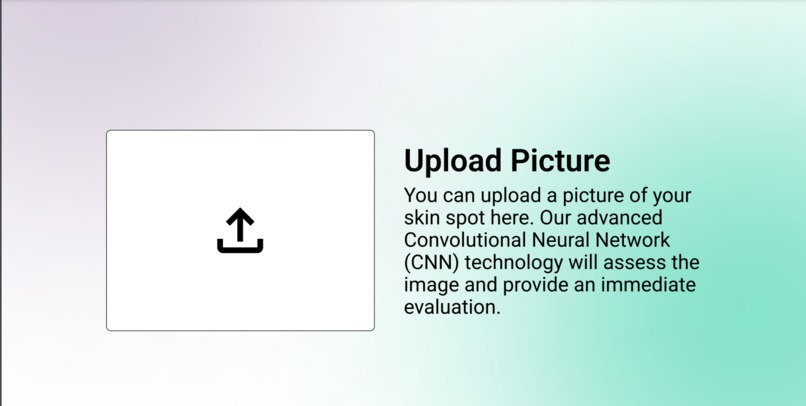
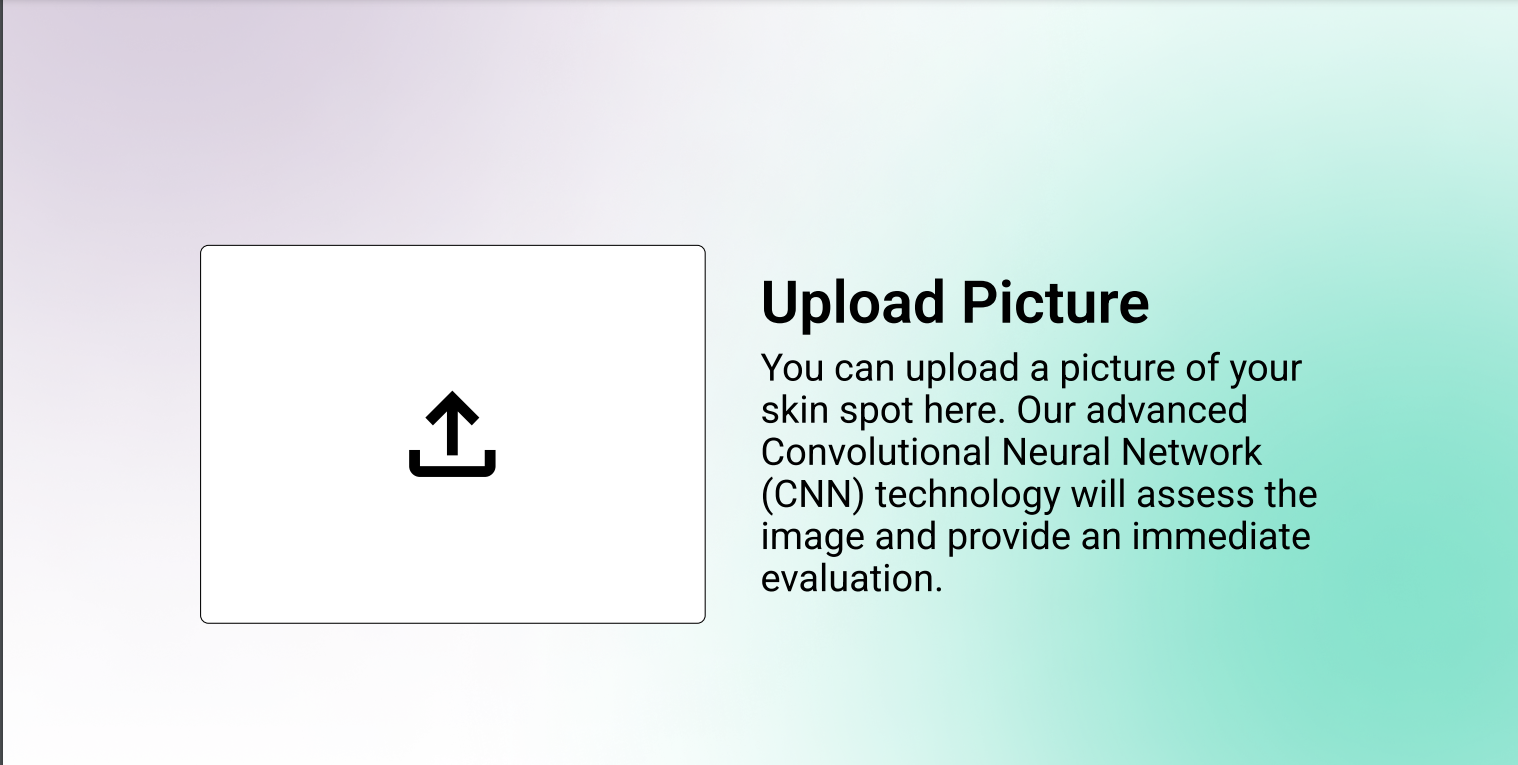
Upload the pictures
-
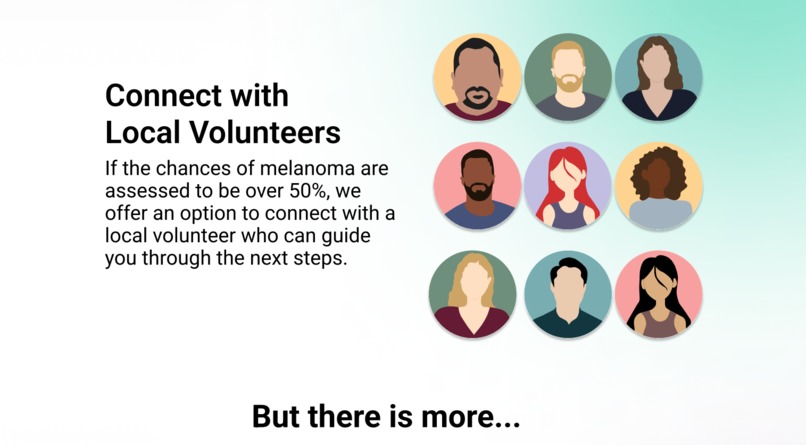
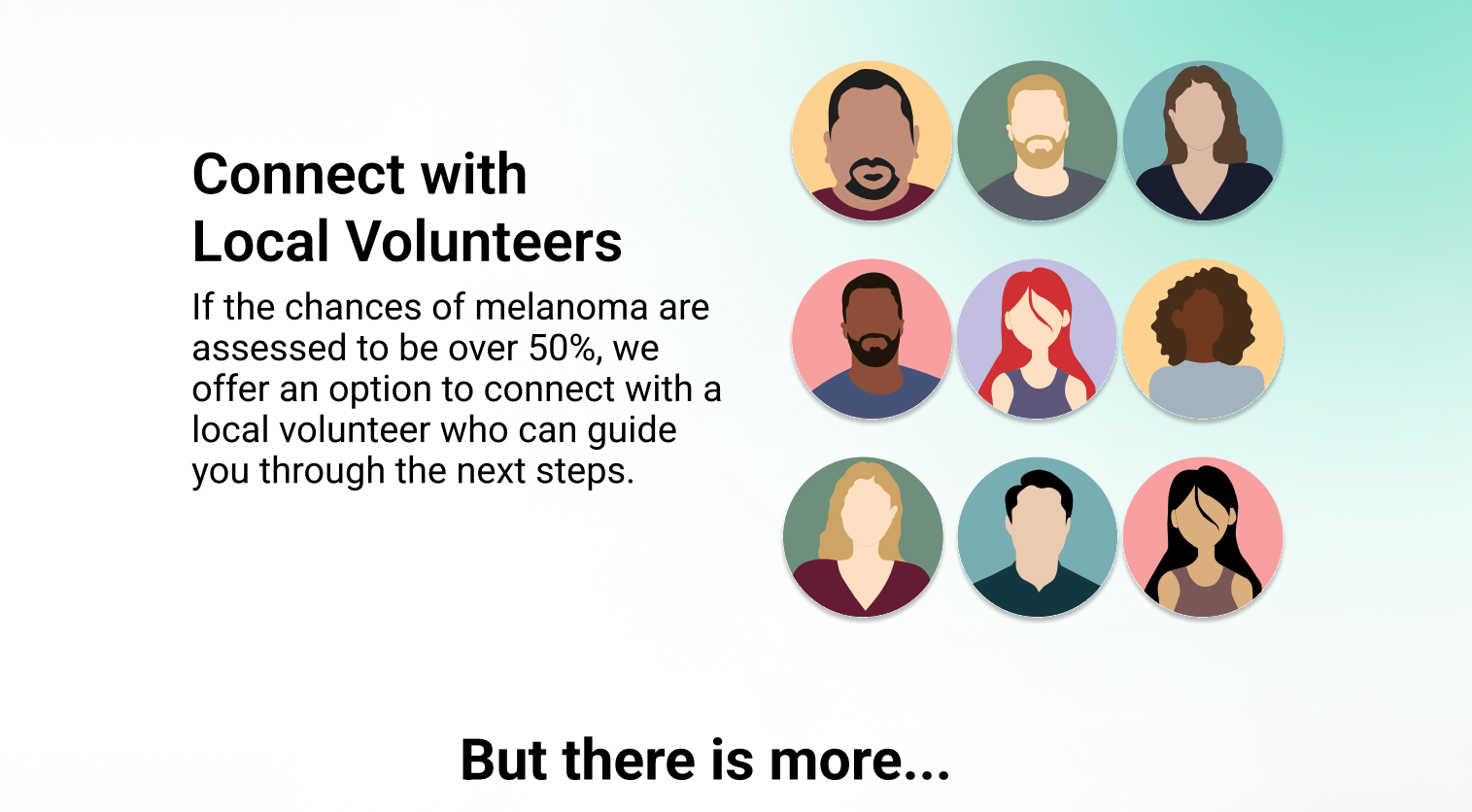
raise a carealert
-
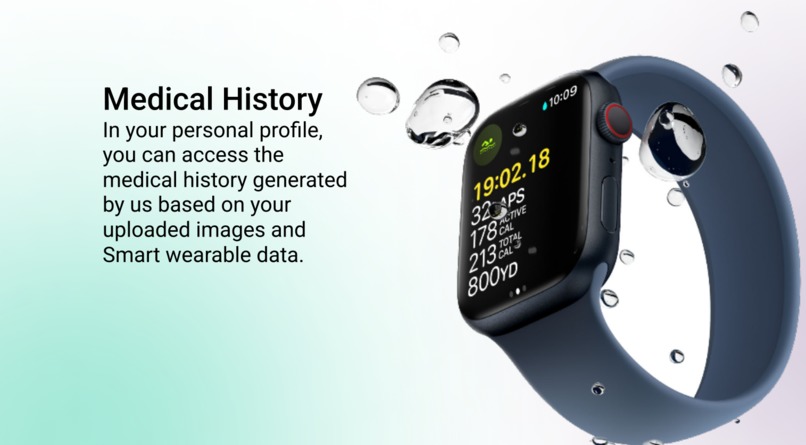
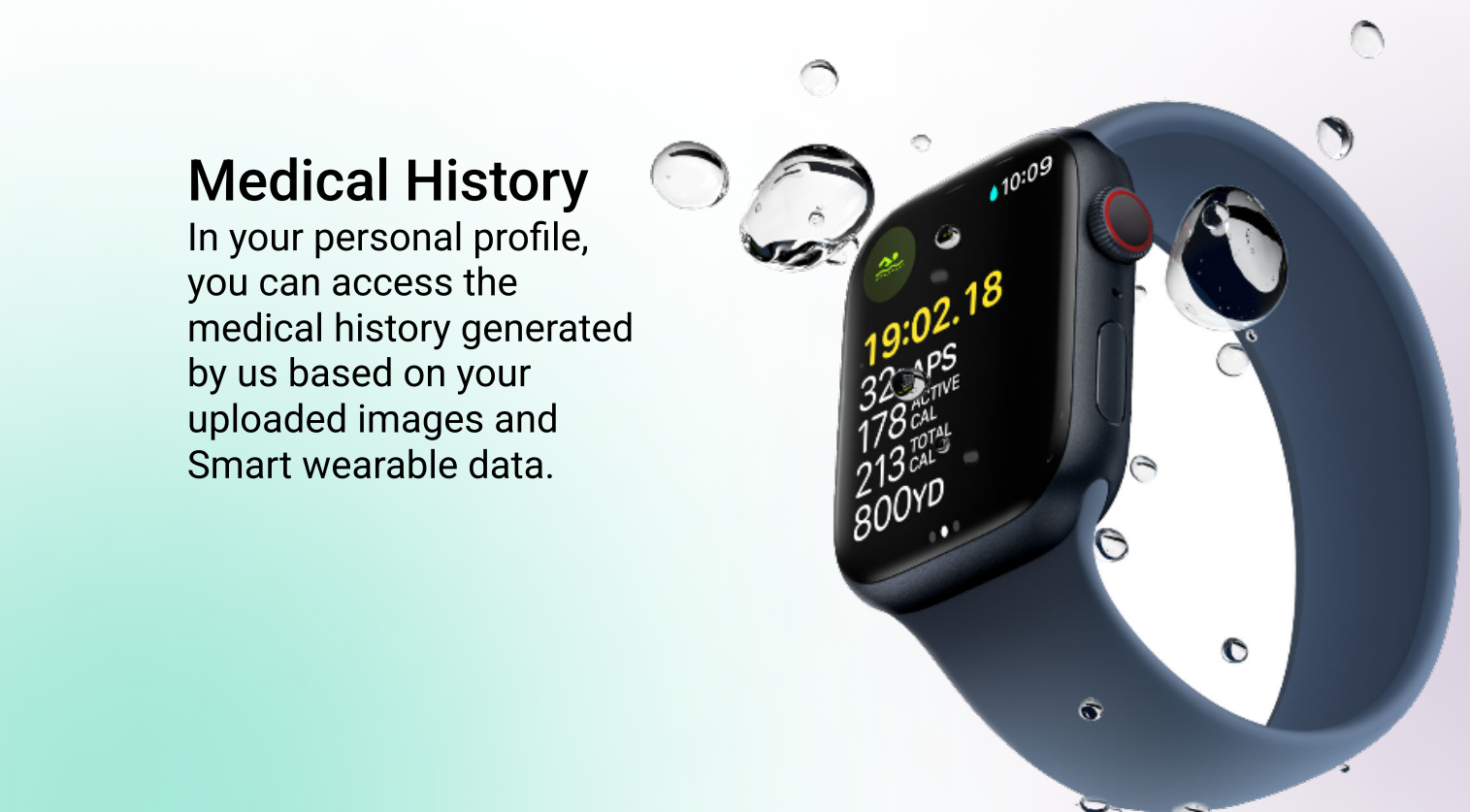
Updated medical history by smartwatches data
-


Inspiration The spark for SpotCheck was ignited by a personal experience involving a family member's diagnosis of skin cancer. The emotional and medical journey that followed was an eye-opener. We realized that early detection could be a lifesaver, yet many people don't have easy access to dermatological care. We aimed to bridge this gap using technology, making early detection accessible to everyone.
What it does SpotCheck is a web-based application that allows users to upload images of their skin conditions. It employs a deep learning model to analyze the images and provide a risk percentage for skin cancer. The application also offers a summary of the results and preventive measures, along with a 'CareAlert' button that guides users on the next steps they should take.
How we built it We used Python as our primary programming language. The backend is built on Flask, and the front end is designed using HTML and CSS. The core of SpotCheck is a machine learning model developed using TensorFlow and Keras. We employed the VGG16 architecture, fine-tuned for skin cancer detection. Data augmentation techniques were used to improve the model's performance and robustness.
Challenges we ran into Handling imbalanced data was a significant challenge. We tackled this by augmenting our dataset, ensuring that the model was trained on a diverse set of images. Another hurdle was creating a user-friendly interface. We iterated through multiple UI/UX designs to achieve a soothing and intuitive user experience.
Accomplishments that we're proud of We're incredibly proud of the 'CareAlert' feature, which is more than just a button; it's a call to action. It embodies our commitment to guide the user through their healthcare journey. We're also proud of the model's accuracy and the positive feedback we've received from healthcare professionals during our testing phase.
What we learned We learned that the intersection of healthcare and technology is a powerful space for innovation. We gained valuable insights into machine learning, data augmentation, and UI/UX design. Most importantly, we learned that even complex problems like early cancer detection could be tackled with the right blend of technology and compassion.
What's next for SpotCheck The next steps include refining the model to increase its accuracy further and expanding the types of skin conditions it can detect. We're also planning to integrate SpotCheck with healthcare providers to streamline the process from detection to consultation.
Built With
- accessible-through-any-modern-browser-cloud-services:-none-as-of-now
- but-considering-integration-with-healthcare-apis-for-future-development-other-technologies:-vgg16-for-the-deep-learning-architecture
- but-planning-to-integrate-aws-for-model-deployment-and-data-storage-databases:-currently
- cancer
- css
- git
- git-for-version-control-this-diverse-tech-stack-allows-us-to-create-a-robust-and-scalable-solution
- html
- imagedatagenerator-for-data-augmentation
- javascript-frameworks:-flask-for-the-backend
- languages:-python
- tensorflow-and-keras-for-machine-learning-platforms:-web-based
- vgg16
- we-are-not-using-any-databases-but-have-plans-to-incorporate-sqlite-for-user-data-and-history-apis:-none


Log in or sign up for Devpost to join the conversation.