Inspiration
We wanted to explore new technologies and, primarily, learn how to integrate AI models into applications. AI is powerful—it helps solve complex problems and opens doors to building exciting projects. Our thought process was simple: “What do we want to build?” AI became our partner, assisting us in turning ideas into reality. It doesn’t matter if we think we can or cannot build something—AI is always there to help us, without any obstacles. So, let’s get started together!
What it does
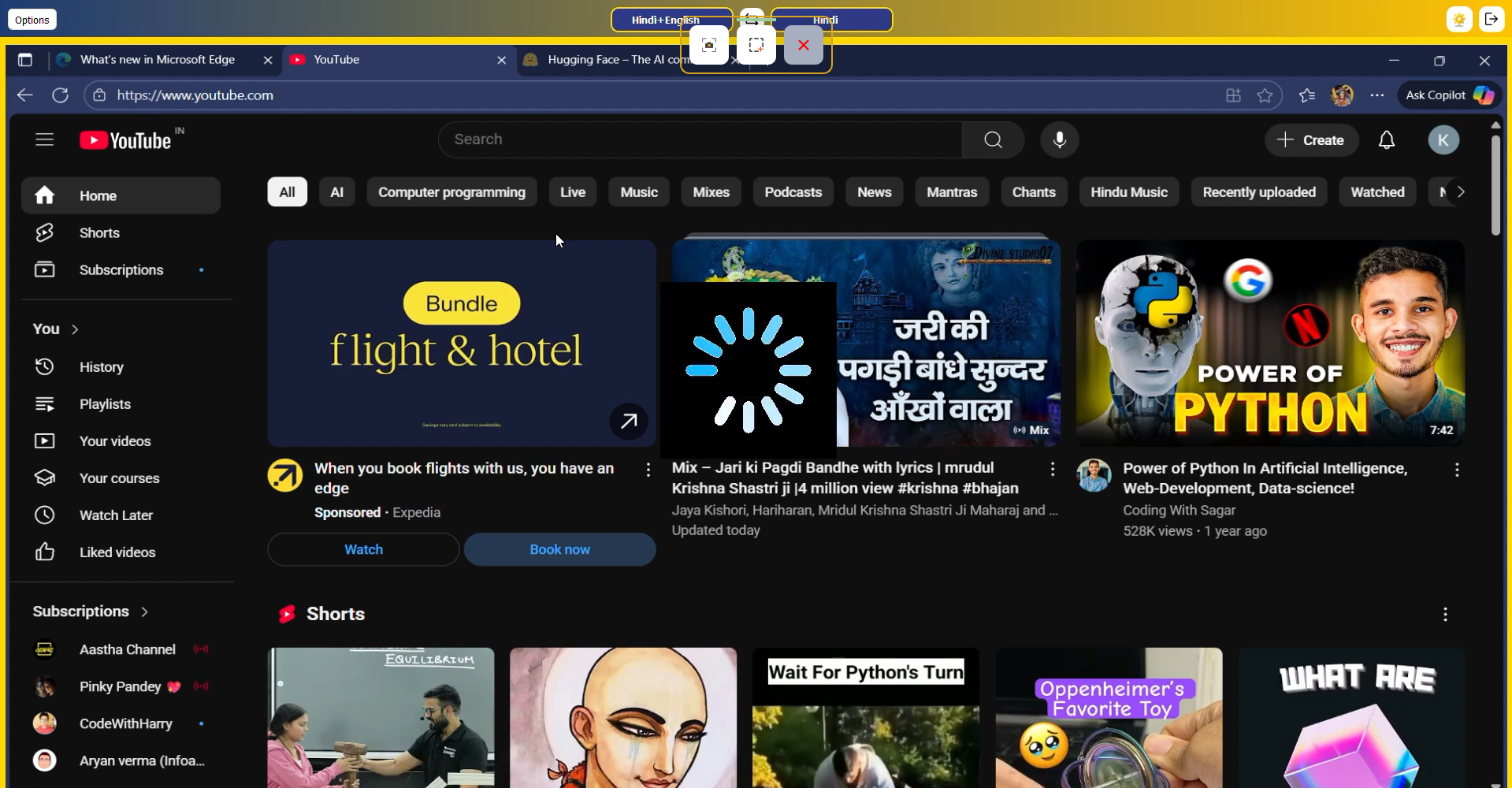
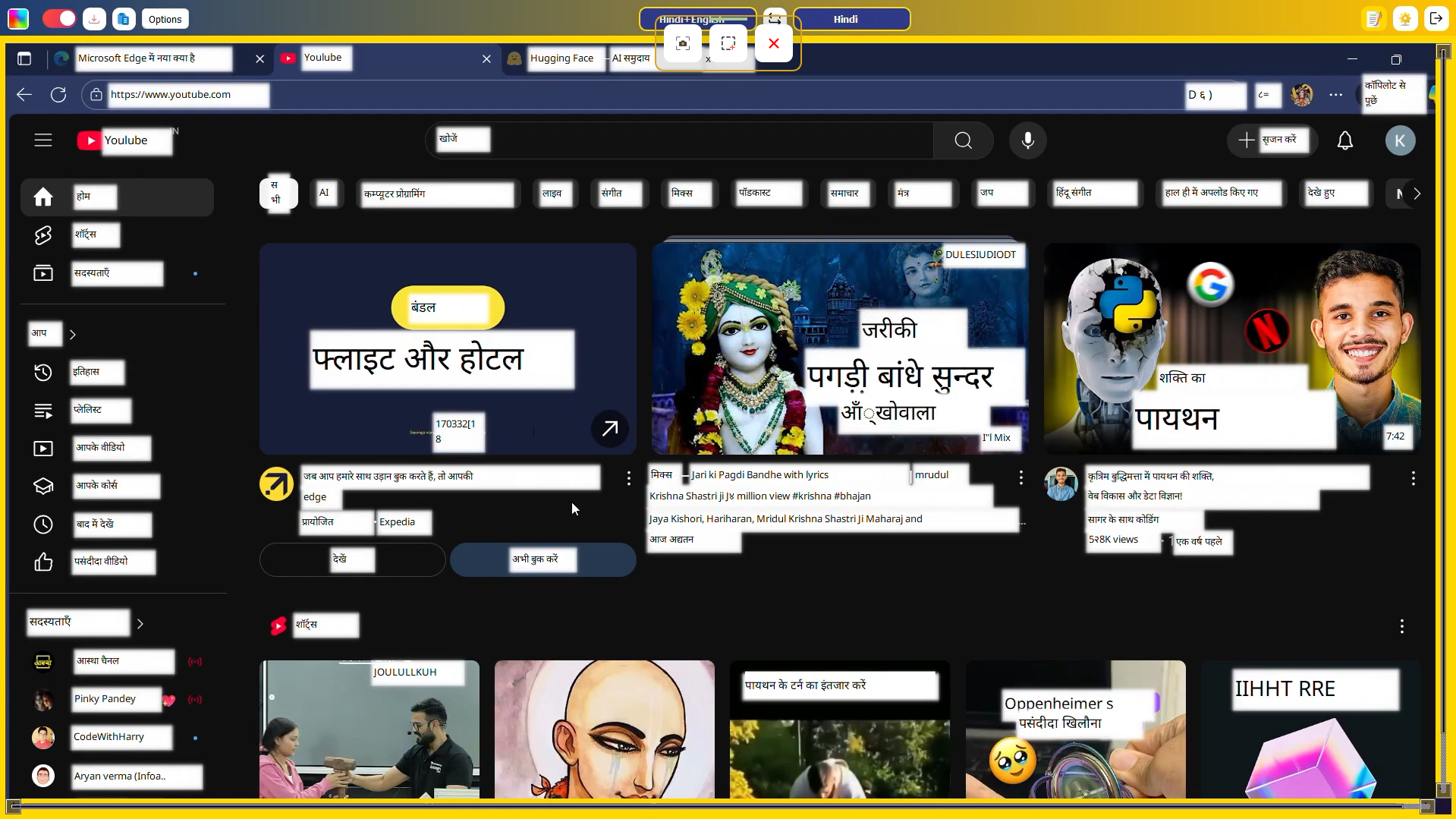
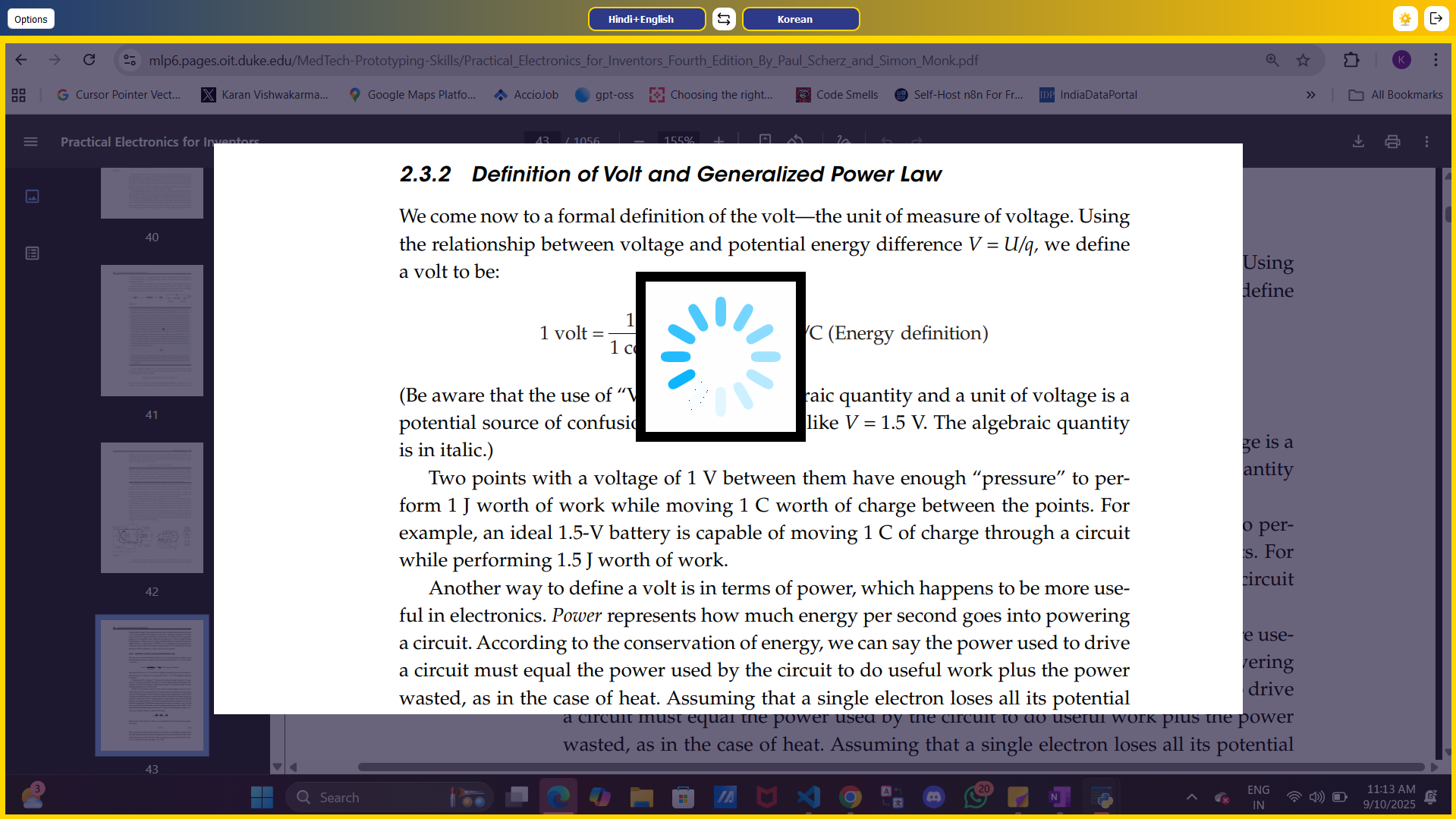
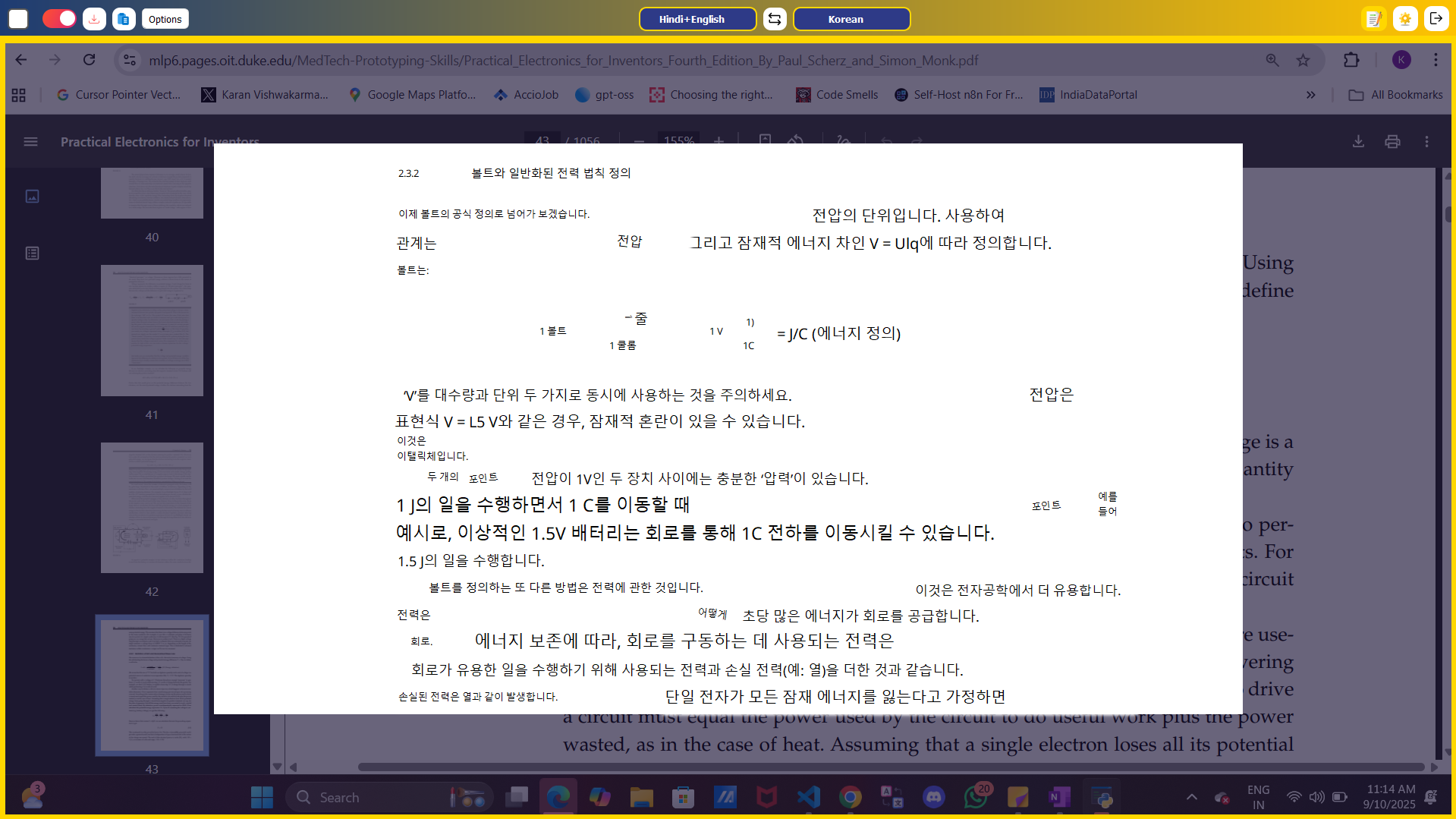
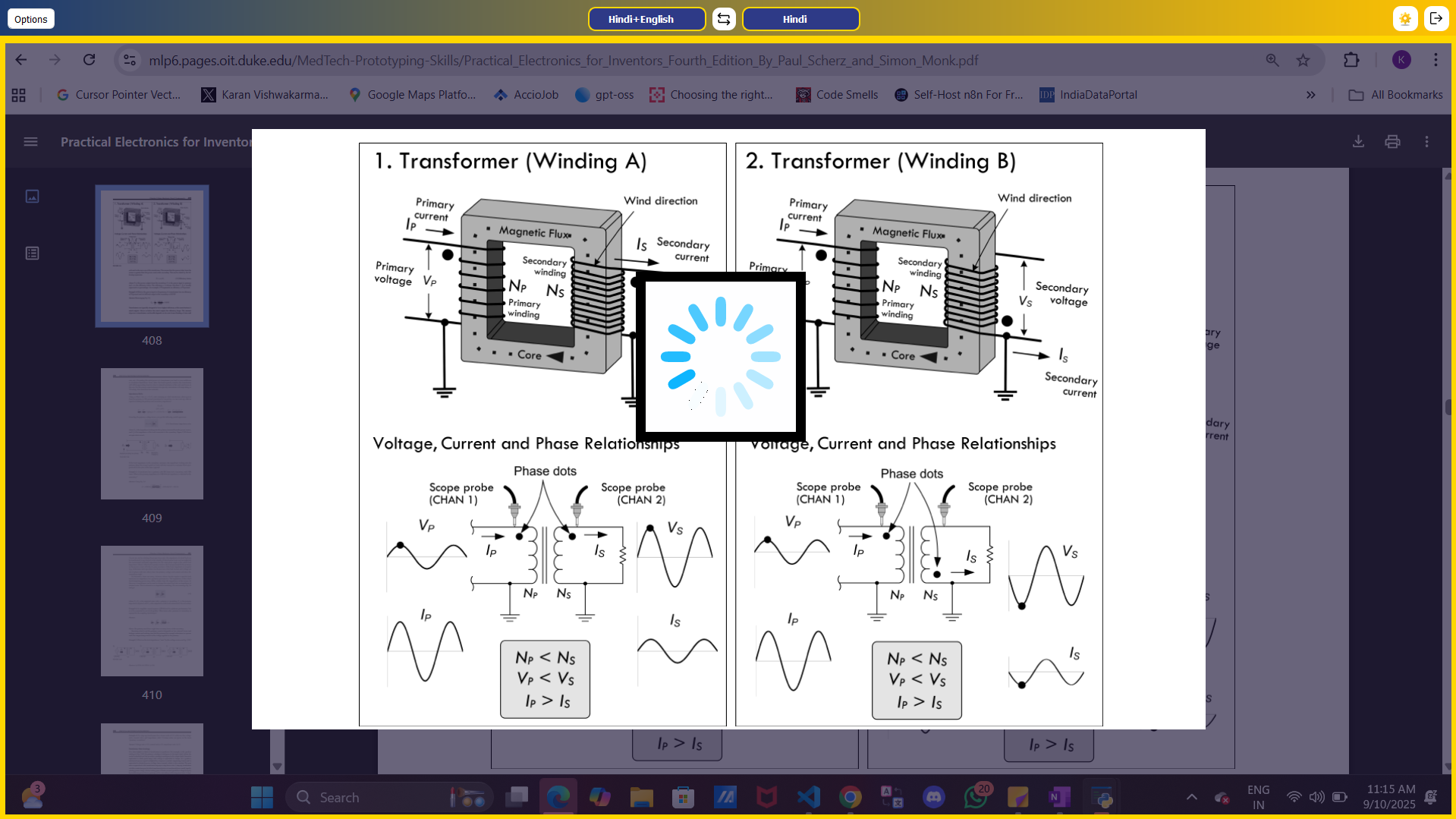
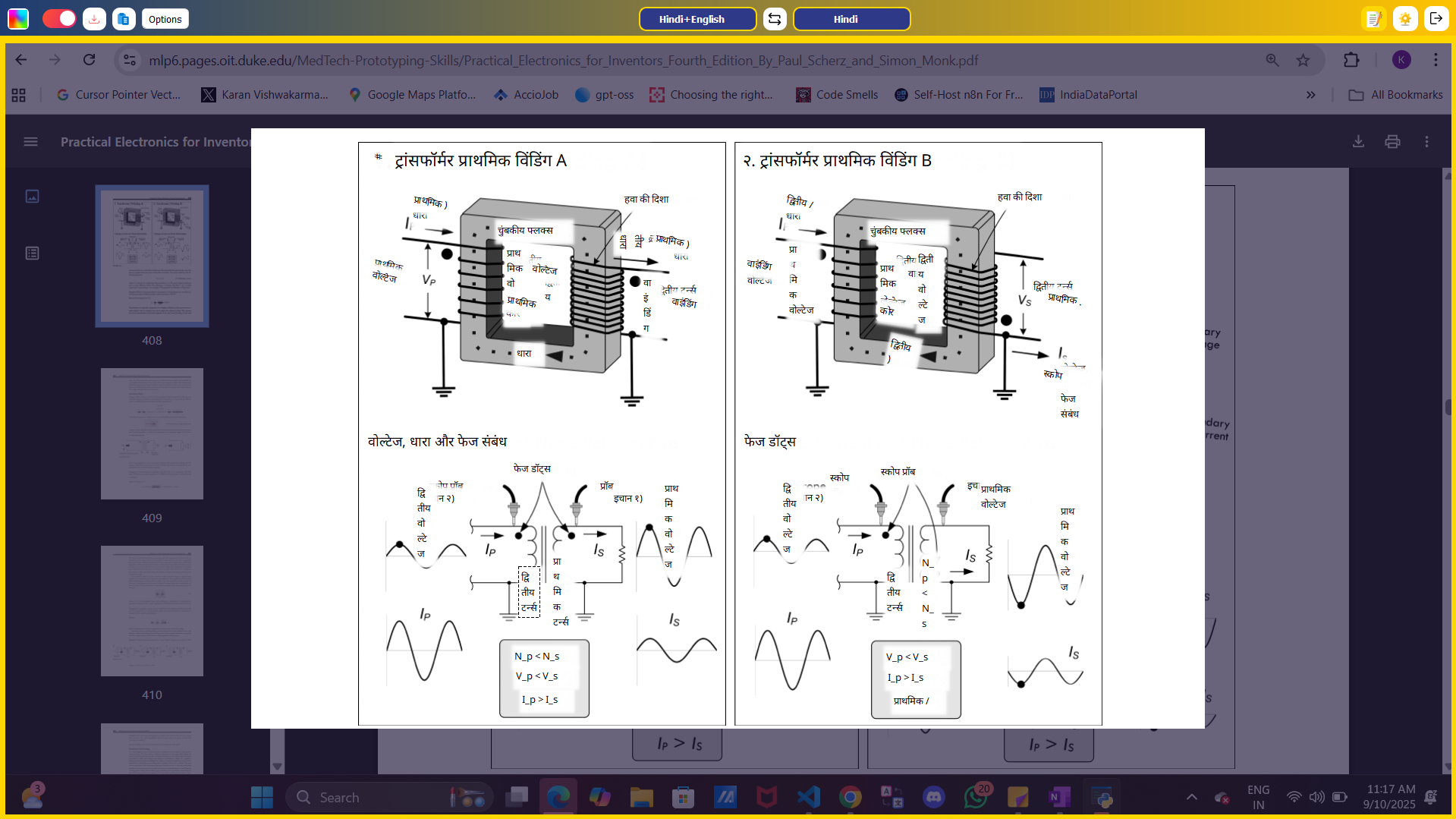
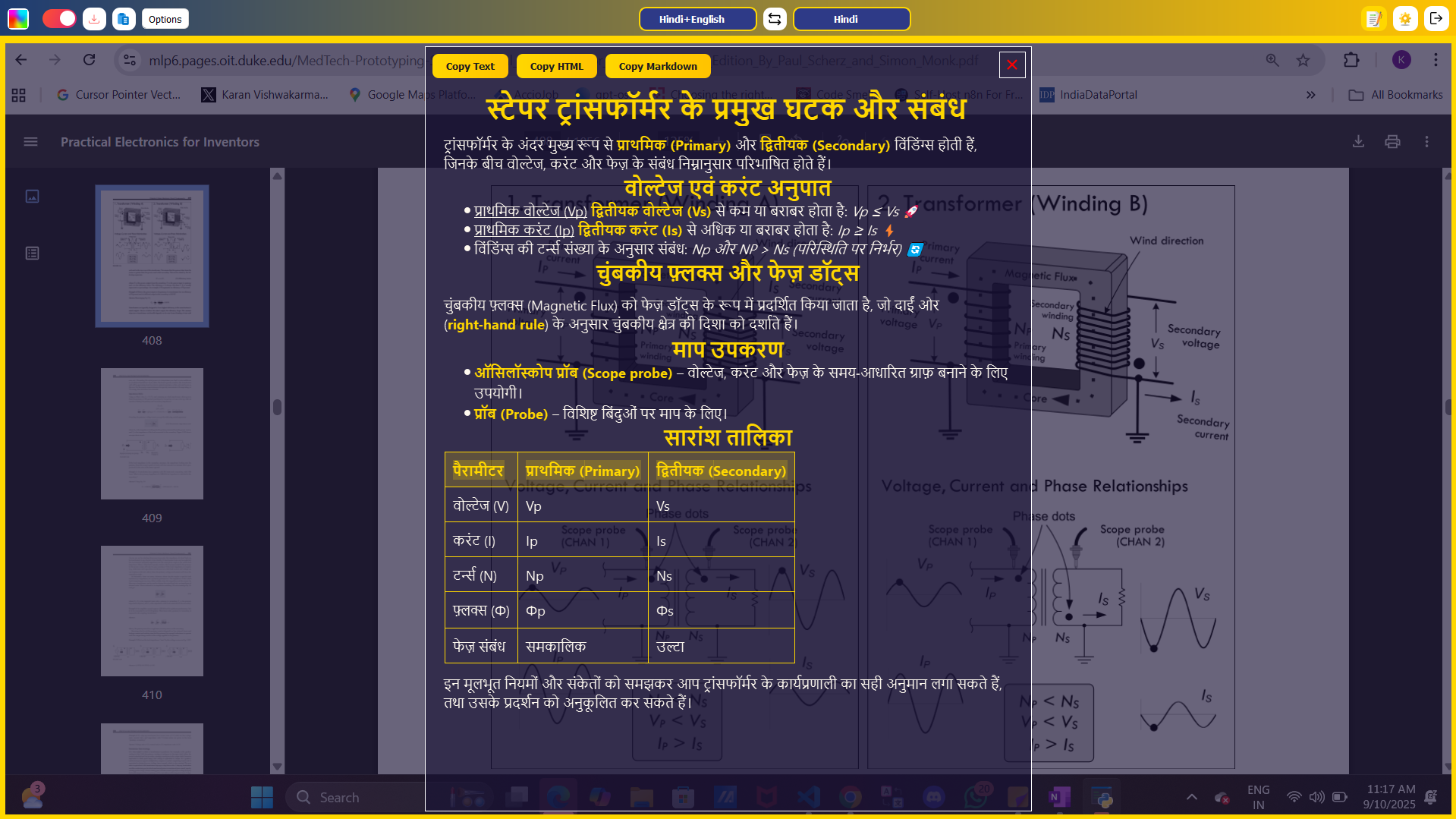
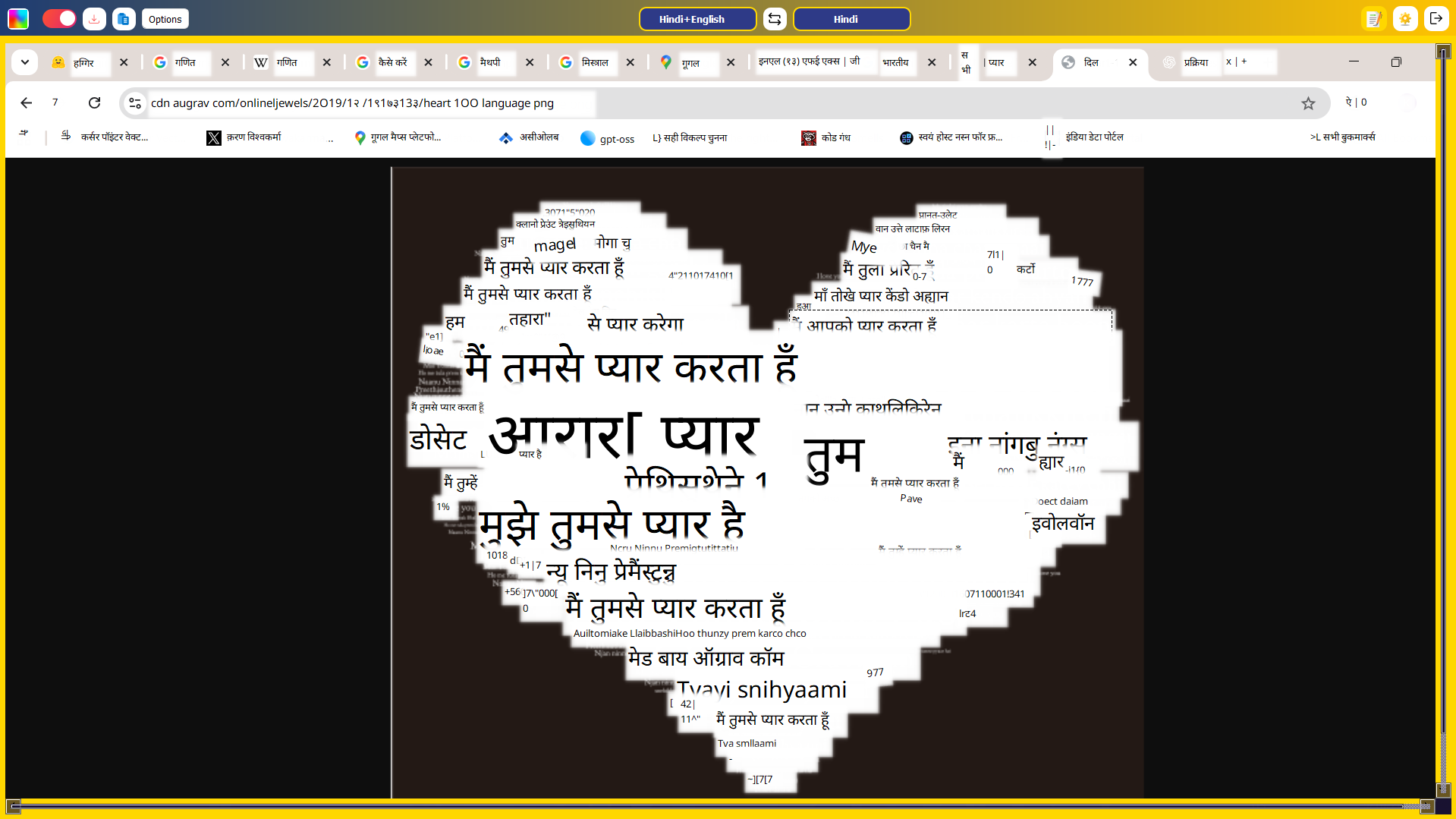
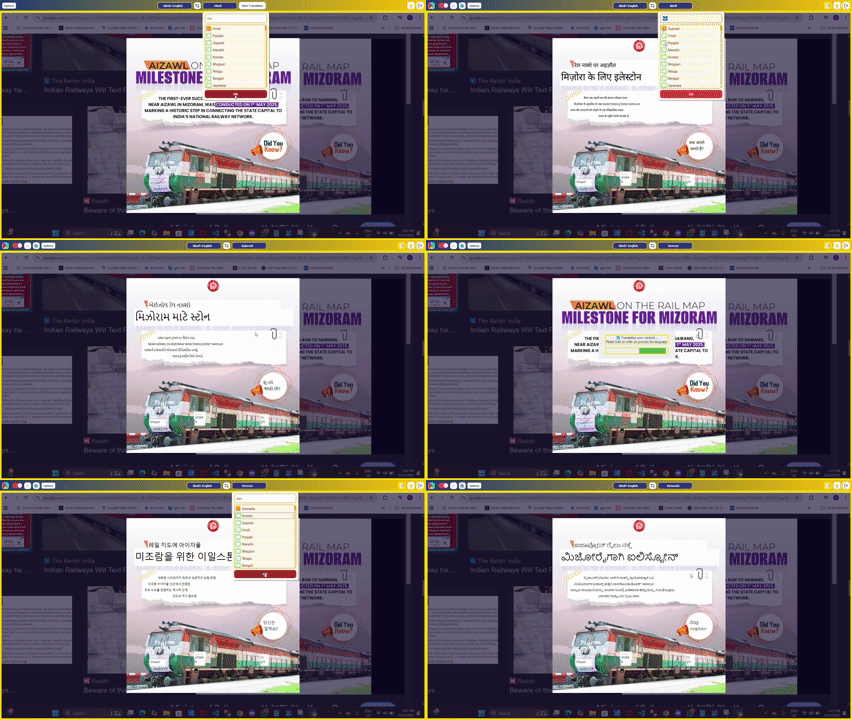
Spot Translation NLP is a local desktop application that acts as a screen translator. It allows users to select any area on the screen for translation, making it very easy and user-friendly. This is especially useful in scenarios where text cannot be selected directly. The app captures the area and translates the content of the whole screen or selected section seamlessly.
How we built it
We built the application using Python with the PyQt5 framework to create a desktop GUI. Text is extracted from screenshots using EasyOCR, and translation is powered by GPT-OSS:20B. Like other LLMs, GPT-OSS understands multiple languages—including native/local languages—and provides context-aware translations.
Challenges we ran into
One of our main challenges was choosing the right OCR for the application and building a smooth GUI. Integrating GPT-OSS:20B locally was tricky since it doesn’t run smoothly on all laptops. To overcome this, we used the Hugging Face inference API key for GPT-OSS:20B, which allowed the application to work locally. Users with more powerful systems can run the model even more efficiently.
Accomplishments we're proud of
We always wanted an application like this but couldn’t find anything similar anywhere. Spot Translation NLP allowed us to build exactly what we envisioned. Now, it’s live and fully functional—running completely locally, translating any selected area on the screen without leaving the current application. It’s flexible, always on top like a toolbar, and users can hide or unhide it as needed.
What we learned
We learned how to build a desktop application and integrate a powerful AI model like GPT-OSS into it. The most important lesson was realizing that, with AI support, we can build tools ourselves instead of waiting for someone else to create them.
What’s next for Spot Translation NLP
Next, we plan to extend the application with audio support, allowing users to ask questions about their screen content and get spoken answers. We also want to add more AI-powered features for easier interaction, making the app even more intuitive and useful.

Log in or sign up for Devpost to join the conversation.