-
-
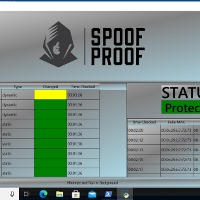
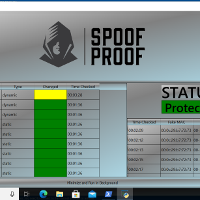
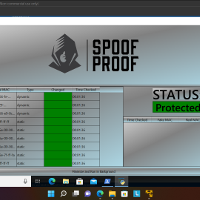
no current attack detected, but previous attack logged State
-
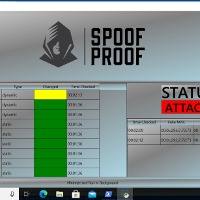
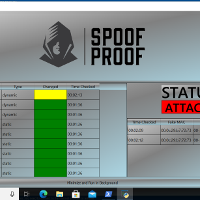
Attack detected State
-
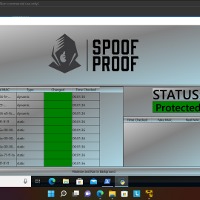
No attacks detected state
-
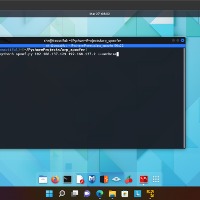
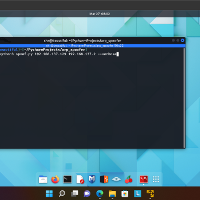
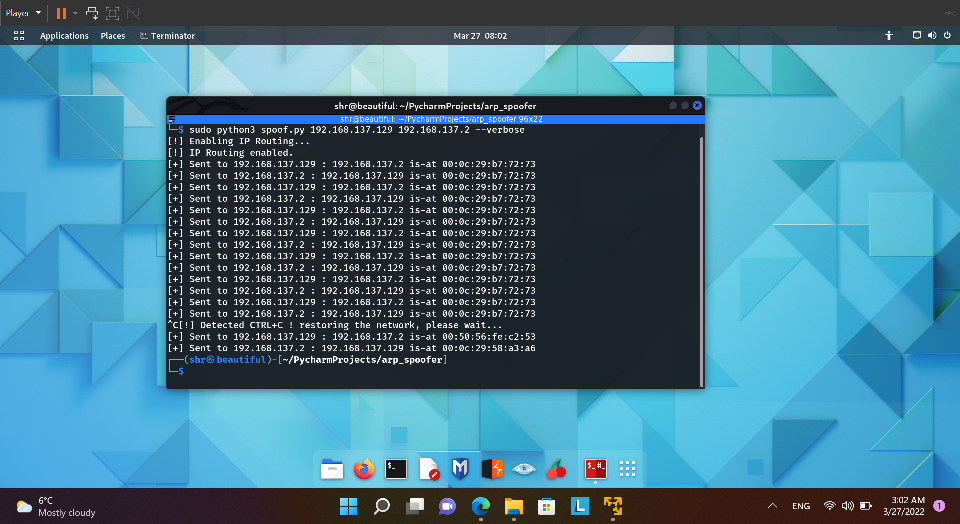
Attack starting
-
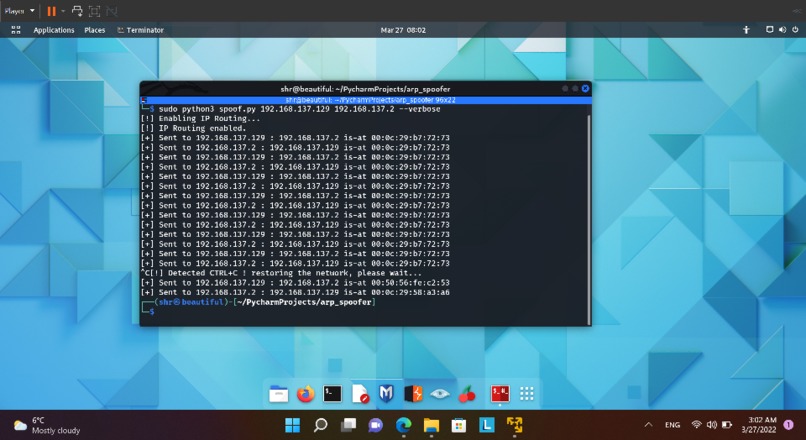
Attack happening
-
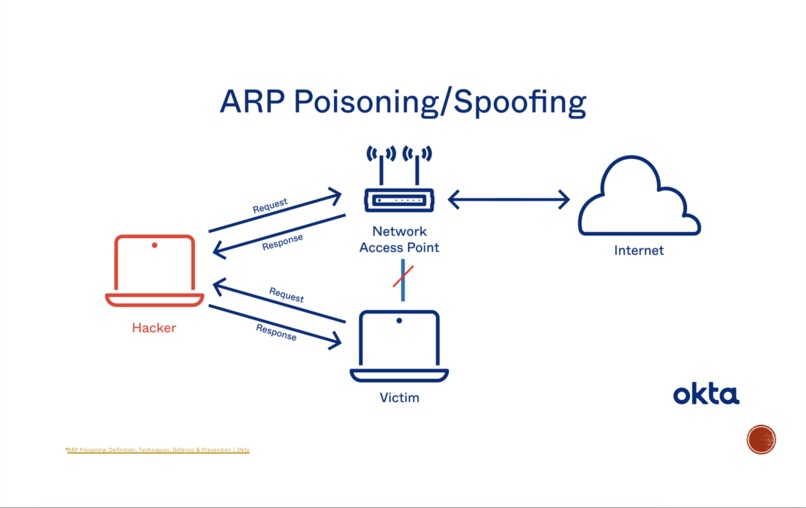
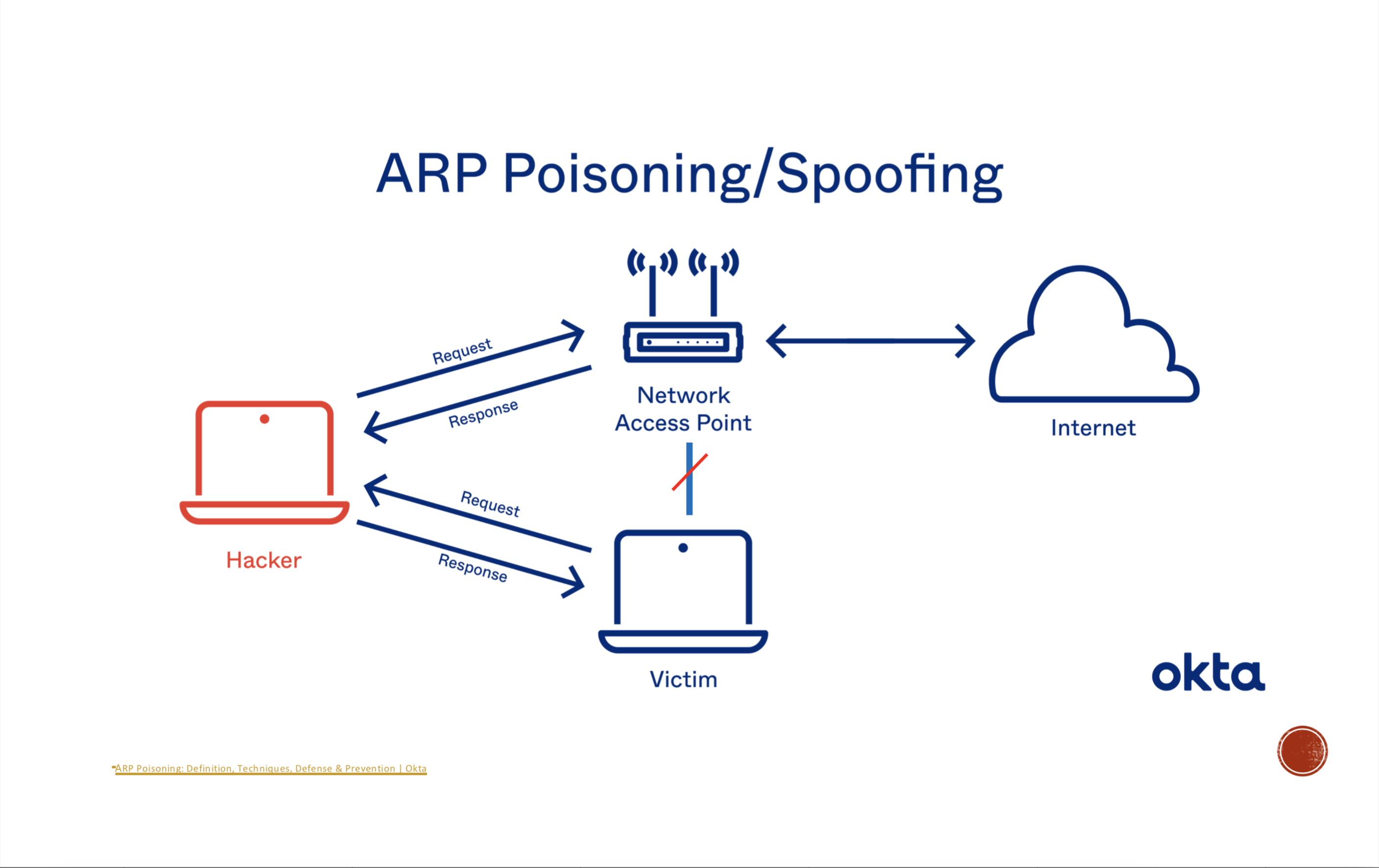
ARP Spoof infographic
Inspiration
Our main inspiration was the lack of an effective anti-ARP Spoof detector specifically for Windows machines. Even traditional, modern anti-virus programs fail to detect these types of attacks, and given the level of tremendous security risk these types of attacks pose to networks and computers, we felt the necessity to develop an open-source anti-ARP Spoof detector application that can be accessed publicly.
What it does
Spoof Proof is a “one-of-a-kind” anti-ARP Spoofing tool. It detects any ARP poisoning/spoofing attempts, logs them, maintains a real-time view of whether your computer is being victimized and connections that have been affected by ARP poisoning, and finally log the MAC address of the hacker machine that can be used for future forensics.
How we built it
Our project entails an extensive usage of different tools for backend and frontend development. Our main platform of design for the UI frontend is PyQt5, and we also use some Python modules such as Scapy to analyze & sniff data packets.
Challenges we ran into
Learning PyQt5 (lack of adequate documentation), developing the frontend and integrating it with the backend, multi-threading
Accomplishments that we're proud of
We are proud to develop and provide an effective and working anti-ARP Spoof detector that fills the gap for all Windows users to have access to a tool helping them protect themselves against ARP poisoning/spoofing attacks.
What we learned
We learned PyQt5, multi-threading in Python, some ethical hacking techniques and general computer security hygiene, packet sniffing, & man-in-the-middle attacks
What's next for Spoof Proof
We are aiming to continue adding more features to our program. The immediate next step is to make the application compatible with macOS, and Linux distributions. Moreover, in the path to developing an anti-virus type application, we will engage in further adding other security protections against different kinds of attacks.


Log in or sign up for Devpost to join the conversation.