-
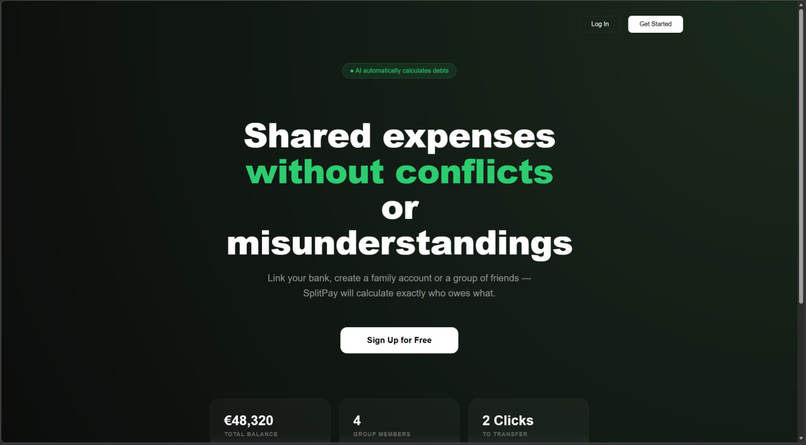
Home Page
-
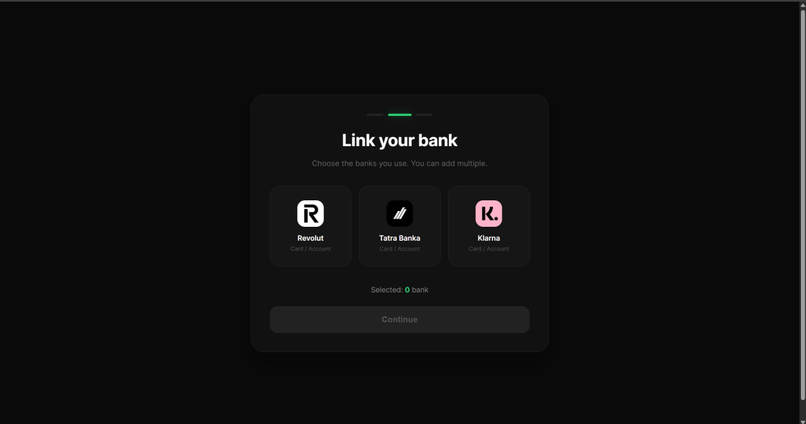
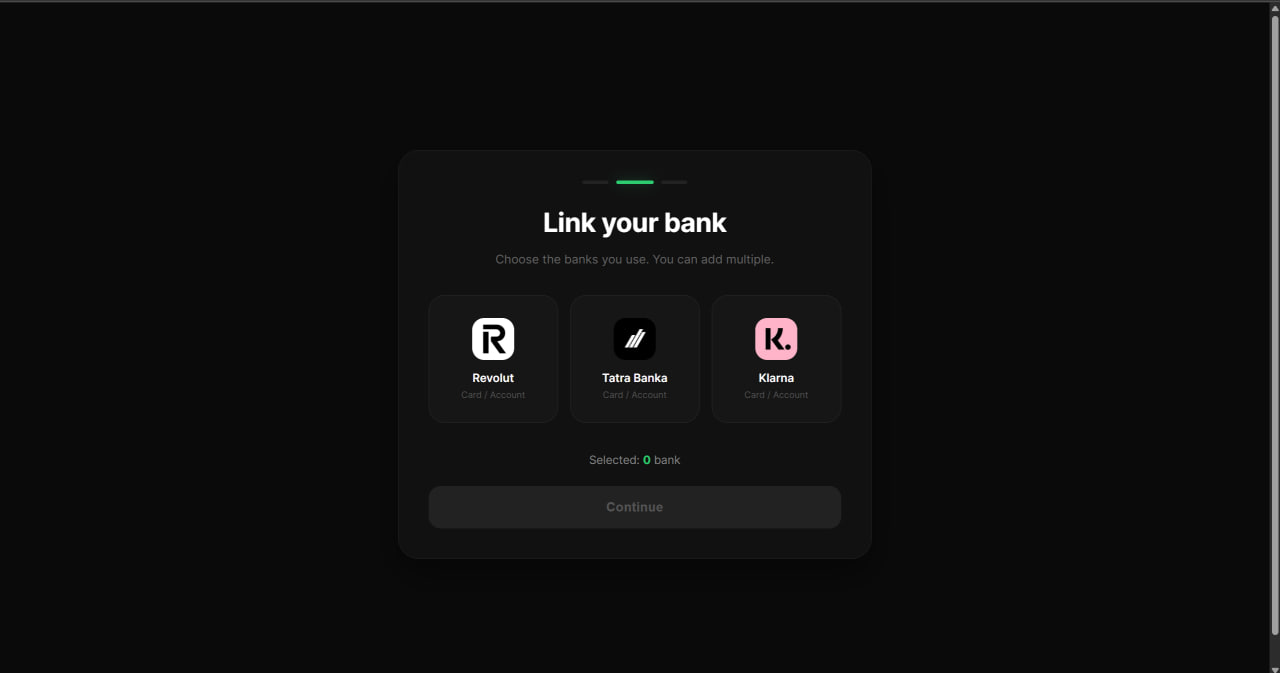
Link your bank
-
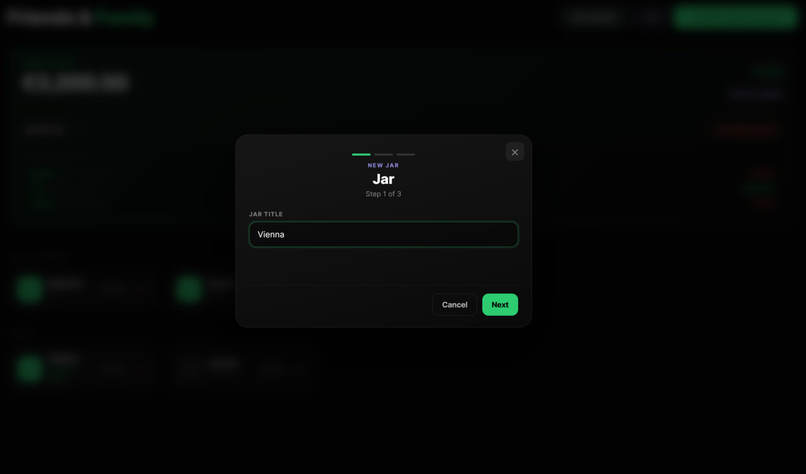
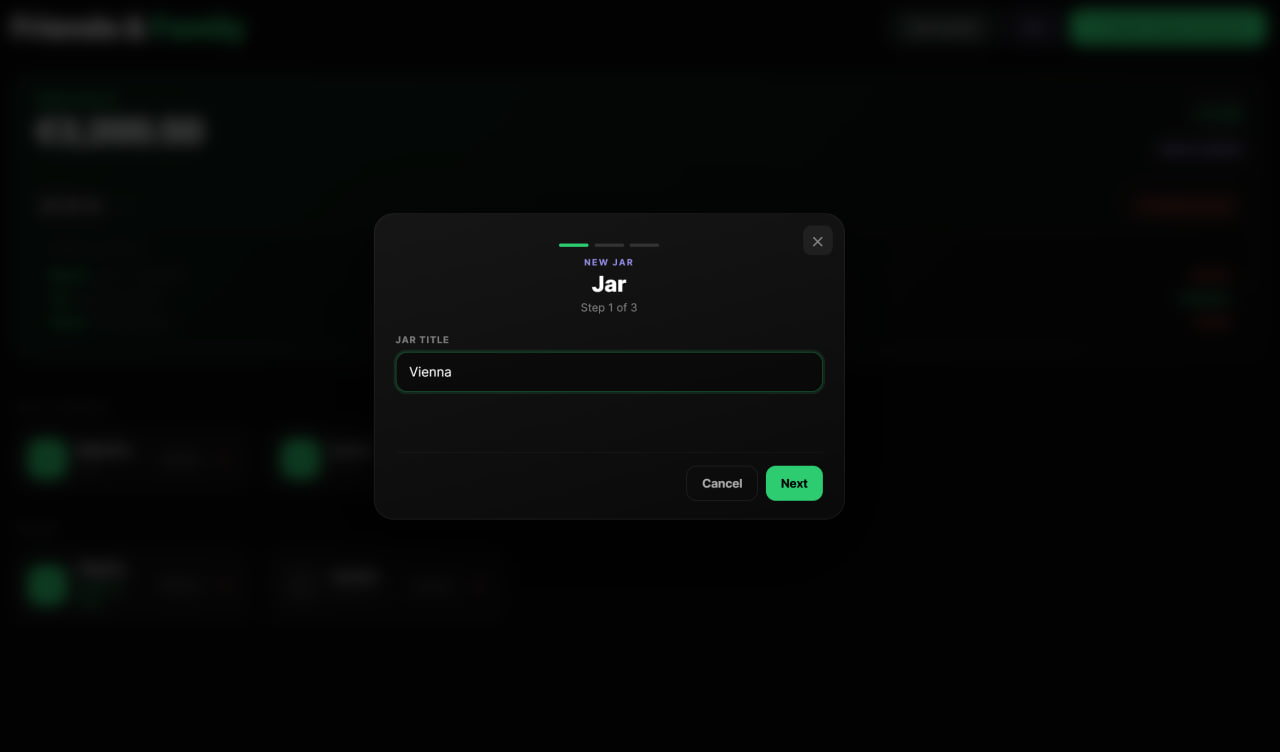
Select a title
-
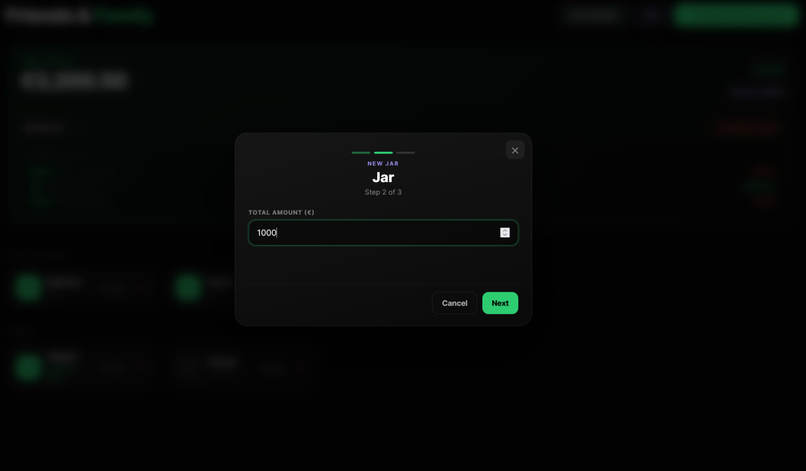
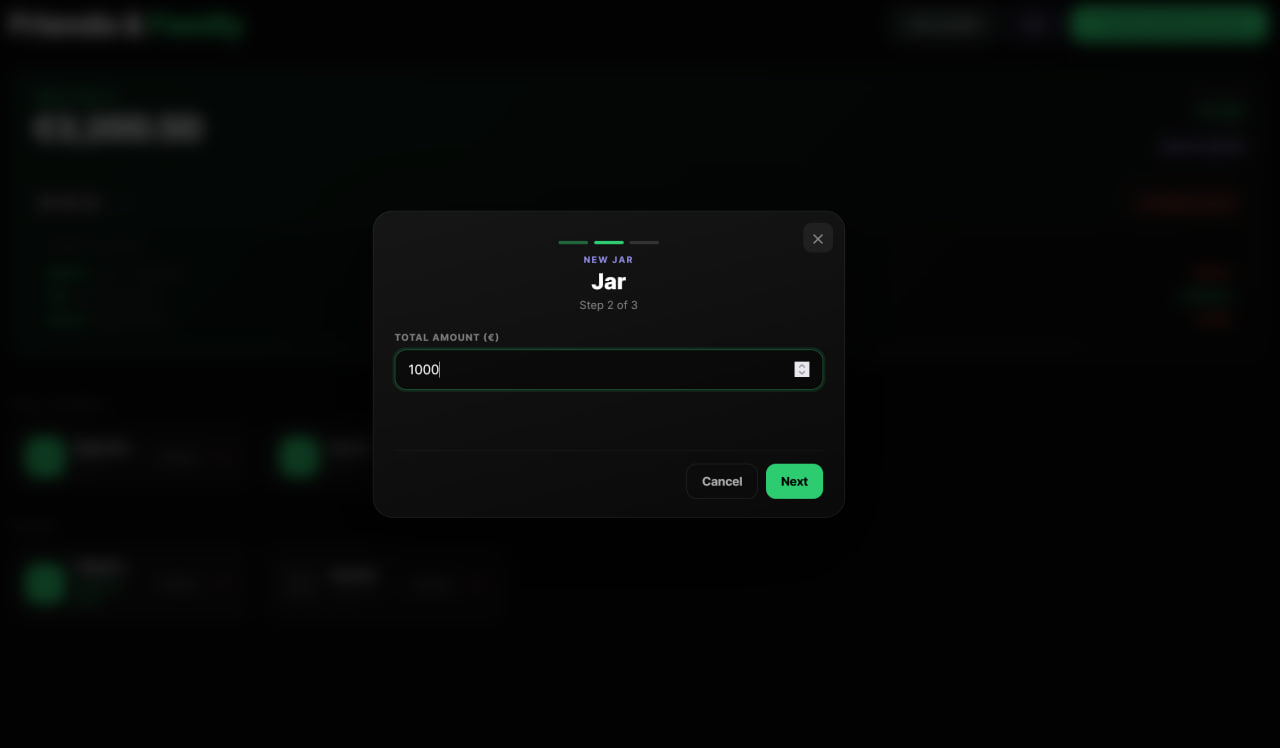
The amount of savings (contributions)
-
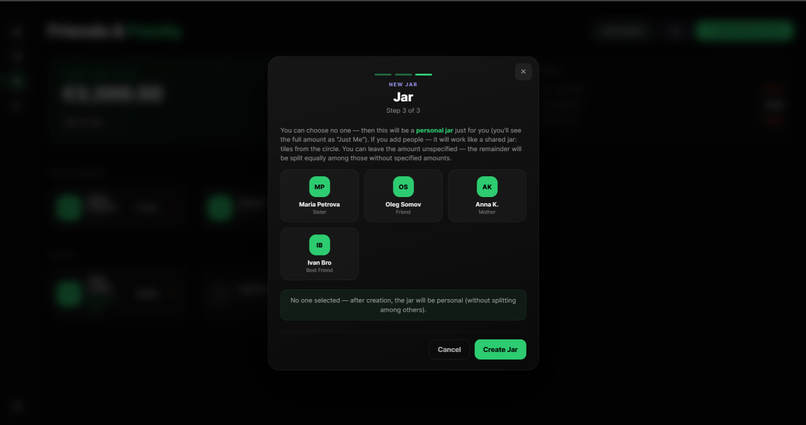
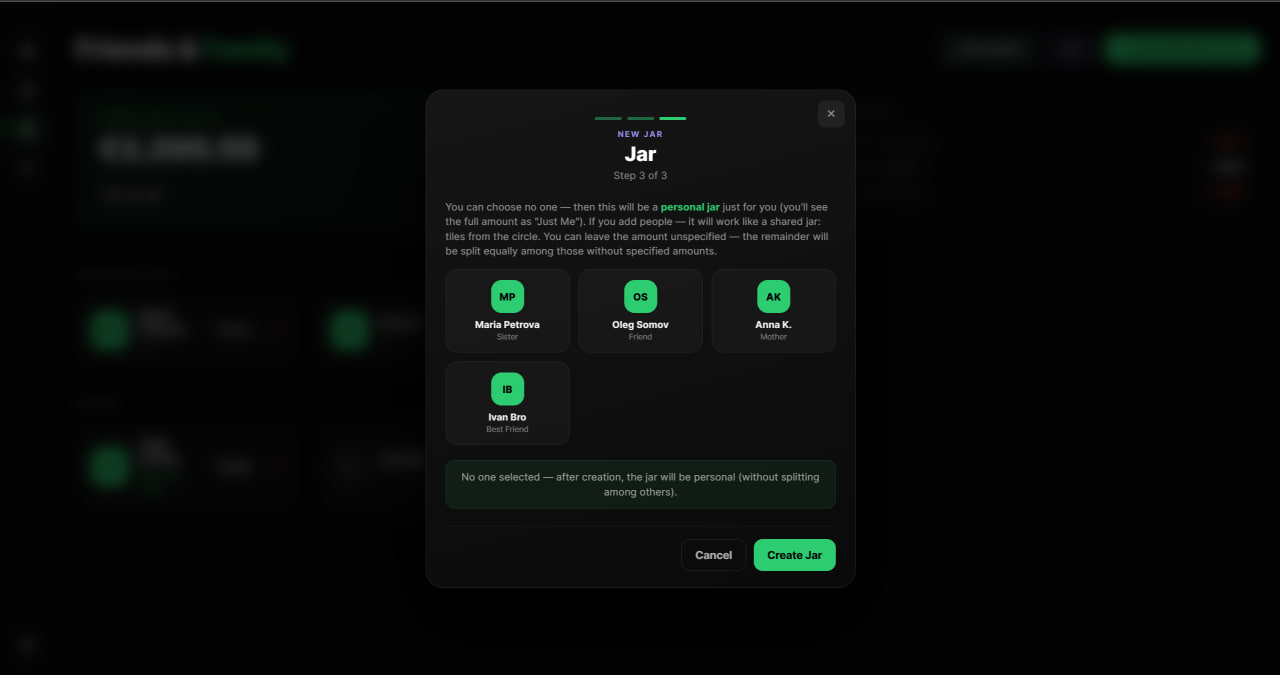
Is it accessible to users?
-
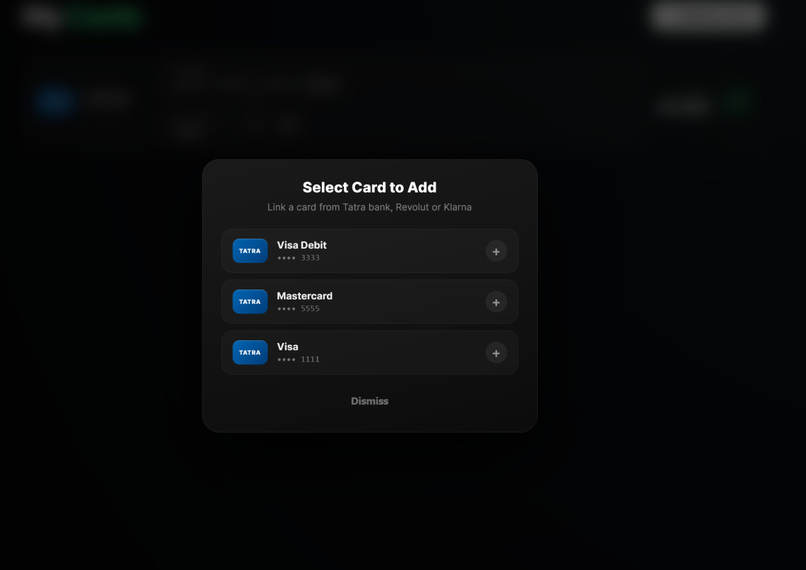
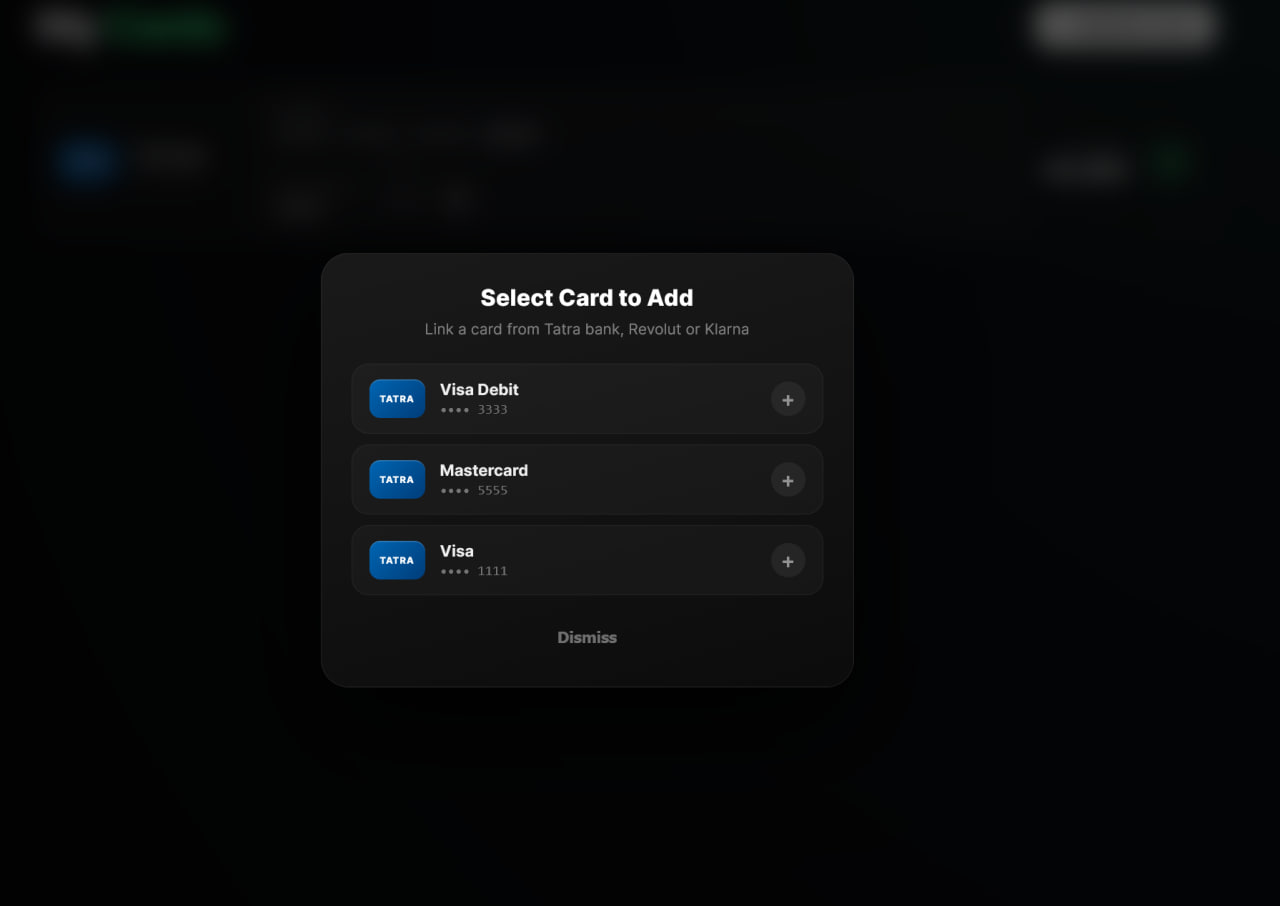
Linking bank cards to your account
-
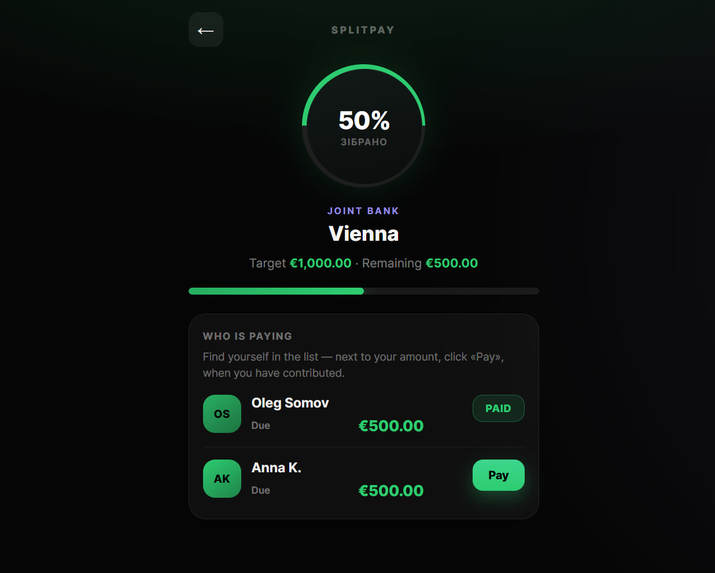
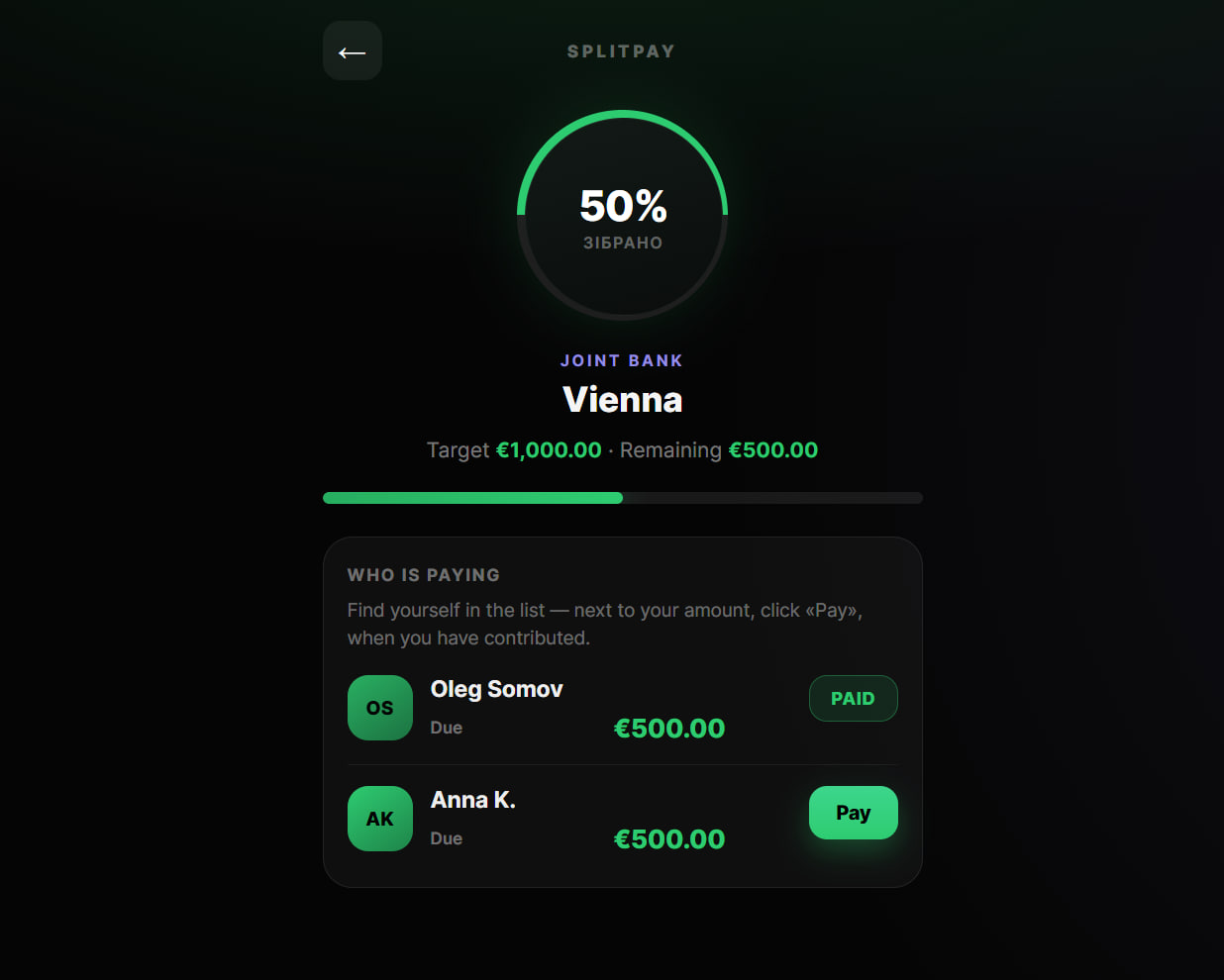
Payment of a joint account
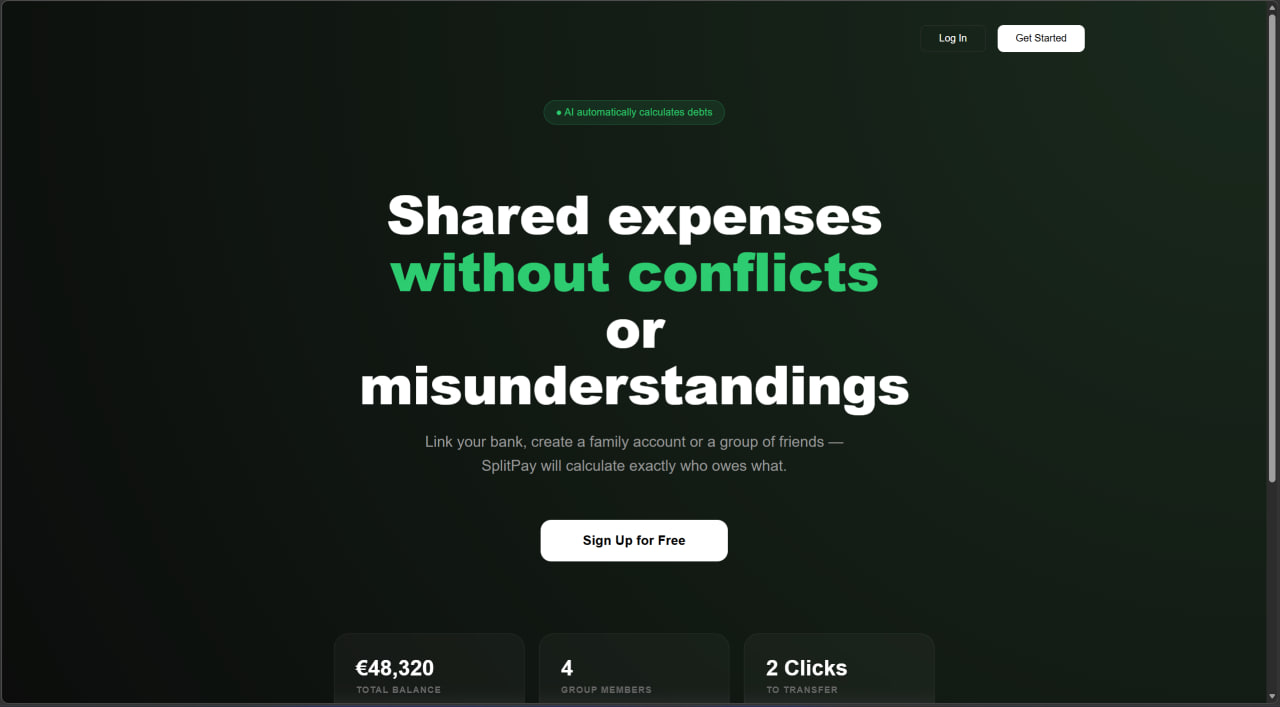
Inspiration
The idea came from real everyday frustration with how fragmented modern banking has become. Today, most people don’t rely on a single bank or even a single card-they often manage multiple accounts across different banks and even different countries. This creates unnecessary complexity in managing personal finances, where each card is linked to a specific purpose (online shopping, salary, etc.)
The problem becomes especially clear in situations such as:
collecting money for trips or shared experiences with friends splitting expenses in group activities organizing family budgets saving for multiple goals at the same time
Instead of being simple, these scenarios often turn into a mess of transfers, IBAN exchanges, reminders, and manual tracking.
This is where the idea was born: to create a unified financial layer where users don’t just store money, but organize it into goal-based “pockets” that can be easily created, shared, and managed.
The goal is to transform scattered accounts and disconnected banking experiences into a structured, social, and intuitive system for financial planning and collaboration.
What it does
The idea behind this product is to rethink how people manage money in a world where financial lives are fragmented across multiple banks, cards, and even countries. Today, simple everyday situations-like planning a trip with friends, splitting shared expenses, or organizing a family budget-often become unnecessarily complicated because funds are scattered across different accounts and systems.
This product introduces a unified digital layer on top of existing bank accounts. Users connect their cards and banks, then can instantly create flexible “money pockets” (virtual envelopes) for any purpose-vacation, rent, utilities, birthdays, going out, savings goals, or anything else.
Each pocket can be:
Personal, for tracking and organizing your own spending and savings Shared, where you invite friends or family to contribute a defined amount for a specific goal Collaborative, where multiple incomes and cards are logically combined into a single shared budget view
For shared expenses, the system automatically handles fairness and distribution logic-such as splitting payments between linked cards, or coordinating contributions without manual transfers, IBAN sharing, or external payment coordination.
In essence, the product transforms fragmented banking into a structured, social, and goal-driven money management system-where money is no longer just stored in accounts, but actively organized around real-life intentions and group activities.
How we built it
We used a C# backend for core business logic, data handling, and financial operations, and an Angular frontend to create a responsive and interactive user experience.
Challenges we ran into
The main challenge was the very limited development time, which required us to prioritize core functionality and focus on delivering a working prototype rather than a fully polished product.
Accomplishments that we're proud of
Despite the short timeframe, we managed to build a large and functional part of the system in just two people. Each of us stepped into new technical areas, learned quickly, and contributed across both backend and frontend development.
What we learned
We gained experience in:
Designing financial system logic with real-world constraints Building full-stack applications under tight deadlines Collaborating efficiently in a small team Balancing product vision with technical feasibility
What's next for SplitPay
Next steps include:
Refining system architecture for scalability and security Improving UI/UX for clarity and ease of onboarding Expanding functionality of shared and personal money pockets Enhancing code quality and maintainability Adding smarter financial automation and insights
Ultimately, the goal is to evolve SplitPay into a simple yet powerful financial coordination layer that makes shared money management effortless and intuitive, and especially to create an unlimited number of envelopes that you can share with friends or use to save money yourself

Log in or sign up for Devpost to join the conversation.