-
-
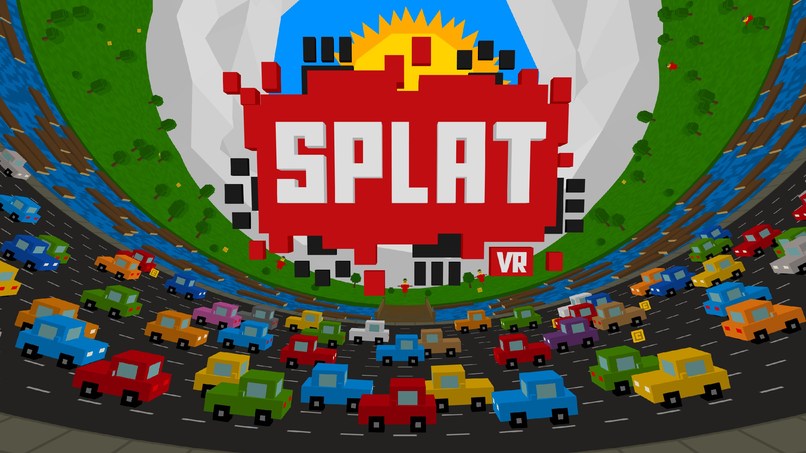
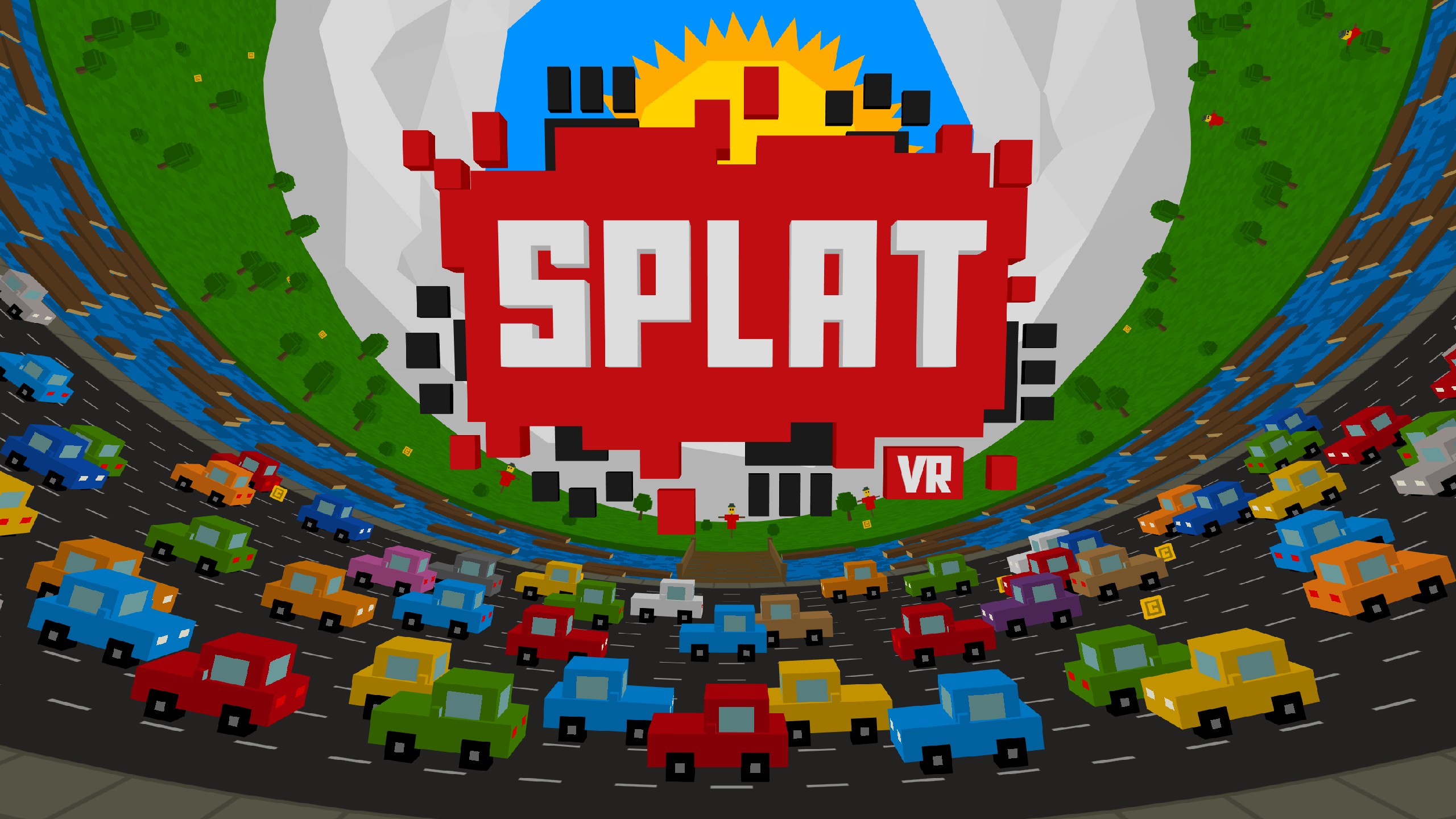
SPLAT VR
Inspiration
SPLAT began as an experiment for the Gear VR, created to capture the simple arcade joy of Frogger or Crossy Road within virtual reality. When we learned about the Meta Horizon Start Developer Competition, we saw a rare opportunity to revive our project for modern Quest hardware and transform it into a more polished and ambitious experience. The competition has motivated us to rethink SPLAT for improved accessibility and a renewed focus on fun, repeatable VR experiences.
What it does
SPLAT places players in a cylindrical wrap around tunnel alive with speeding traffic, roaming scarecrows, collectible coins and three unique trophy hats to acquire per map. Players leap downward through the world while dodging hazards or redirecting scarecrows into traffic to earn cosmetic rewards. The experience focuses on quick, low friction fun that works well in short bursts or just as well in relaxed longer play sessions. As part of the upgrade, we added a new multiplayer mode that even lets players enjoy the chaos together.
How we built it
To bring SPLAT to current devices, we upgraded the entire project from its legacy Gear VR base to Unity 6.3, rebuilding it within the Universal Render Pipeline. This process involved replacing deprecated systems, rewriting all shaders, modernizing visuals and improving core interactions. We also added a lightweight Photon based multiplayer layer, as well as countless optimizations for smoother performance and higher visual fidelity on Quest hardware. The result is a cleaner, more stable and more capable version of the original concept.
Challenges we ran into
Reviving an older Unity 2018 project created a number of unexpected hurdles. Many original shaders and scripts relied on deprecated functions and had to be entirely reconstructed. Adding multiplayer introduced several challenges with synchronization, network flow and maintaining consistent behavior across clients. Converting systems that were originally designed for single player required significant restructuring and careful reconsideration of how gameplay logic should operate in a shared environment. While our multiplayer implementation could certainly still be improved on, it represents a meaningful first step and a solid foundation for future expansion.
Accomplishments
We are fairly pleased that we were able to modernize an older mobile VR title and bring it into the present with improved visuals, performance and features. Multiplayer support gives players a new way to enjoy the game and updated rendering and physics systems make SPLAT feel sharper and more responsive than before. Throughout the changes we preserved the charm and accessibility that made the original fun to play, whether standing or sitting, with built-in travel mode compatibility so you can even play while lying down.
What we learned
The project taught us a great deal about updating legacy VR content for modern platforms. We gained a deeper experience with Unity’s URP pipeline and the fundamentals of networked multiplayer using Photon. The whole process also reinforced the value of modular design and maintainable architecture.
What is next for SPLAT
Should we see revived interest in the game, our long term vision would be to release this updated experience as a free to play app, expand multiplayer features and develop themed DLC map packs to grow our collection of chaotic and colorful worlds. This would include introducing more characters, more cosmetic rewards and more dynamic hazards to keep the gameplay fresh. These additions would allow SPLAT to continue evolving while preserving the approachable arcade roots that makes the base game easy to pick up and fun to return to.


Log in or sign up for Devpost to join the conversation.