-
-
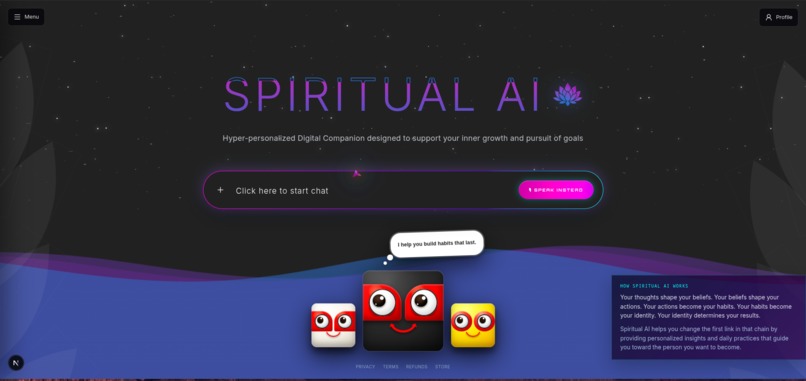
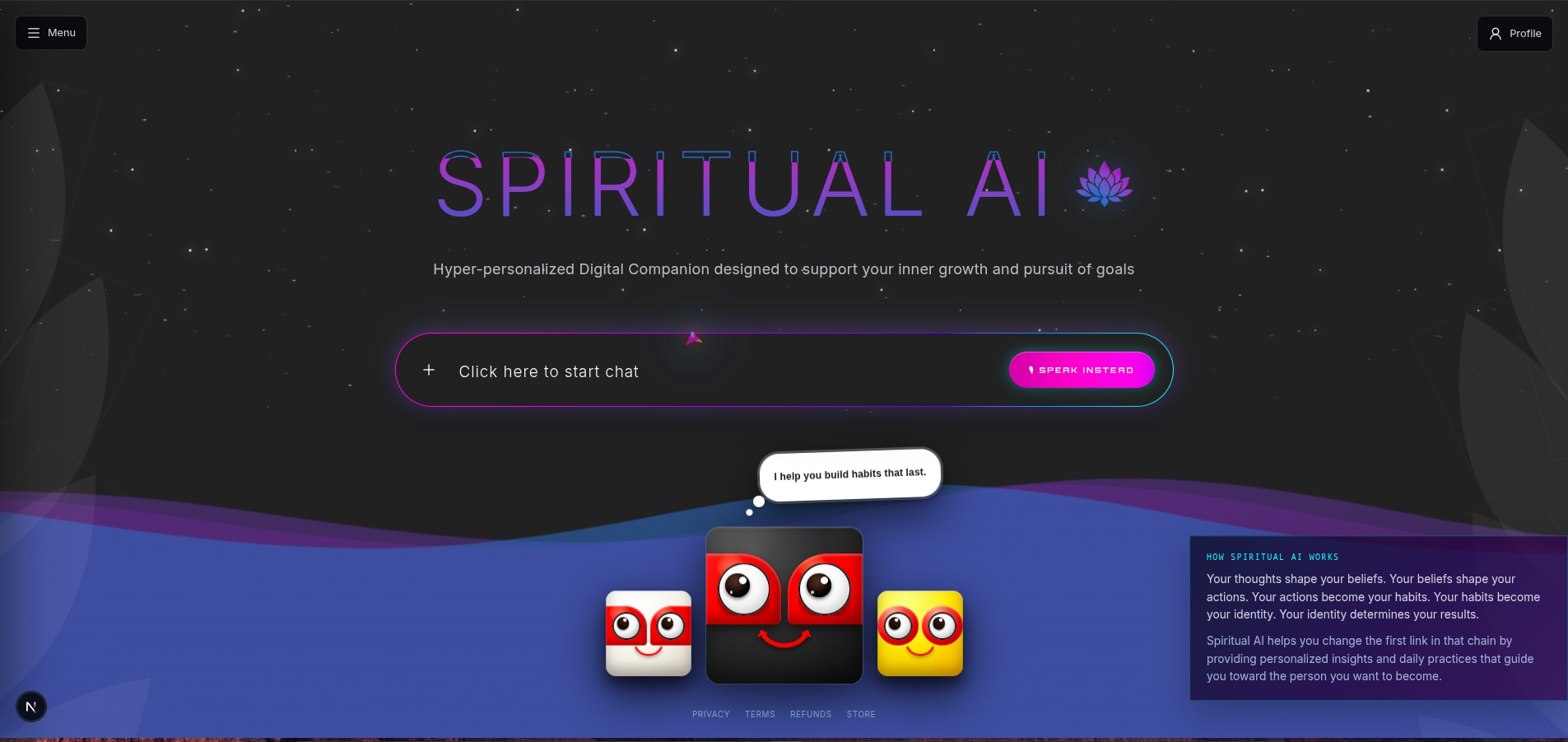
Home page
-
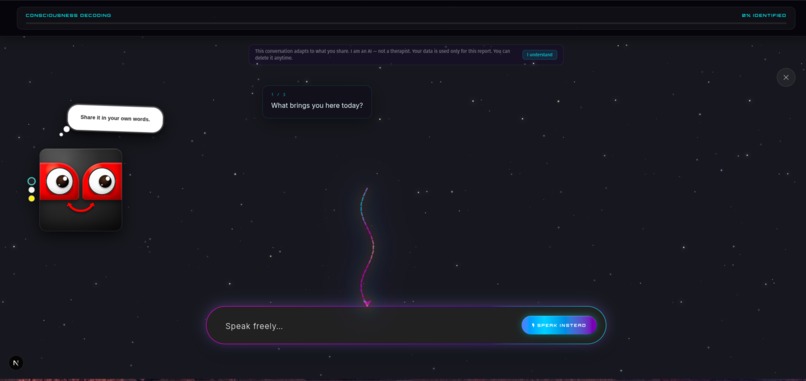
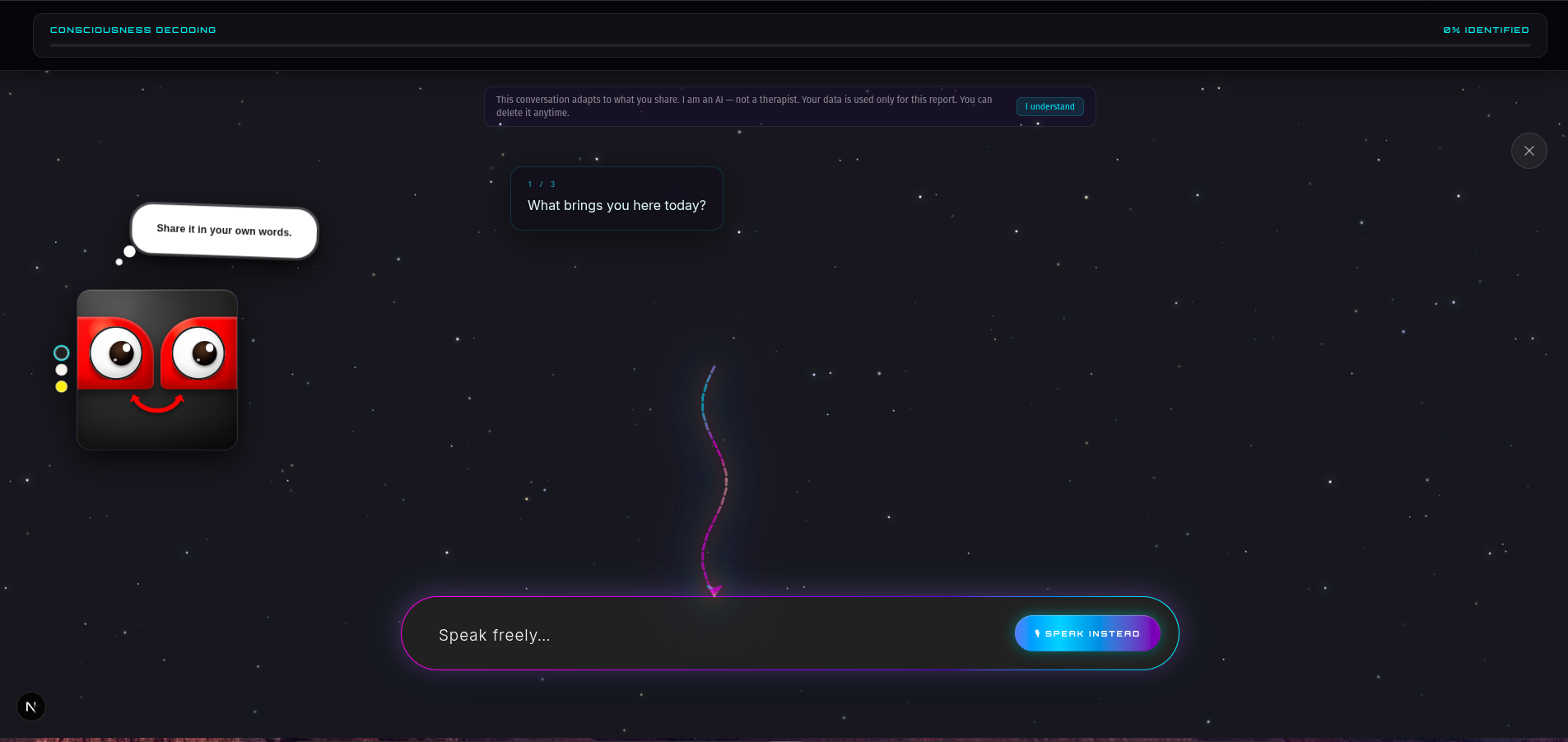
Chat interface
-
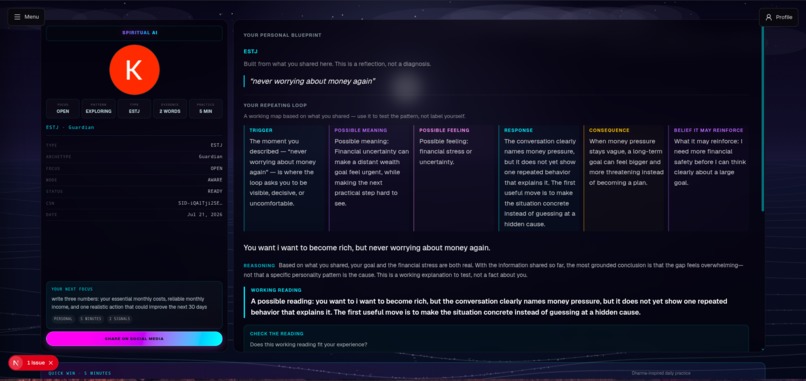
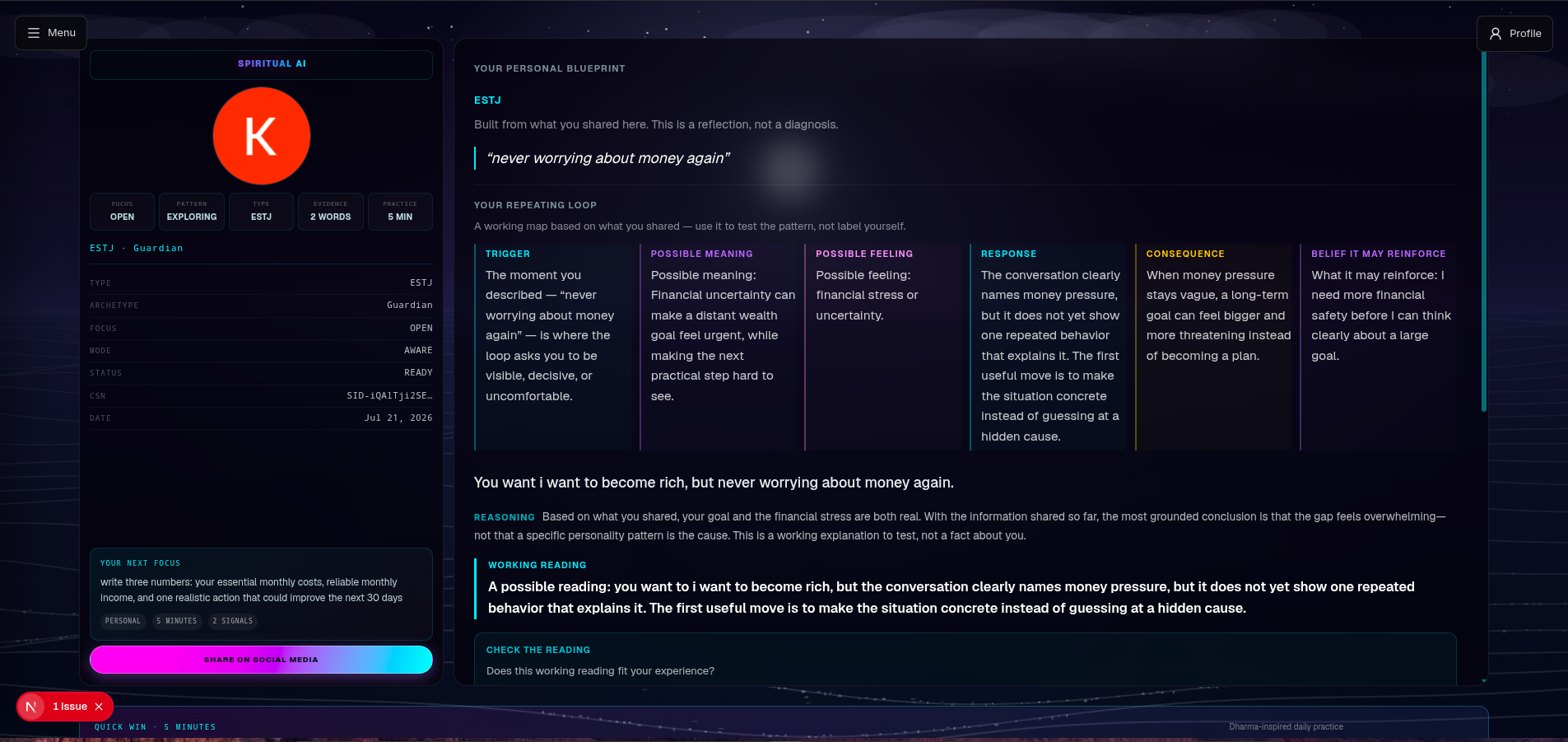
Report
-
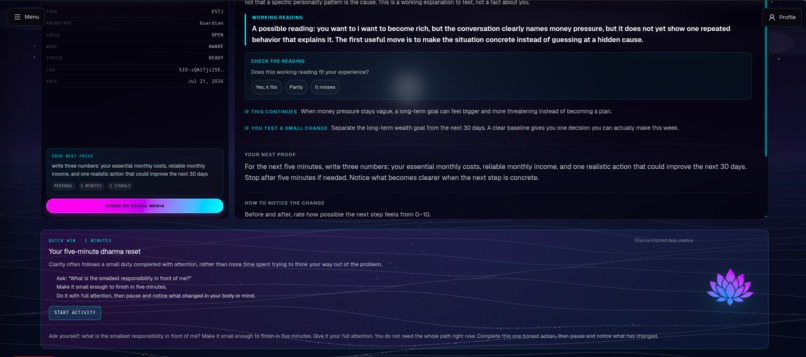
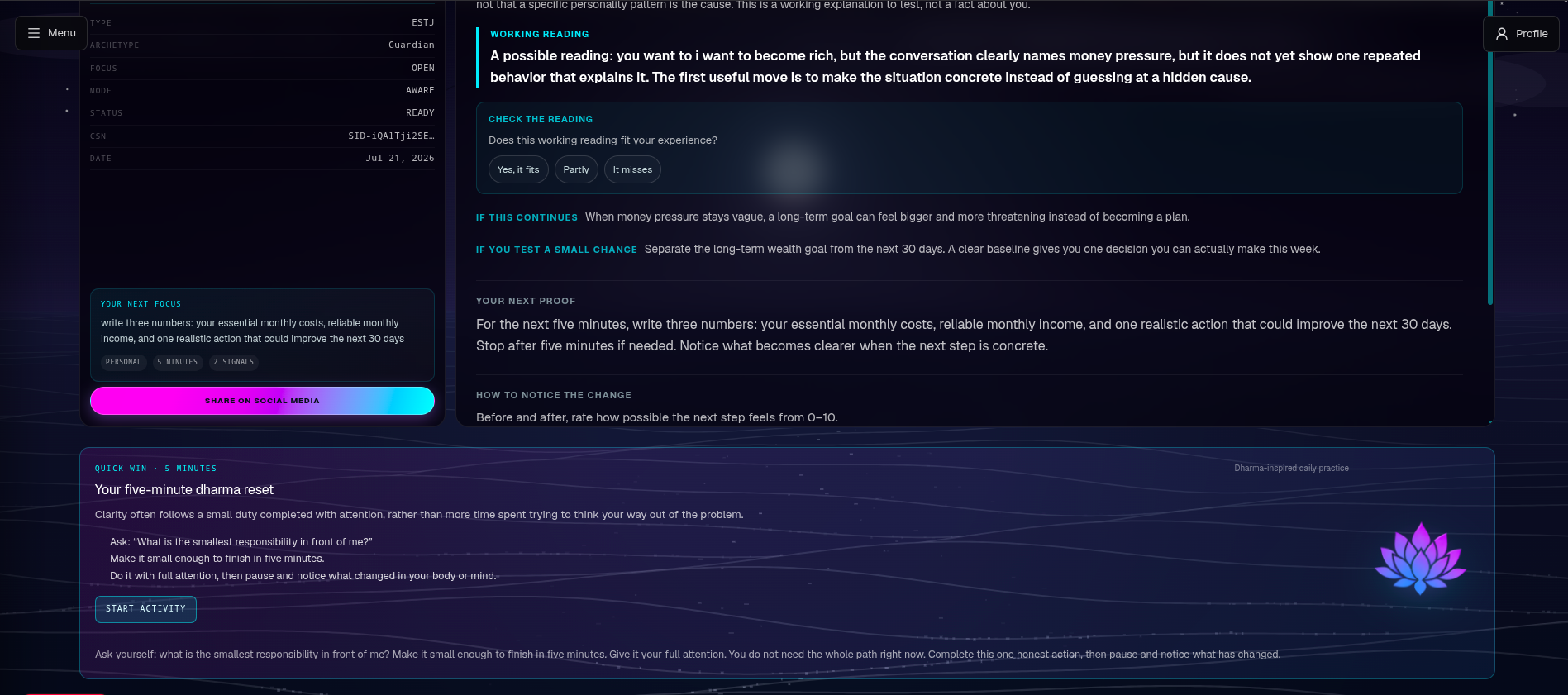
suggested activity
Inspiration
Everyone has moments when they feel lost, overwhelmed, or simply wants to become a better version of themselves. Today, people often search for answers across YouTube videos, Reddit threads, books, podcasts, and AI chatbots—but the advice is fragmented and rarely personalized.
We wanted to build something different.
Instead of an AI that simply answers questions, we envisioned an AI that helps people understand themselves, identify the patterns holding them back, and take small, practical steps toward lasting personal growth.
That became Spiritual AI.
What it does
Spiritual AI is an AI companion for self-discovery and transformation.
It begins by understanding the user's goals, challenges, and current state of mind. Rather than offering generic motivational advice, it creates personalized guidance inspired by psychology, mindfulness, philosophy, and timeless wisdom.
The experience is designed to feel calm and intentional. Users can:
- Chat naturally with an AI companion
- Reflect on thoughts and emotions
- Receive personalized guidance
- Build healthier habits through small daily actions
- Create plans and reminders that support long-term growth
Our goal is not to replace therapists, teachers, or spiritual traditions, but to make self-reflection more accessible for everyone.
How we built it
The project combines OpenAI's language models with a custom conversational experience focused on personal growth.
Key components include:
- OpenAI API for natural conversation and reasoning
- A structured onboarding flow to understand user intent
- Personalized prompt engineering for guidance instead of generic answers
- A minimal interface designed to reduce distractions and encourage reflection
- Memory and context management to make conversations feel continuous
The emphasis throughout development was creating an experience that feels thoughtful rather than overwhelming.
Challenges we ran into
The biggest challenge wasn't building a chatbot—it was building one that feels genuinely helpful.
We spent significant time thinking about:
- Avoiding generic or repetitive advice
- Making conversations feel personal without becoming intrusive
- Designing an onboarding flow that understands users without asking too many questions
- Creating guidance that empowers users instead of making them dependent on AI
Balancing usefulness with simplicity was one of the hardest design problems.
Accomplishments that we're proud of
- Built a working AI companion focused on self-improvement
- Created a clean, distraction-free interface
- Designed personalized conversational flows instead of simple Q&A
- Demonstrated how AI can support reflection and intentional habit building
What we learned
We learned that people don't just want answers—they want to feel understood.
The quality of an AI experience depends as much on thoughtful interaction design as it does on the intelligence of the underlying model.
Small changes in wording, pacing, and personalization dramatically changed how meaningful conversations felt.
What's next for Spiritual AI
Our vision is to evolve Spiritual AI into a long-term personal growth companion.
Future plans include:
- Voice conversations
- Animated AI avatar
- Daily personalized guidance
- Habit tracking and progress visualization
- Journaling with long-term memory
- Wearable integration
- Multi-modal interactions using voice, text, and vision
Ultimately, we want to build an AI that helps people become the person they aspire to be—one conversation at a time.
Built With
- ai
- api
- css
- gpt-5
- html
- javascript
- next.js
- node.js
- openai
- postgresql
- prompt
- react
- tailwind
- typescript
- vercel


Log in or sign up for Devpost to join the conversation.