-
-
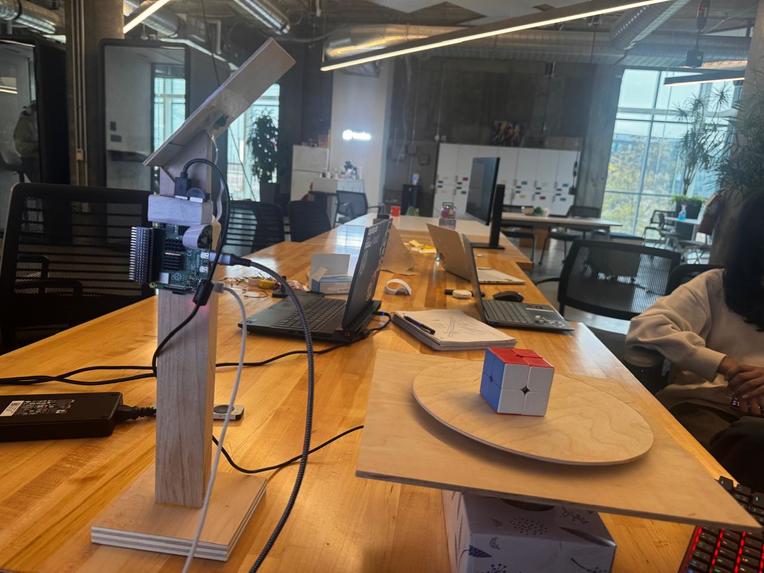
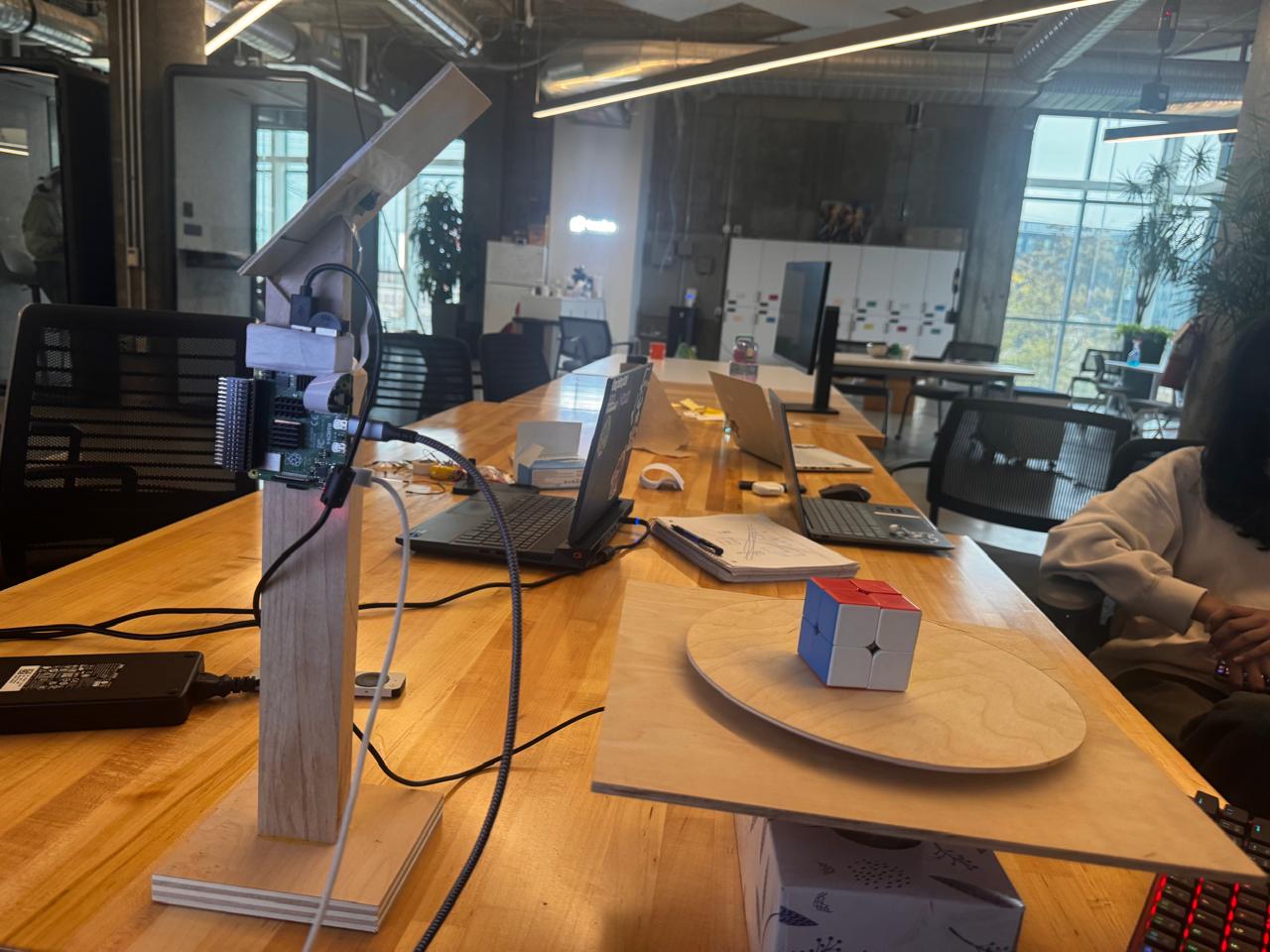
Overall setup consisting of the base setup for the object and the stand for the rasberry pi4 and camera.
-
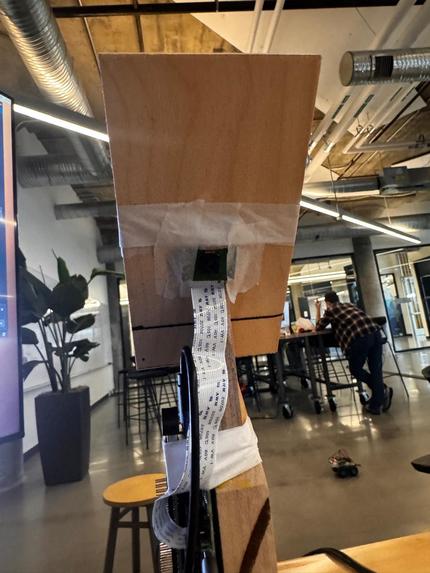
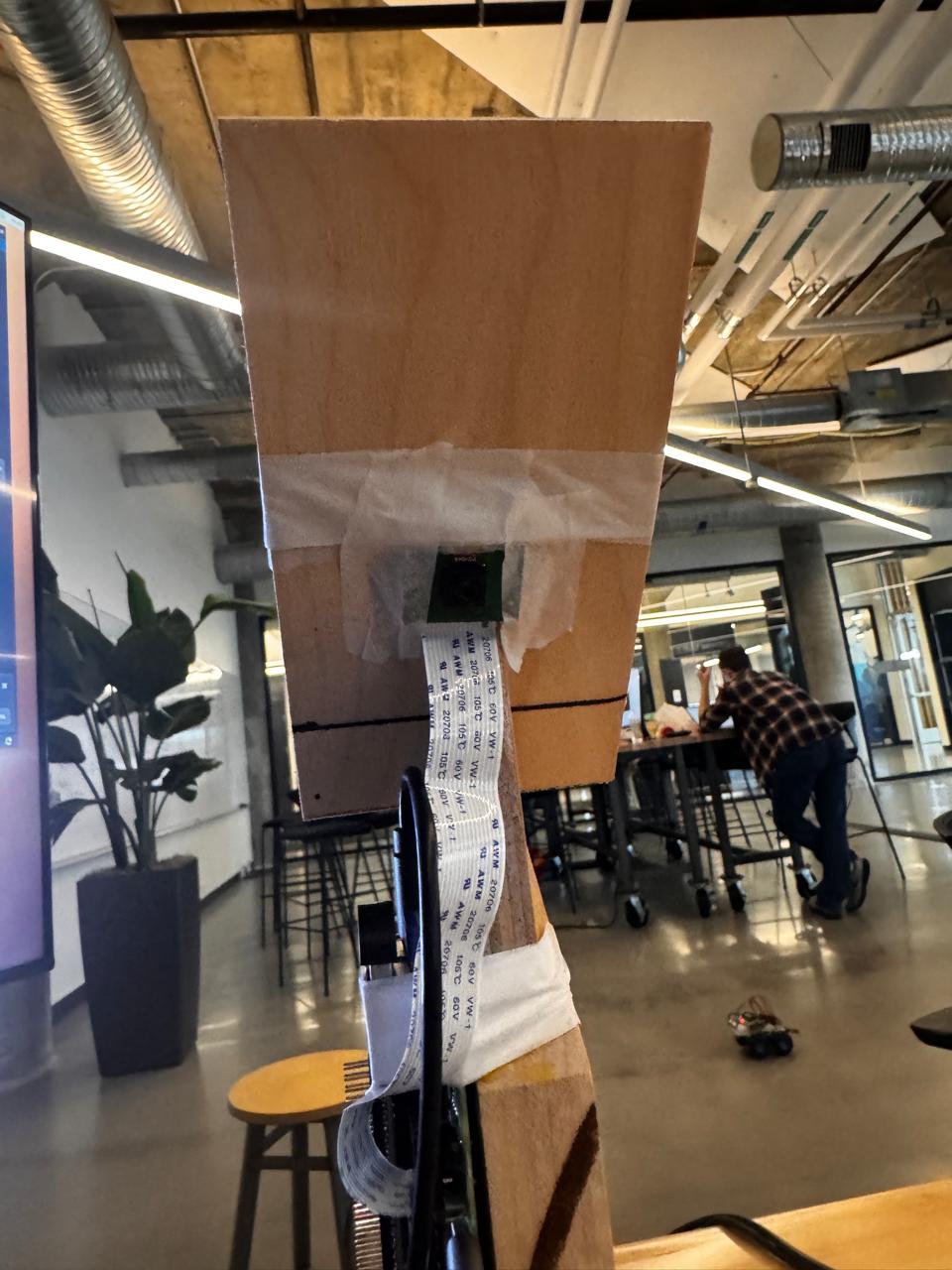
Camera pointing towards the platform to capture multiple dimensions of the object at once.
-
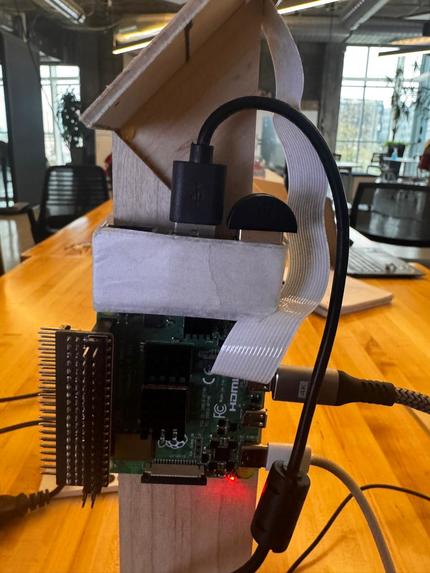
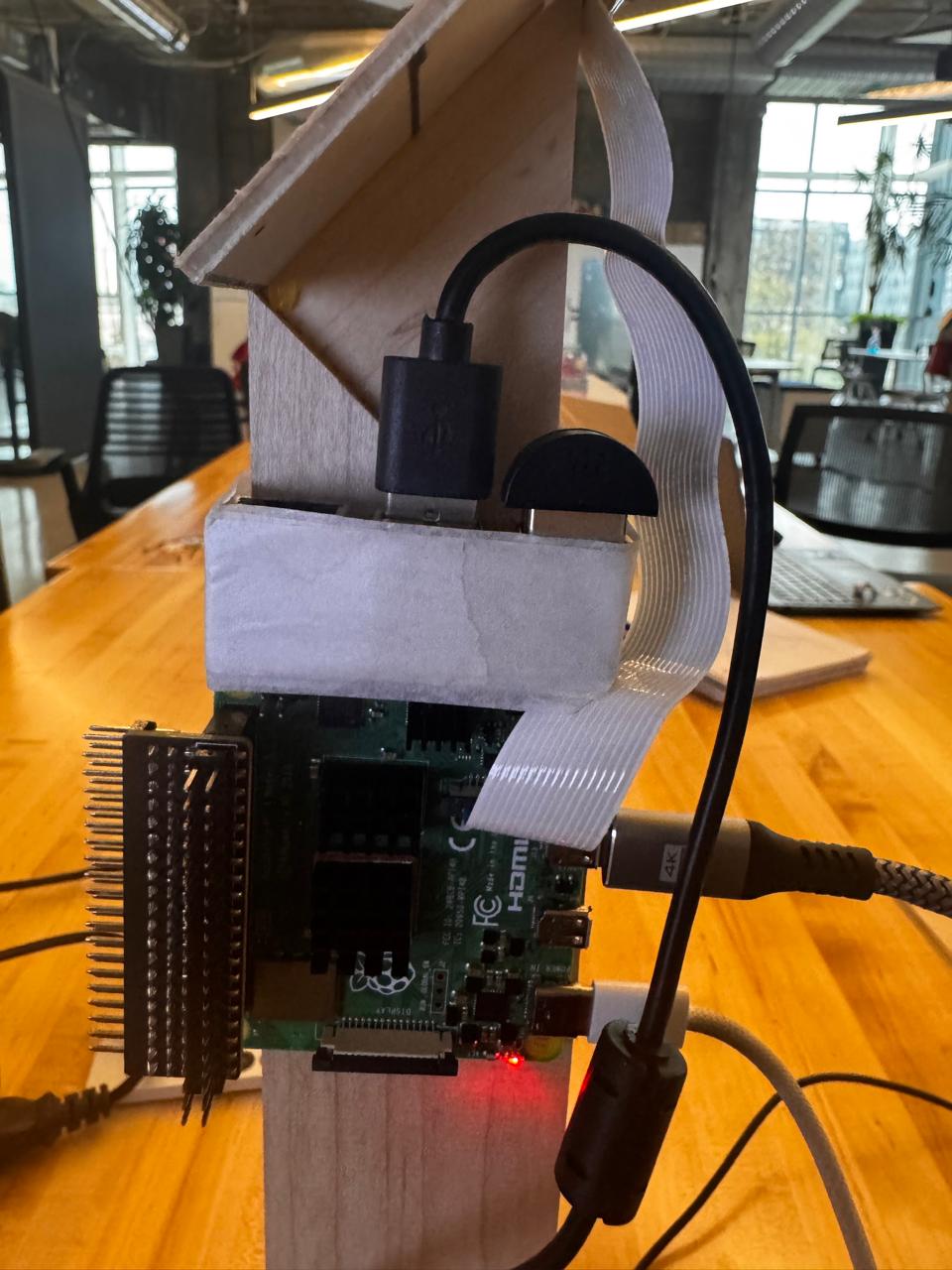
RasberryPI 4
-
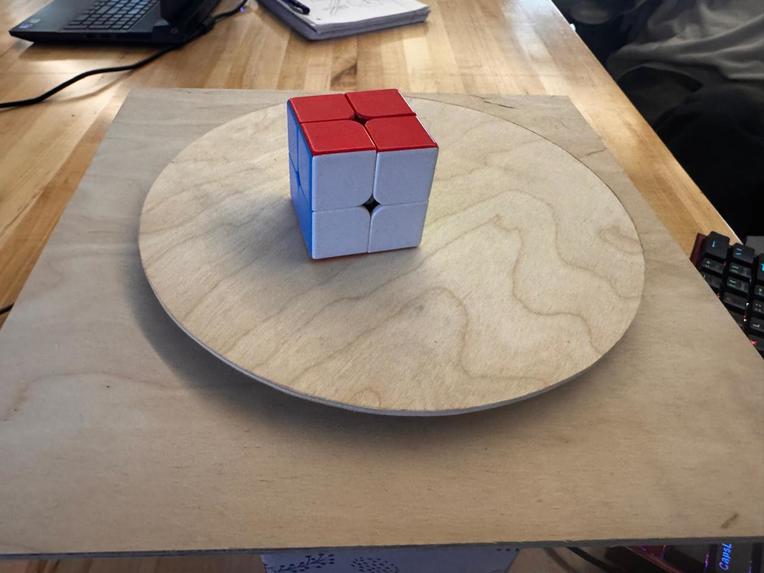
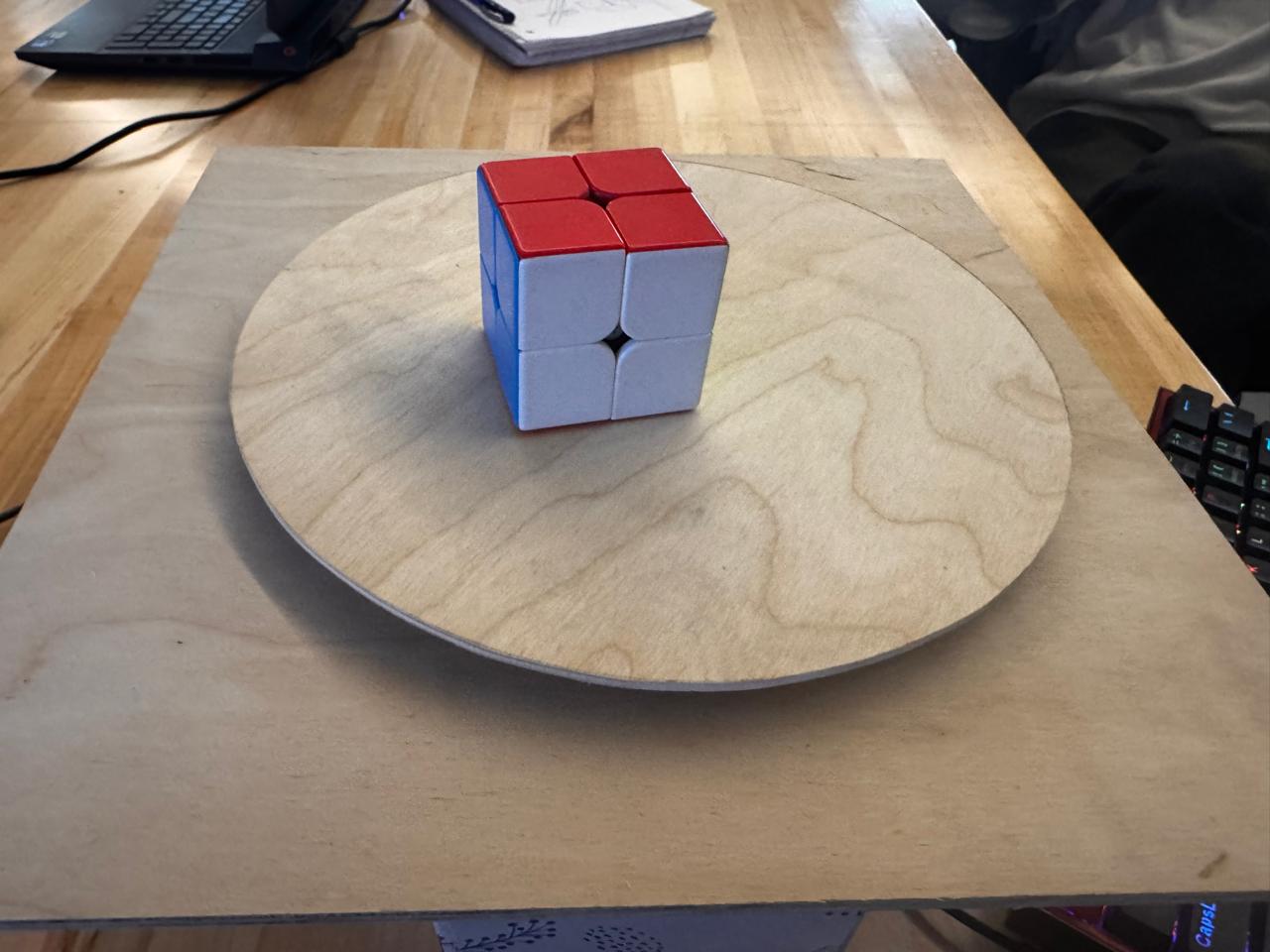
Stand for placement of object.
Inspiration
We observed that 3D scanning and modeling technologies, while powerful, are often limited to industrial or research settings due to their high cost, bulky equipment, and complex operation. Most available 3D scanners rely on laser triangulation or structured light systems, which can cost hundreds to thousands of dollars and are inaccessible for students, hobbyists, and small creators.
We recognized this barrier and sought to democratize 3D digitization. Our goal was to create an affordable, AI-powered solution using accessible components like a Raspberry Pi, camera module, and motor, enabling anyone to capture and digitize physical objects without expensive hardware.
What it does
SpinVision transforms physical objects into editable 3D digital models through automated multi-angle image capture and AI-powered reconstruction.
Working Principle:
1) Motor Control: We used a Raspberry Pi to control a DC motor, allowing the object to rotate smoothly for image capture at fixed intervals.
2) Image Capture: A camera module was synchronized with the rotation to take multiple images from different angles.
3) 3D Reconstruction: The captured images were processed through an AI-based 3D reconstruction pipeline to generate the object’s 3D model.
4) Visualization: Since live rendering wasn’t fully functional yet, we visualized the final 3D model using Meshy AI.
5) Integration: Python scripts tied everything together that is handling motor movement, image capture, and data transfer for processing.
How we built it
1) Motor Control: We used a Raspberry Pi to control a DC motor, allowing the object to rotate smoothly for image capture at fixed intervals.
2) Image Capture: A camera module was synchronized with the rotation to take multiple images from different angles.
3) 3D Reconstruction: The captured images were processed through an AI-based 3D reconstruction pipeline to generate the object’s 3D model.
4) Visualization: Since live rendering wasn’t fully functional yet, we visualized the final 3D model using Blender.
5) Integration: Python scripts tied everything together that is handling motor movement, image capture, and data transfer for processing.
Challenges we ran into
1) Timing Synchronization: Getting the motor and camera to work together perfectly was tricky, we had to fine-tune the timing, so images captured at exactly the right rotation angles without missing steps.
2) Inconsistent Lighting: As the object rotated, lighting and shadows kept changing, affecting image quality and making it harder for the AI to reconstruct accurate 3D models.
3) API Response Delays: Waiting for Gemini to process and return 3D models introduced noticeable lag, which we had to work around to keep the system feeling responsive.
4) Platform Vibrations: The rotating platform initially wobbled during operation, causing blurry images. We had to stabilize the base and balance the motor to eliminate shake.
5) Slow Library Downloads: Installing Python libraries and dependencies on the Raspberry Pi took longer than expected as we had to use personal hotspot over public network.
6) Overheating Issues: The Raspberry Pi heated up significantly during extended operation, especially when handling motor control, camera processing, and API calls simultaneously
Accomplishments that we're proud of
1) Democratizing 3D Scanning: We successfully created an affordable, AI-powered solution using accessible components like a Raspberry Pi, camera module, and motor. This achieves our core goal of making 3D digitization accessible to students, hobbyists, and small creators who can't afford expensive industrial scanners.
2) Creating a Complete System: We transformed the concept into a functional system that successfully transforms physical objects into editable 3D digital models through automated multi-angle image capture and AI-powered reconstruction.
3) Successful Practical Fabrication: Two of our teammates tackled wood cutting and CAD-based component design for the first time, and we're proud that the physical platform structure worked out perfectly—proving that anyone can build sophisticated hardware.
4) Seamless Integration: We achieved a complex technical feat by orchestrating the seamless synchronization between the platform's rotation, the stationary camera's acquisition of high-resolution images, and the Raspberry Pi's control.
5) Overcoming Technical Hurdles: We overcame significant real-world challenges, including fine-tuning timing synchronization between the motor and camera, mitigating inconsistent lighting effects, and stabilizing the platform to eliminate vibrations and blurry images.
6) Leveraging Cutting-Edge AI: We successfully integrated and utilized Gemini AI with advanced computer vision algorithms to reconstruct a complete 3D model from multiple 2D perspectives, demonstrating the power of generative AI in practical applications.
What we learned
Through the development of SpinVision, our team gained deep insights into the intersection of hardware engineering, AI-based software systems, and real-world problem-solving.
1) Hardware and Software Integration: Learned to synchronize motor control and camera capture using Raspberry Pi.
2) AI & Computer Vision: Understood how generative AI like Gemini can reconstruct 3D models from 2D images.
3) Practical Fabrication: Gained hands-on experience in wood cutting and CAD-based component design.
4) Problem-Solving: Overcame real-world challenges like lighting, timing, and API latency through iterative testing.
5) Collaboration: Strengthened teamwork, time management, and communication under hackathon deadlines.
6) User-Centered Innovation: Discovered how AI can make 3D model editing intuitive and customizable.
What's next for SpinVision
1) Autonomous Drone Integration: Mount the camera system on a drone that autonomously circles objects too large for the platform, enabling full-scale scanning of furniture, vehicles, or even people.
2) Mobile and Web Companion Interface: Develop a companion mobile and web app interface for live control, model editing, and cloud synchronization.
3) Intelligent Object Detection and Labeling: Integrate AI-based object recognition to automatically identify and label scanned items, streamlining organization, tagging, and contextual 3D data management.


Log in or sign up for Devpost to join the conversation.