-
-
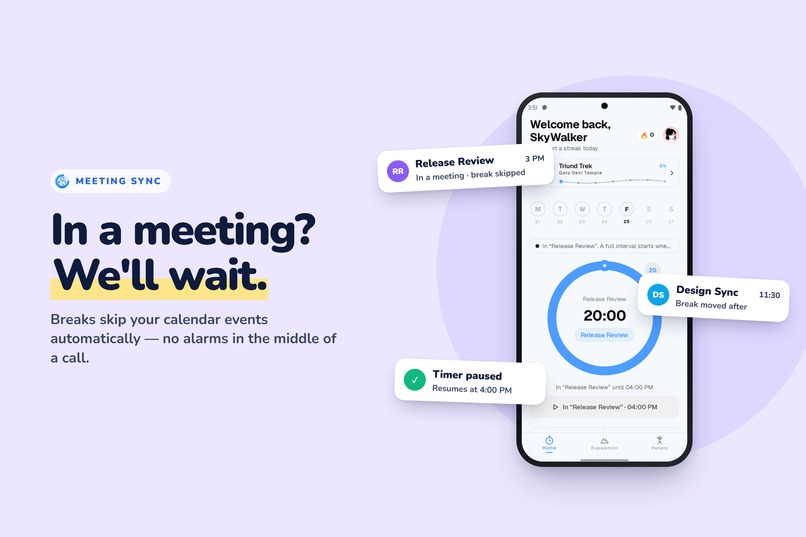
Meeting sync
-
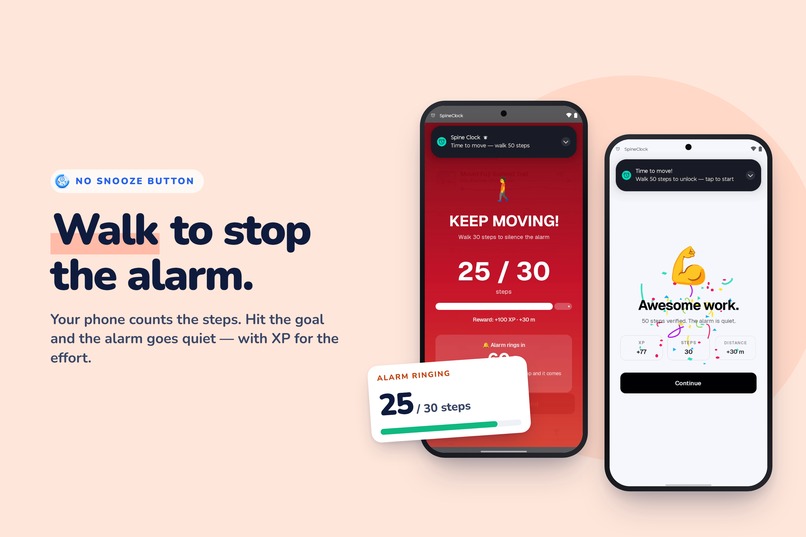
Walk to stop
-
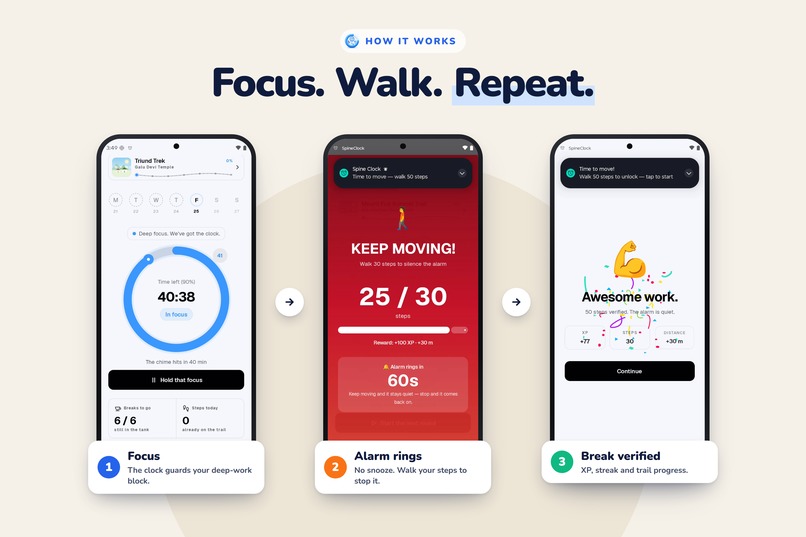
How It works?
-
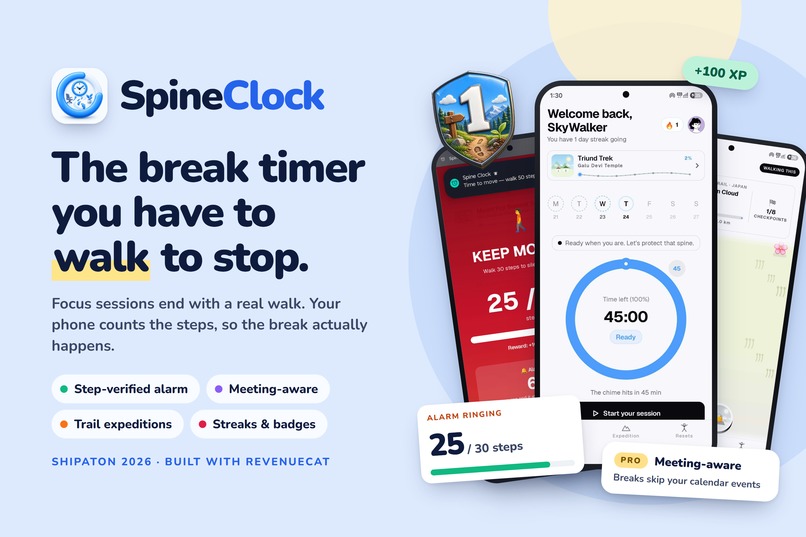
cover
-
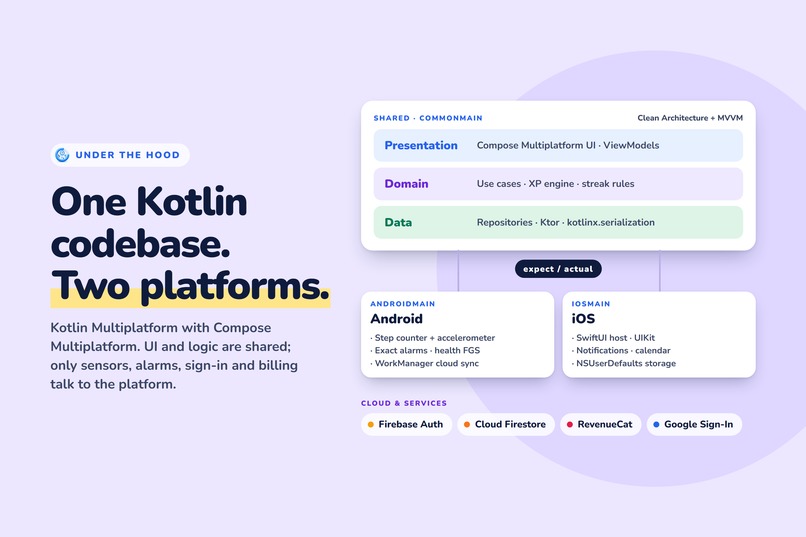
under the hood
-
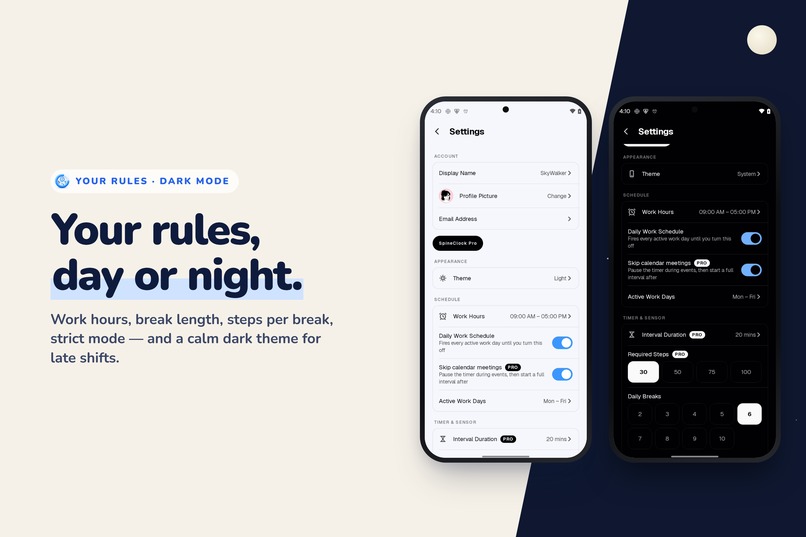
Your rules, dark mode
-
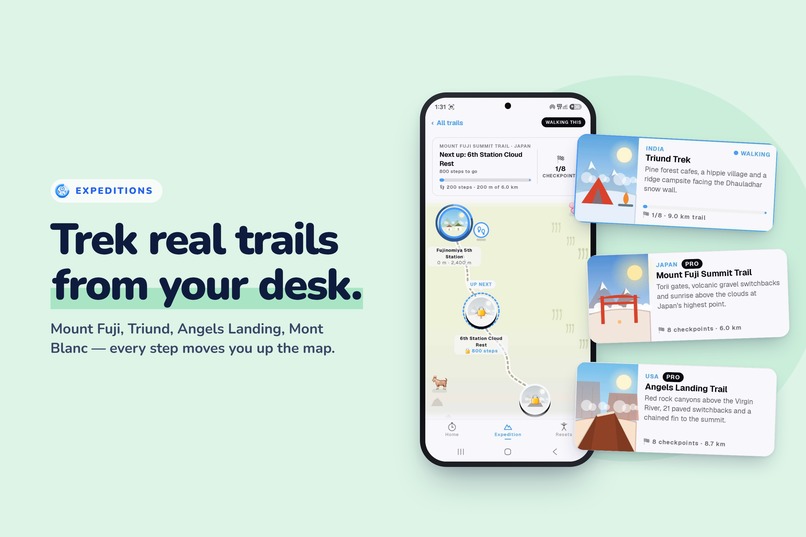
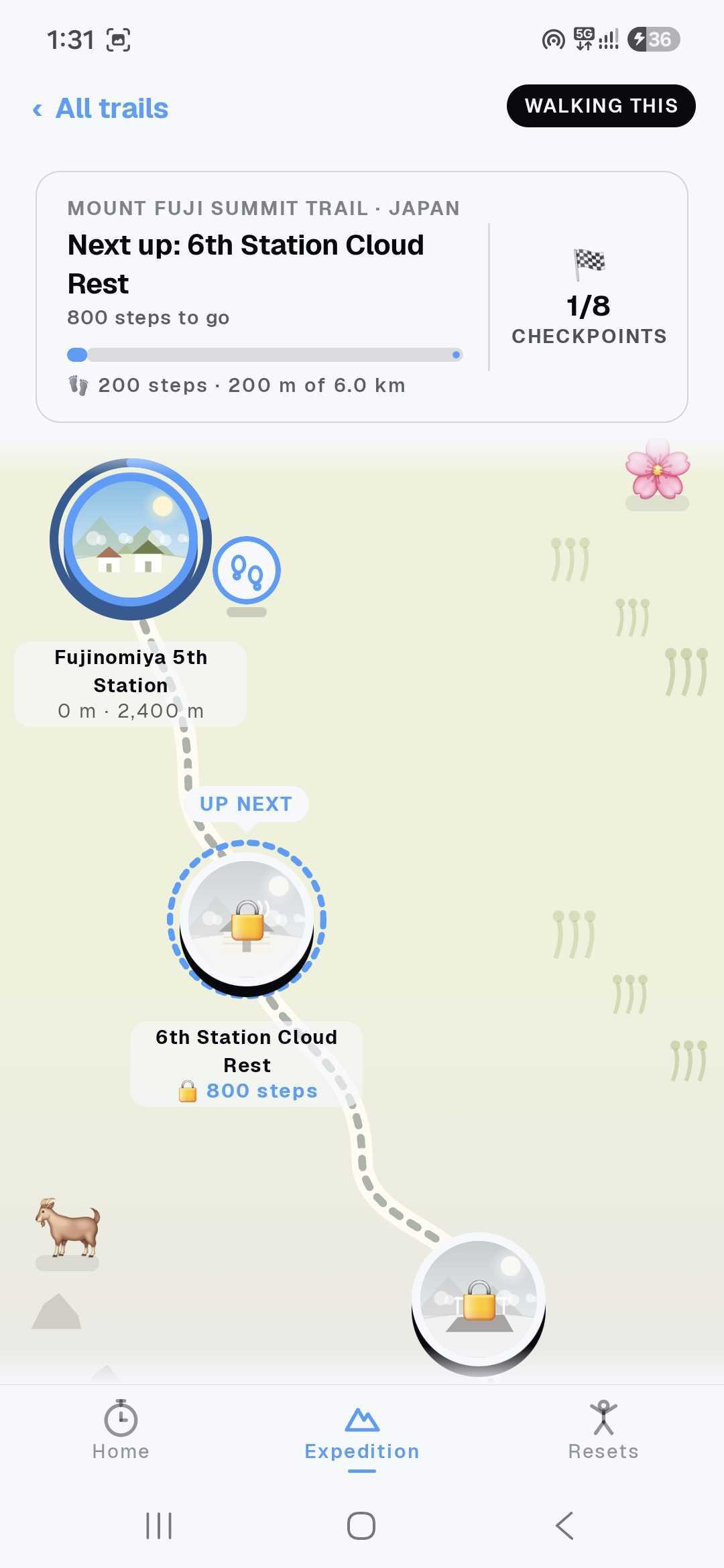
Expeditions
-
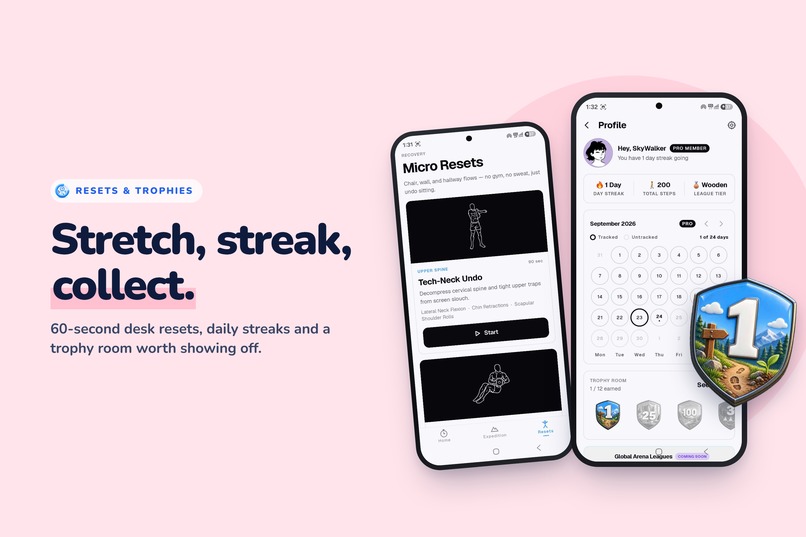
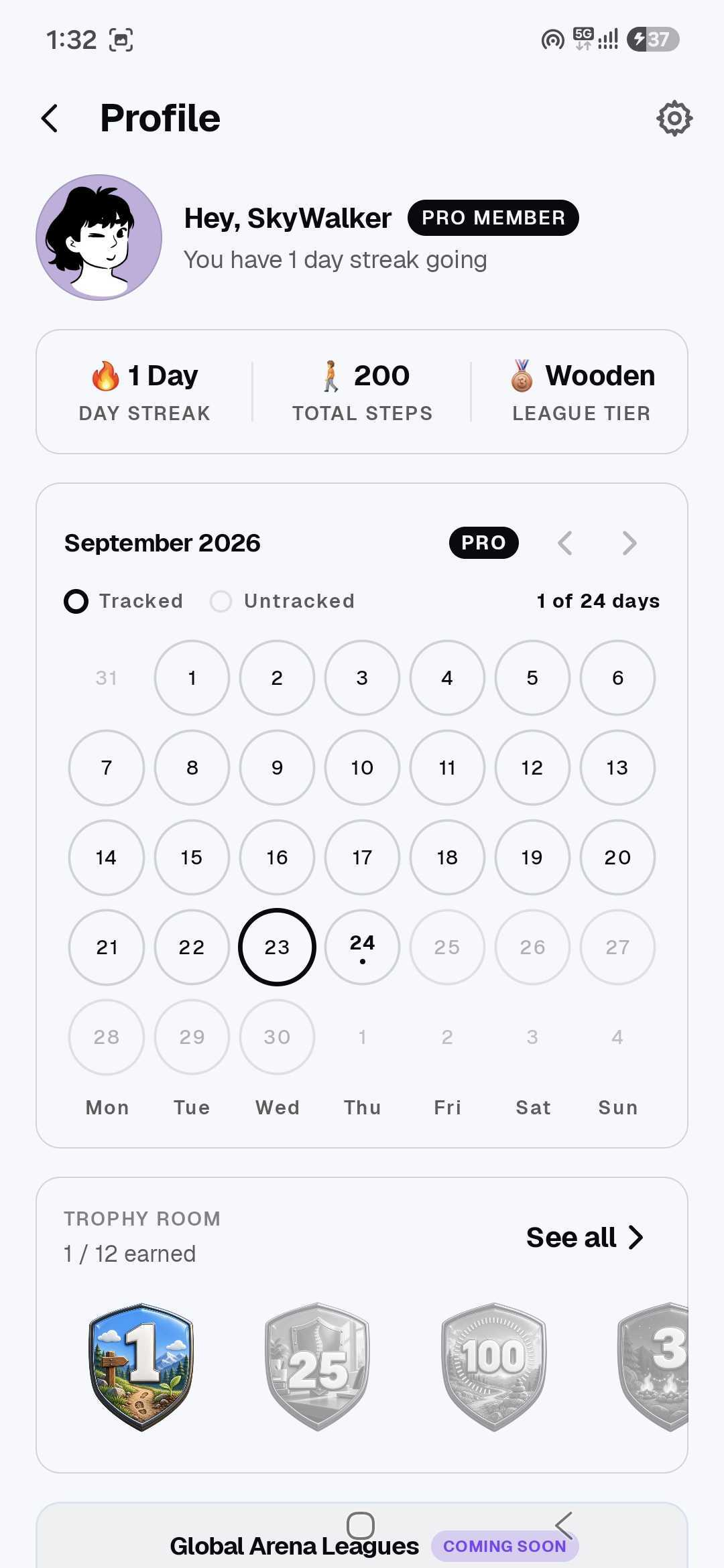
resets, trophies
-
App Icon
-
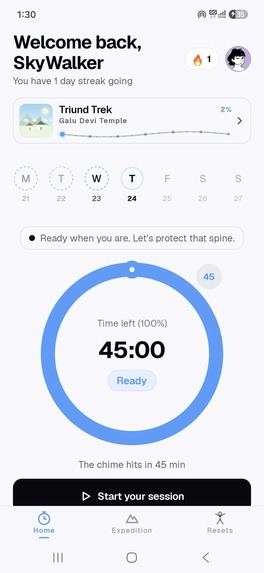
Home Screen
-
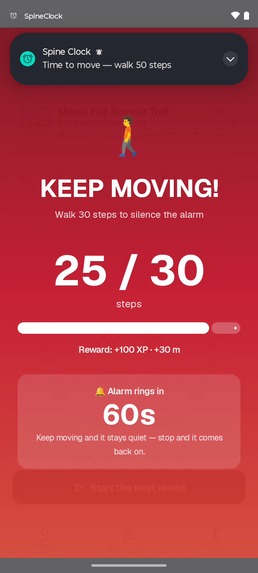
Breakwall
-
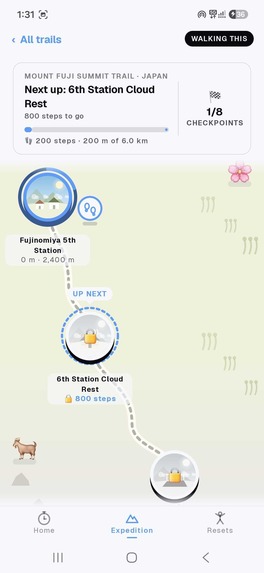
Expedtion
-
Settings
Inspiration
Most desk productivity tools treat posture breaks as an afterthought—a polite notification easily snoozed with a single tap while remaining glued to your chair. For me, that wasn't just poor ergonomics; it was an acute physical health hazard.
I live with Ankylosing Spondylitis (AS), a chronic autoimmune arthritis where static, prolonged sitting causes spinal joint inflammation, stiffness, and discomfort. In the clinical management of axial spondyloarthritis, frequent movement is essential medicine: active ambulation stimulates synovial fluid circulation and maintains axial range of motion.
As a software developer, standard timers failed because they lacked physical accountability. A simple Dismiss button invites procrastination. I needed an uncompromising loop: an alarm that refuses to turn off until you physically stand up and take verified steps. Realizing millions of sedentary knowledge workers face the same challenge, I created SpineClock.
What it does
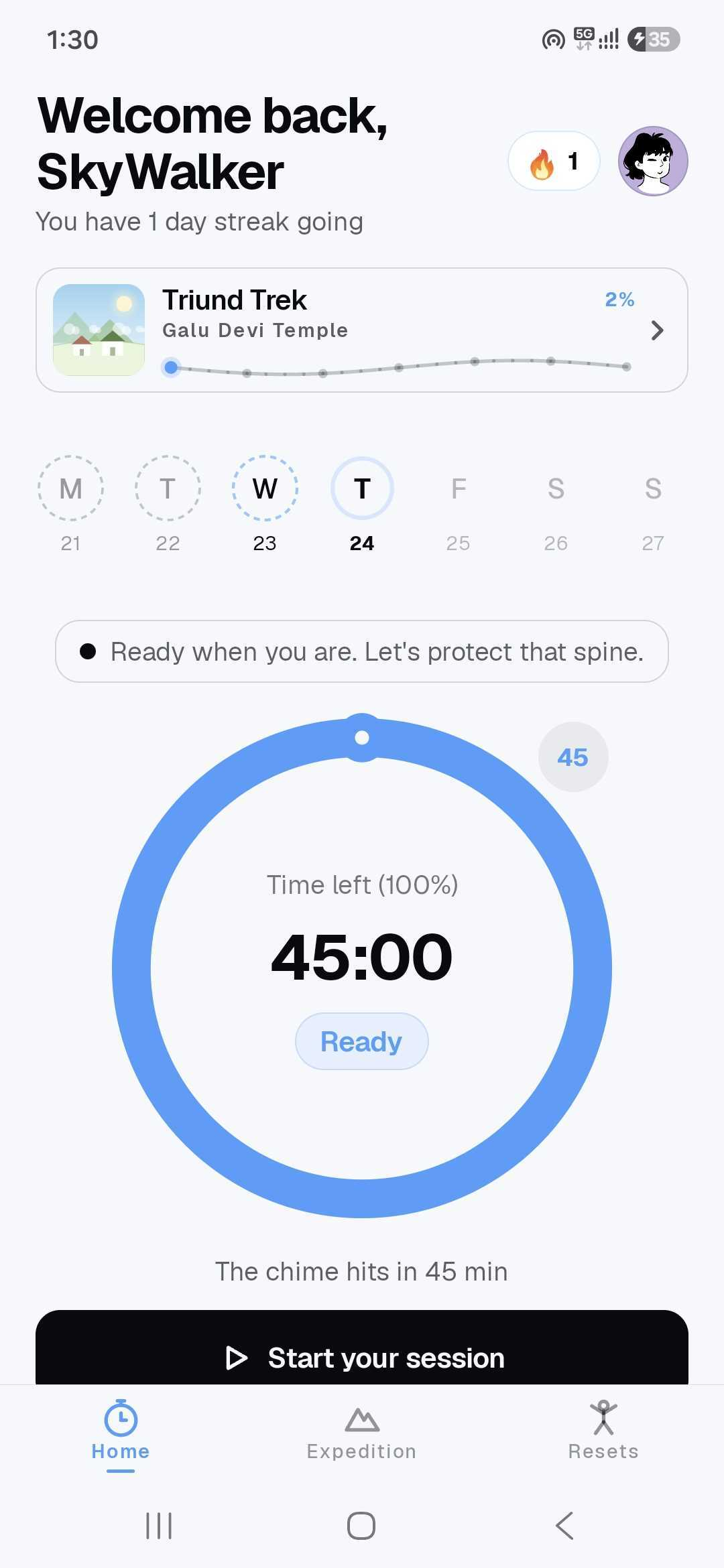
SpineClock converts passive desk routines into structured, accountable intervals:
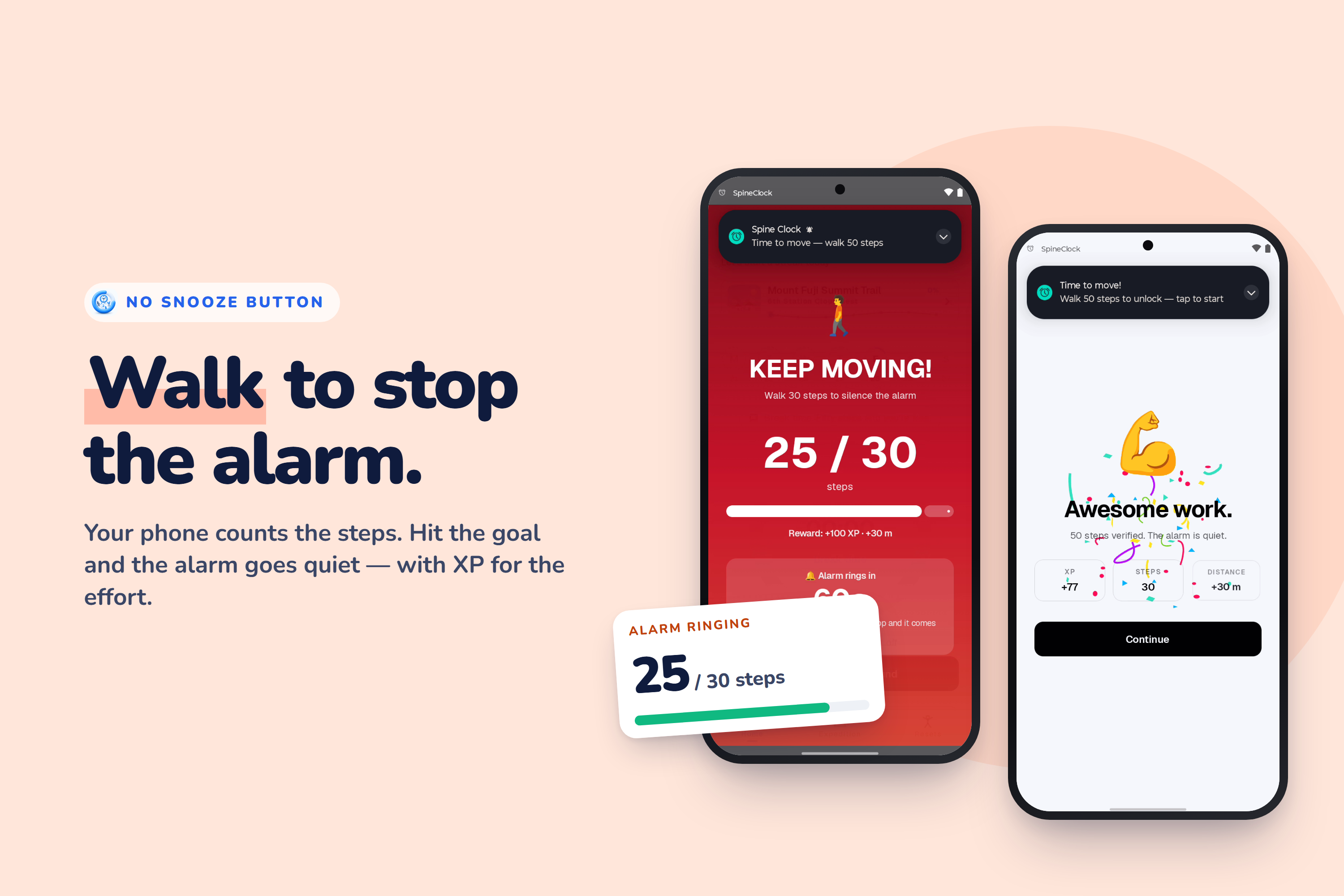
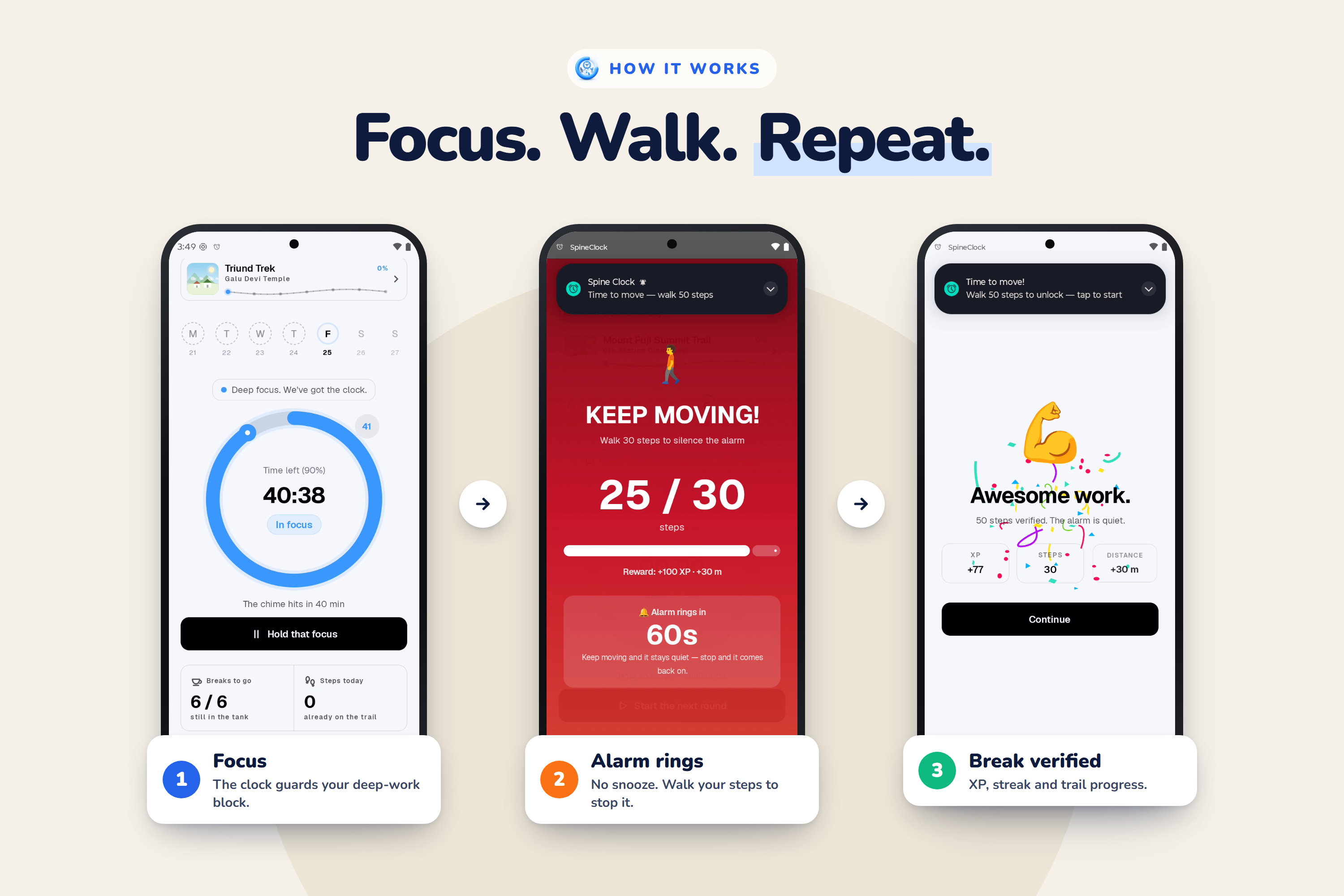
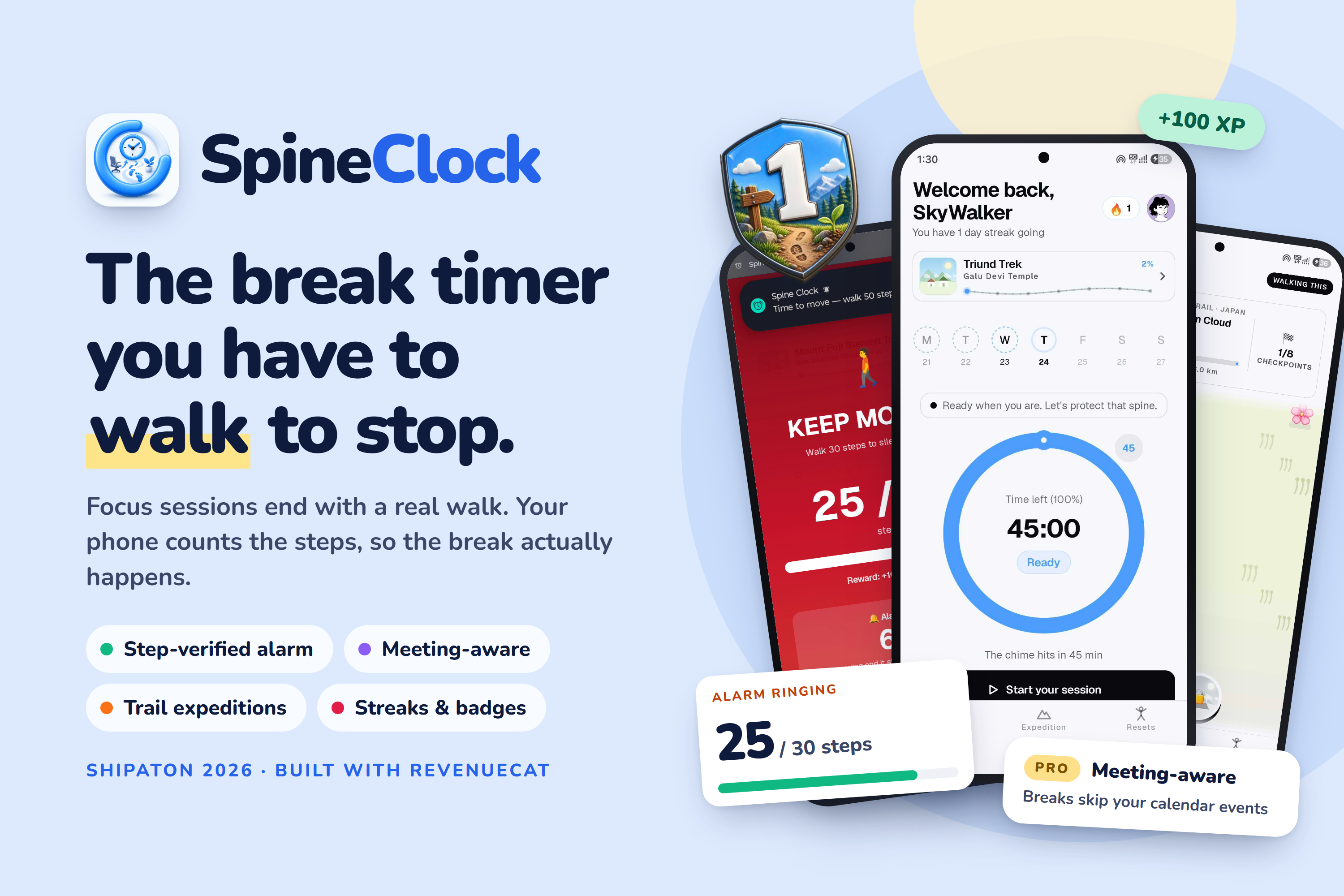
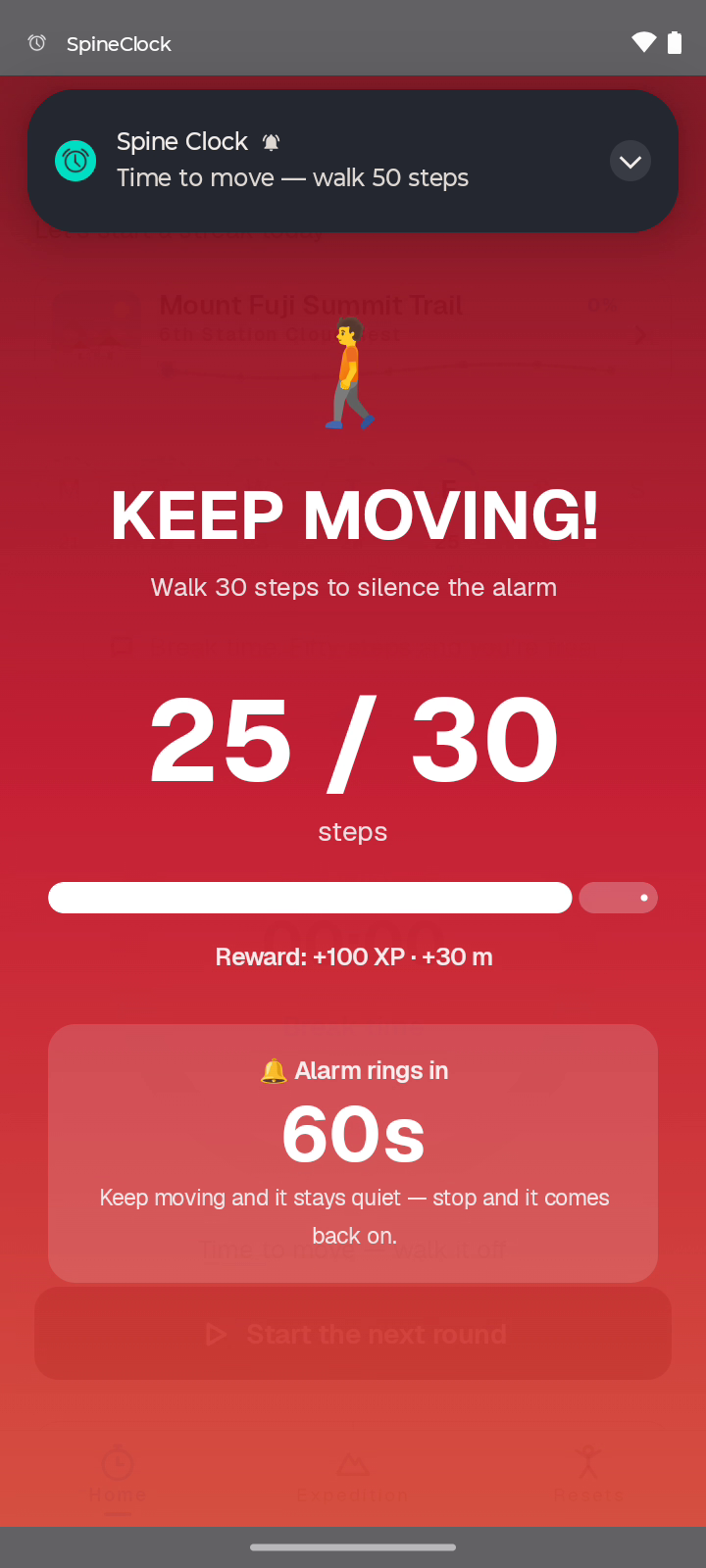
Hardware-Verified Step Dismissal: When a focus session finishes, the break alarm rings continuously[cite: 3]. There is no simple on-screen cancel button—built-in hardware pedometer sensors require completing a physical threshold (e.g., 50 steps) to clear the alarm[cite: 3].
Spinal Decompression & Circulation: Active walking breaks counteract sustained seated disc pressure to stimulate the calf-muscle pump for venous blood return and relieve lumbar compression[cite: 3].
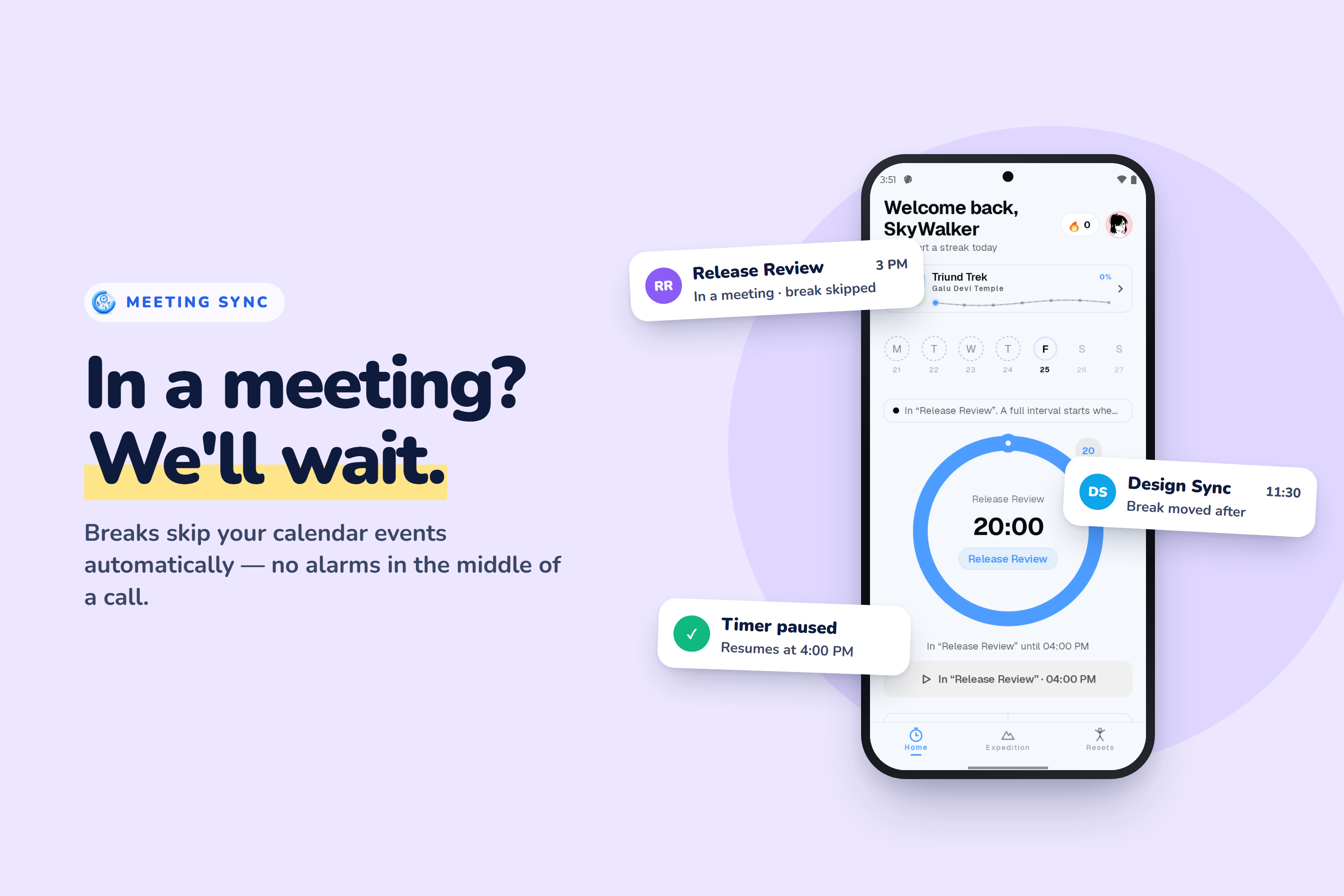
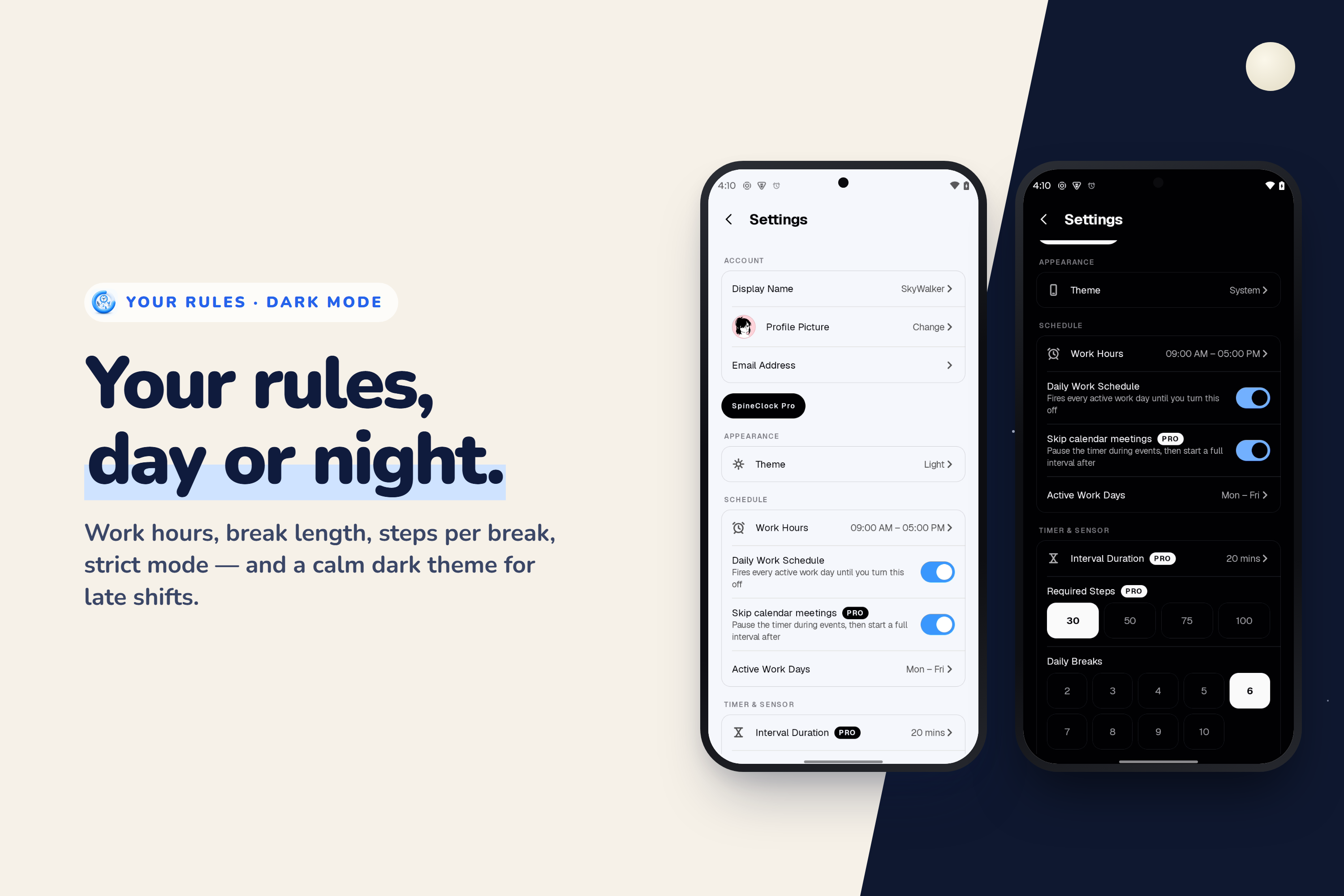
Meeting-Aware Rhythm: Syncs with your device calendar to automatically pause active timers during scheduled meetings so calls are never interrupted[cite: 3].
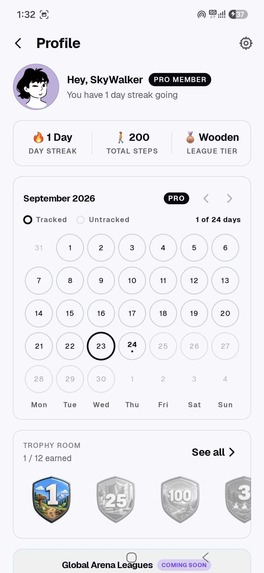
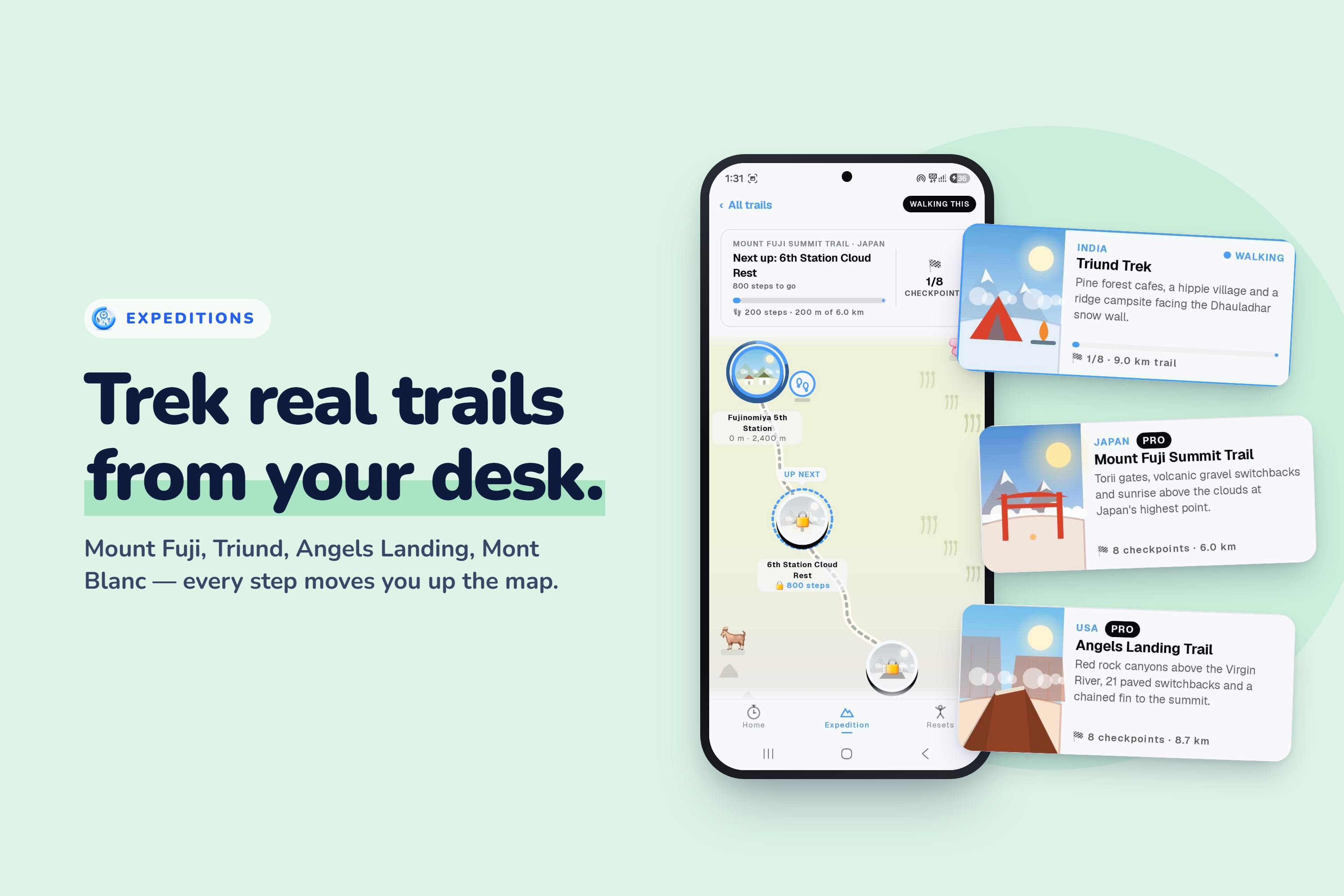
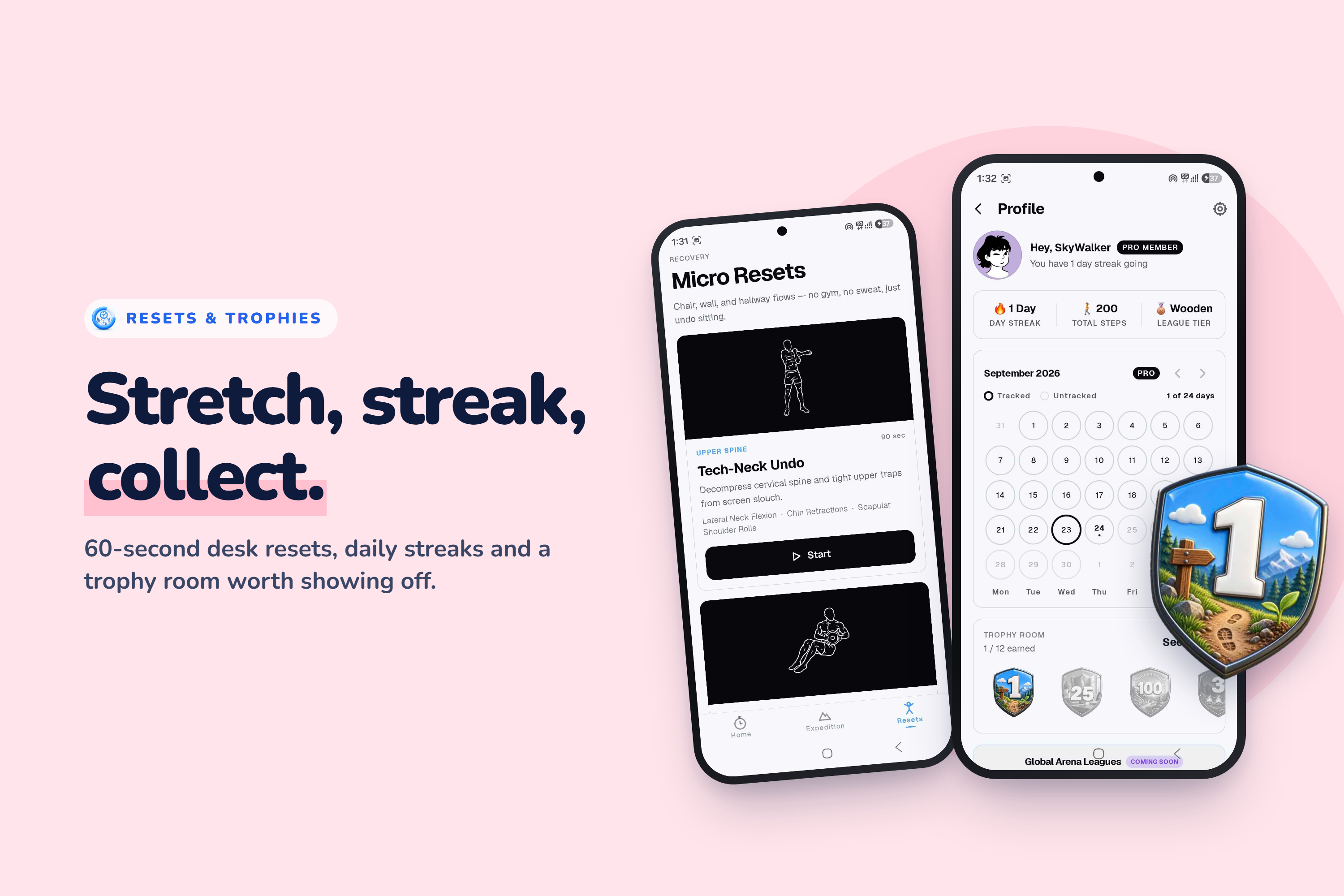
Expedition Trails & Gamification: Every step taken during break walks directly advances your avatar across virtual mountain trails (e.g., Triund Trek), unlocking landmarks, XP, and habit streaks[cite: 3].
Spine Lab Mobility: Delivers guided 60-second mobility routines targeting forward-head posture, tight hips, and shoulder stiffness right beside your desk[cite: 3].
How we built it
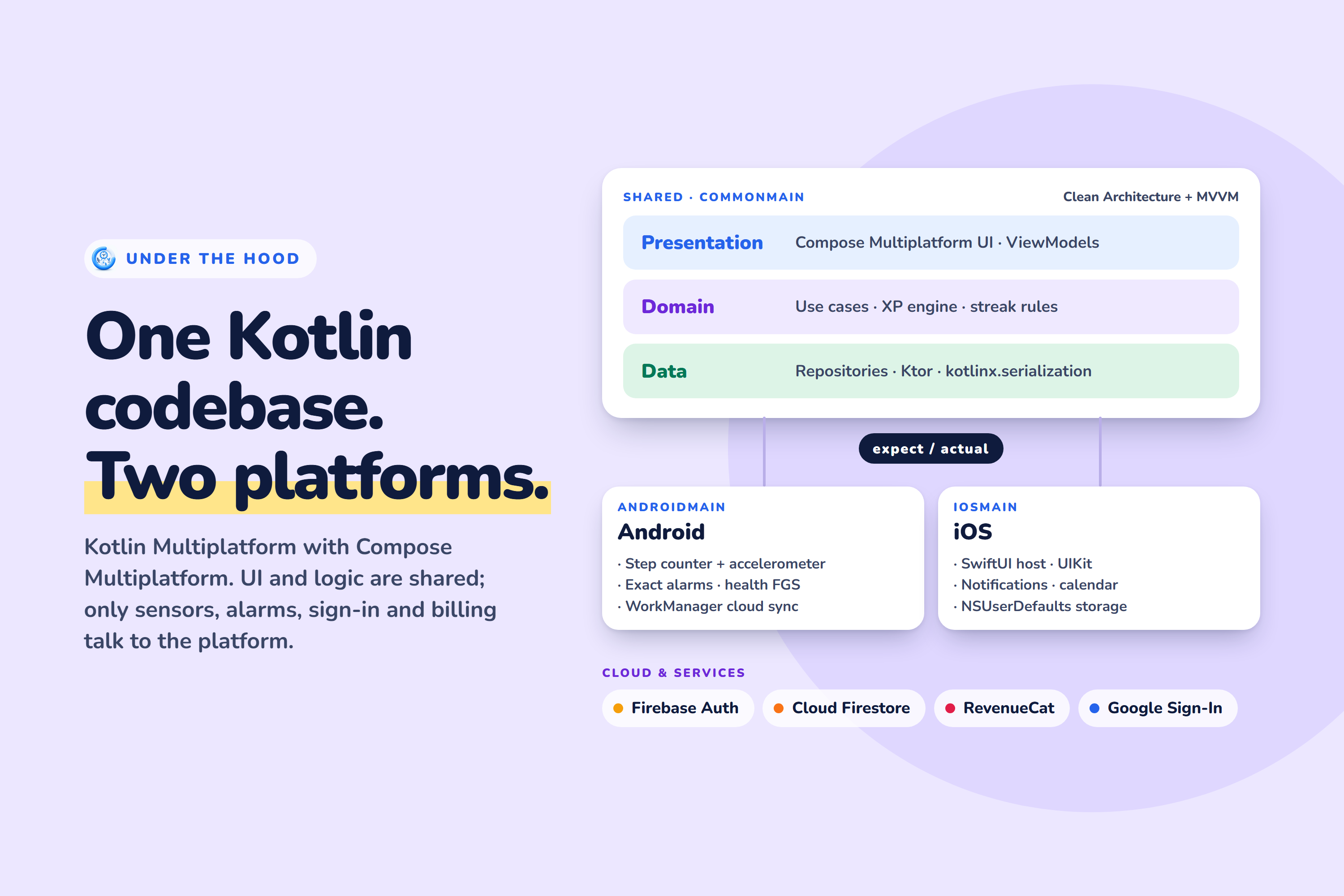
SpineClock was developed natively for Android using a modern, reactive stack:
UI & Architecture: 100% Kotlin and Jetpack Compose, structured with Clean Architecture and Unidirectional Data Flow (UDF) via StateFlow and ViewModels.
Sensor Pipeline: Android's native Sensor.TYPE_STEP_DETECTOR and Sensor.TYPE_STEP_COUNTER coupled with a low-overhead state machine to verify step counts without waking unnecessary system resources.
Reliable Background Execution: Architected an explicit FOREGROUND_SERVICE_HEALTH service accompanied by sticky progress notifications to keep step counts and alarms punctual even under aggressive OEM background battery restrictions.
Monetization & In-App Purchases: Integrated the RevenueCat SDK alongside Google Play Billing, supporting localized monthly and annual subscriptions with real-time entitlement gating.
Backend & Auth: Firebase Authentication and Firestore for persistent user profiles, cross-device sync, and offline-first habit records
Challenges we ran into
Android Doze & Battery Optimization: Modern Android power-saving modes aggressively suspend hardware sensor event delivery when the screen is locked. We tuned background sensor batching latencies and configured foreground service channels to ensure zero missed steps without causing battery drain.
Play Store Policy & Health Permissions: Gaining store approval for FOREGROUND_SERVICE_HEALTH and ACTIVITY_RECOGNITION required providing detailed technical declarations and demonstrable evidence that user-facing physical steps directly govern alarm termination.
Production Key Management & OAuth: Bridging local debug builds to the Play Store production release surfaced Google Play App Signing key mismatches. Resolving Google Sign-In required synchronizing classical and post-quantum SHA-1/SHA-256 certificate fingerprints across Google Cloud Console and Firebase.
Accomplishments that we're proud of
Sub-1-Hour Play Store Approval: Successfully navigated health permissions, privacy declarations, and in-app purchase setups to achieve full Google Play production approval in under 60 minutes.
Zero-Friction Physical Verification: Created a responsive step-detection loop that works immediately when picking up the phone from the desk.
End-to-End Production Readiness: Shipped a complete, monetized product featuring clean UI design, RevenueCat subscription tiers, legal compliance, and offline-first capabilities
What we learned
Empathy-Driven Engineering: Building for chronic health conditions requires absolute reliability. If a break alarm or sensor fails to register, the user's focus and health routine break down.
Low-Power Sensor Orchestration: Mastered Android background execution paradigms, foreground service contracts, and power-efficient sensor batching.
Production Deployment Lifecycle: Gained hands-on experience navigating the complete Google Play release pipeline, from OAuth credential resolution to in-app subscription architecture with RevenueCat.
What's next for SpineClock: Break Reminder
Wear OS Companion App: Direct standalone wrist detection so users can leave their phone at the desk while walking their break steps.
Smart Wearable Heart-Rate Integration: Syncing with Health Connect to correlate heart-rate variability (HRV) with focus recovery.
Expanded Expedition Trails: Introducing additional global mountain routes, community team challenges, and multiplayer step expeditions.
Desktop Companion / Web Sync: Pairing the mobile app with a macOS/Windows menu bar utility to automatically lock computer screens until break steps are cleared on the phone.

Log in or sign up for Devpost to join the conversation.