Devpost
Inspiration
After learning the absurd number of mileage it takes for food to travel from the farm to the dinner table (1,500 miles!) along with the amount of carbon dioxide emission resulting from food transportation, we felt a strong incentive to reduce this pollution.
What it does
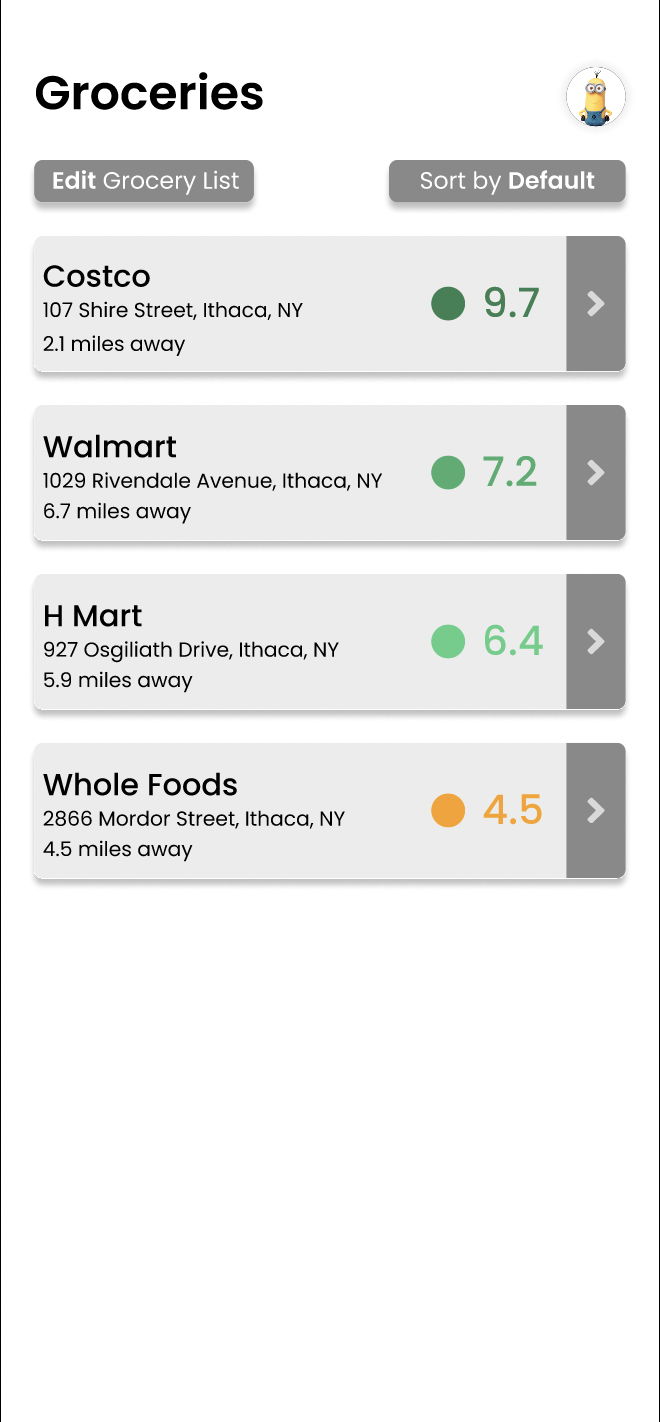
Our mobile app is a machine-learning grocery store recommender that recommends to users the optimal stores to purchase groceries from. The variables involved in the recommendation algorithm include product cost, user's past transactions, sustainability based on how the grocery was shipped, etc.
How we built it
Within the time given, we were able to build a primitive frontend design of our app with Figma and an algorithm (not powered by machine-learning but does take in various variables as inputs and produce an output -- scores for the products offered at each store and a composite score for the store based on its product scores).
Challenges we ran into
As novices, we had trouble utilizing resources/frameworks available to us, especially ones involving machine learning.
Accomplishments that we're proud of
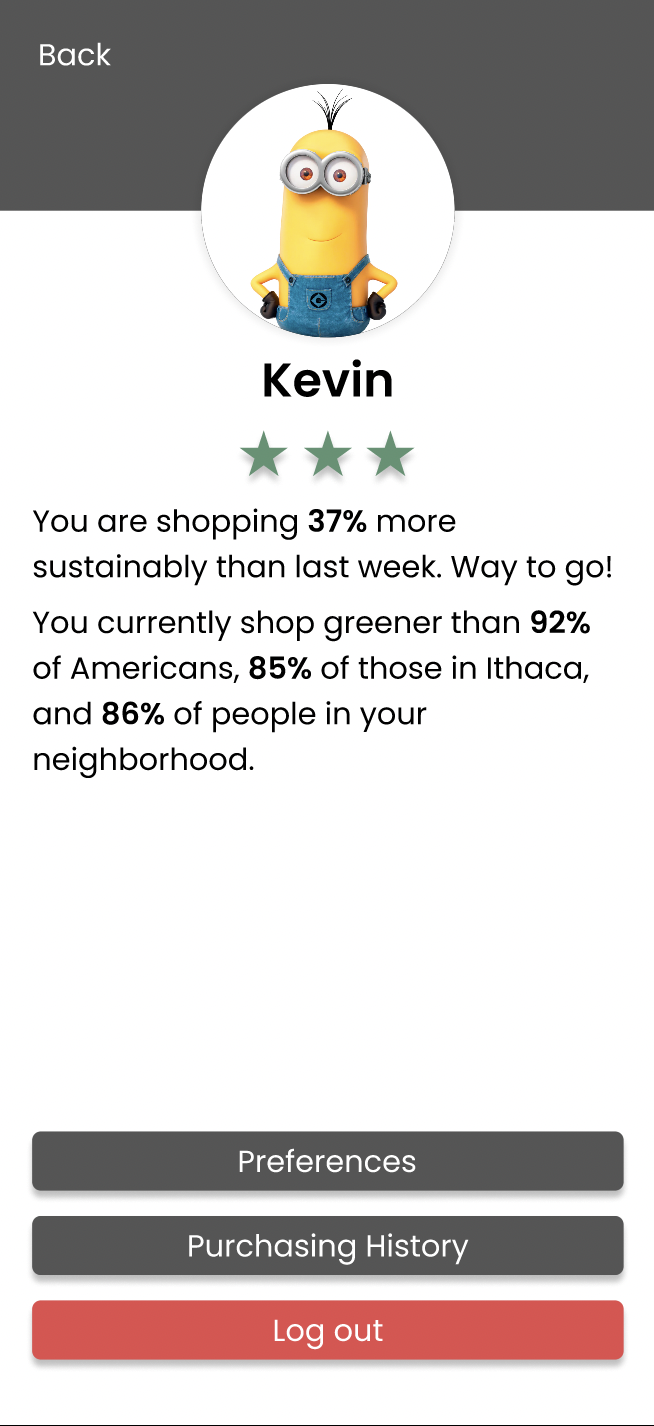
Developing our searching and collection algorithms and creating a full Figma app design was a new challenge, but we felt proud of successfully making them.
What we learned
Overall, we learned how to create a project using real-time collaboration with Git, IntelliJ, CSV, and Figma. Specifically, how to code grocery stores/products and create useful implementations.
What's next for Spicy Lychee
Eventually, what's next is implementing real machine learning to accurately take in any user input of products and return a list of the best supermarkets, according to our code.
Built With
- csv
- figma
- intellij-idea
- java

Log in or sign up for Devpost to join the conversation.