If you can’t touch augmented reality, can you really call it a reality?
I started as a magician. The best illusions extend something real beyond what seems possible. Decades of designing XR interactions and creator tools have brought me to one conviction: reality will become the next operating system. Every object and surface will be an opportunity to interact with its digital layer, as a controller, a portal, or a gateway to context-aware services, games, entertainment and work.
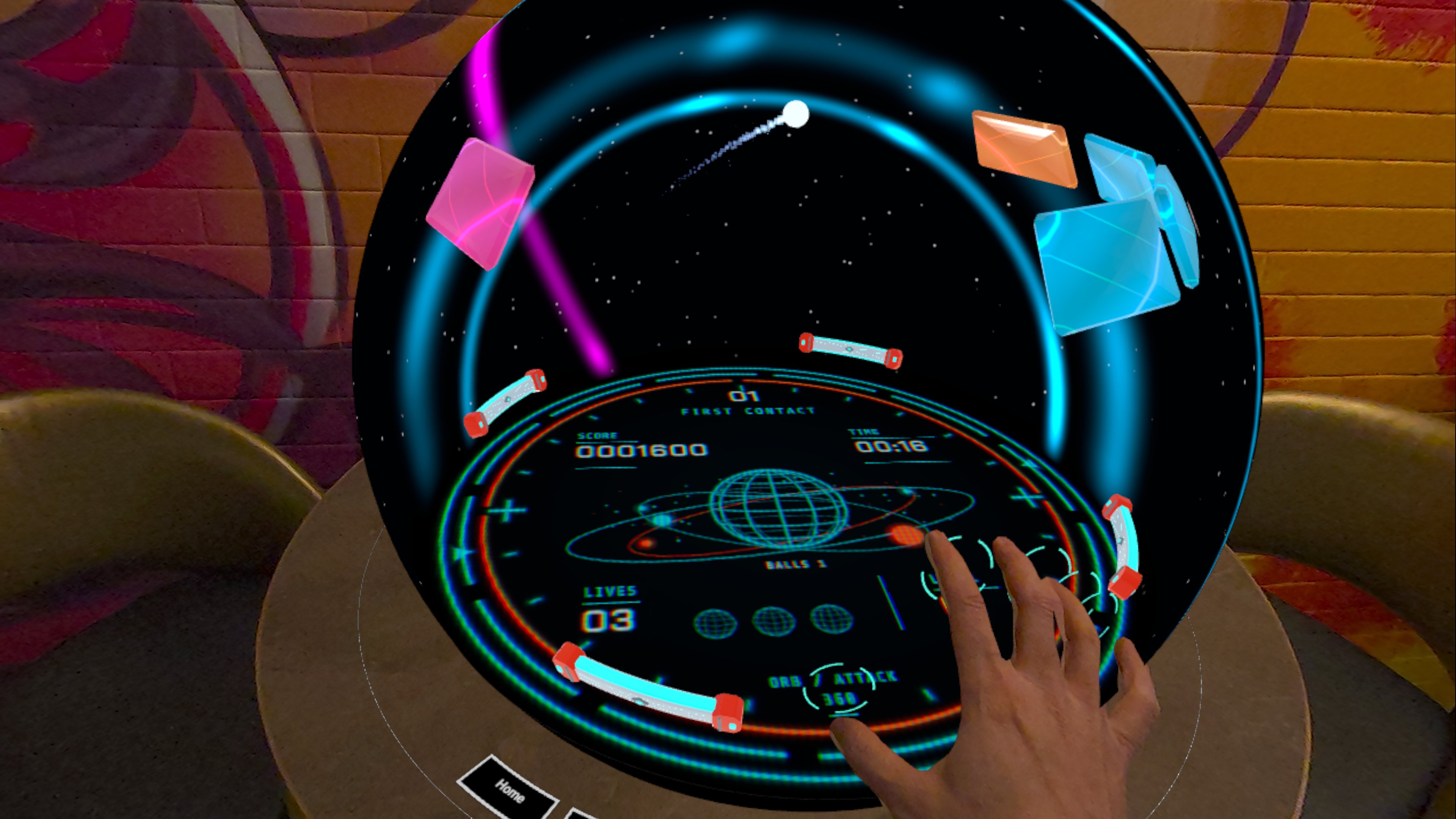
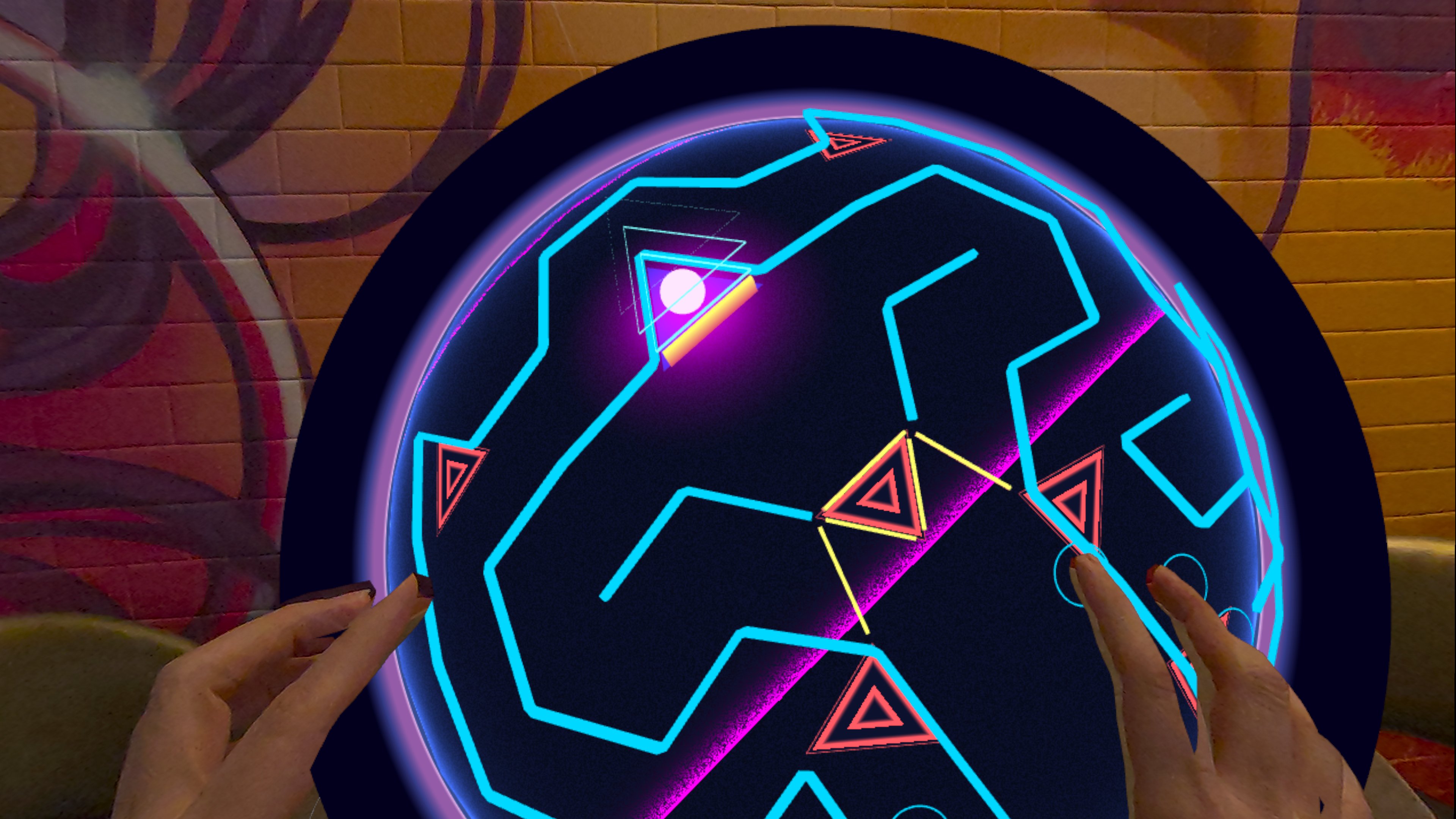
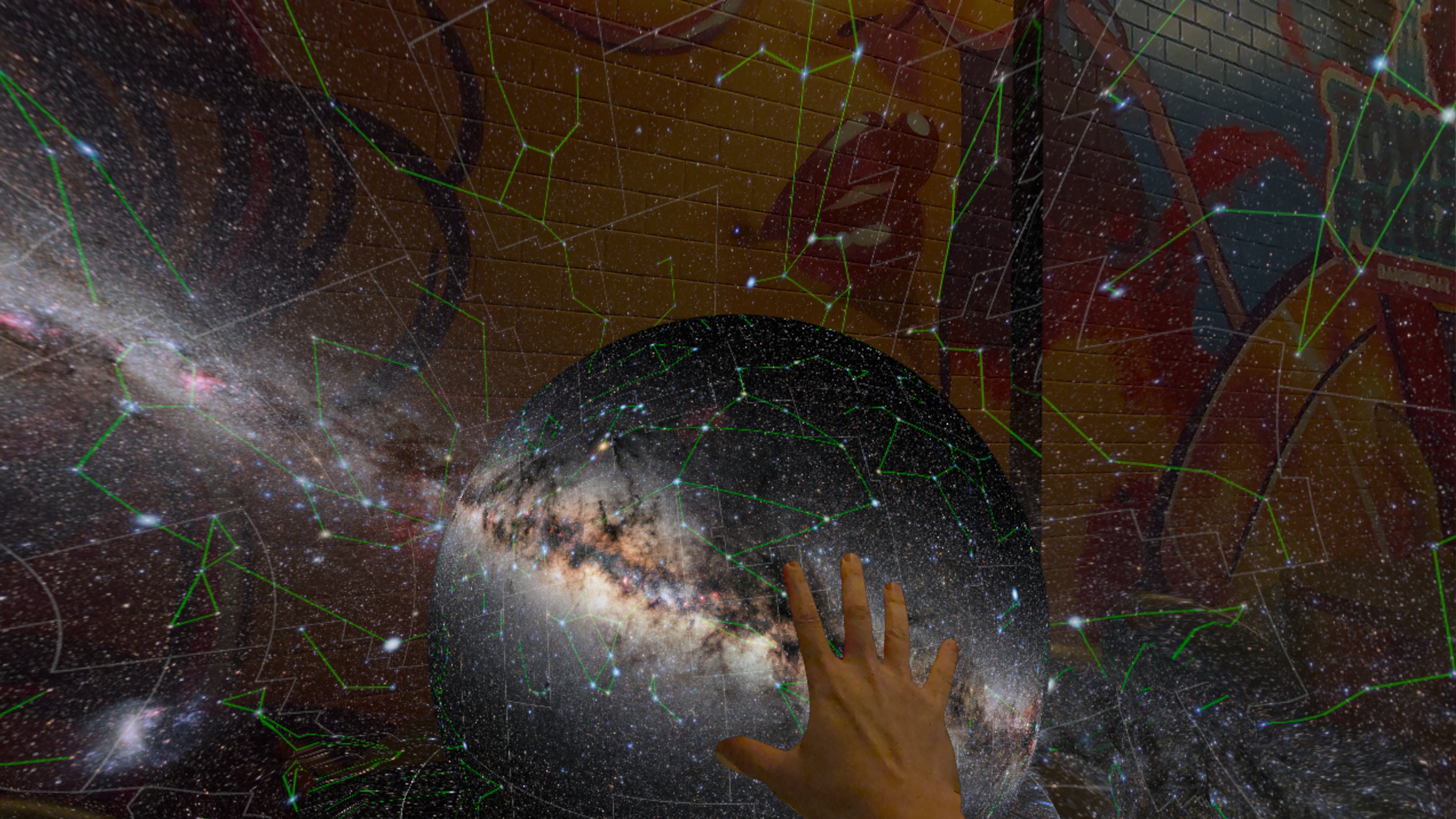
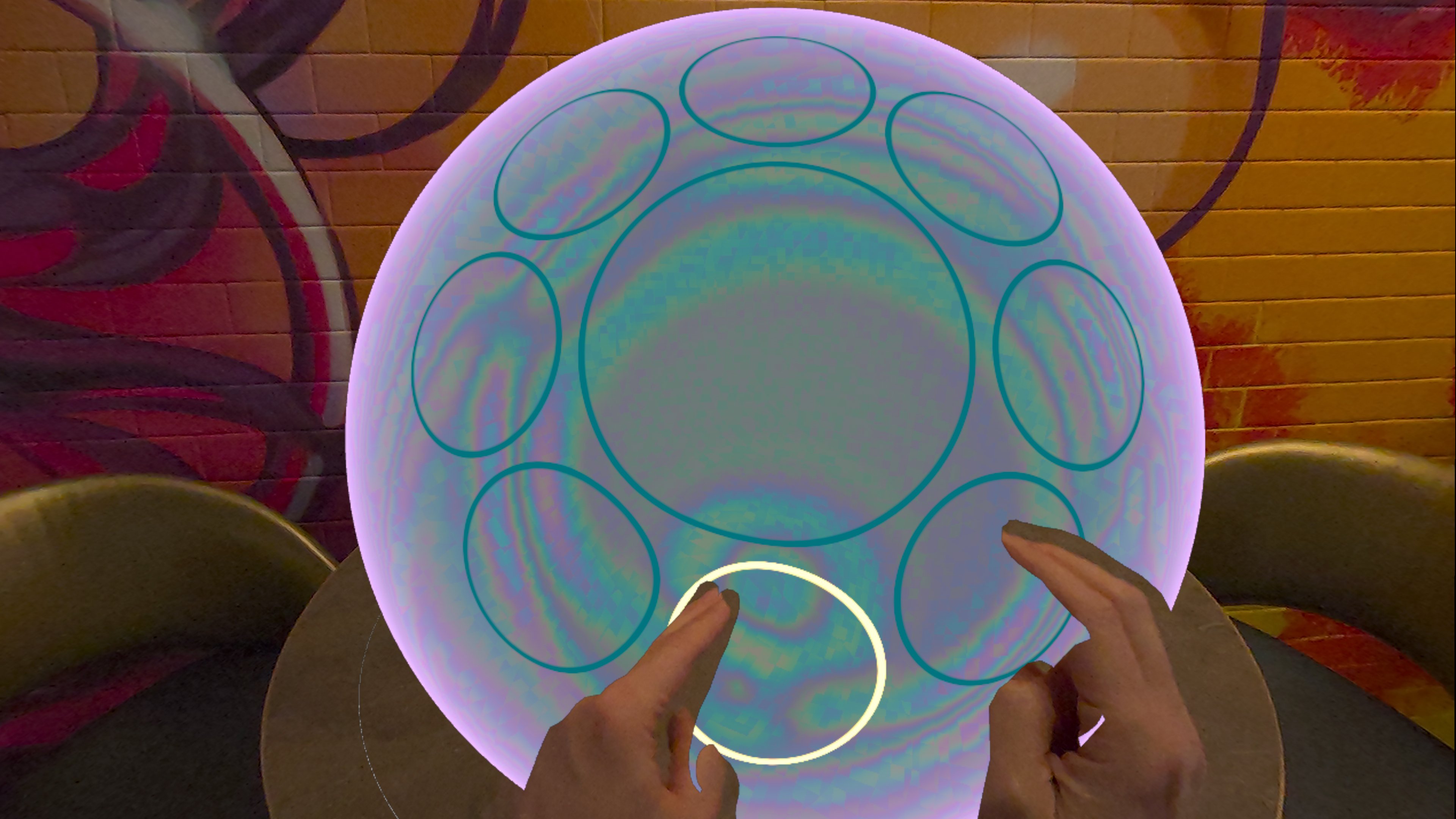
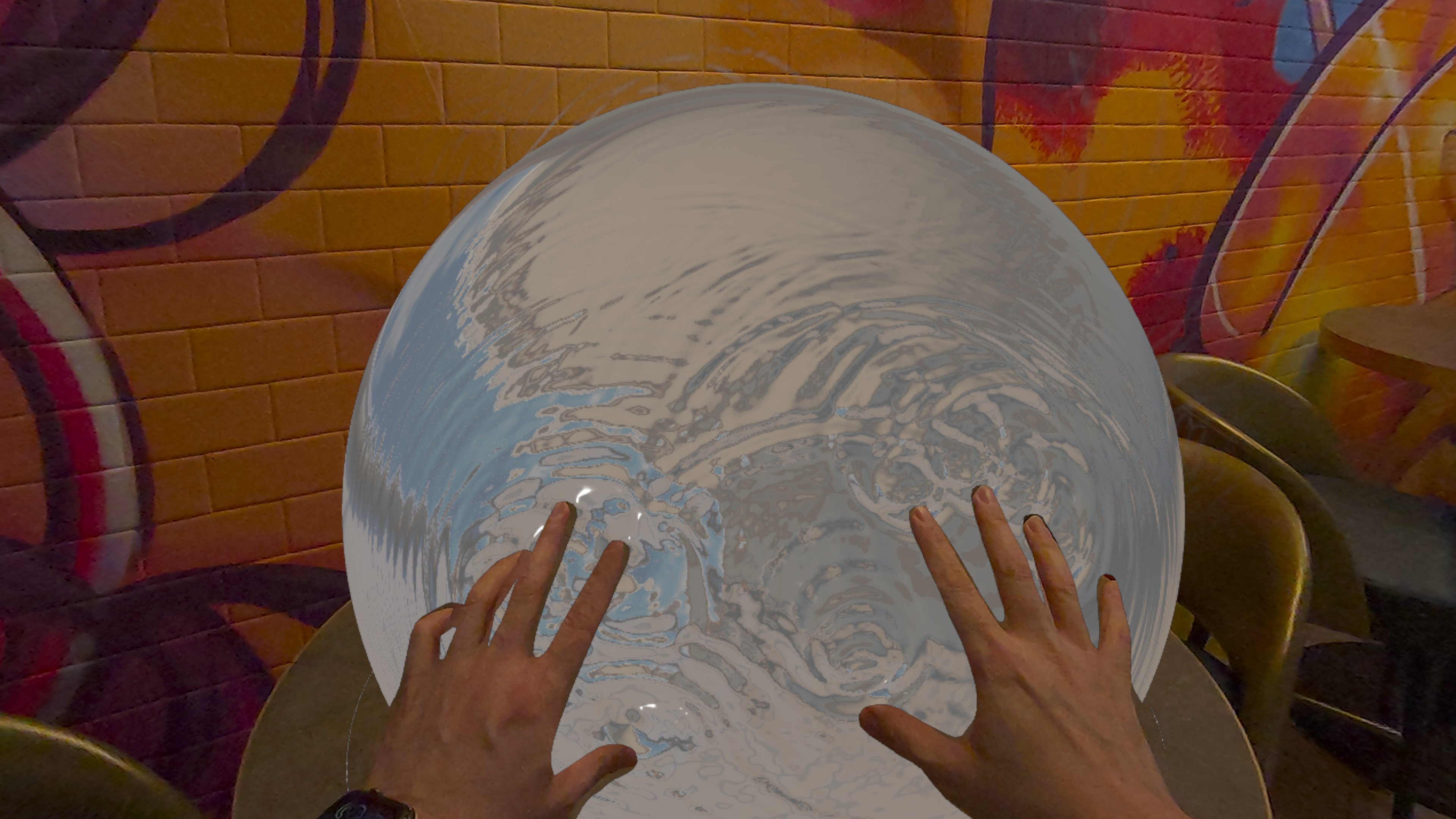
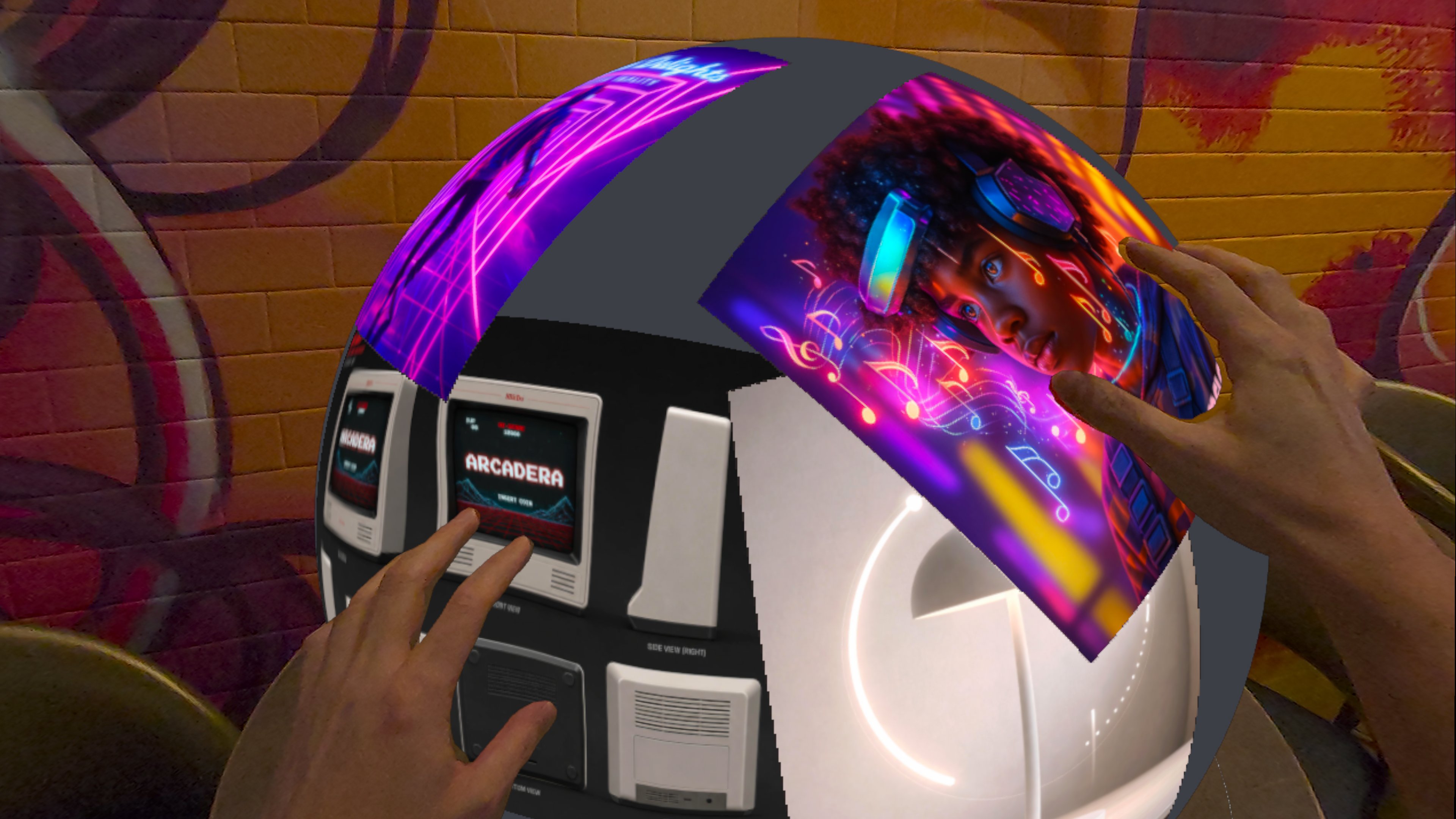
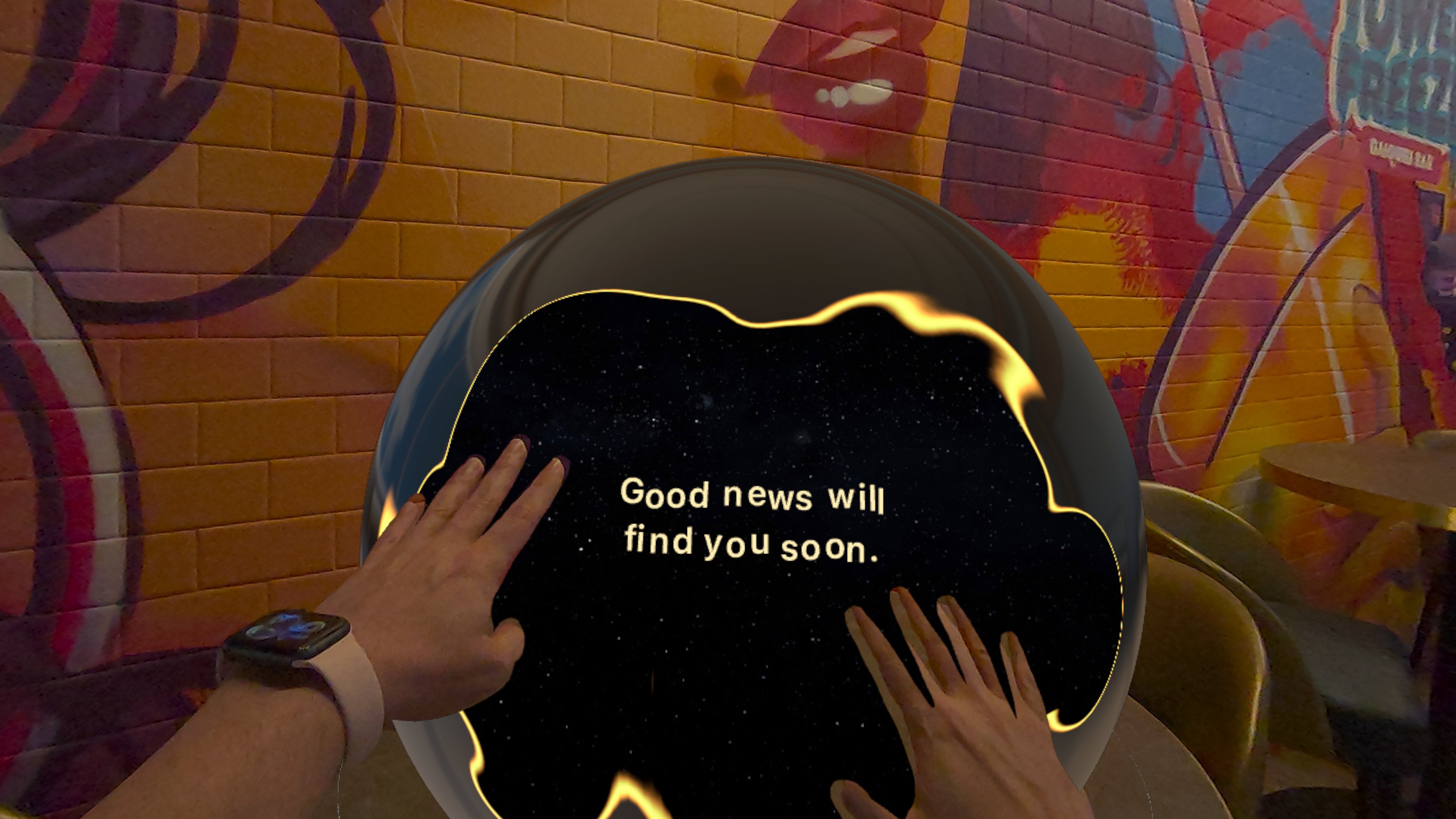
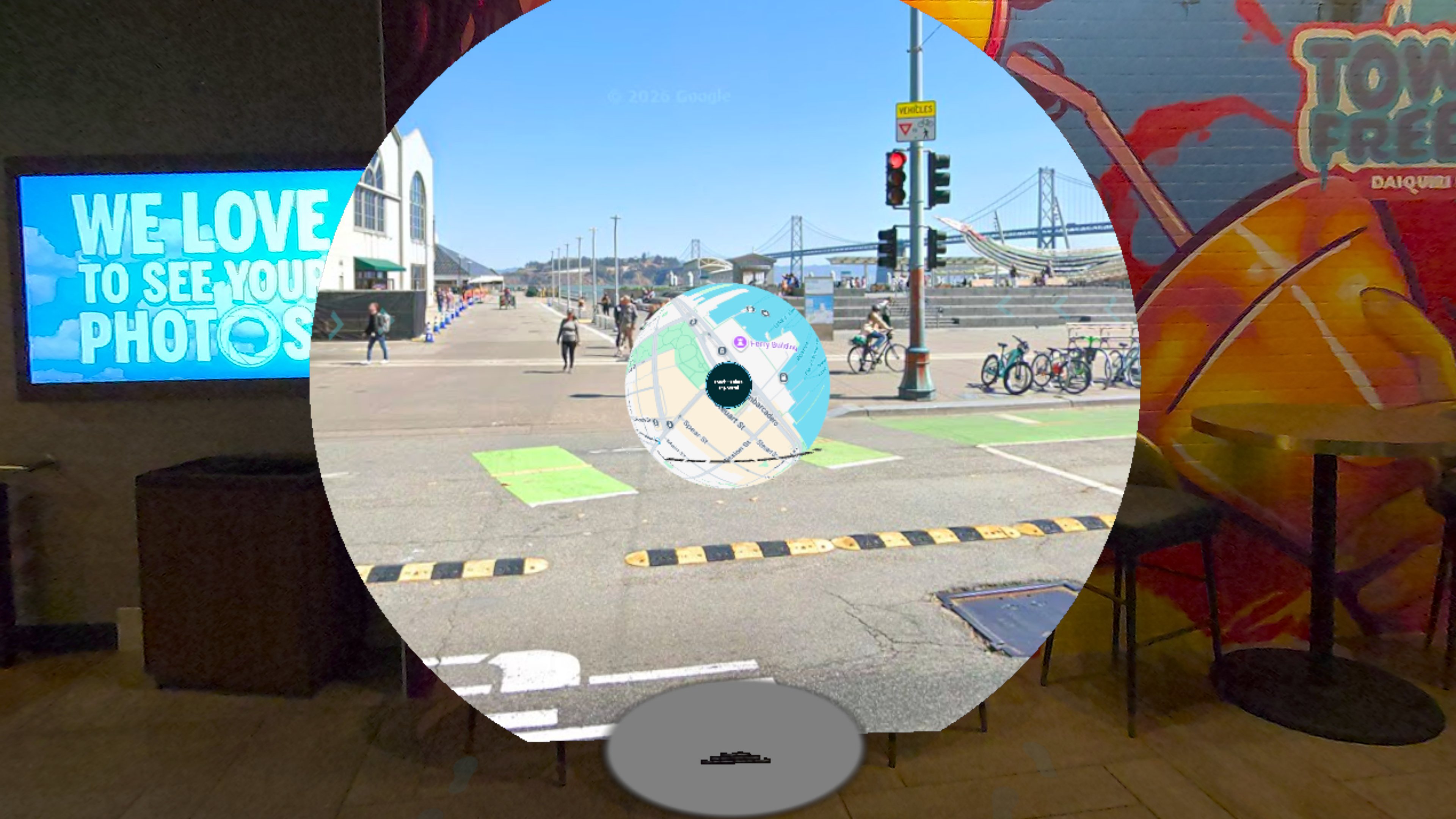
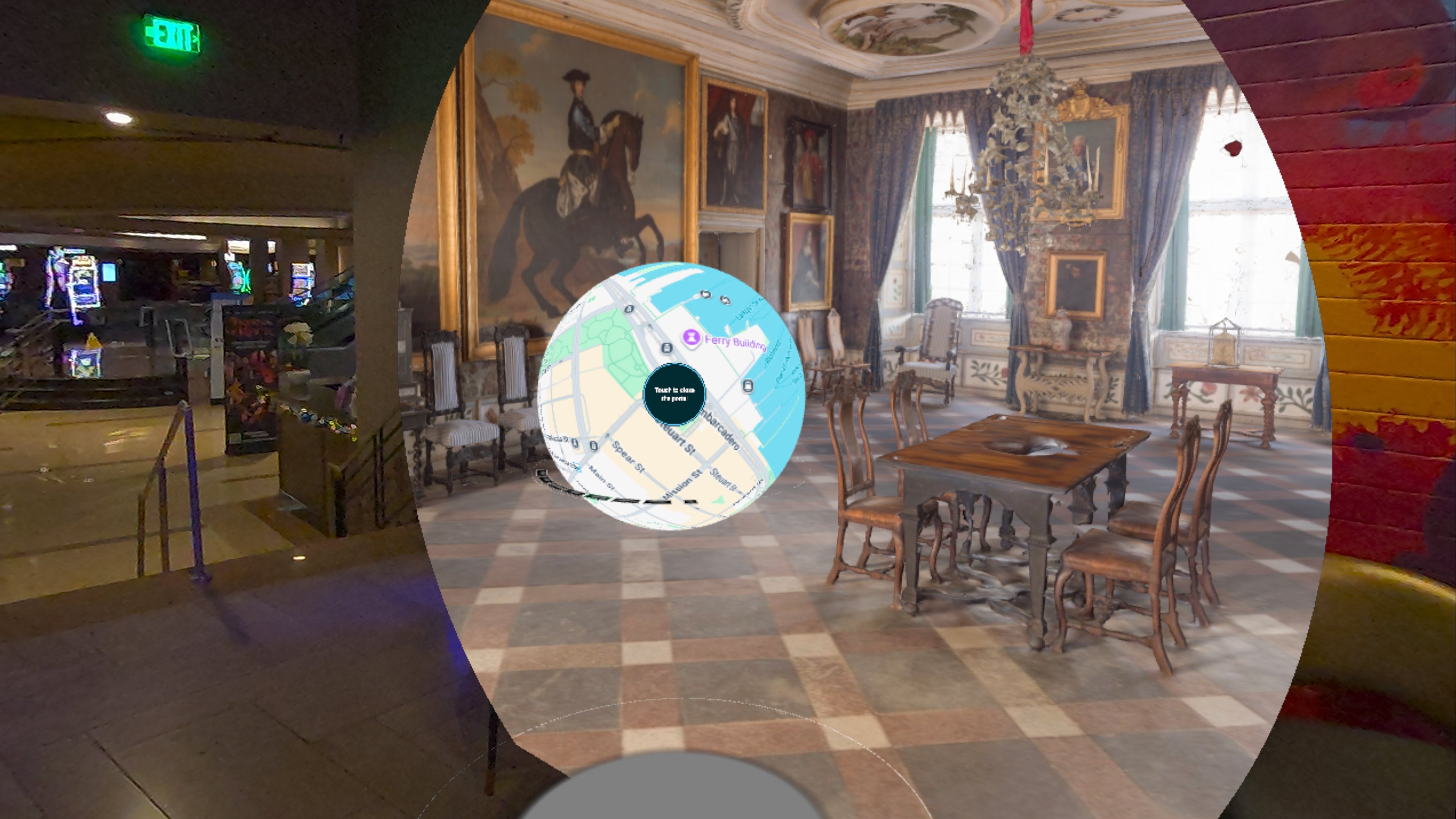
Sphenomenon is a soft, tactile playground that comes alive under your hands. Digital content doesn't simply float around you: it grows from the real sphere, turning it into an interactive screen. Familiar gestures trigger surprising effects, reveal depth inside the object, or extend the experience across the room and onto the walls. You can touch the very thing being augmented.
It is a hands-on experimental hub for developers to experience what tangible interfaces make possible and imagine their own applications. For the public, it offers a glimpse of a world where ordinary objects can carry digital experiences.
I designed the installation as an inviting object people naturally want to approach, touch and explore. It combines the physical sphere with spatial content, passthrough and hand interaction. Originally built for Apple Vision Pro, it is being adapted for Meta Quest.
I see it at XR events, hackathons, museums, digital art exhibitions, location-based entertainment venues and physical stores, where it could help newcomers discover a headset and explore what mixed reality makes possible.
The real design challenge is preserving the suspension of disbelief. The smallest mismatch between what people see, what they touch and what their brain expects can break the illusion. Every visual response, spatial relationship and interaction has to reinforce the same physical reality.
Nearly 100 XR industry professionals have tried Sphenomenon, including developers who have seen countless demos. Many told me it changed how they perceive mixed reality. What once seemed abstract suddenly felt natural and obvious. Some said it rekindled an excitement they had not felt since first trying VR.
No video can convey that sensation. You have to feel it.
I plan to open-source the software across platforms, including Meta Quest, and share instructions for recreating the table and sphere. As XR devices become lighter and more glasses-like, tangible experiences like this could become even more immediate. The goal is to give creators a starting point, not a finished set of ideas.
A note to anyone trying the demo
Yes, Sphenomenon works without the physical sphere, and some of its effects are enjoyable on their own. But that misses the entire point.
The visuals are only part of the experience. The real magic is what you feel when you touch the sphere: the surprise, delight and sense of presence that no screen recording or standalone demo can convey.
So if it looks cool without the table, keep in mind there is another level to discover. I hope you get to experience the complete installation someday.


