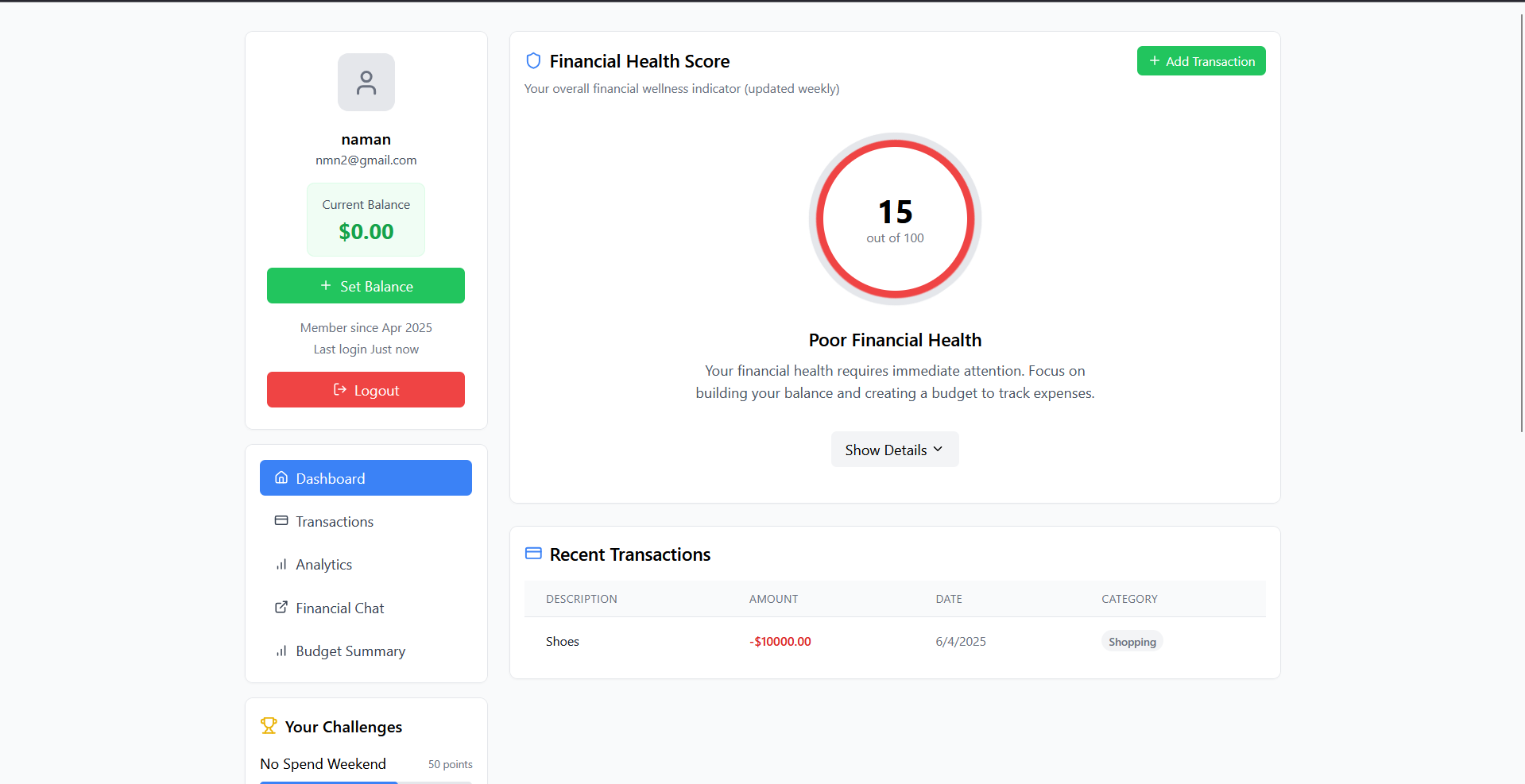
The Journey of Building SpendWise
Our journey with SpendWise began with a simple idea: to create an app that helps people track their expenses and make smarter financial decisions. However, like any development process, we faced some interesting challenges along the way.
Initially, we wanted to integrate machine learning directly into our chatbot for predicting impulsive purchases. The goal was for the chatbot to not only respond to users but also classify their purchases based on patterns. However, we encountered significant hurdles in implementing the machine learning models efficiently within the chatbot, especially when handling real-time data and ensuring the bot’s responsiveness.
After some trial and error, we decided to take a step back and simplify the process. Instead of embedding the ML directly into the chatbot, we integrated an API using Python Flask to handle the classification of purchases. This allowed the chatbot to call the API for purchase predictions without overloading the bot's performance. The result? A seamless and efficient integration that enabled the chatbot to offer insights into impulsive spending behavior.
On the frontend, we used React to create a clean, dynamic user interface, making it easy for users to interact with SpendWise. For the backend, we chose Node.js to handle the bulk of the data processing, ensuring a fast and reliable experience for users.
Ultimately, the combination of Python Flask for the ML API, React for the frontend, and Node.js for the backend allowed us to build a robust, interactive expense tracker that delivers valuable insights. It was a rewarding experience to see all the pieces come together, and we’re excited to see how SpendWise can help users manage their finances smarter.

Log in or sign up for Devpost to join the conversation.