
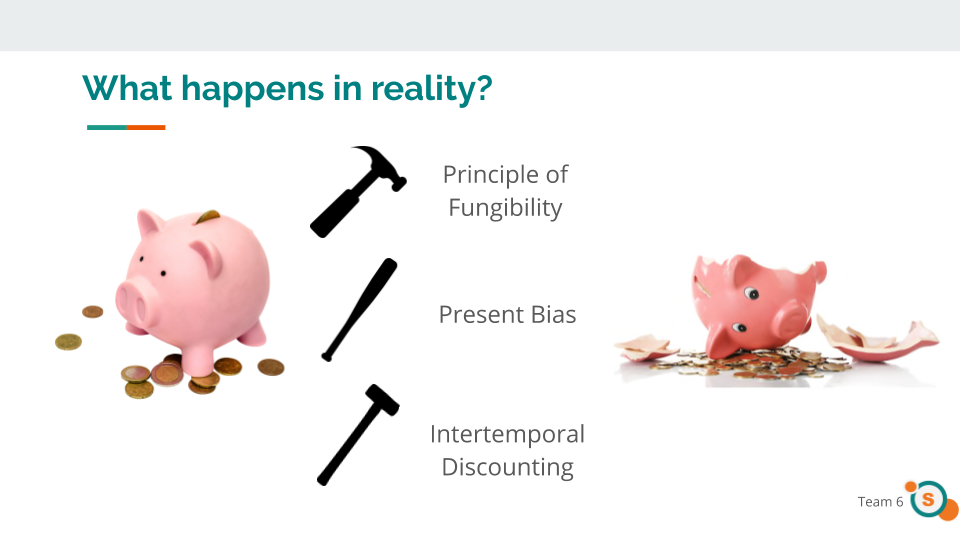


Consumers enjoy spending money. However, often, an individual’s actual spending habits do not align with his or her formulation of ideal spending. Rather than keep saving money at the forefront of the decision making process, consumers impulse buy and diverge from what could otherwise be ideal spending and saving decisions. The psychological barriers of present bias, intertemporal discounting, and violations to the principle of fungibility inhibit consumers from realizing how to best spend and save their money. This presents a problem illustrating a consumer’s inability to make spending and savings choices co-occur in time and place.
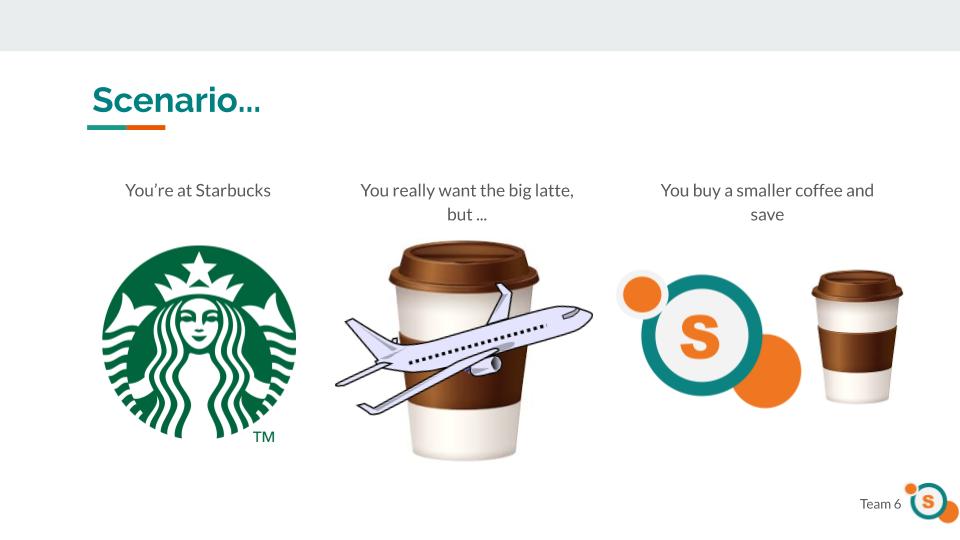
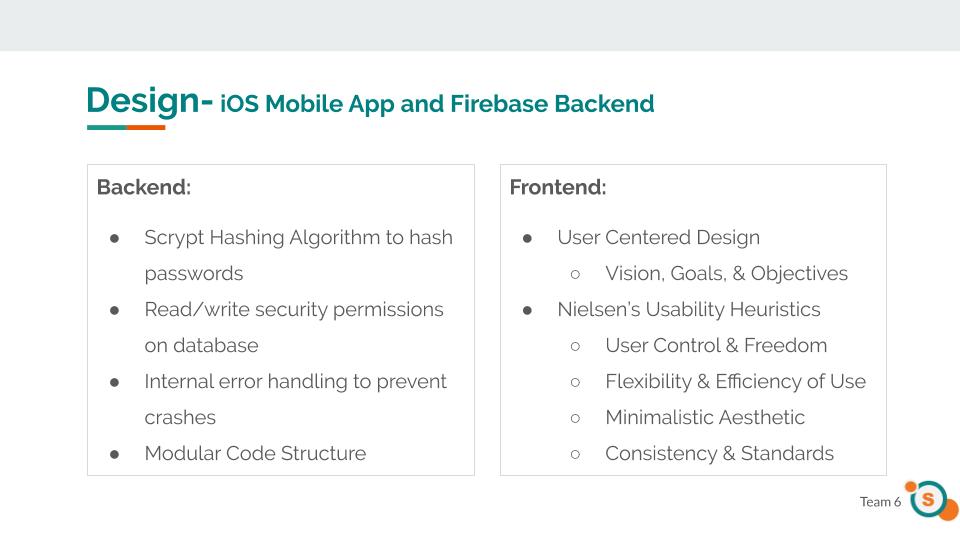
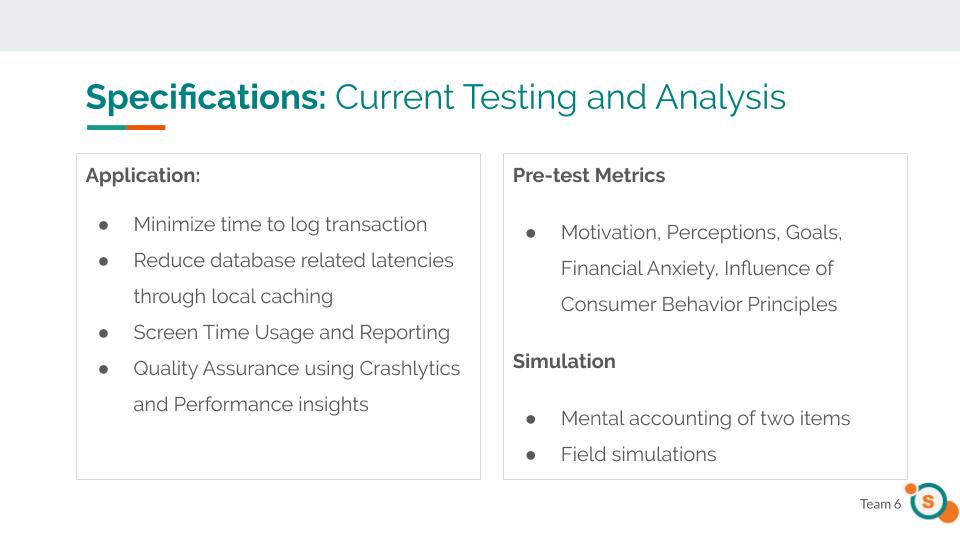
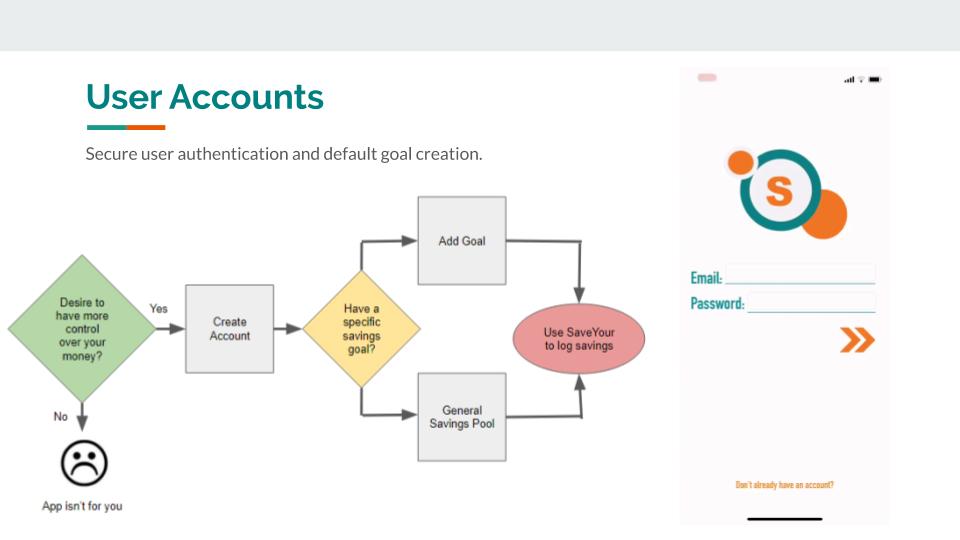
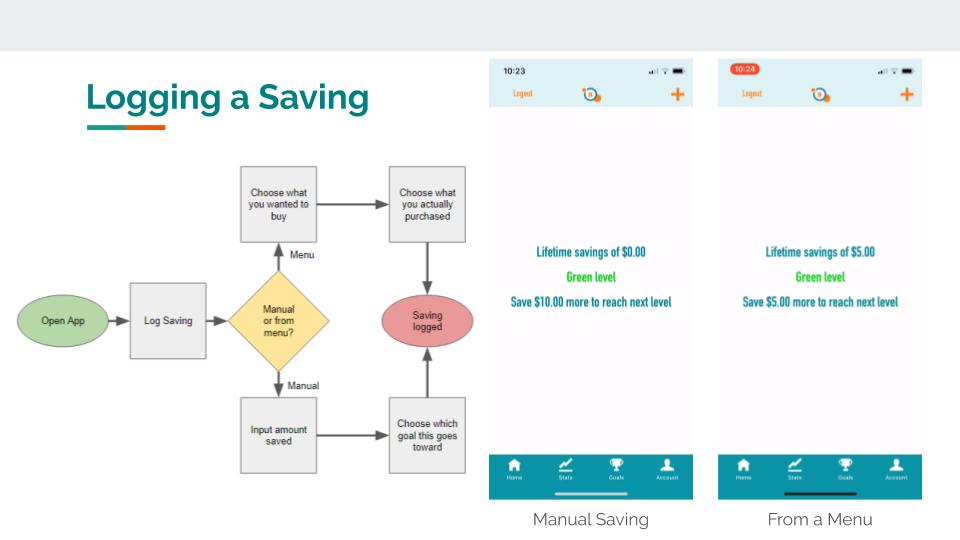
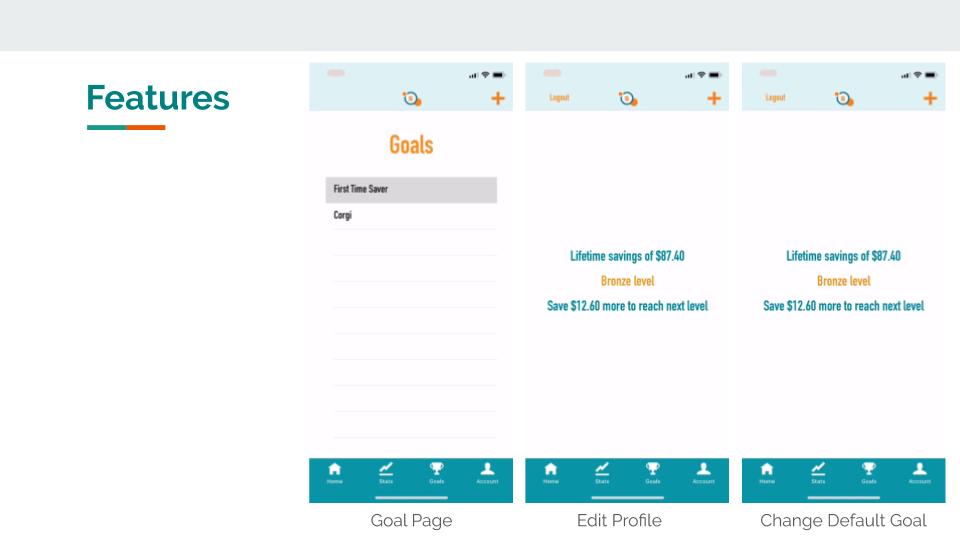
We are working with Professor Rebecca Schaumberg from the Wharton School of Business’s OID Department to help users overcome such mental barriers and address the lack of a mechanical solution to this problem. Our team has worked to design and build a mobile application focused on helping users take control of financial habits and meet savings goals. The application enables users to capture and convert artificial savings from mental accounting practices into concrete financial savings towards goals in real-time. Using our app, users can then observe tangible progress towards ideal spending and saving, ultimately increasing financial well-being and happiness. It is designed to both aid the consumer and the research studies of consumer psychologists. We have built it as an iOS application for Apple devices, with a backend hosted in Google’s Firebase, currently being beta tested using Apple’s TestFlight.
ONE MINUTE VIDEO: https://youtu.be/t8GXNoFriqchttps://youtu.be/_bKrVCISDNY ***TWO MINUTE VIDEO: https://youtu.be/_bKrVCISDNY

Log in or sign up for Devpost to join the conversation.