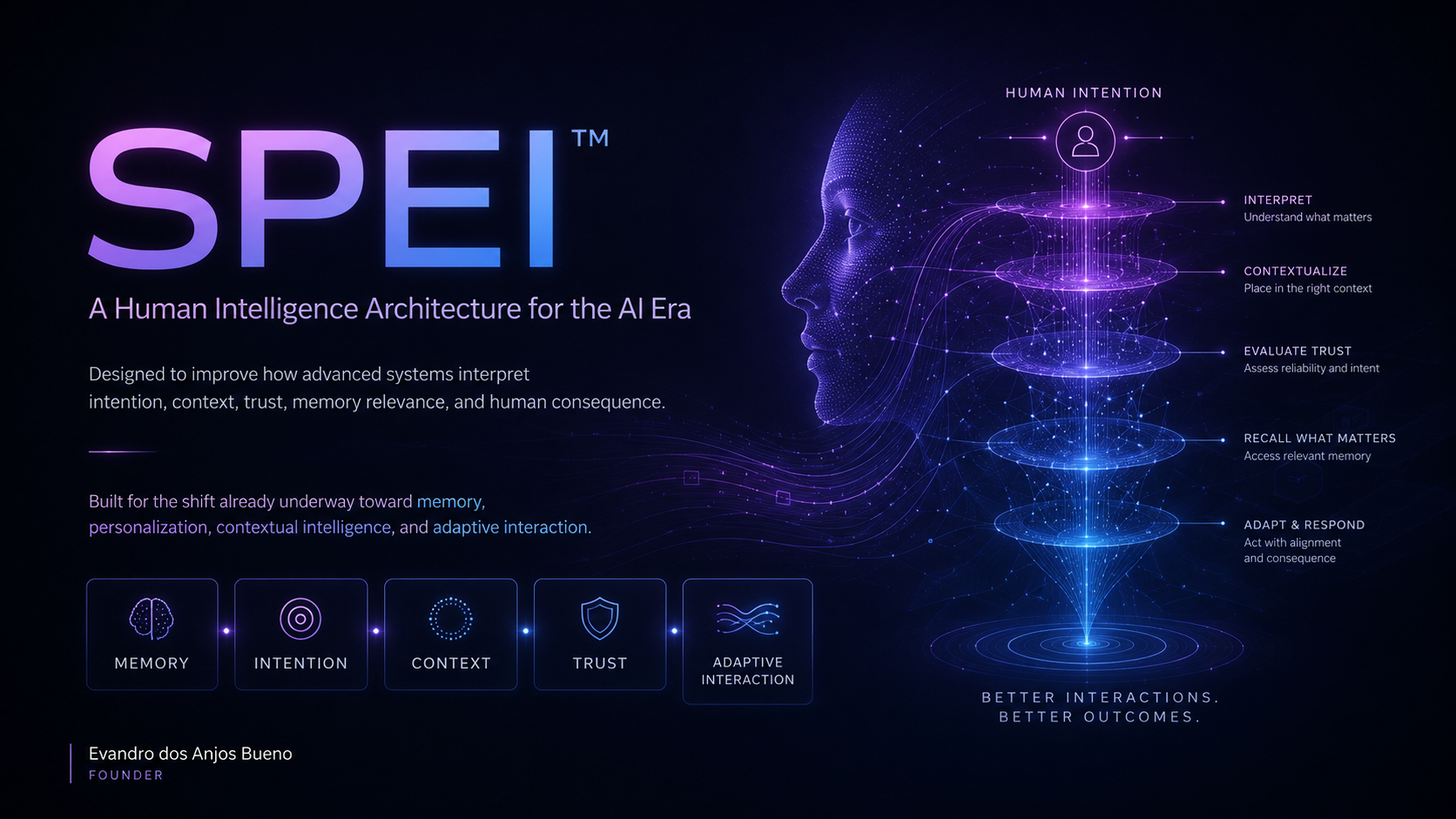
SPEI
Inspiration
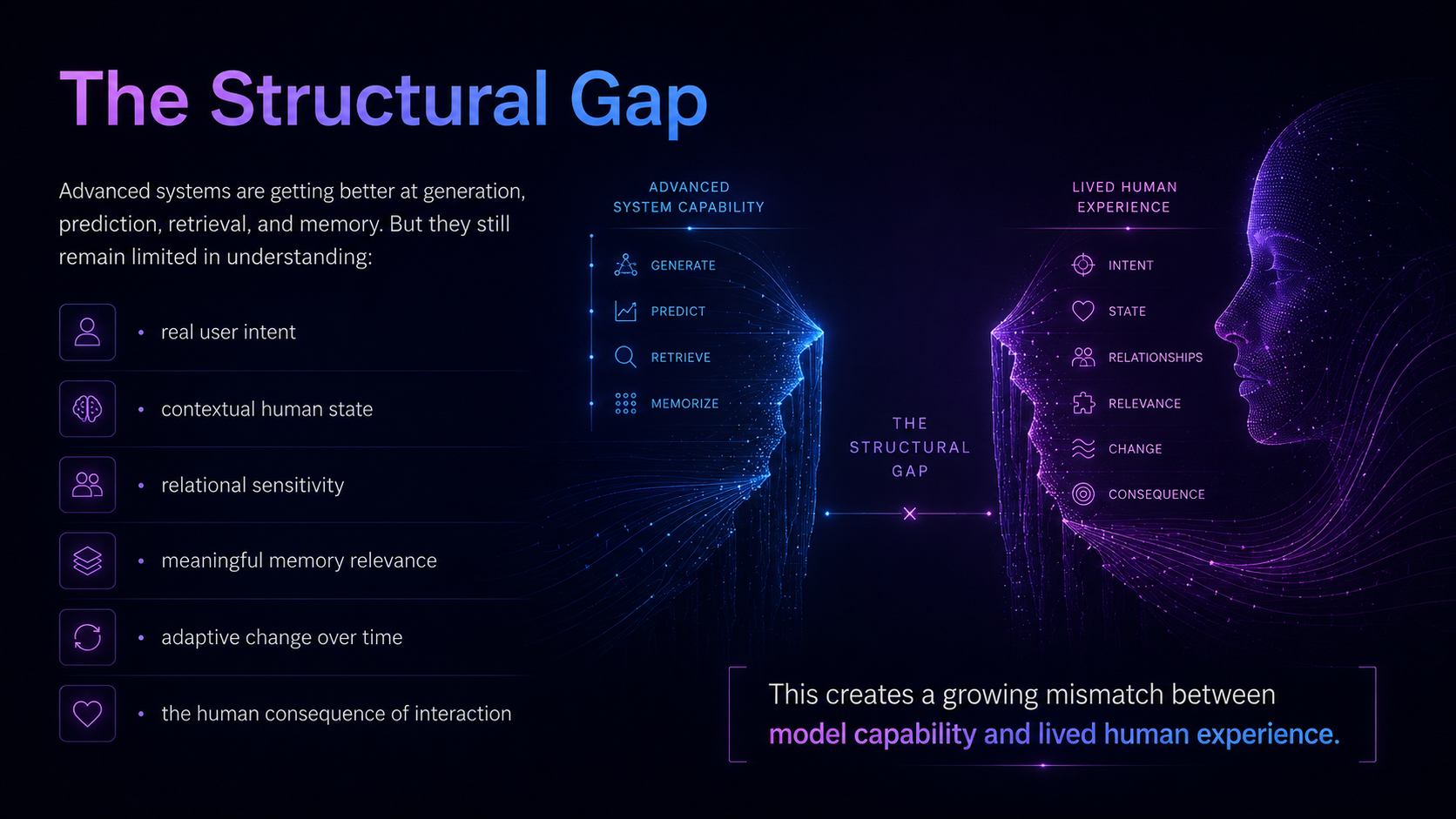
Artificial intelligence has reached an extraordinary level of capability. Yet one fundamental challenge remains: AI can process language remarkably well, but it still struggles to understand the human context behind that language.
People do not interact through words alone. Every interaction is shaped by intention, emotion, memory, environment, personal boundaries and changing circumstances. However, most digital experiences still treat each prompt as an isolated event.
SPEI began with a simple but important question:
What if intelligent systems could understand not only what a person is asking, but also the intention, context and evolving experience behind the request?
My vision is to help create AI experiences that are more adaptive, coherent, transparent and genuinely human-centered.
What it does
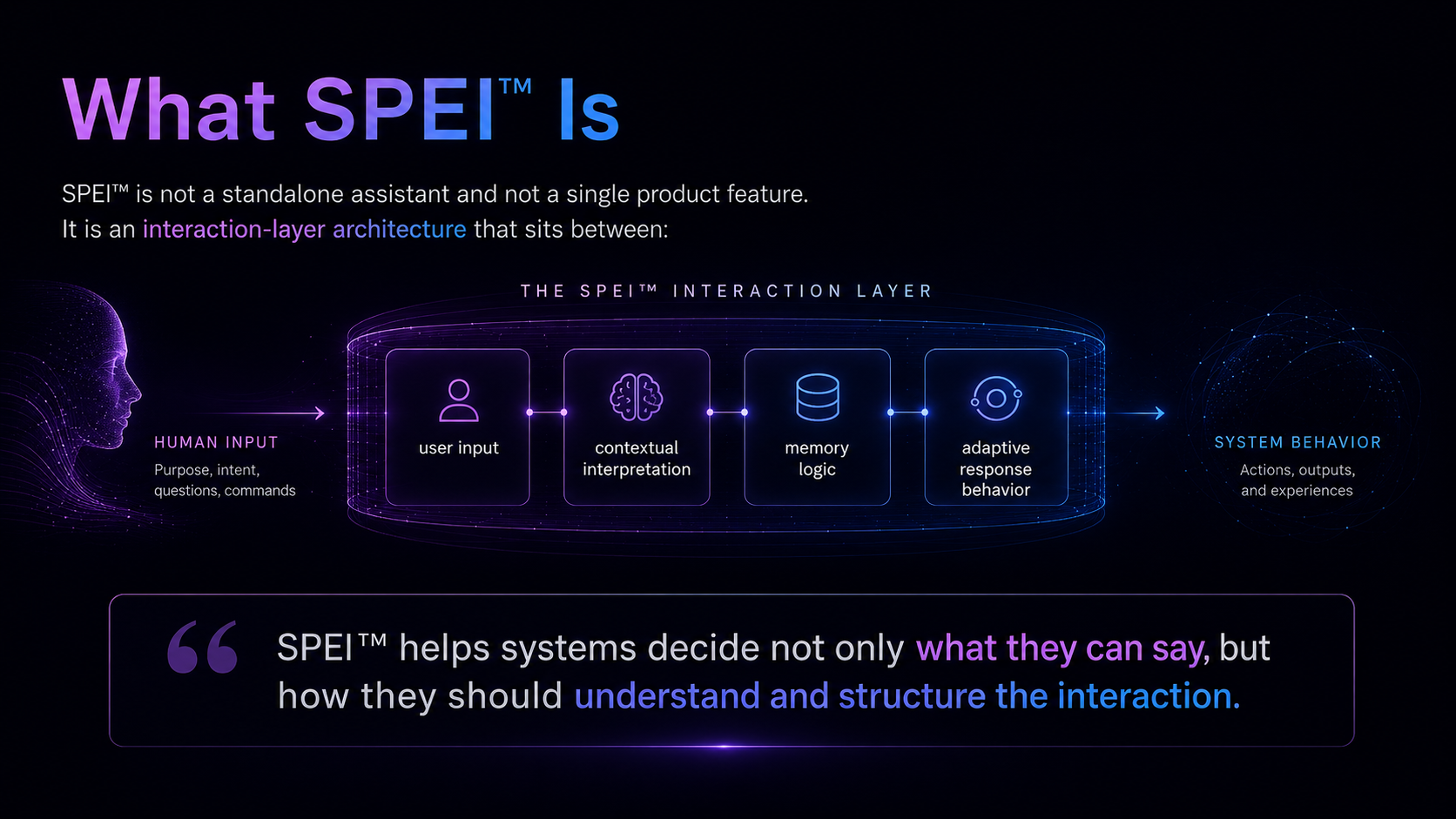
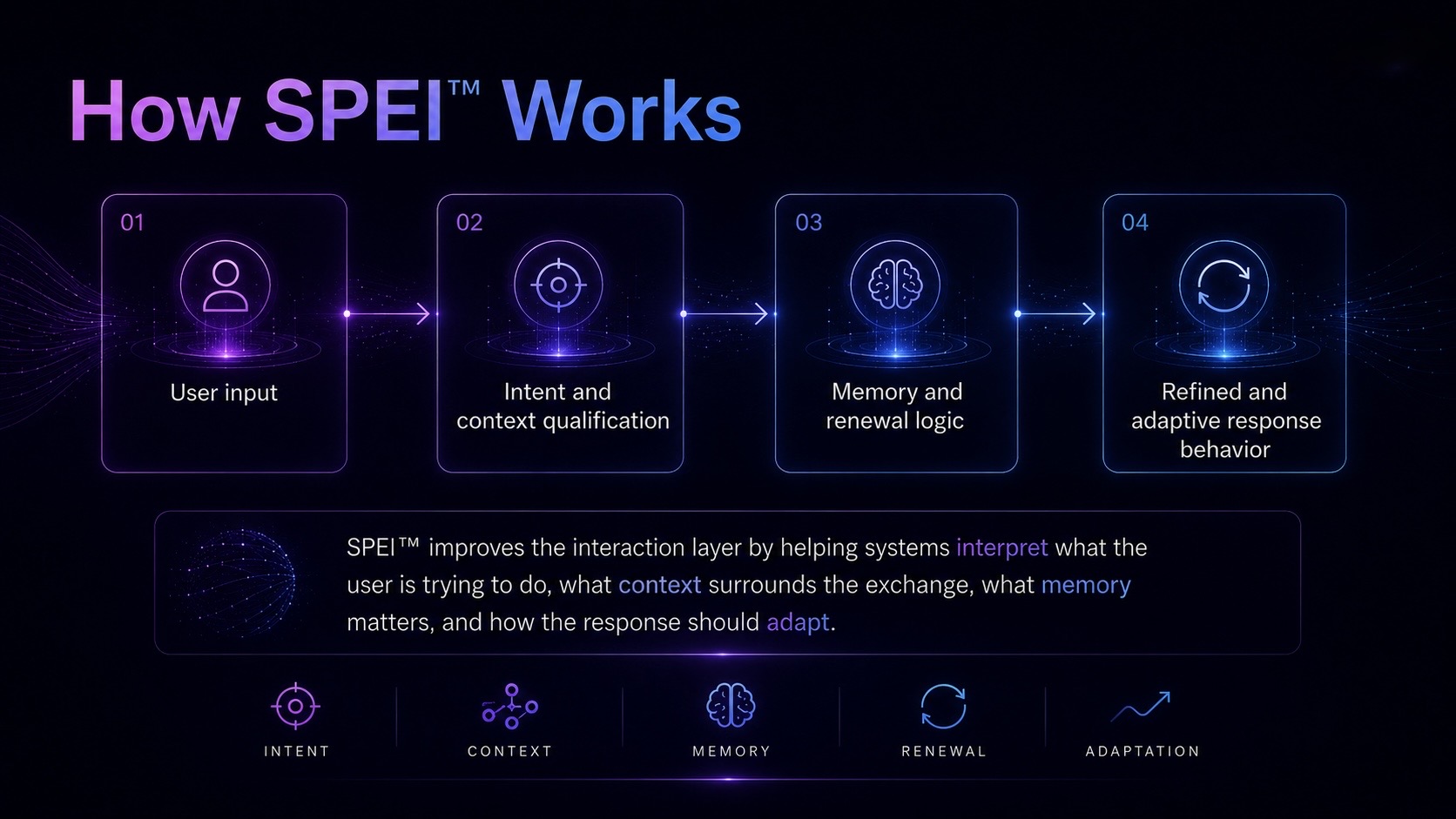
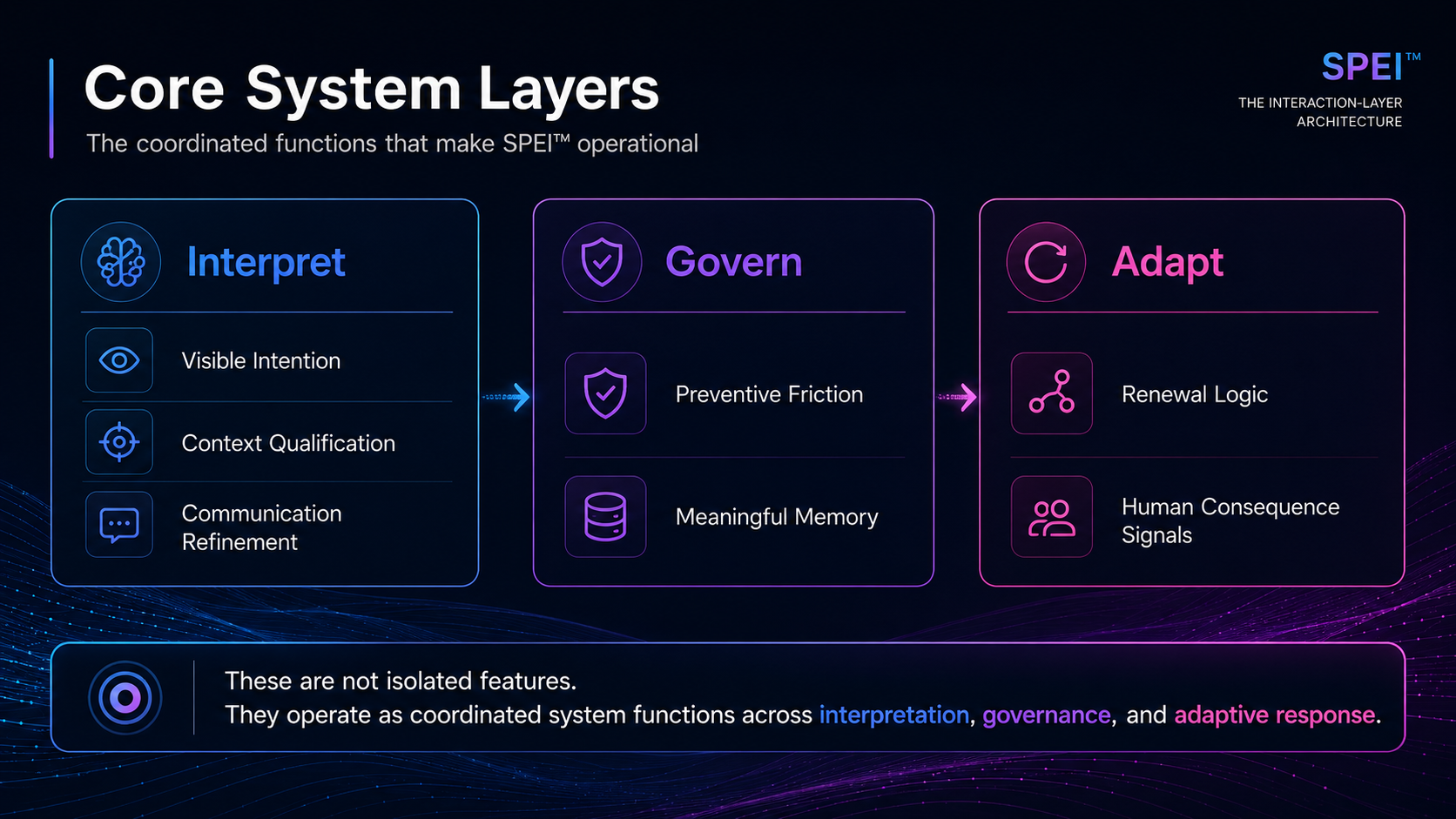
SPEI is an early prototype of an Experience Intelligence Layer for AI-powered systems.
It introduces a new interaction model in which users can express their current intention, provide relevant context, authorize how that context may be used and shape how an intelligent system should respond.
The prototype demonstrates several core concepts:
- Intentions, allowing users to communicate what they need from an interaction.
- Auras, visually representing the selected intention and experience state.
- Authorized context, helping the system understand the situation behind a request.
- Consent boundaries, giving users control over which signals may influence the experience.
- Adaptive responses, demonstrating how AI behavior can change according to user-defined intention and context.
- Explainability, allowing users to inspect why a response was shaped in a particular way.
- Memory Pins, allowing users to explicitly choose what should be preserved for future continuity.
- Experience Climate, exploring how aggregated interaction signals may be represented without exposing individual identities.
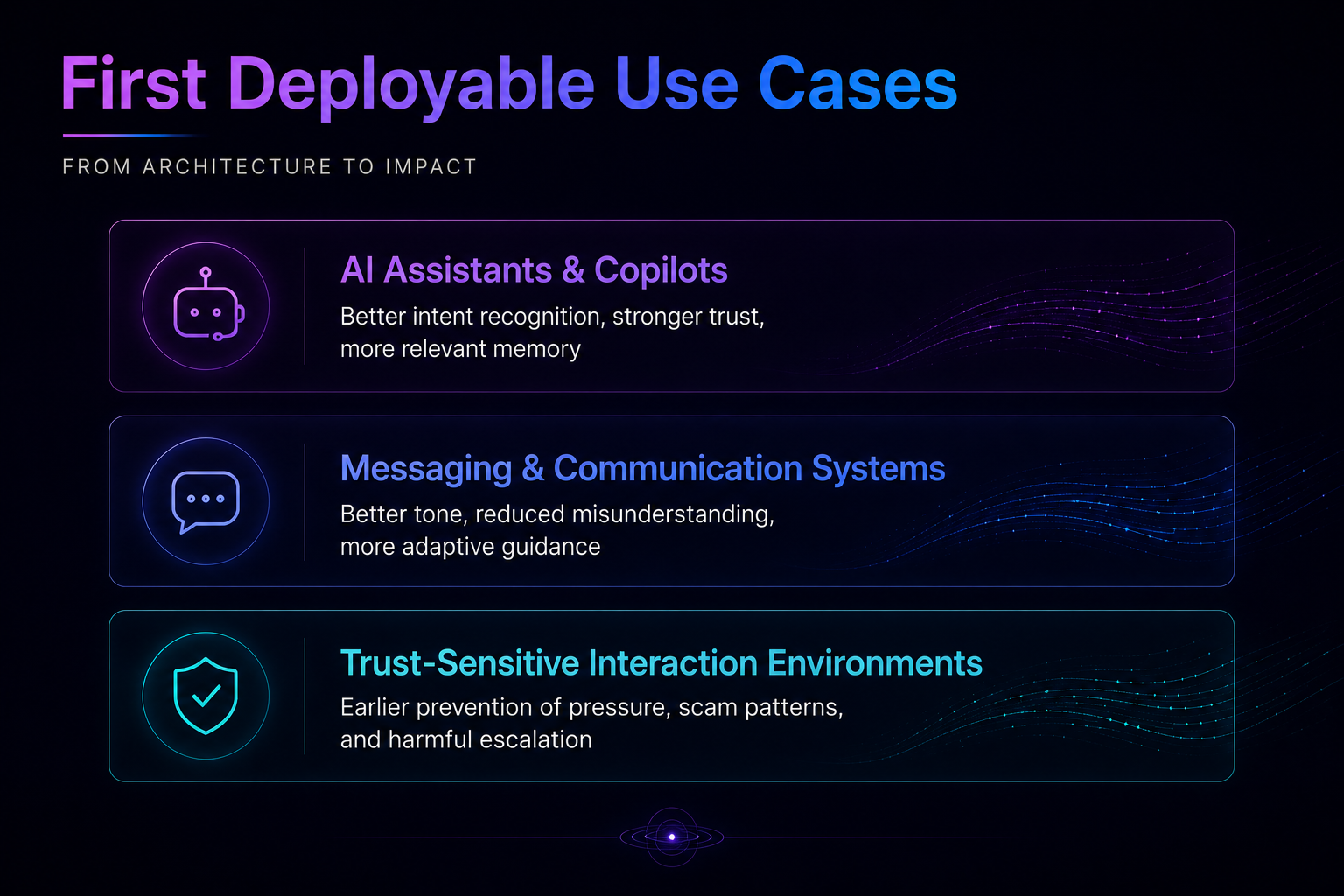
Instead of treating every prompt as an isolated command, SPEI explores how intelligent systems can create continuity, respect user boundaries and respond in ways that feel more relevant to the individual.
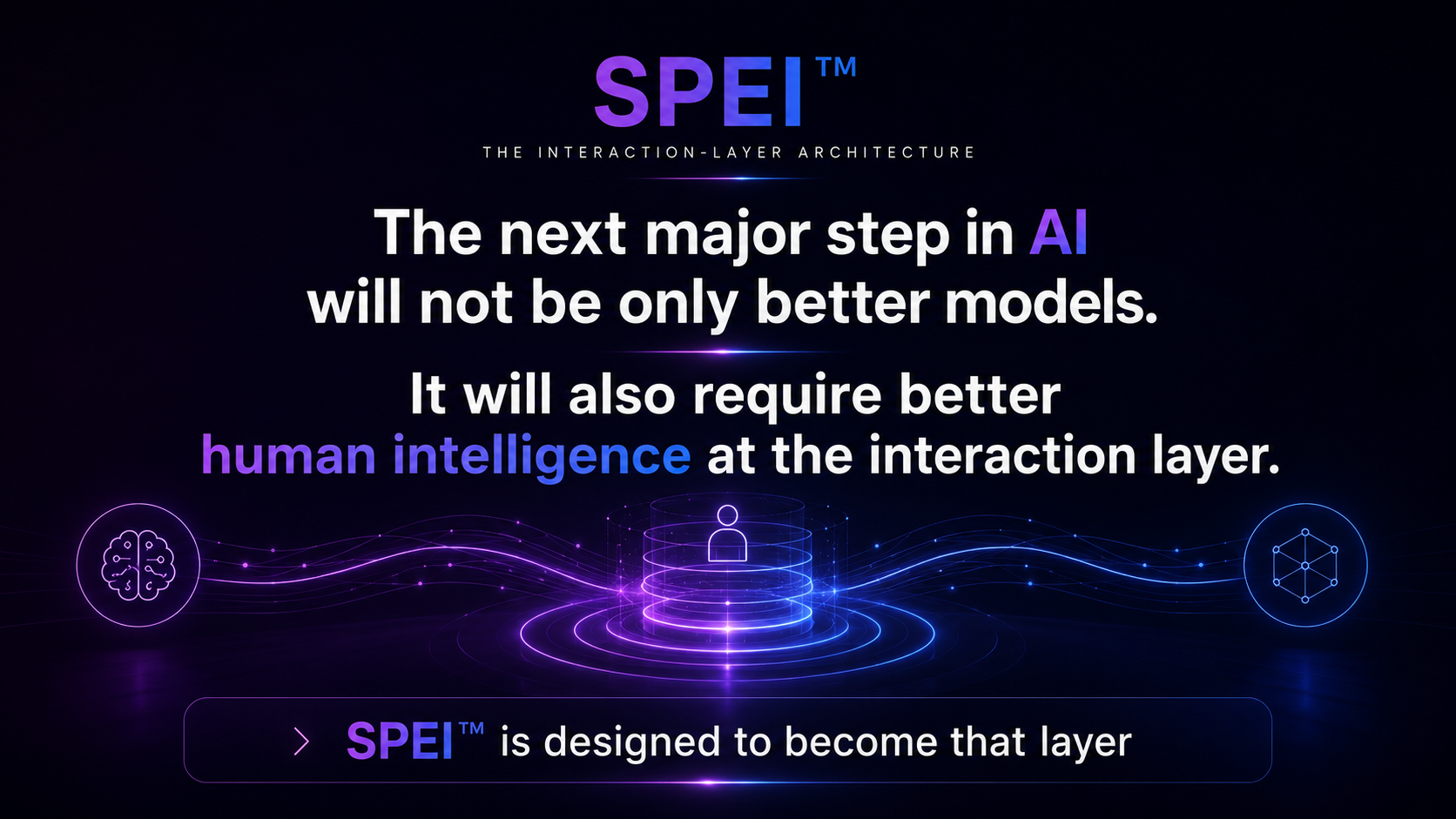
SPEI is not intended to replace the underlying AI model. It acts as an experience and orchestration layer between people, intelligent models, applications and digital environments.
The current web application is a reference implementation of that broader architecture.
How I built it
I created the SPEI concept, interaction architecture, user journey, consent logic, memory model and explainability principles.
I built the working prototype in three days, even though I had never programmed before.
ChatGPT helped me organize years of research and architectural thinking into clearer product logic, user journeys, functional requirements and communication.
Codex became my engineering partner. It helped inspect the codebase, implement the FastAPI application, build the interaction flow, correct responsive behavior, create and run tests and prepare the sanitized deployment repository.
GPT-5.6 powers the live intelligence layer. SPEI combines the user’s message with the selected intention, authorized context, consent boundaries, communication guidance and available memory state before GPT-5.6 generates the response.
To protect the project’s intellectual property, the public prototype demonstrates the experience and high-level architecture without exposing proprietary behavioral models, private prompts or complete internal specifications.
Challenges I ran into
The greatest challenge was translating complex human concepts - such as intention, emotion, trust, memory and behavioral change - into a digital system that remains understandable, testable and respectful of the user.
Another major challenge was designing personalization without removing user agency.
SPEI is built around the principle that users should remain aware of, and in control of, the context influencing their experience. This requires balancing adaptation with transparency, privacy, explainability and clear consent boundaries.
I also faced the challenge of representing an ambitious systems architecture through a prototype that communicates its value without pretending that every future component is already production-ready.
Finally, I had to learn how to translate a nontechnical vision into implementation decisions, tests, deployment requirements and a functioning public experience.
Accomplishments that I’m proud of
- Defined the concept of an Experience Intelligence Layer for AI.
- Created a working intention-based and context-aware interactive prototype.
- Built a complete user journey from intention to context, consent and live interaction.
- Integrated GPT-5.6 into a real server-side response flow.
- Created transparent response adaptation through “Why this response?” and Explainability.
- Designed user-controlled memory through Memory Pins.
- Developed visual concepts for Auras, contextual states and Experience Climate.
- Preserved the distinction between the public MVP and the proprietary SPEI architecture.
- Transformed years of architectural thinking into a live, testable product in three days.
- Built and deployed the application despite having no previous programming experience.
What I learned
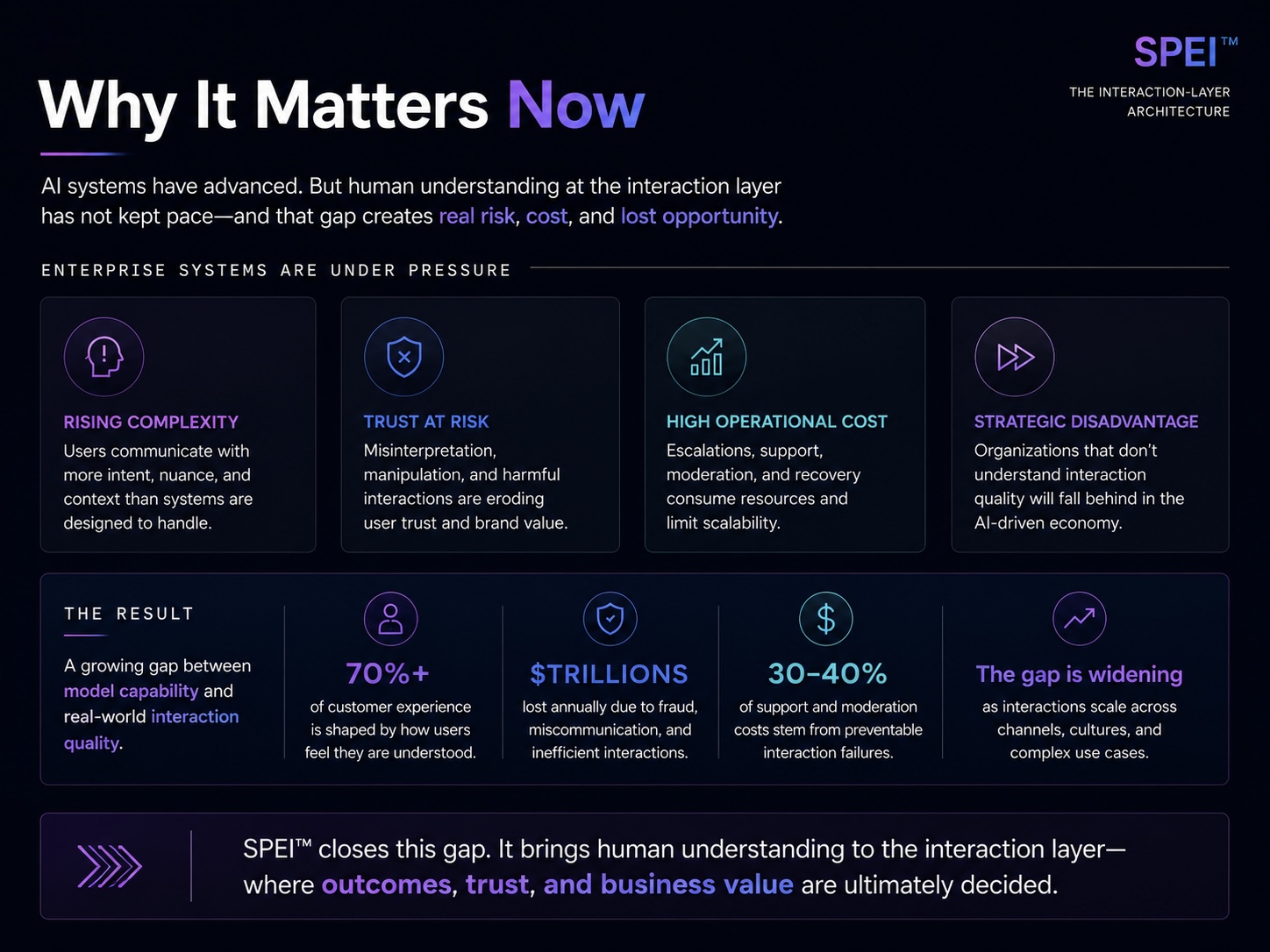
I learned that improving AI experiences is not only a question of increasing model capability.
It also requires designing better relationships between people and intelligent systems.
Context must be understandable. Personalization must be transparent. Memory must be relevant and user-approved. Adaptation must respect boundaries. Trust must be earned through the quality, consistency and explainability of the experience.
I also learned that AI tools can dramatically expand who is able to build technology.
ChatGPT helped me structure the vision. Codex helped me implement and validate it. GPT-5.6 made the live intelligence layer possible.
Most importantly, I learned that a prototype does not need to implement the complete long-term architecture to demonstrate meaningful value. It must clearly communicate the problem, the interaction model and the future experience it enables.
What’s next for SPEI
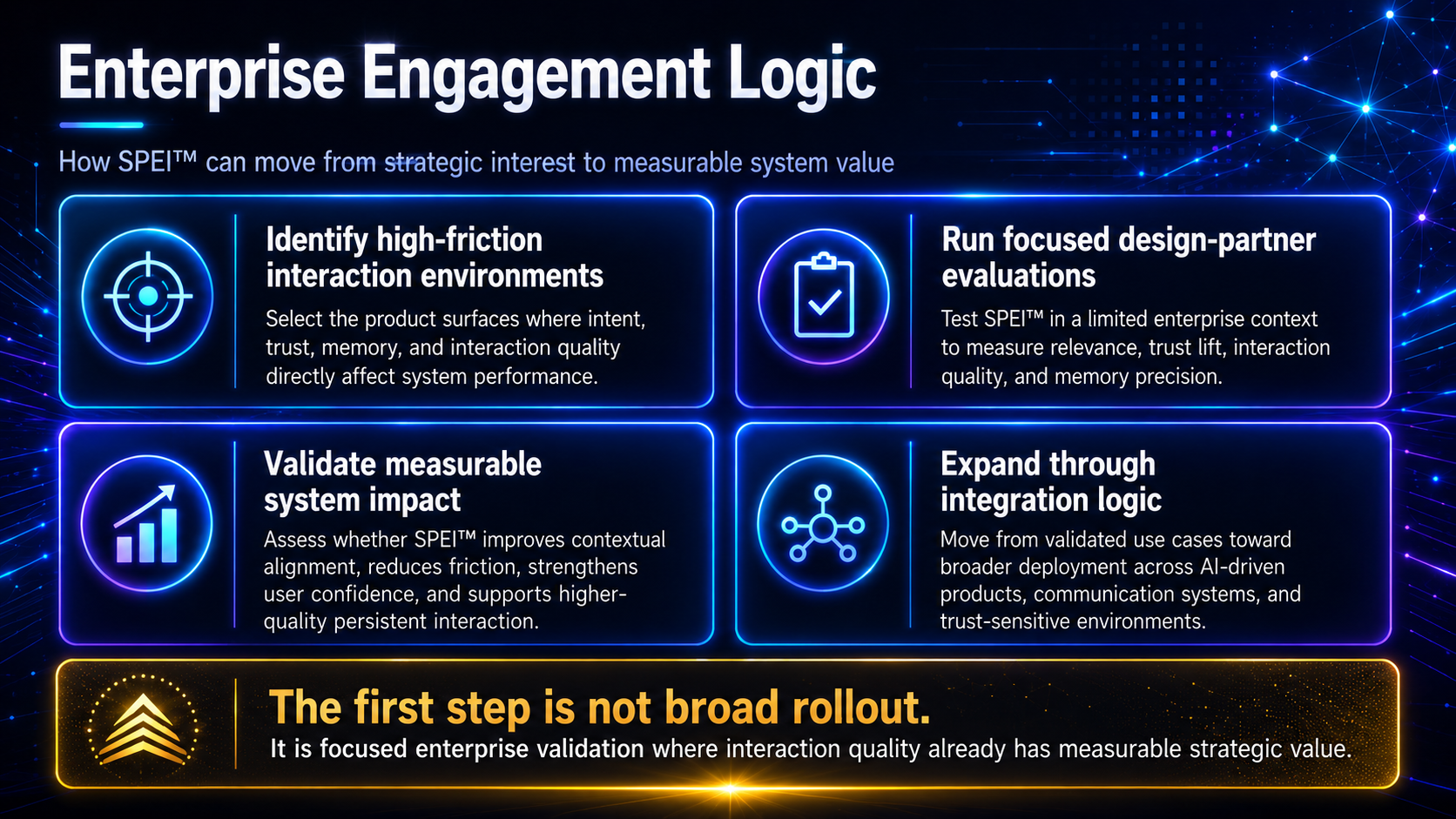
The next phase of SPEI is focused on validating the experience with real users and evolving the prototype into a secure, measurable and developer-ready platform.
Future development will include:
- user testing and experience validation;
- more advanced contextual continuity;
- stronger transparent memory and preference controls;
- developer tools, APIs and integration interfaces;
- privacy, consent and governance mechanisms;
- metrics for trust, relevance, interaction quality and user control;
- secure persistence and authentication;
- controlled experiments across selected AI-powered applications.
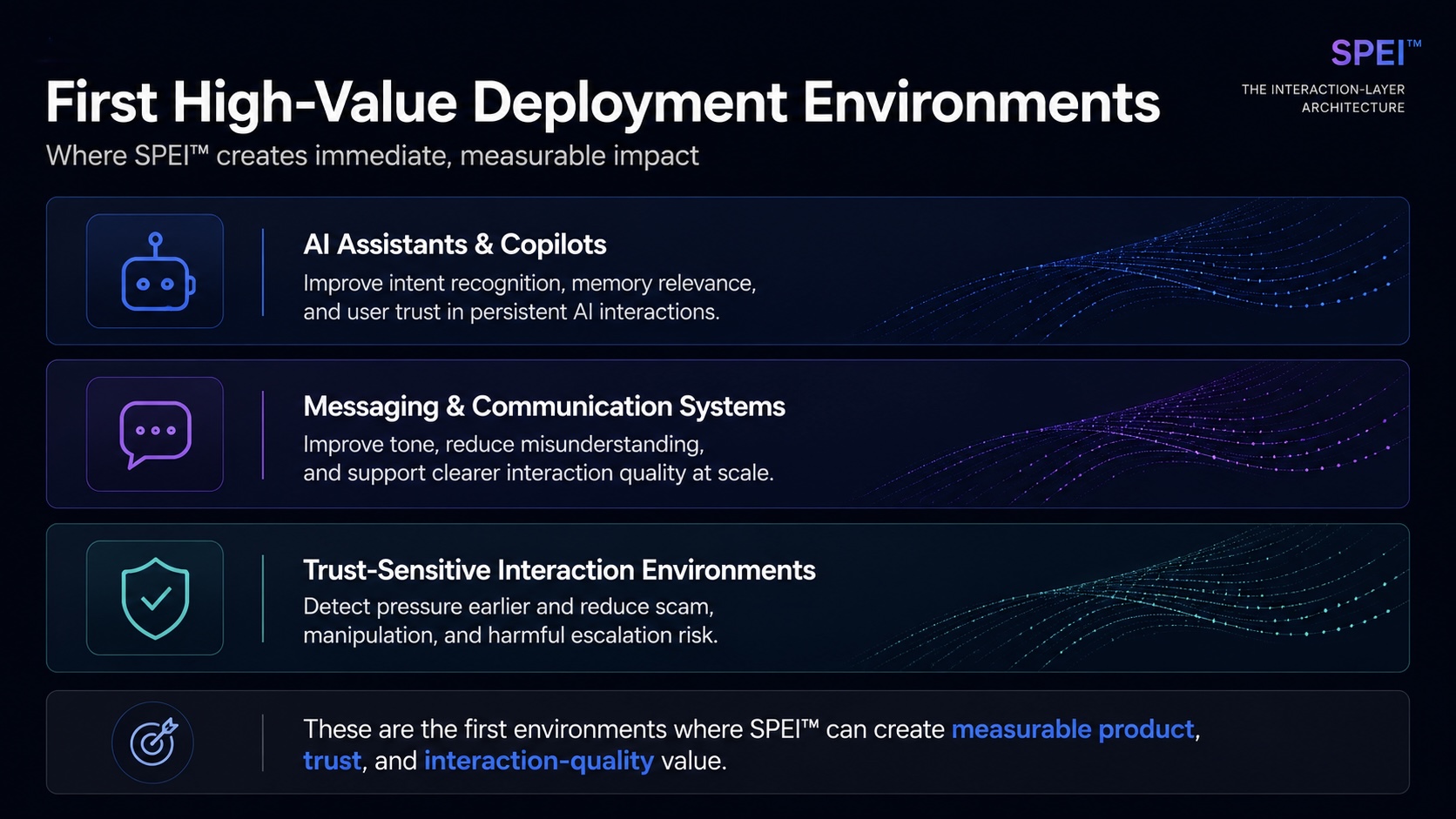
The long-term objective is to make SPEI a reusable experience layer for assistants, applications, platforms and future intelligent environments.
I believe the future of AI will not be defined only by how intelligent systems become, but by how responsibly, coherently and meaningfully they relate to people.
SPEI exists to help design that future.
Built With
- artificial-intelligence(ai)
- behavioral-intelligence
- codex
- context-aware
- generativeai
- gpt-5.6
- human-centered-ai
- human-computer-interection
- large-language-models
- openai
- prompt-engineering
- ux-design


Log in or sign up for Devpost to join the conversation.