-
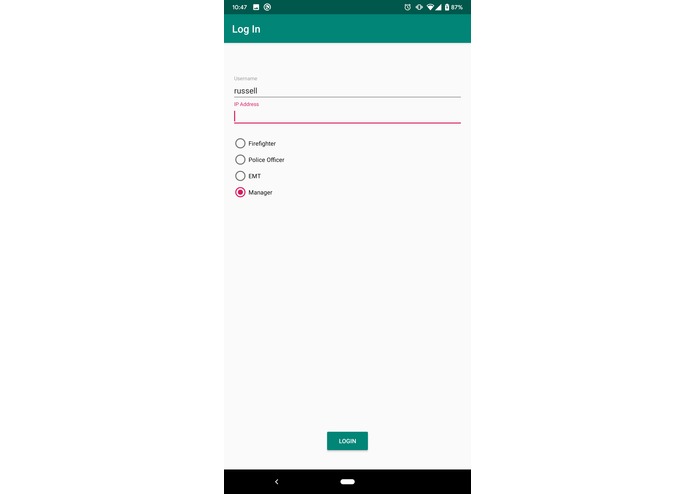
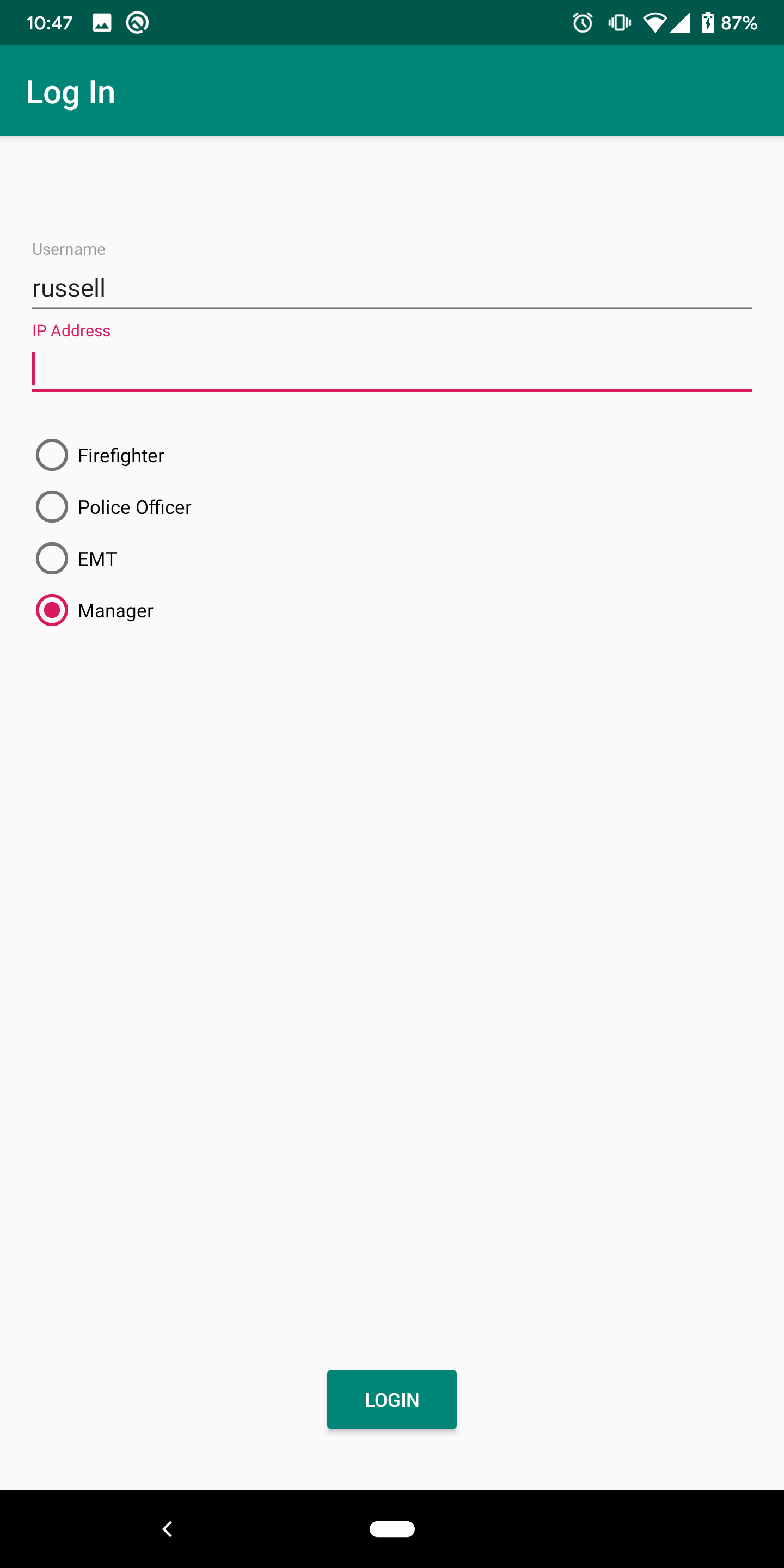
Login screen with field for edge devices's ip
-
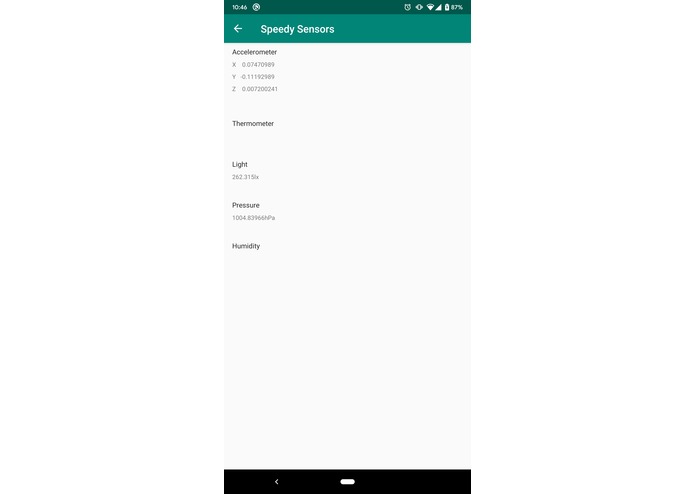
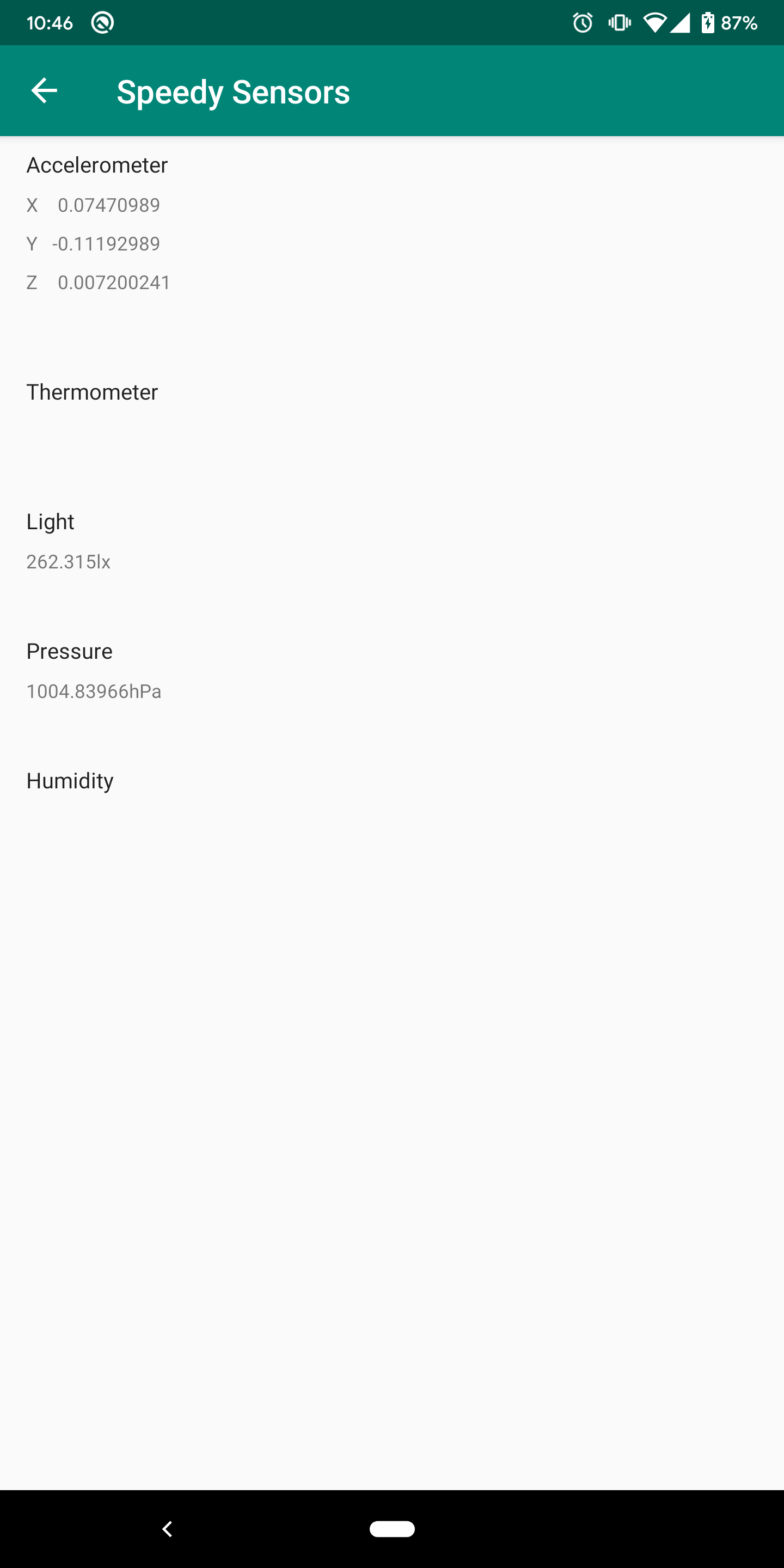
Responder's view of sensor data being emitted
-
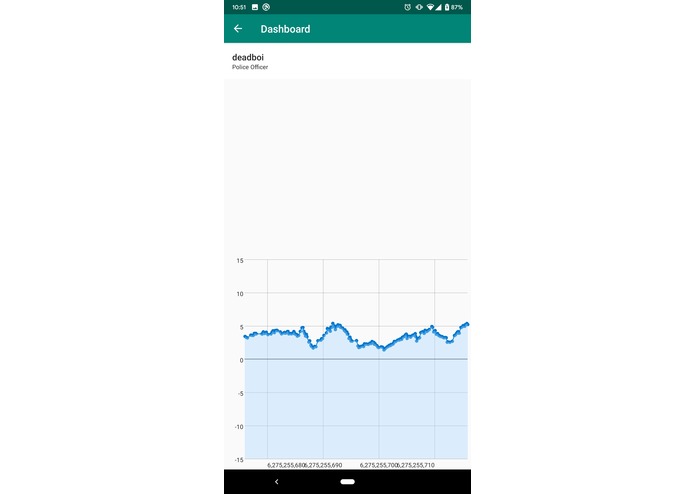
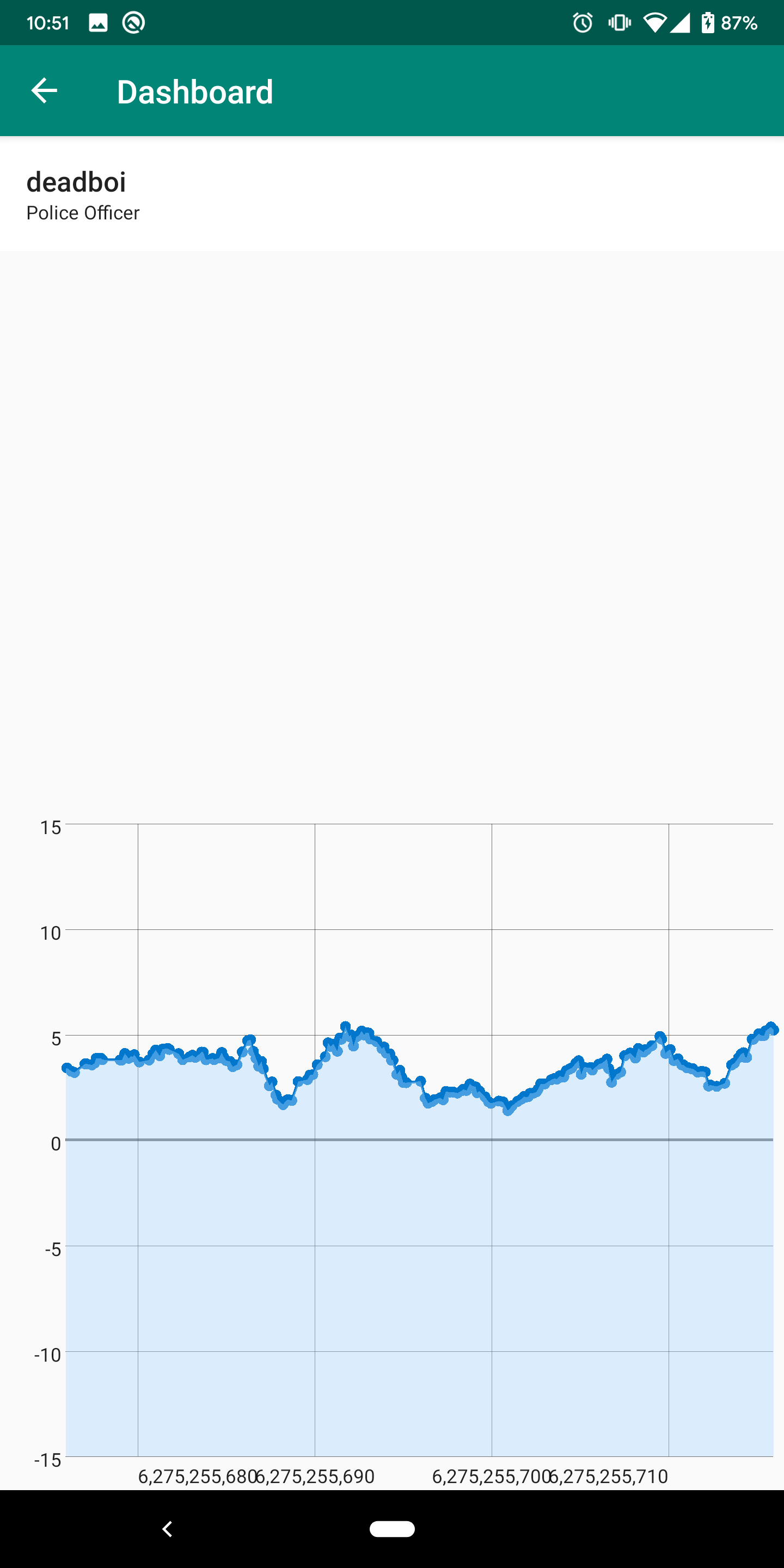
HQ's view, no anomaly detected
-
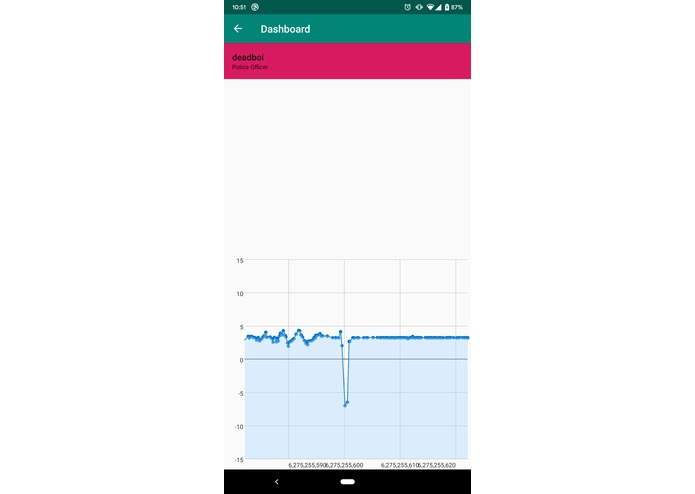
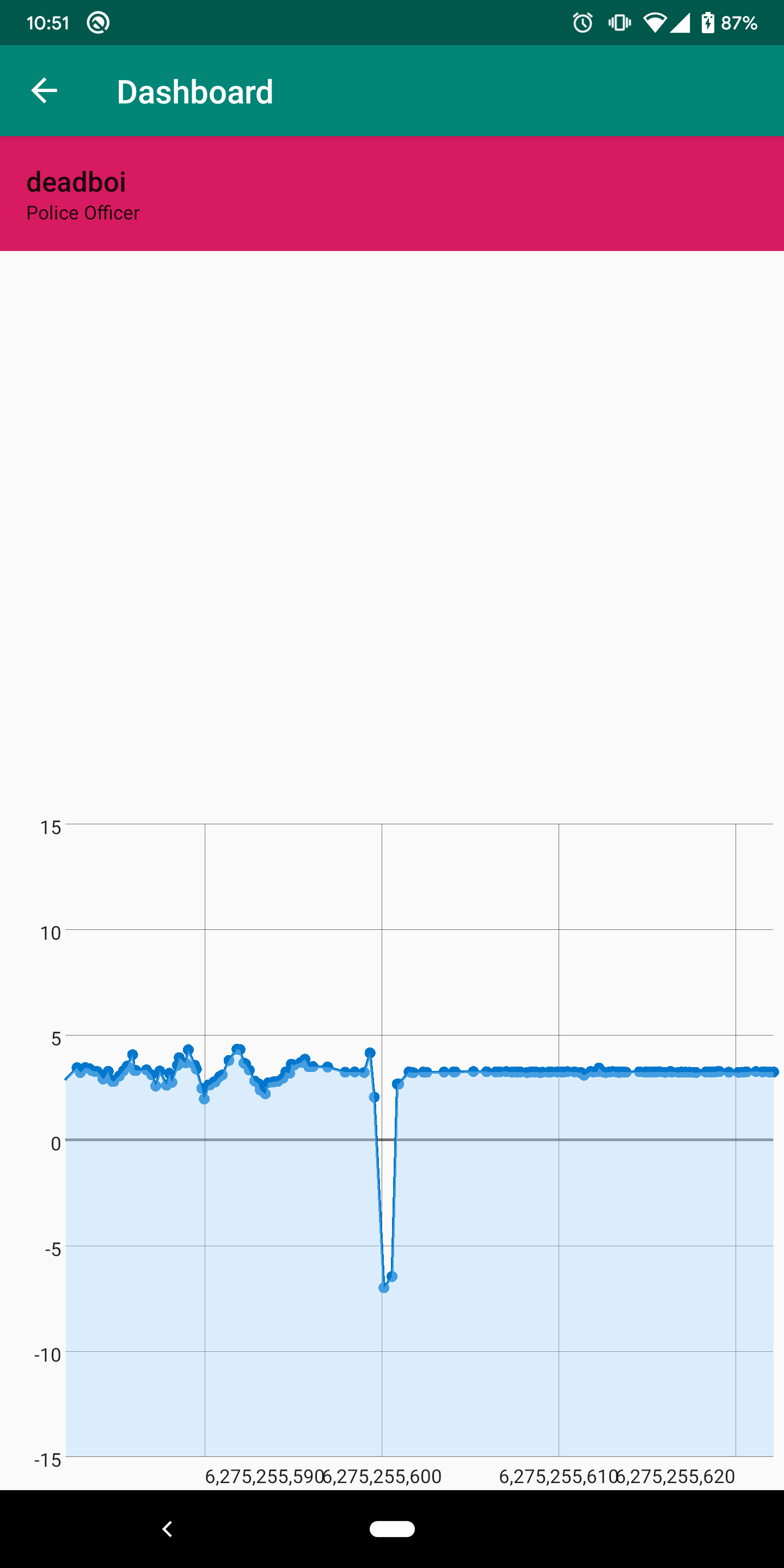
HQ's view when an anomaly has occured
Inspiration
First responders en route to a disaster have no means of notifying HQ if they got in an accident.
What it does
Utilizing edge computing and 5G, device accelerometer data is communicated from responder to HQ in real-time. While the stream is being transmitted, an algorithm that detects anomalies will notify HQ if velocity changes drastically. For example, an EMT is driving to a call at a rate of 60 Mph then gets in an accident. Their drop in velocity would trigger an event for HQ to respond to accordingly.
How we built it
Frontend
An android app has a responder view and the manager view. The responder view sends its velocity data over a socket connection to our edge computing server. The manager view listens for all incoming data points over another socket and surfaces a notification on an anomaly event.
Backend
The edge computing server is a socket.io server built in python flask that handles all the socket information. It maintains rolling averages of the incoming streams and compares against the most recent X data points to determine anomalies and notifies HQ/Managers accordingly.
Challenges we ran into
Coming up with a meaningful algorithm to determine anomalies on volatile streaming data
Plotting information on an android device in 5G real-time
Accomplishments that I'm proud of
Actually coming up with an algorithm to detect anomalies on streaming data
What we learned
What edge computing really is and how much of an impact it can have.
How difficult it is to do analysis on large quantities of streaming data.
What's next for SpeedySensors
Tap into more sensors.
Build out the HQ notification to allow direct communication to anomalous responders.
Update android app to run as a background service.
Implement a web-based dashboard for HQ/Managers.

Log in or sign up for Devpost to join the conversation.