-
-
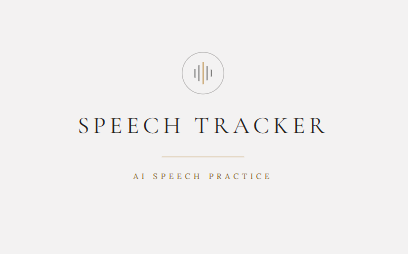
Logo
-
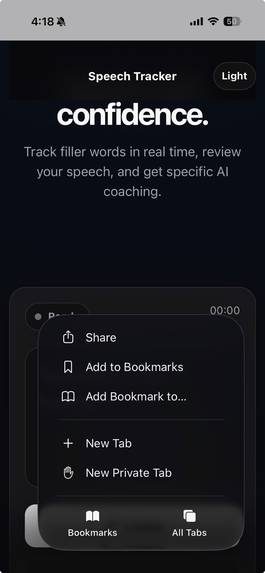
Step1 iOS setup
-
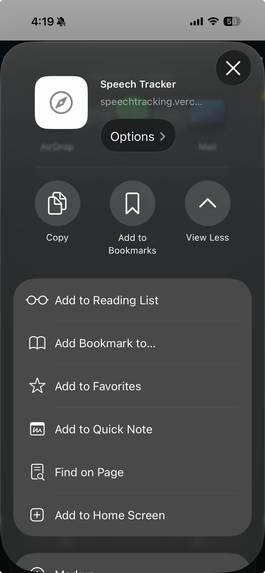
Step 2 iOS setup
-
MIT License
-
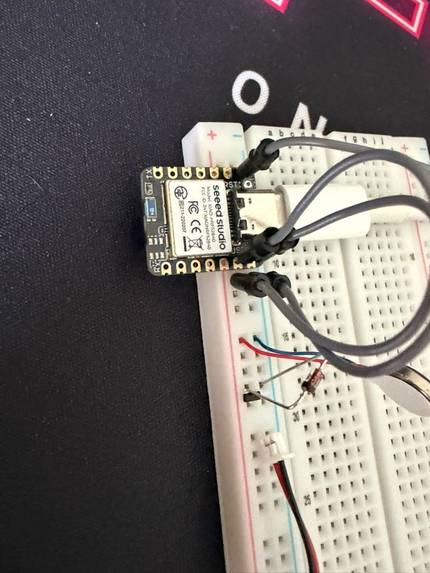
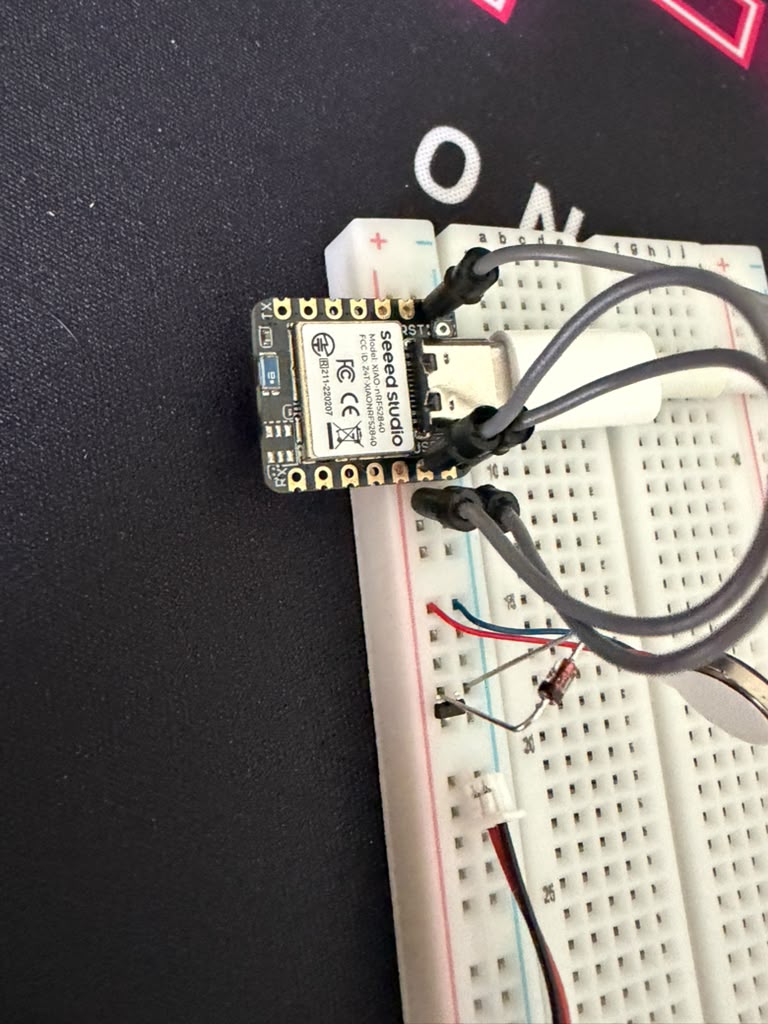
Current breadboard prototype
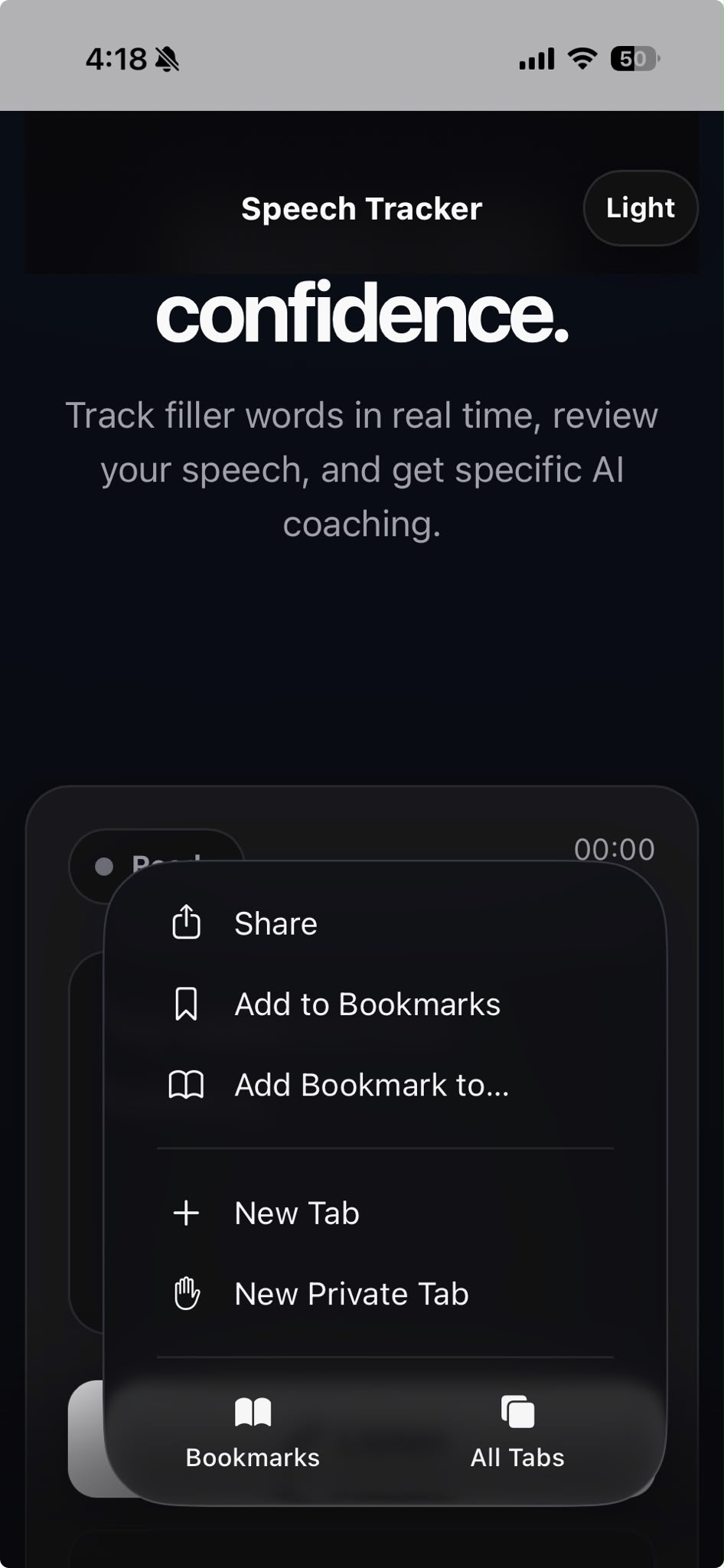
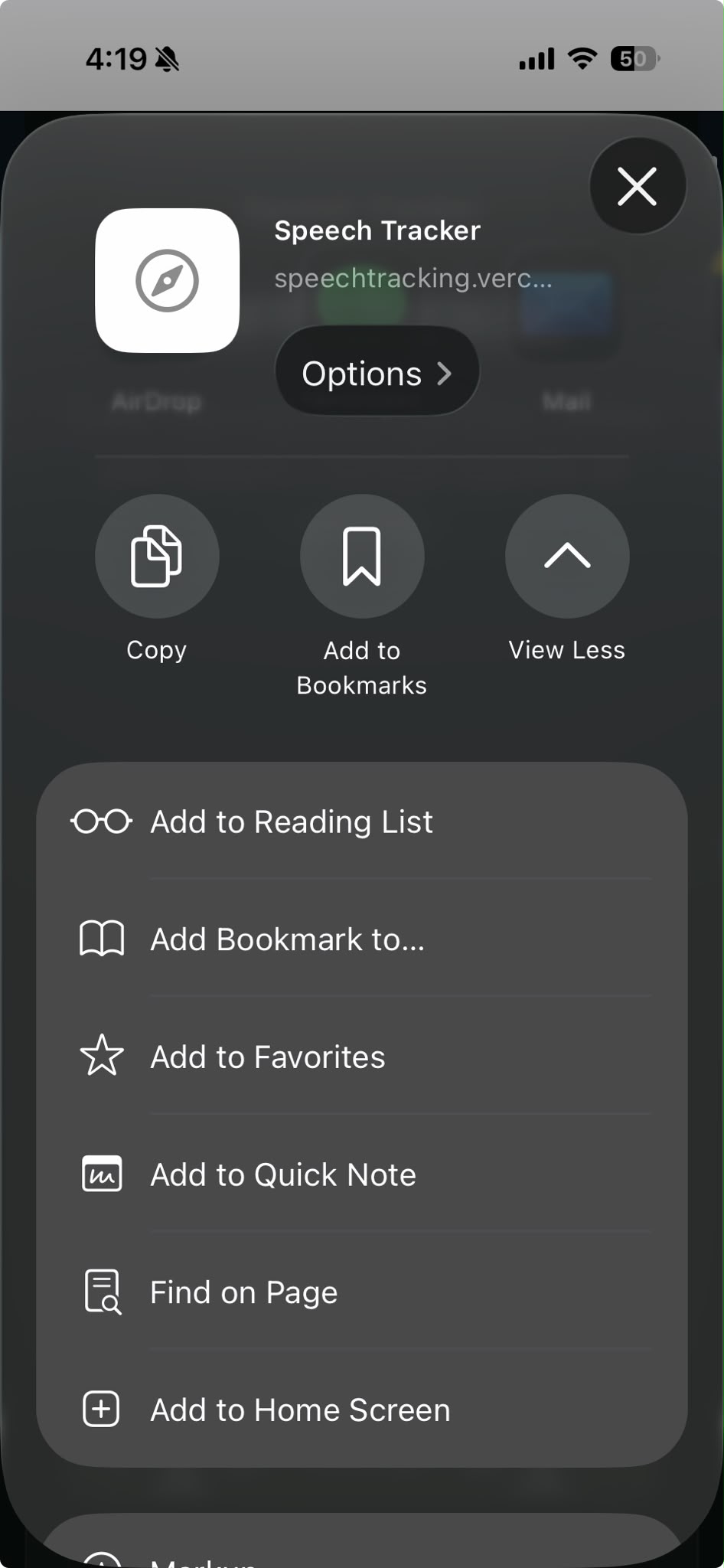
Just a note, I have included the set up directions for iOS above in the pictures section, for Android there is no set up required, only for iOS.
Inspiration
We noticed how often filler words like “um,” “uh,” and “like” sneak into everyday conversations, presentations, and interviews. Most people don’t realize how frequently they use them until someone points them out. We wanted to build a tool that makes improving your speaking habits simple, immediate, and engaging, and yet the same time changes your muscle memory.
What it does
Speech Tracker is a web app listens to your speech, transcribes what you say, and identifies filler words and other words you want to avoid. It highlights these words in your transcript and provides feedback on your speaking habits. While speaking, it detects filler words using the live transcrption, and this sends a notification on an iOS and a vibration on Android. This process relies on motor inhibition—a form of neural adaptation that modifies your nervous system's signals to actively suppress unwanted movements, in this case by vibrations. Our goal is to help users become more clear, confident, and intentional speakers.
How we built it
We built Speech Tracker as a web app using HTML, CSS, and JavaScript. It uses the browser’s microphone and MediaRecorder API to capture speech, then sends the audio to a backend for transcription. We also integrated AI to analyze speech and provide personalized feedback. We designed the interface to make the transcript, filler-word count, and analysis easy to understand at a glance.
Our learnings
We learned that building an AI product involves much more than just connecting an AI model to an app. We had to understand audio recording, transcription, APIs, frontend development, backend development, error handling, and user experience. Most importantly, we learned how much testing and iteration it takes to turn a prototype into something people can actually use.
Future of Speech Tracker
In the next version, we plan on building a bracelet that connects to the app (We plan on making this an iOS and Android app as well). This bracelet consists of a LiPo battery, a XIAO microcontroller, diodes, and a haptic motor to vibrate the bracelet. This way, the buzz can be much stronger, the product will be easier to use, and the latency between the buzz and the filler word will significantly reduce. I have attached the image of the current circuit on the breadboard.
Side note, thank you so much for letting us submit past the deadline. We didn't understand that we we're supposed to submit by 9:30 PM IST, we assumed PST. Thank you for making this happen!
Thanks and best regards, Rohit Aute & Ayan Mehra
Built With
- api
- claude
- css
- gemini
- html
- java
- javascript
- openai
- speech
- transcription


Log in or sign up for Devpost to join the conversation.