-

Speculum Solis
-

Registration or login page
-
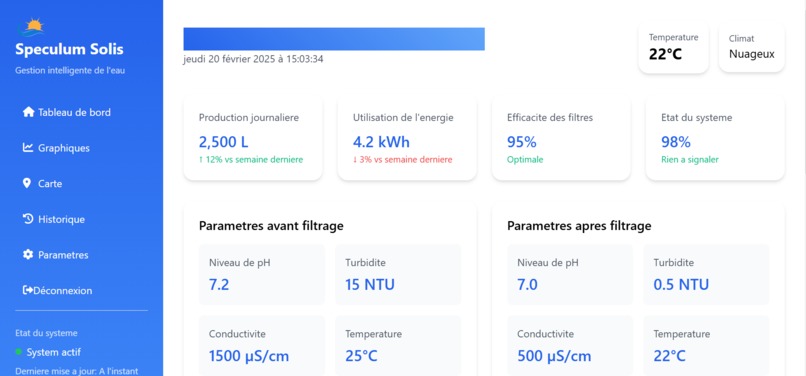
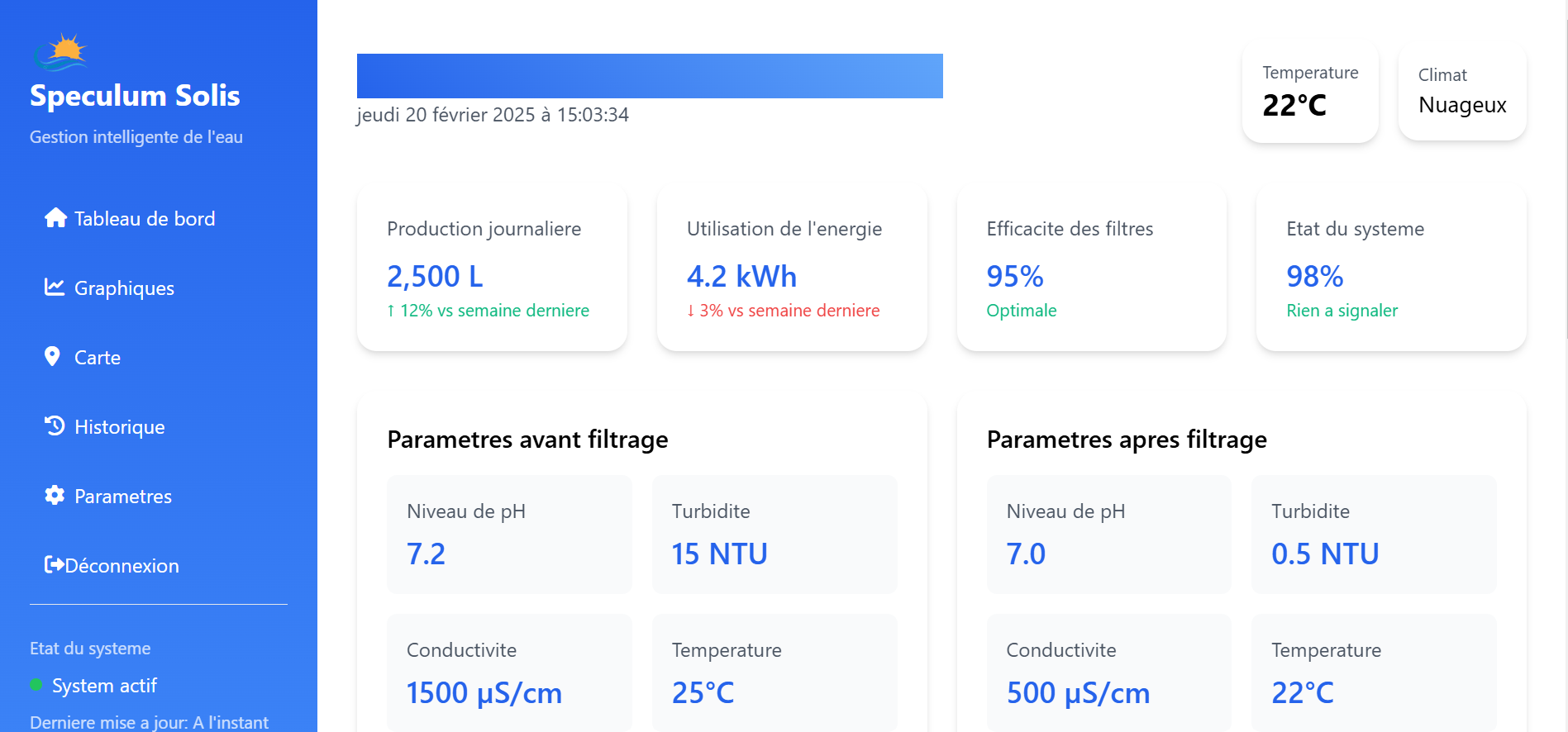
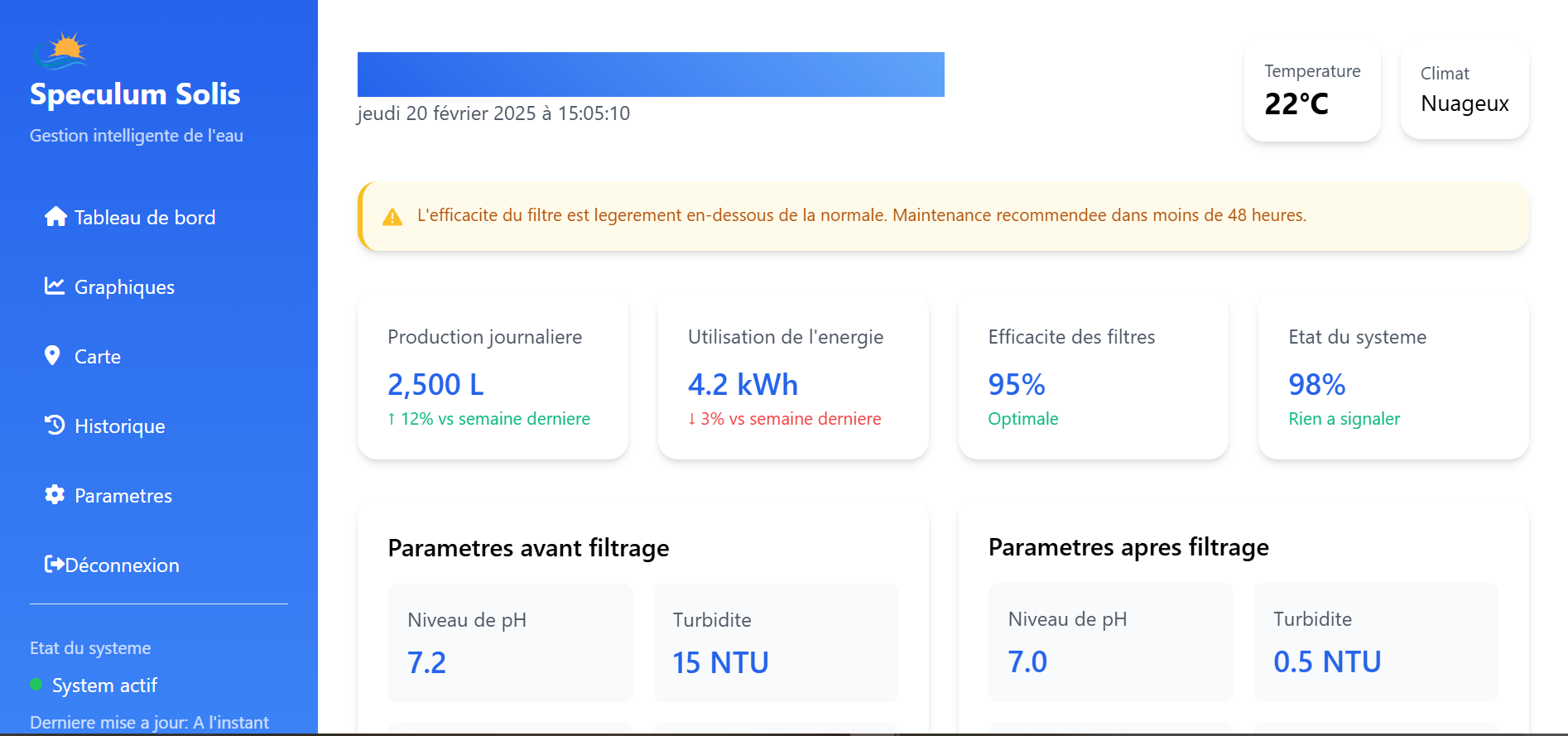
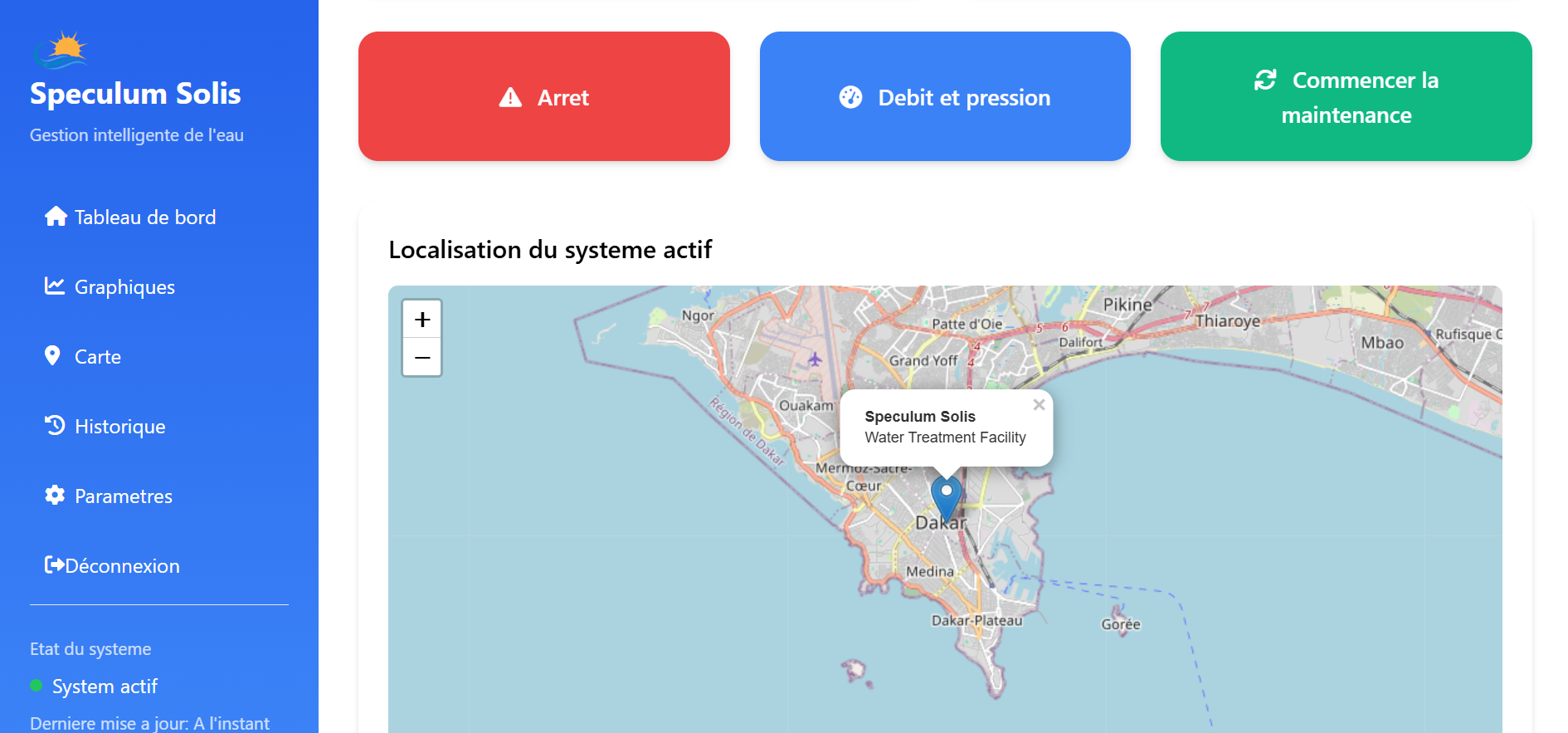
Dashboard
-
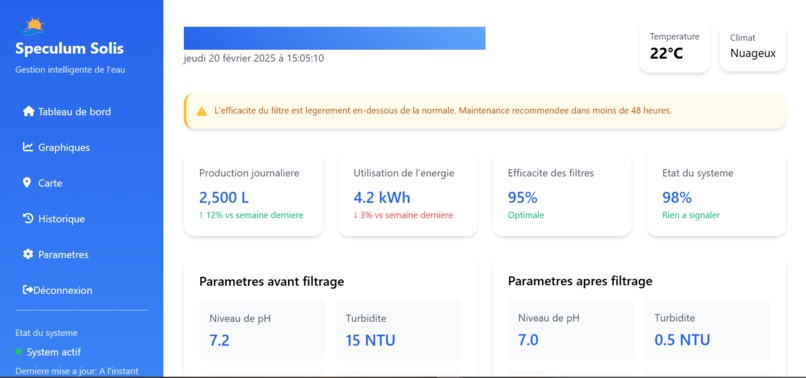
Dashboard
-
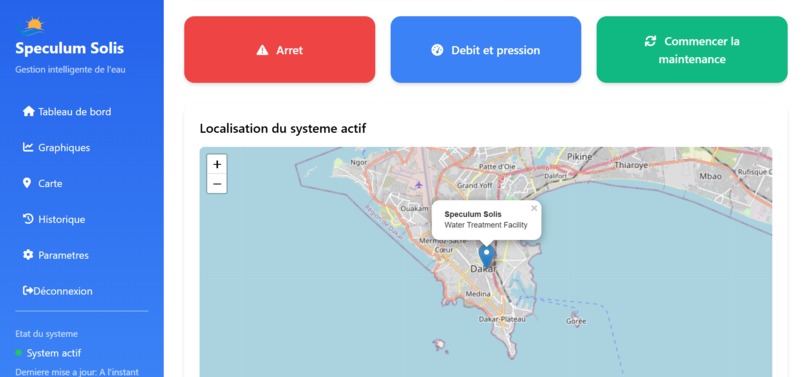
Dashboard
-
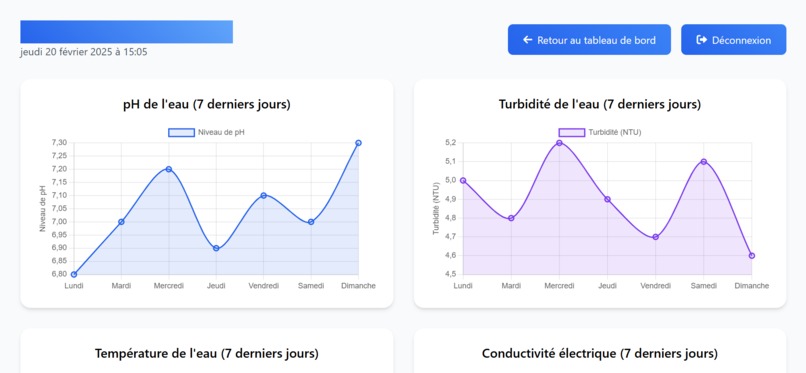
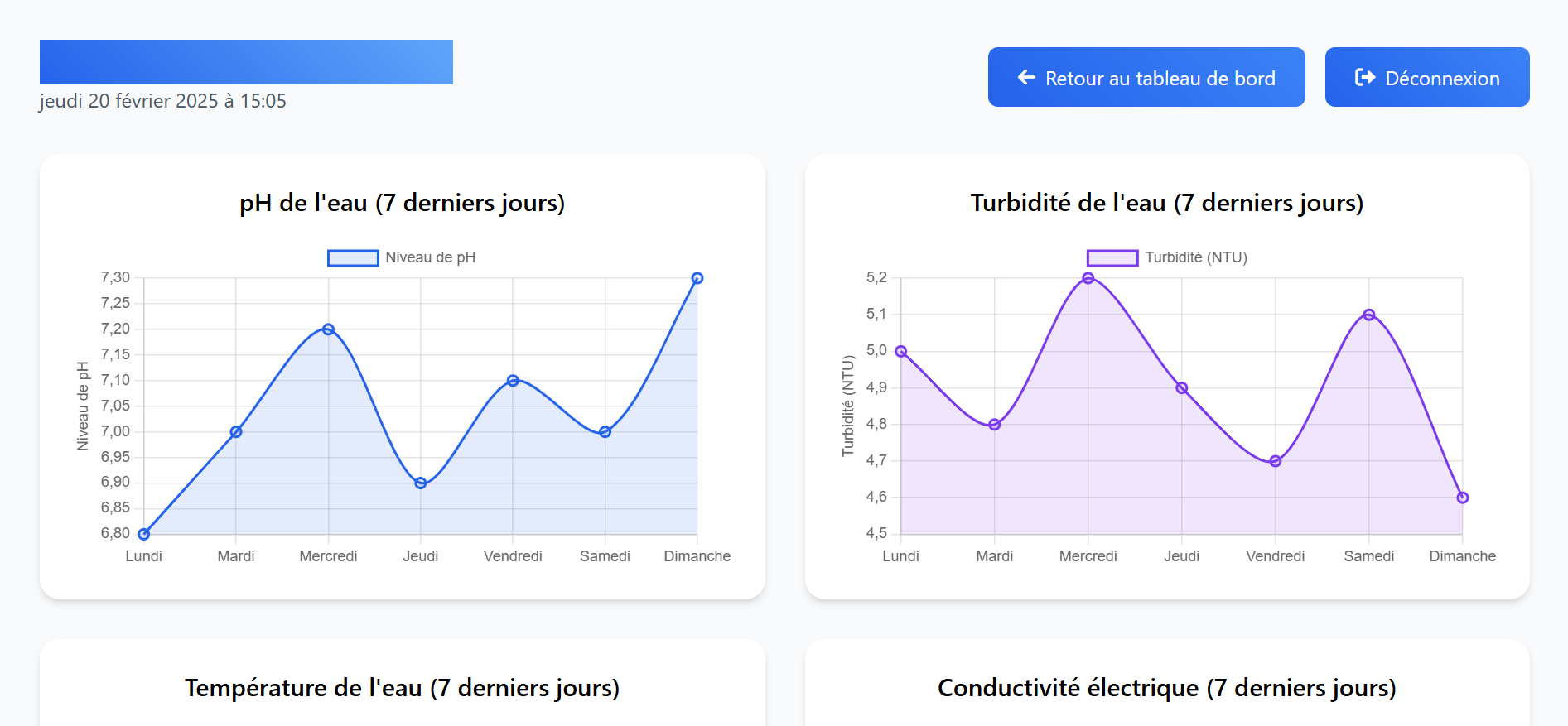
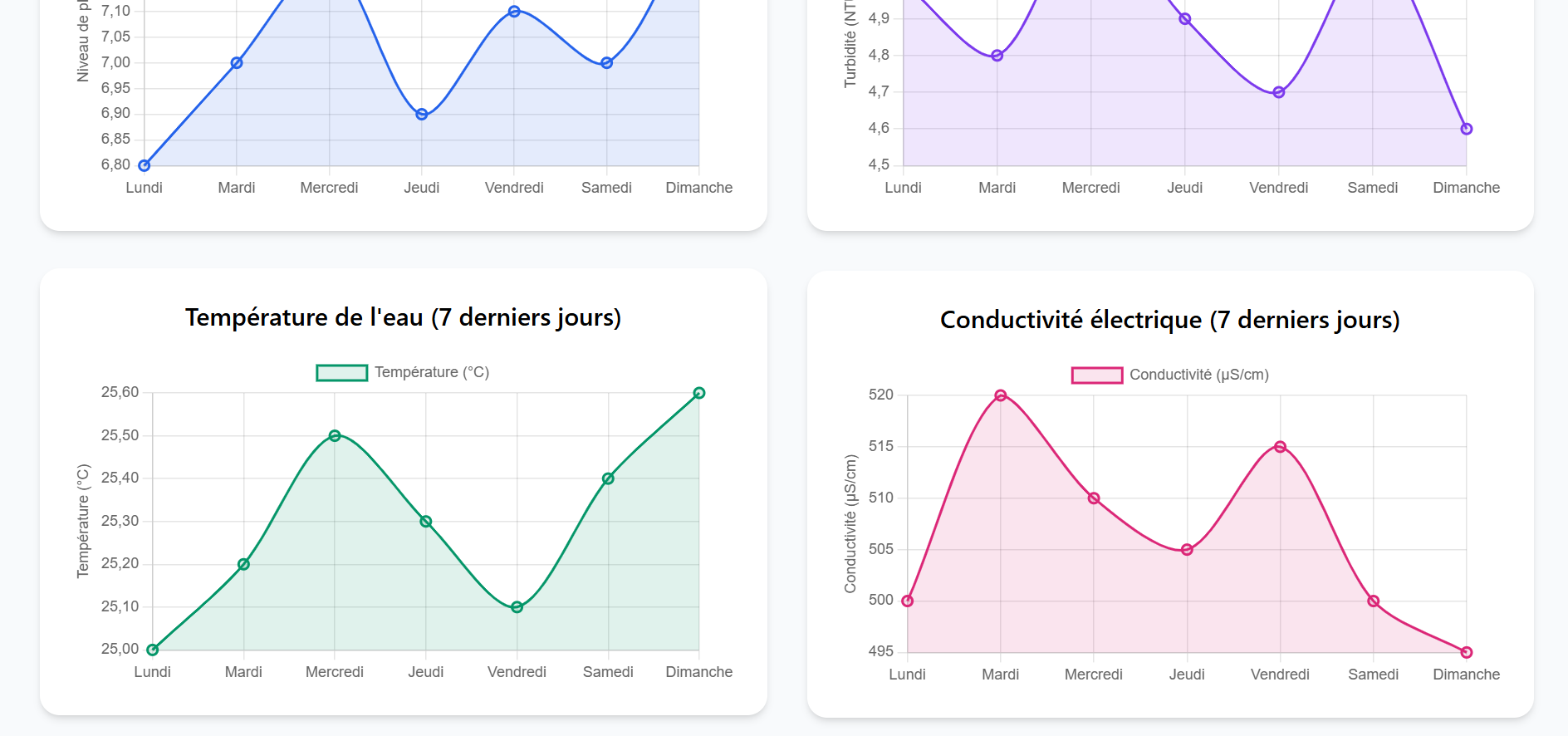
Charts page
-
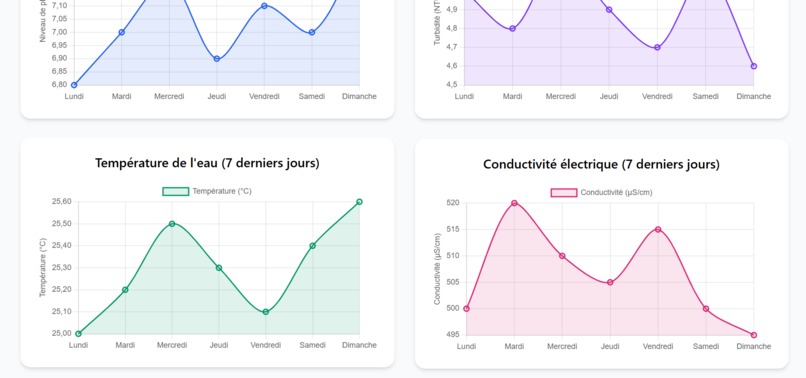
Charts page
-

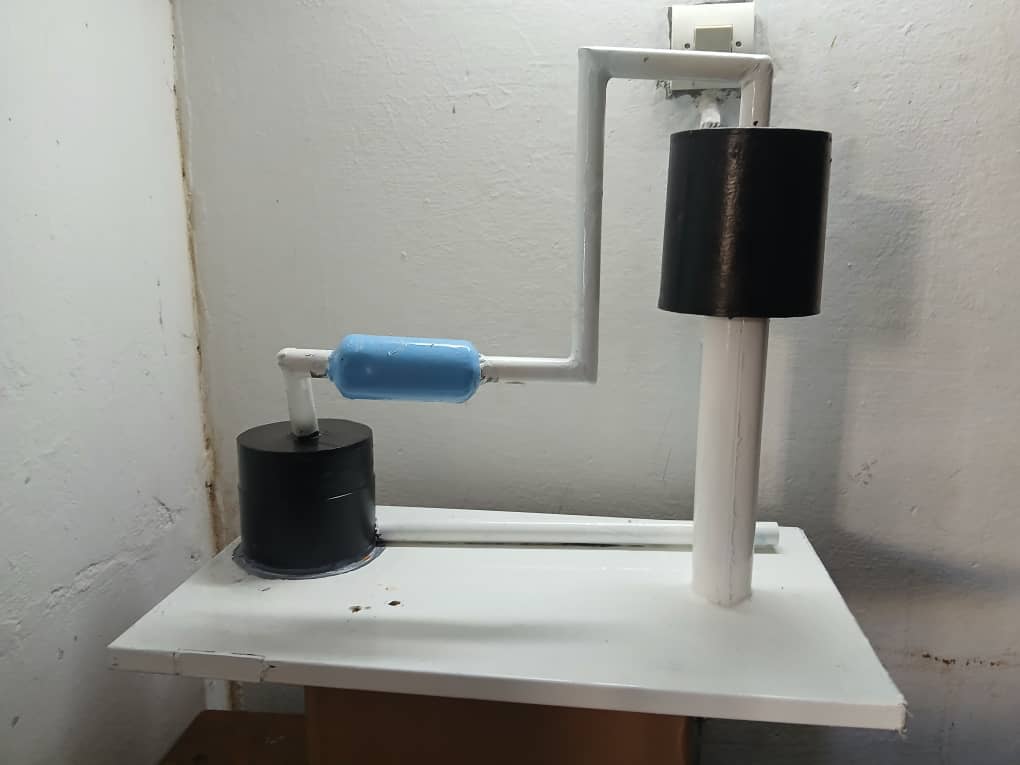
Inspiration
Access to clean water remains one of the biggest challenges in many parts of the world, particularly in rural areas where water sources are often contaminated or saline. Today, in West Africa, 155 million people are deprived of drinking water. In Senegal, entire regions such as Foundiougne, Diourbel or Kaolack are seeing their wells contaminated by the intrusion of salt water. The water that people drink is a slow poison, causing diarrhea, cholera and malaria. Every day, children die from it. And that's not all. How can we talk about agriculture and food security if water is a factor of destruction? Today, for lack of quality water, agricultural yields are collapsing, soils are becoming poorer, and poverty is worsening. Inspired by the urgent need for a sustainable and cost-effective solution, Speculum Solis was conceived to leverage abundant solar energy to provide potable water. Our goal is to tackle water scarcity, improve public health, and boost agricultural productivity in affected regions.
What it does
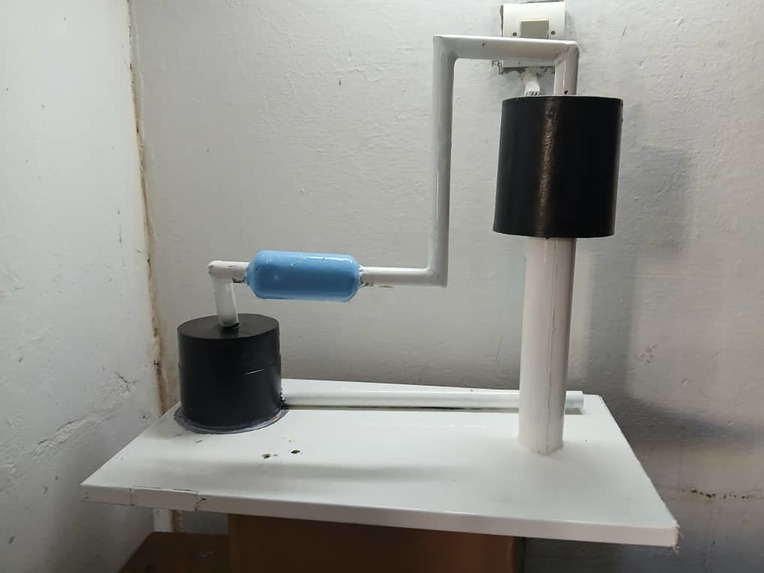
Speculum Solis is a solar-powered desalination and purification system that converts saline or contaminated water into clean, drinkable water. The system operates using renewable energy, making it a self-sustaining solution for communities with limited access to infrastructure. It also integrates a smart monitoring platform, allowing users to track water quality parameters such as pH, turbidity, salinity, and conductivity in real-time.
How we will built it
- Solar-Powered Distillation: Uses solar energy to evaporate and condense water, separating it from impurities and excess salt.
- UV Purification: Ensures the final output is free from harmful bacteria and pathogens.
- IoT-Based Monitoring: A digital dashboard displays real-time water quality metrics and system performance using LoRa/GSM connectivity.
- Local Manufacturing: Designed with accessible materials to minimize costs and promote local job creation.
Challenges we will run into
- Scaling Efficiency: Optimizing the desalination process to produce sufficient water while maintaining cost-effectiveness.
- Ensuring 24/7 Operation: Finding backup solutions for periods with limited sunlight.
- Connectivity in Remote Areas: Implementing low-power communication technologies to enable real-time monitoring.
- Affordability & Adoption: Developing a viable economic model to make the system accessible to rural communities.
Accomplishments that we will be proud of
- Successfully integrating a low-cost, solar-powered desalination system.
- Designing an IoT-enabled dashboard for remote monitoring and quality assurance.
- Creating a scalable model that can be deployed in different regions with minimal infrastructure.
- Promoting local innovation and job creation by manufacturing the system domestically.
What we are learning
- The importance of water quality monitoring to ensure safety and reliability.
- How to leverage IoT for real-time data collection in remote locations.
- The need for a strong business model (leasing, pay-as-you-go) to ensure sustainability.
- The potential of solar energy to provide clean water solutions at scale.
What's next for Speculum Solis
- Scaling Deployment: Expanding to more rural areas in Senegal and beyond.
- Enhancing Water Storage Solutions: Integrating backup storage for periods of low sunlight.
- Improving Energy Efficiency: Exploring hybrid models combining solar with other renewable sources.
- Community Partnerships: Collaborating with local governments, NGOs, and cooperatives to maximize impact.
- AI-Based Optimization: Using AI and machine learning to predict maintenance needs and optimize water production.
Speculum Solis is not just about water—it's about life, sustainability, and a future where clean water is accessible to all.
Built With
- angular.js
- esp32
- grafana
- javascript
- lorawan
- mqtt
- node.js
- openweathermap
- postgresql
- python
- pytorch
- scikit-learn
- tensorflow
- typescript


Log in or sign up for Devpost to join the conversation.