Inspiration
Mid-sized cities face severe housing displacement challenges but often lack the resources and data-driven tools available to larger urban centers. Motivated by this gap, we leveraged our expertise in machine learning to develop SPECTER—a scalable solution designed to empower city officials to proactively protect vulnerable families before displacement becomes widespread.
What it does
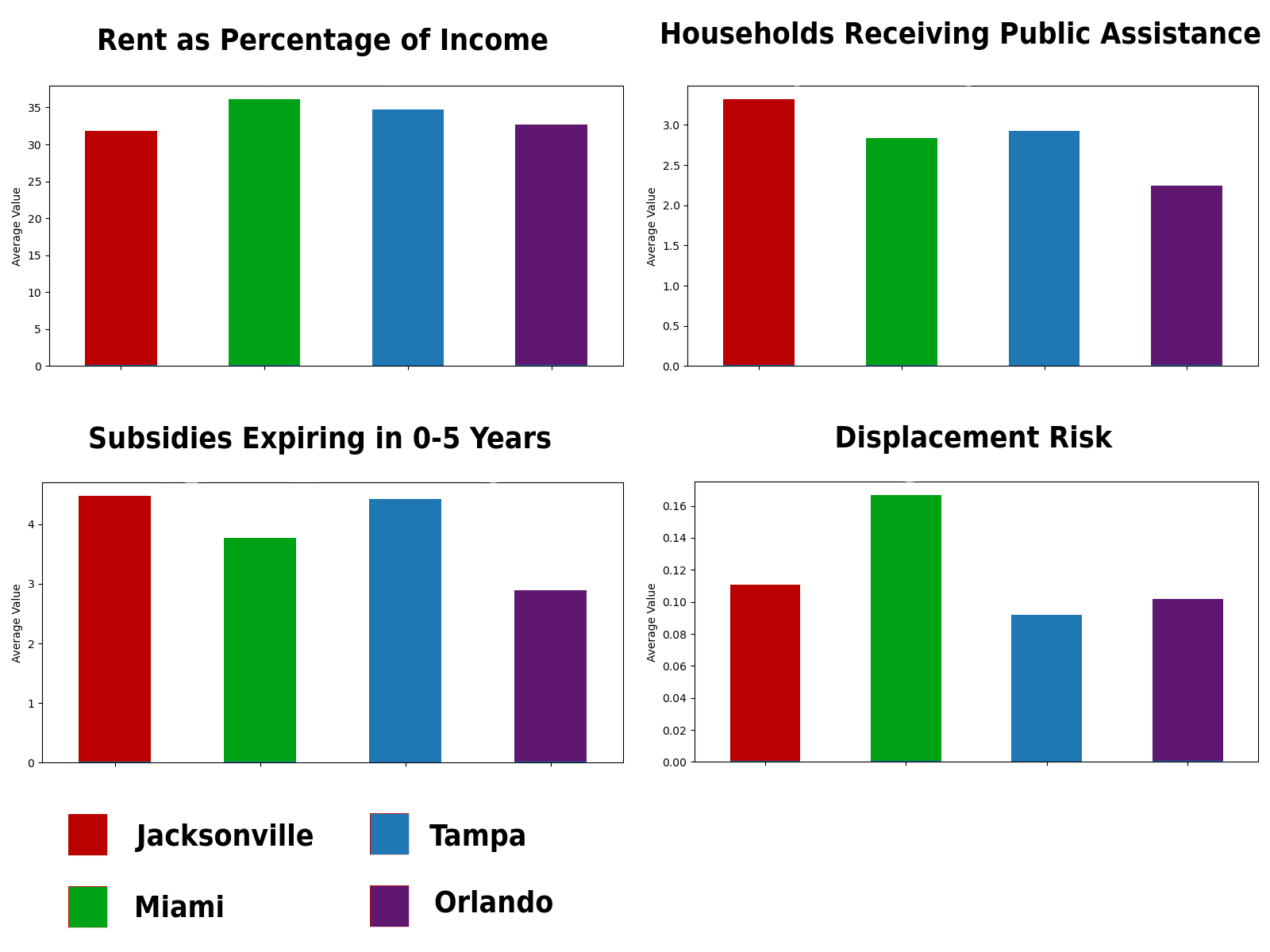
SPECTER harnesses three critical indicators of housing displacement risk to pinpoint neighborhoods most vulnerable to losing affordable housing. By integrating historical census data with a robust logistic regression model, it identifies the strongest predictors of displacement within the next five years. This actionable insight equips decision-makers and community partners with targeted strategies to intervene early and preserve housing stability.
How we built it
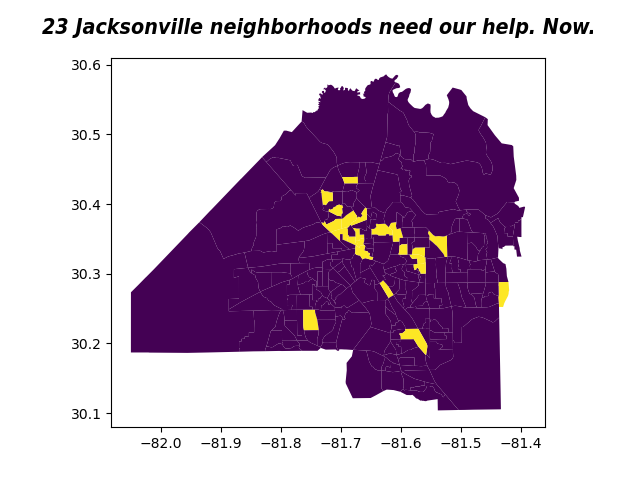
Built in Python, SPECTER combines the statistical power of Statsmodels for predictive modeling with Pandas for efficient data integration and cleaning. We visualized high-risk neighborhoods using Geopandas, creating intuitive spatial maps that translate complex data into clear guidance for policymakers.
Challenges we ran into
With 100+ available variables, it was tempting to include everything and let the model sort it out. But that leads to overfitting and uninterpretable results. We had to be strategic—each of our final 8 features had to tell a unique part of the displacement story AND be actionable for policymakers. Cutting 90+ variables was harder than building the model itself.
Accomplishments that we’re proud of
We didn't just build a model—we identified 23 specific Jacksonville neighborhoods at high risk. These aren't abstract predictions; they're addresses where city officials can intervene NOW. Plus, building effective social impact AI requires understanding the problem deeply, not just the algorithms. Reading Urban Displacement Project research and HUD documentation was as important as writing code, and we're proud of how far we've come with both in just 48 hours.
What we learned
When one team member understood the ML pipeline and the other understood housing policy, bridging that gap wasn't a "soft skill"—it was essential technical work. We learned to explain complex concepts simply and question our assumptions constantly. We also learned to balance statistical correlation with real-world interpretability. Just because two variables correlate doesn't mean both belong in the model. We developed a systematic approach: check correlation matrices, validate against research literature, and always ask "Does this tell a unique part of the story?"
What’s next for SPECTER
Our vision is to evolve SPECTER into a real-time predictive tool, moving beyond the traditional 5-to-10-year forecasting window. With ongoing refinement and debugging, SPECTER will soon offer dynamic, up-to-date analyses of Florida’s housing landscape—helping communities anticipate and prevent displacement trends before they escalate.

Log in or sign up for Devpost to join the conversation.