-
-
-
-
-
-
-
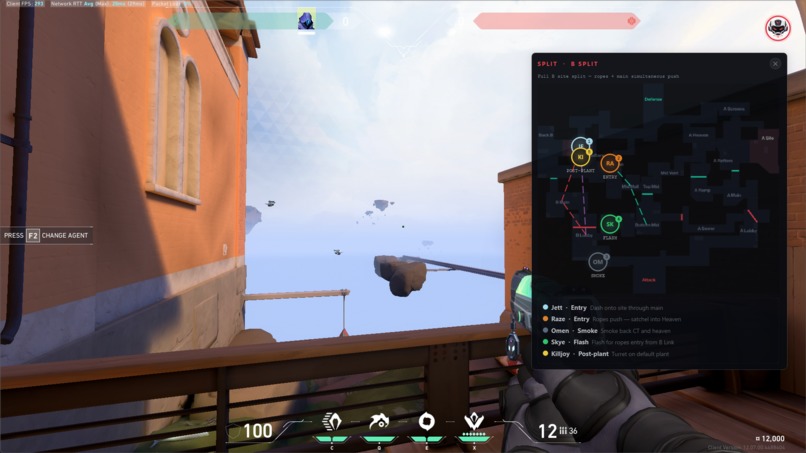
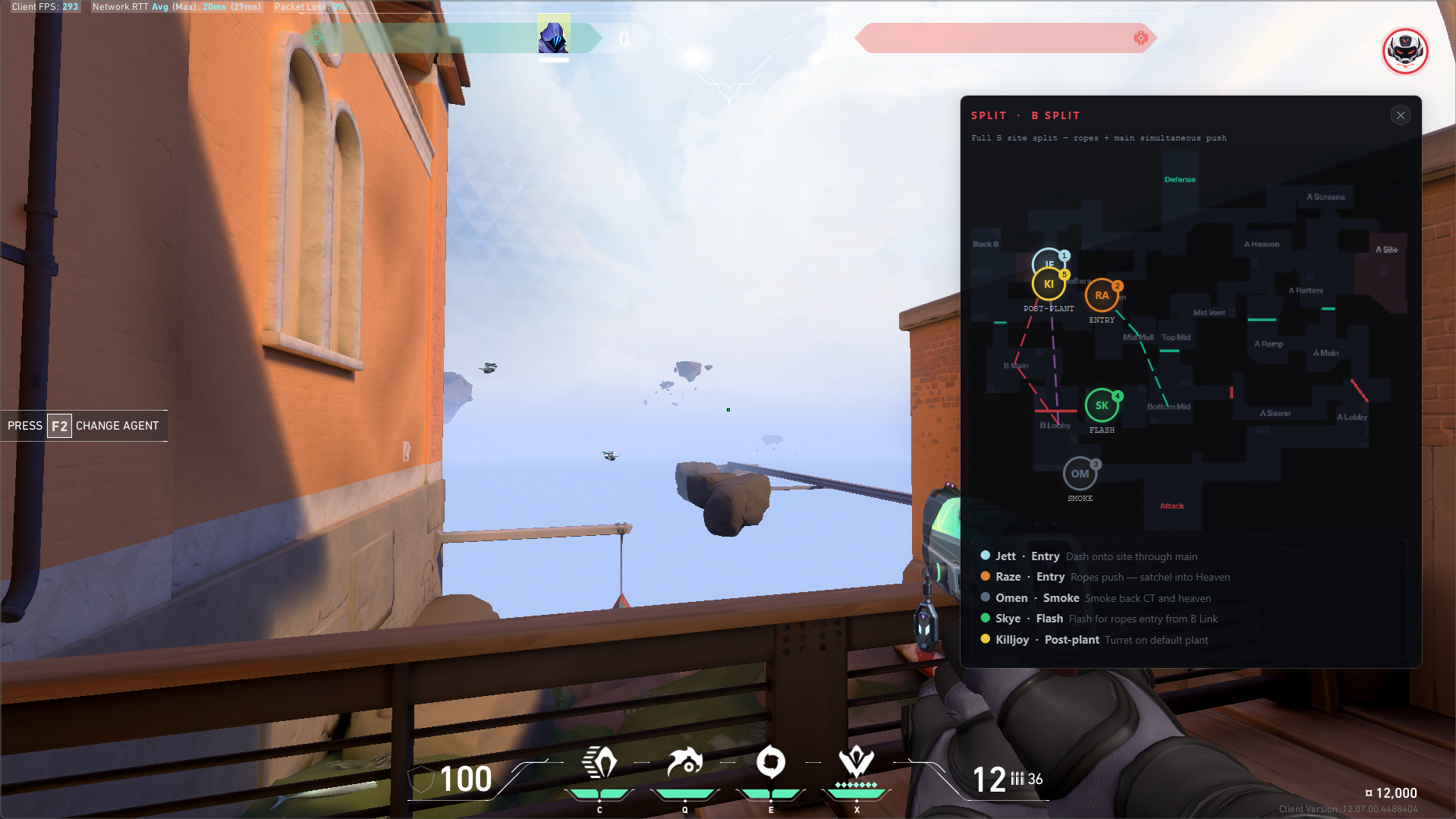
built in playbook
Inspiration
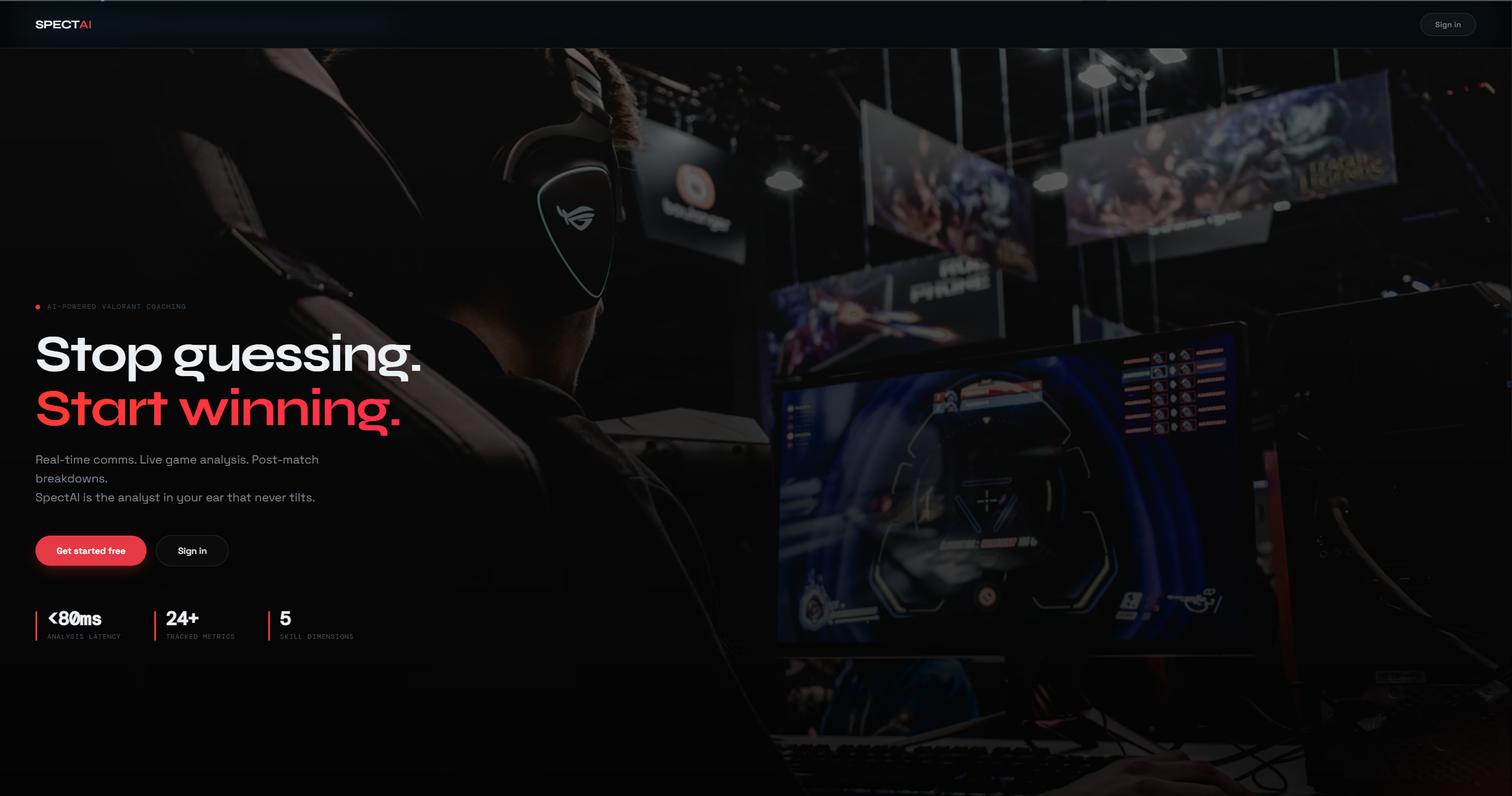
- The Problem: Improving at competitive games is frustrating when you don't know what mistakes you're making mid-match.
- The Cost Barrier: Real coaching is too expensive for most casual players, turning the game into a stressful grind instead of a fun hobby.
- The Goal: We wanted to make personalized coaching accessible to everyone, removing the need to spend hours reviewing old gameplay footage just to find one mistake.
What it does
- Live Coaching Overlay: A transparent, in-game window that watches your match and gives you immediate, actionable advice based on what is happening on your screen.
- Built-In Playbook: Gives you access to high-level tactics and strategies on demand, so you don't have to study the game outside of playing it.
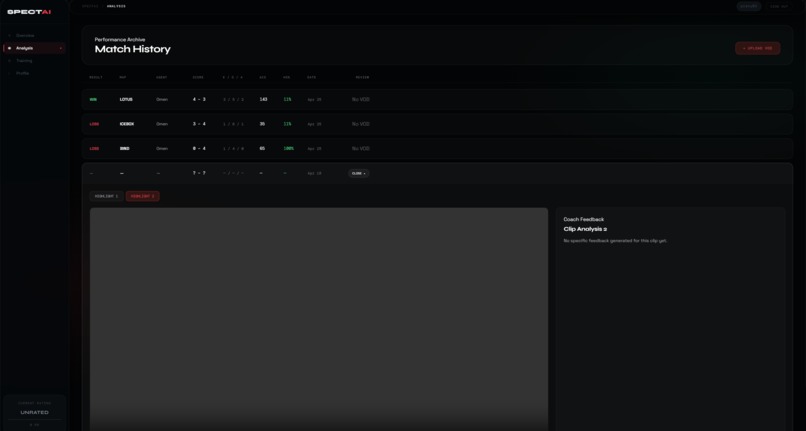
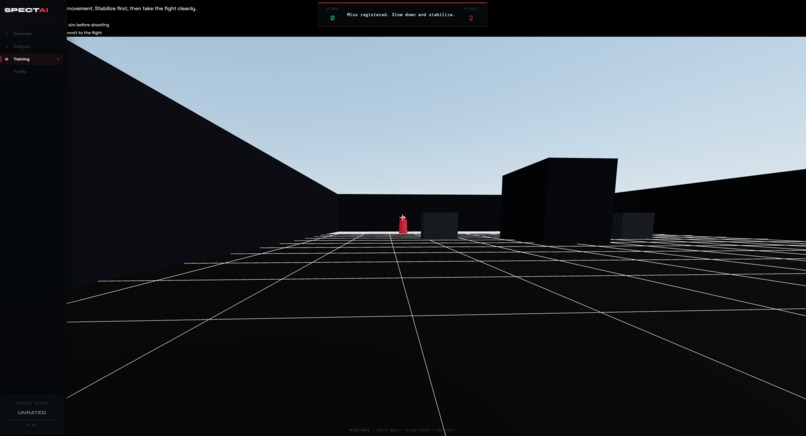
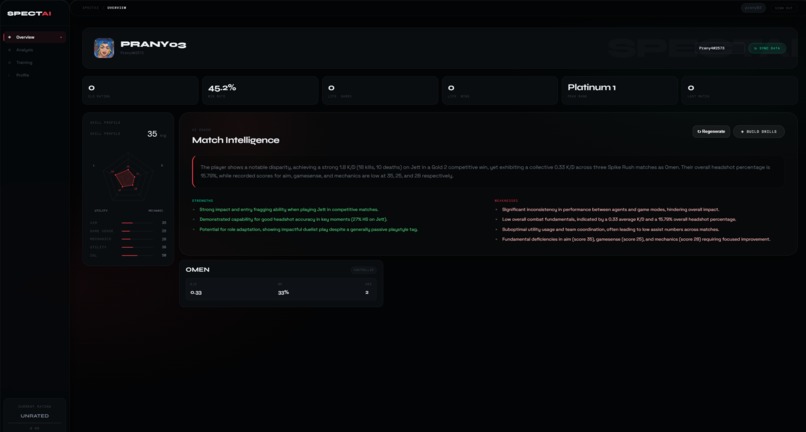
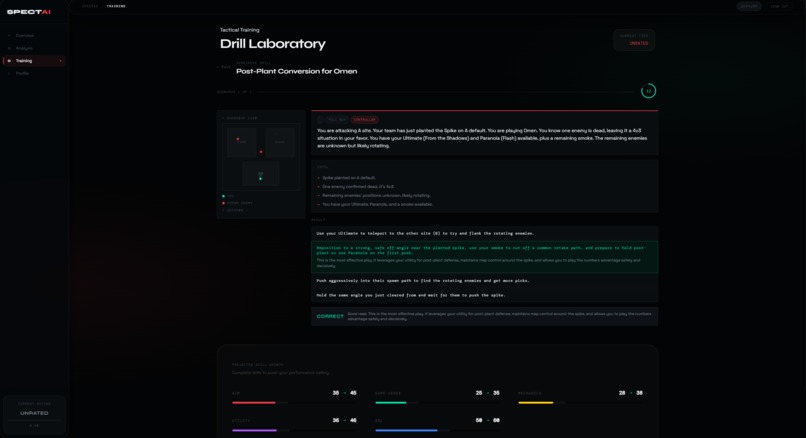
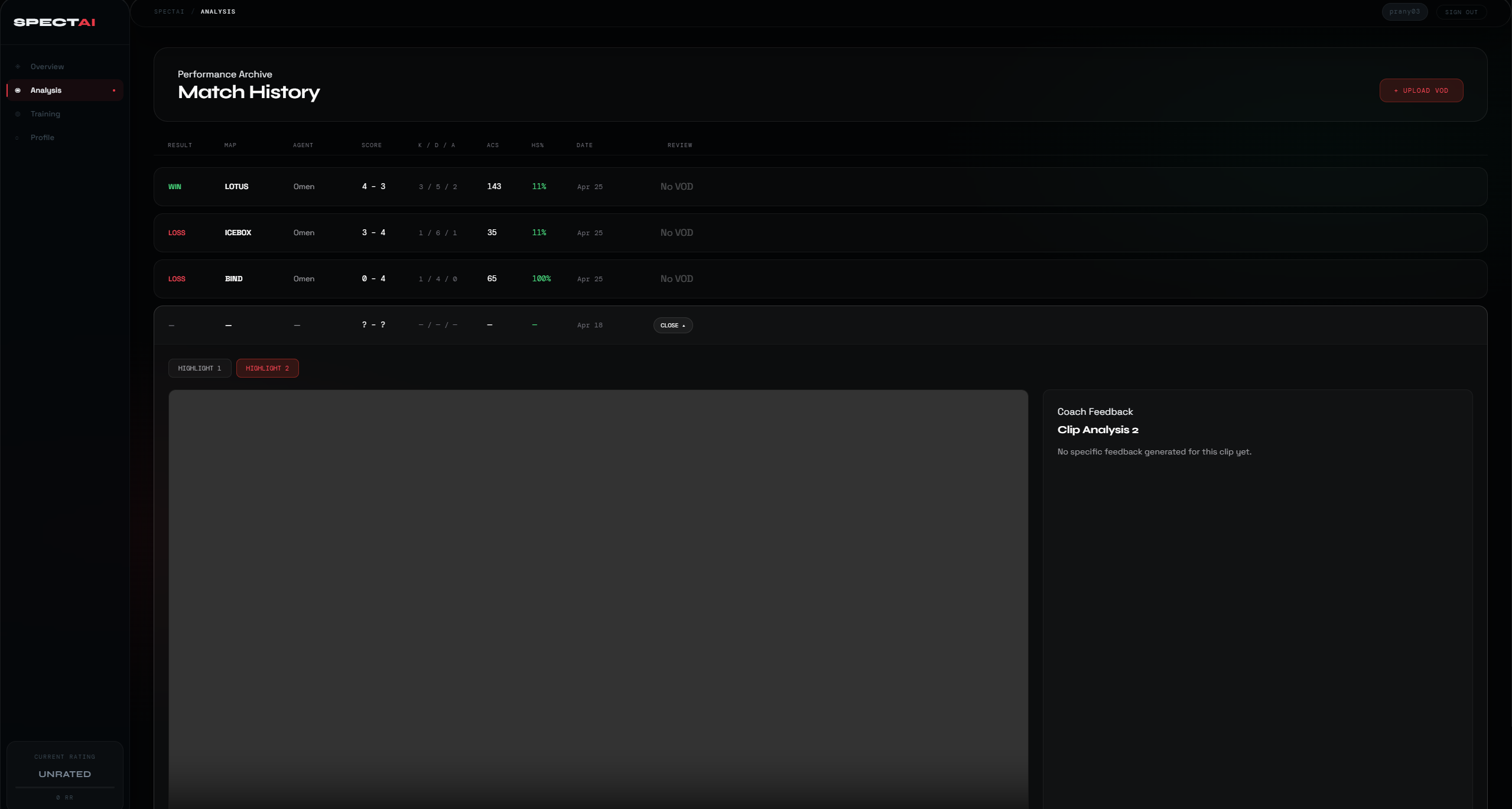
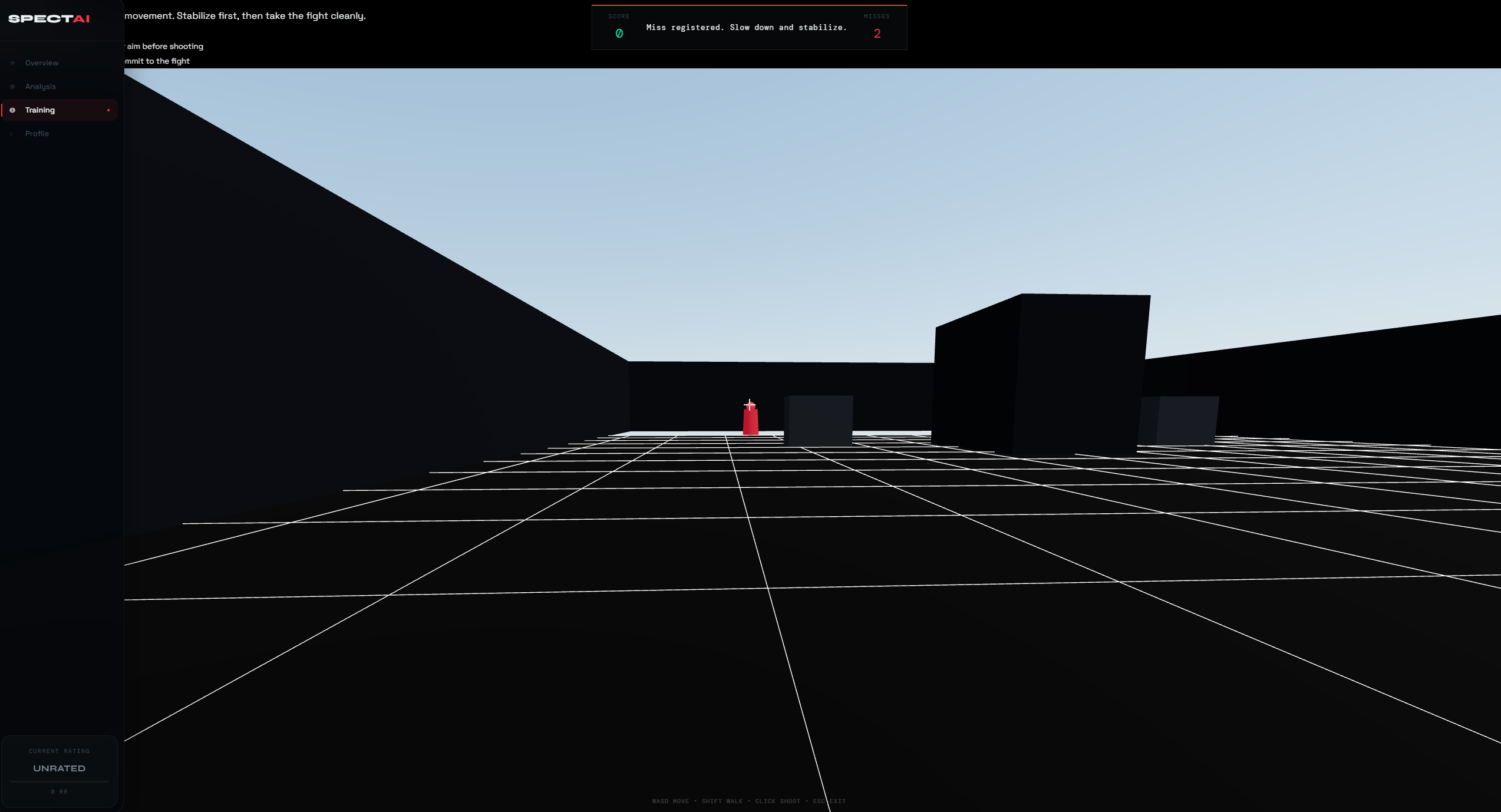
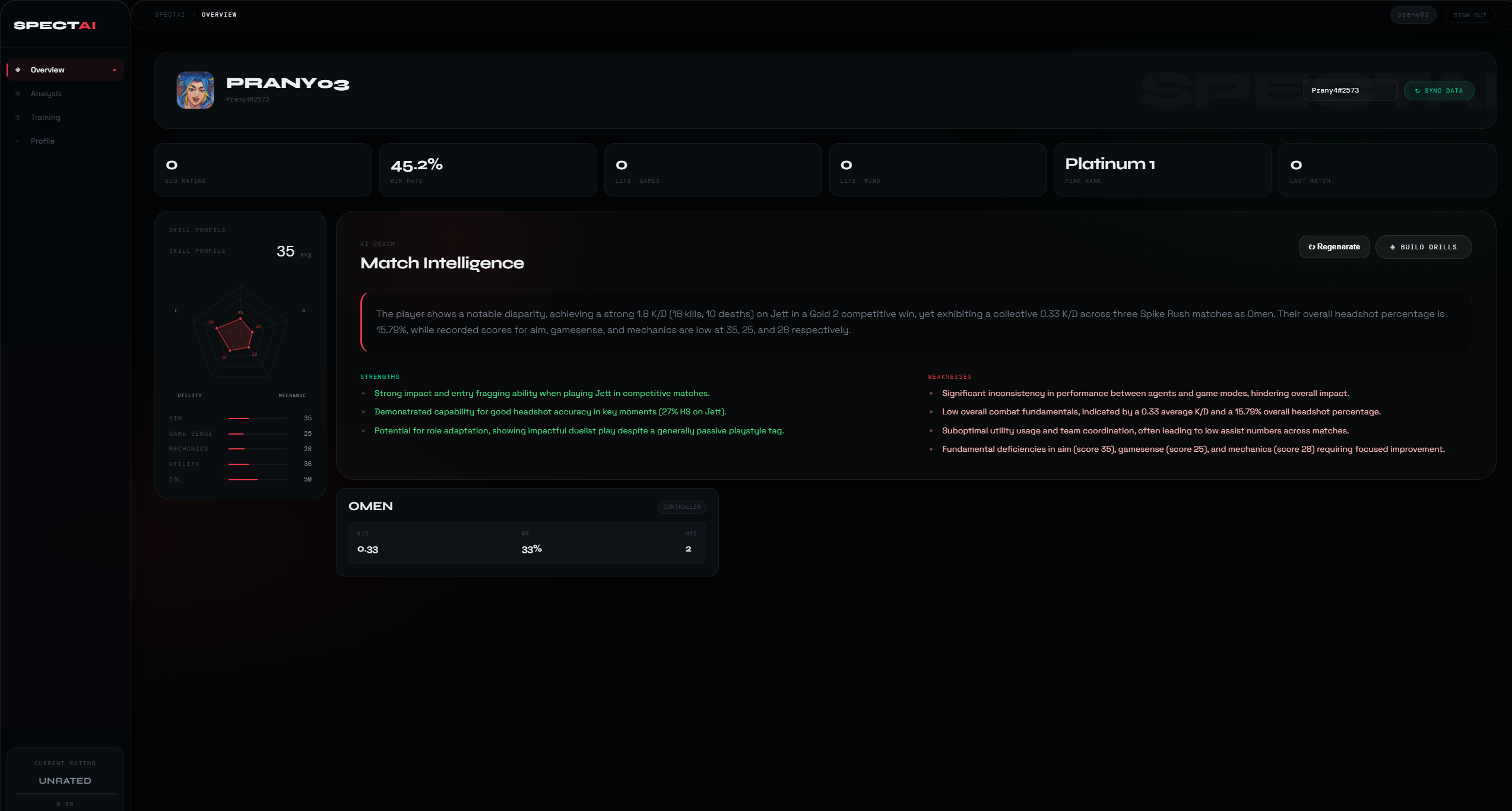
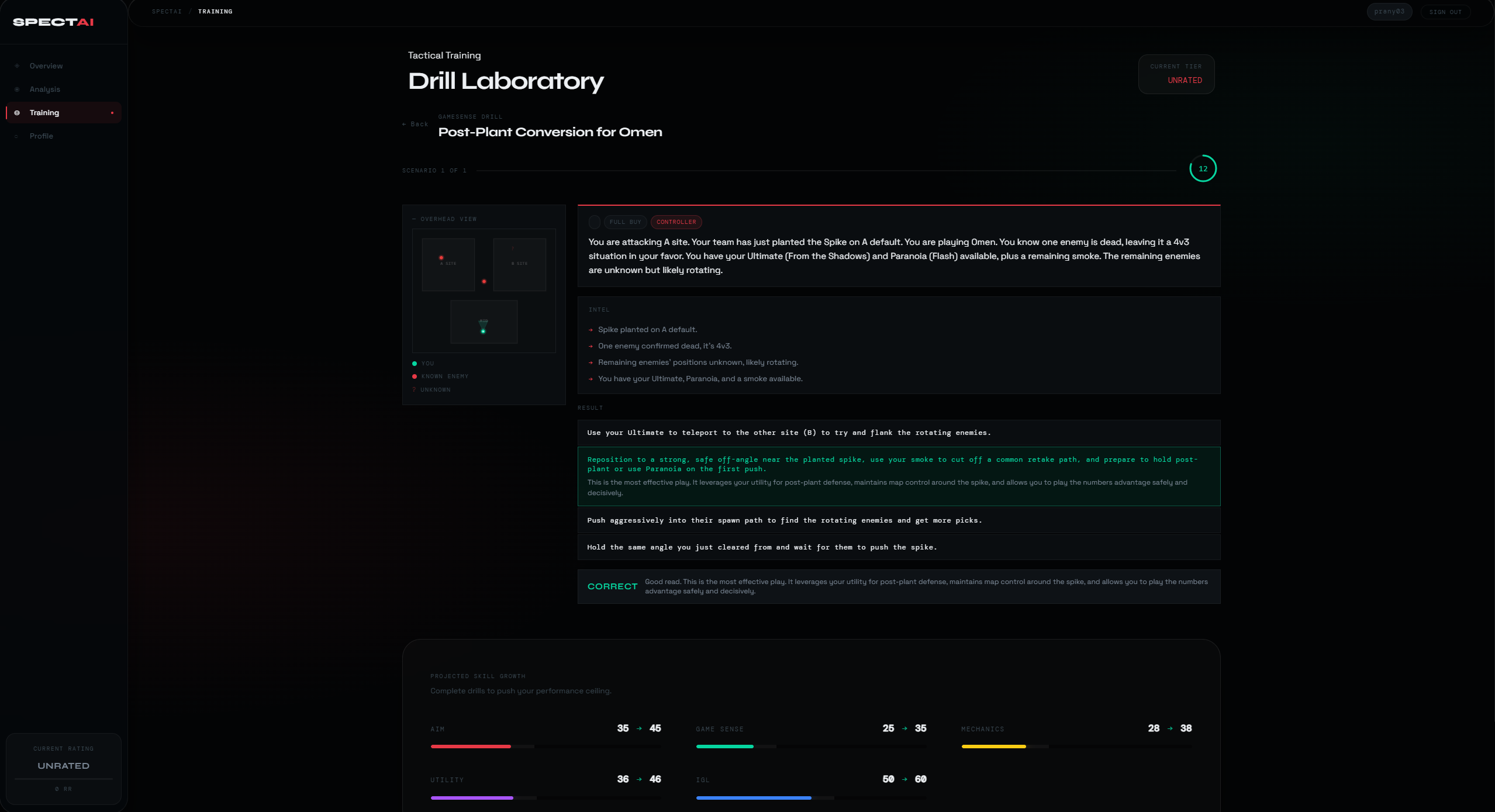
- Post-Match Dashboard: Automatically tracks your performance to build a skill radar, then generates custom 3D aim training drills based specifically on your weak points.
How we built it
- Live Data Feed: We use OpenCV to read the screen and the local Valorant API to pull health, economy, and map data directly into Gemini.
- Voice Integration: Players can ask the coach questions mid-game using a standard push-to-talk key, powered by speech-to-text and ElevenLabs audio.
- Lineup Tool: An integrated overlay automatically pulls up character-specific map setups, so players never have to minimize the game to search for a YouTube guide.
Challenges we ran into
- Connection Drops: The connection to the AI would drop during long matches, so we had to build a custom script to automatically reconnect without the player noticing.
- Data Limits: We had to figure out how to compress dense visual and game data into a small enough package for the AI to process quickly without losing context.
- Training Quality: Generating aim drills from scratch was resulting in flat, boring maps. We solved this by giving the AI modular map pieces it could snap together.
Accomplishments that we're proud of
- Speed: We heavily optimized the code with multithreading so the AI speaks to the player with almost zero delay.
- Accuracy: Combining screen-reading with actual game data means the AI gives genuinely helpful advice instead of making wild guesses about what is happening.
What we learned
- User Experience: We learned how to build an interface that sits over a competitive game without being distracting or annoying to the player.
- Intentional Design: We realized that keeping the tool focused strictly on helping the player improve was much better than adding unnecessary features.
What's next for Spectal/SpectAI
- Speed Upgrades: We plan to switch to a smaller, faster AI model to cut response times down even further.
- Wider Access: We want to keep building tools that let any player, regardless of their free time or budget, get better at the games they love.
Built With
- gemini
- ocr
- opencv
- pyqt6
- python
- react
- typescript
- vite

Log in or sign up for Devpost to join the conversation.