Background
Students in our school can speak very native English, but are always simply reading aloud the scripts on their iPad. The main challenge I wanted to solve was our students' over-reliance on pre-written scripts for presentations. While they could deliver a script well, they would become very nervous and flustered when faced with unplanned questions from judges or new points from group members, hurting their ability to respond effectively.
Methodology
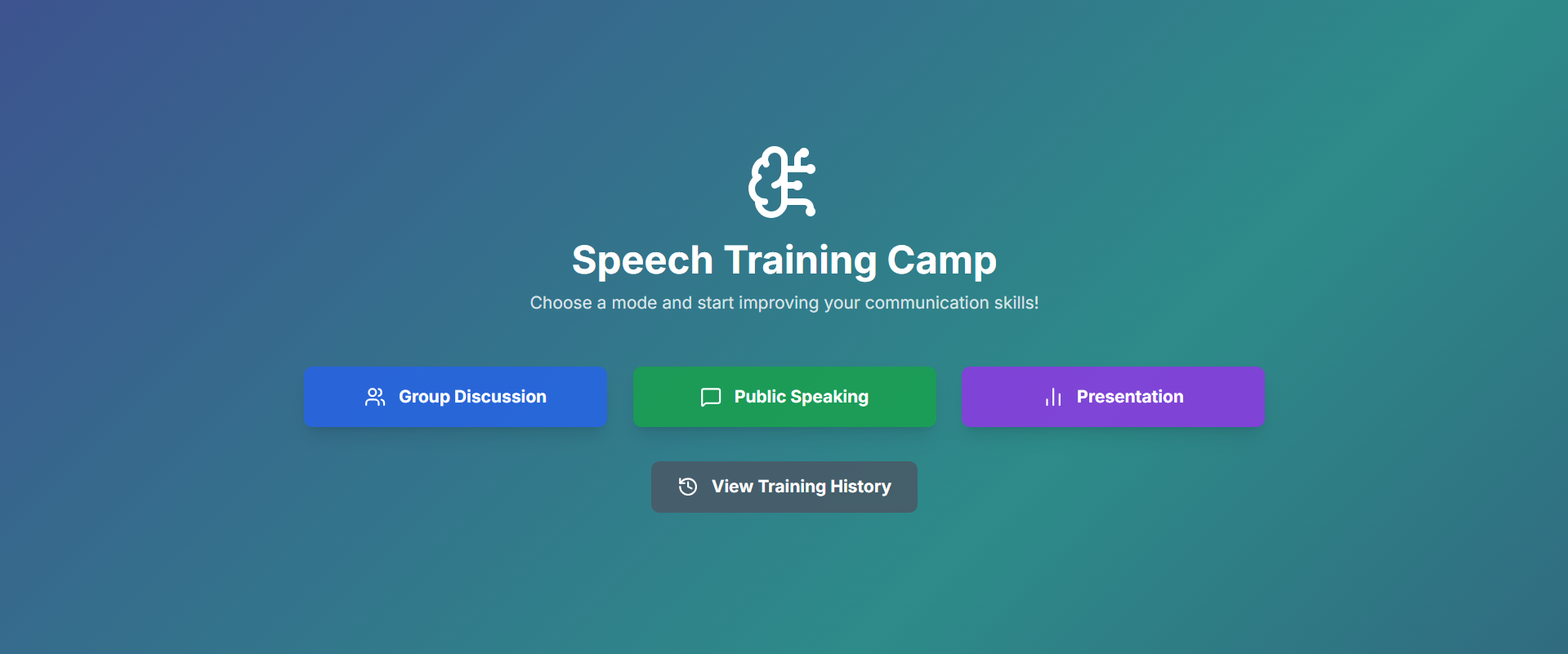
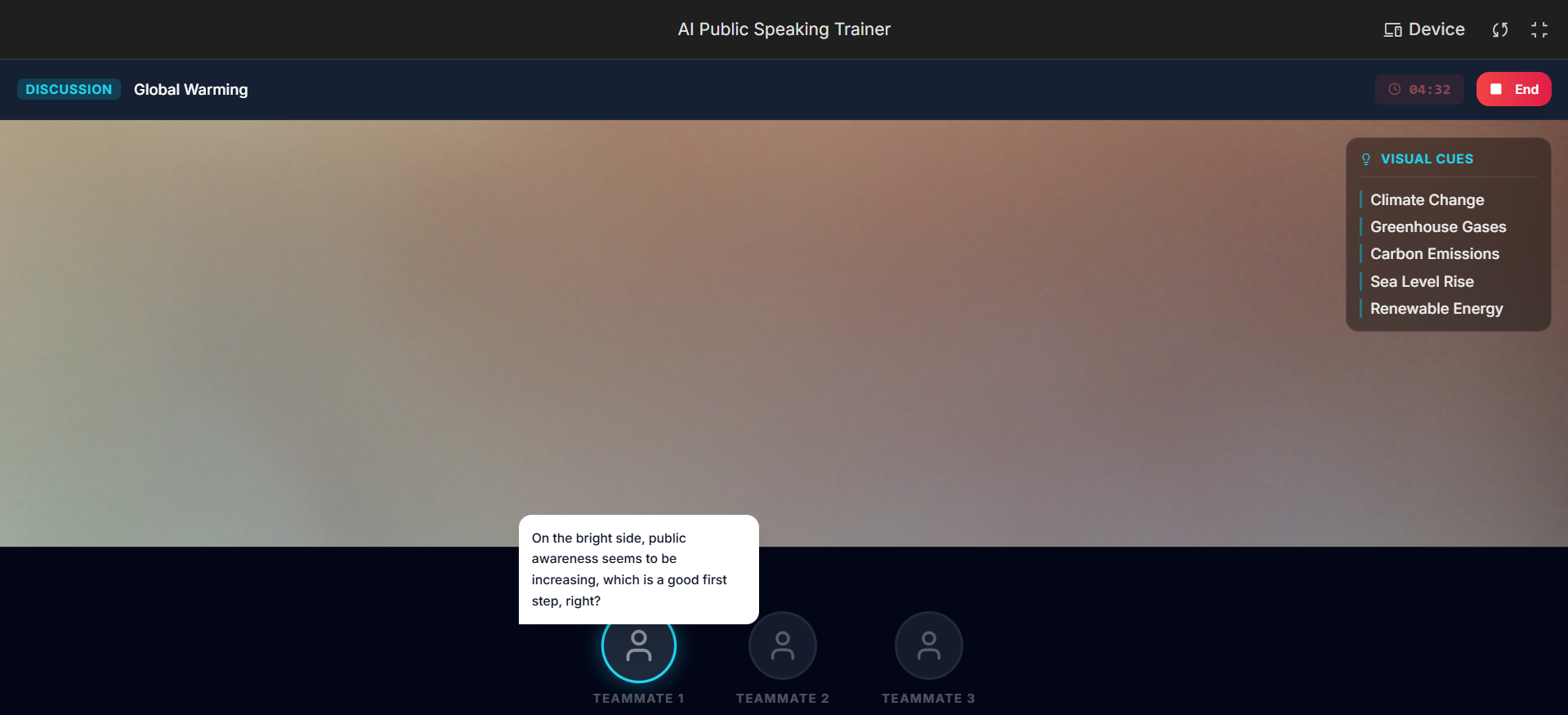
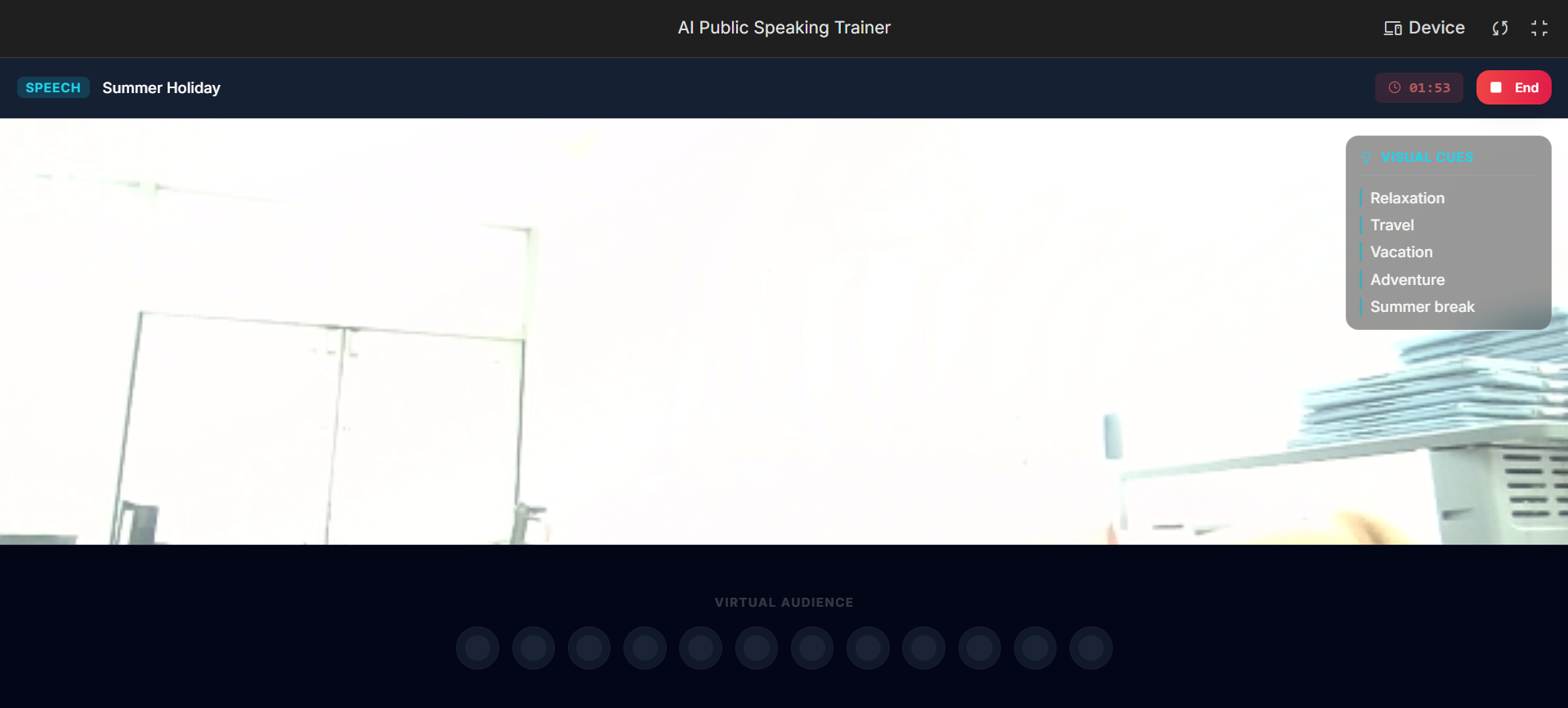
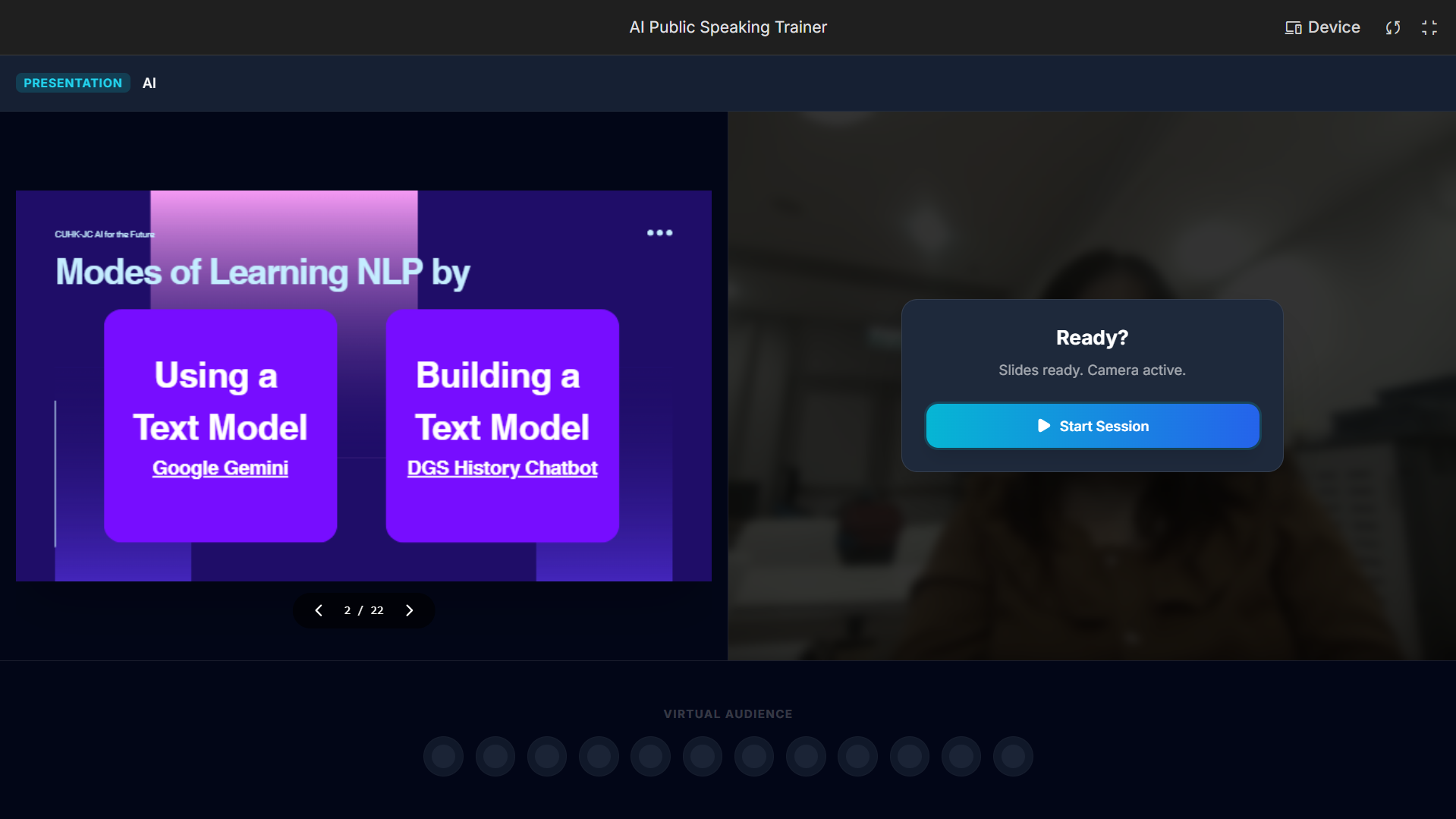
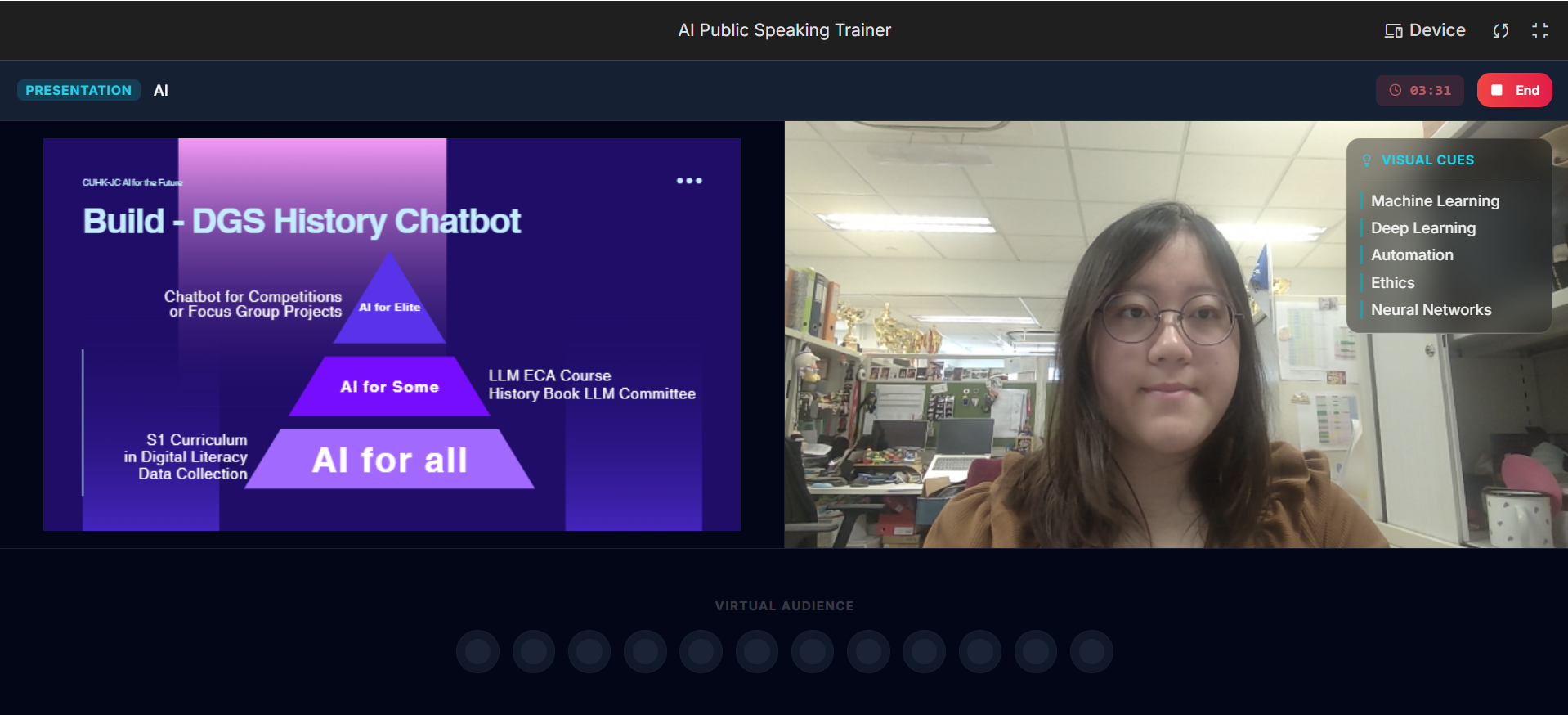
The AI Trainer app, generated by Google AI Studio with Gemini 3.0, provides a solution by simulating these high-pressure scenarios in a safe environment. The app has three modes: Group Discussion, Public Speaking, and Presentation. In the group discussion mode, an AI chatbot powered by Gemini acts as a teammate, generating unexpected points related to the student's chosen topic. In public speaking and presentation mode, AI chatbots will act as the audience, listening to the speaker, and raise questions out of their planned script. This forces students to think on their feet rather than just read from a script.
Project Processes
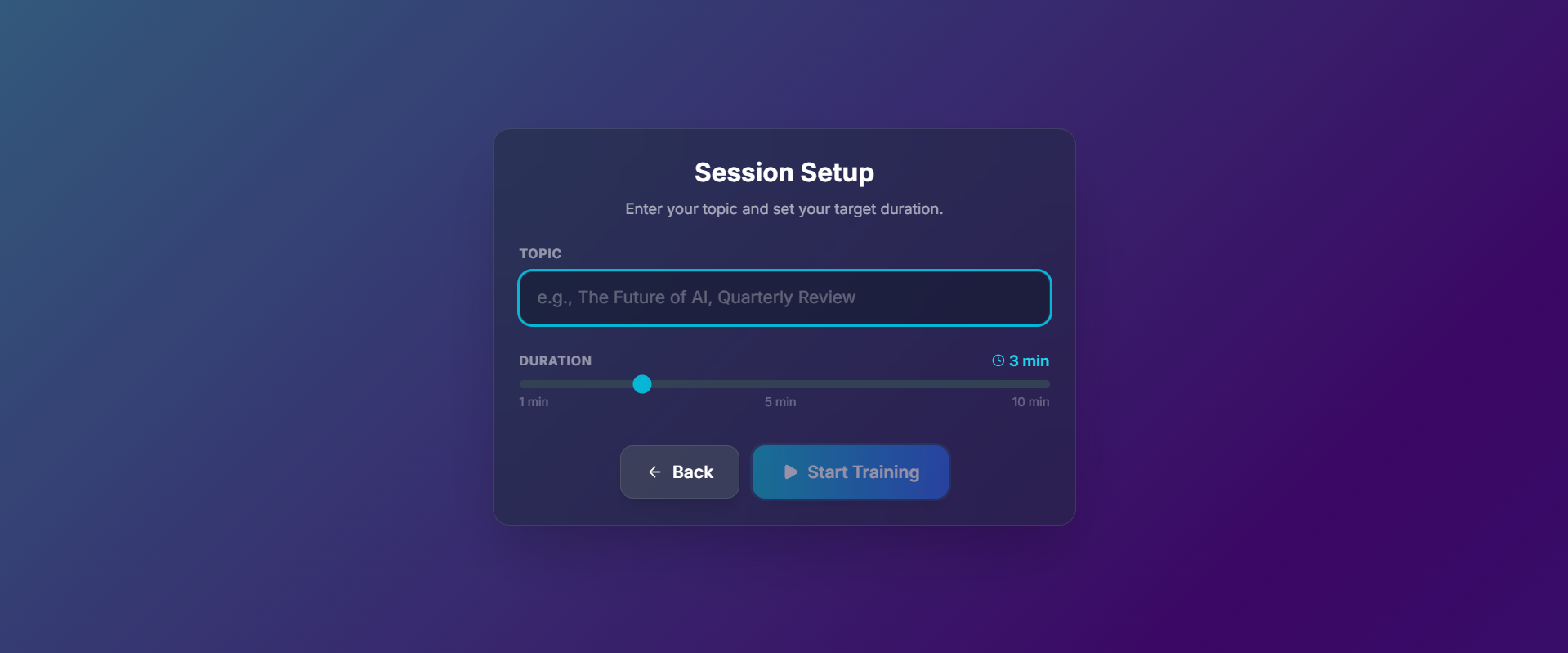
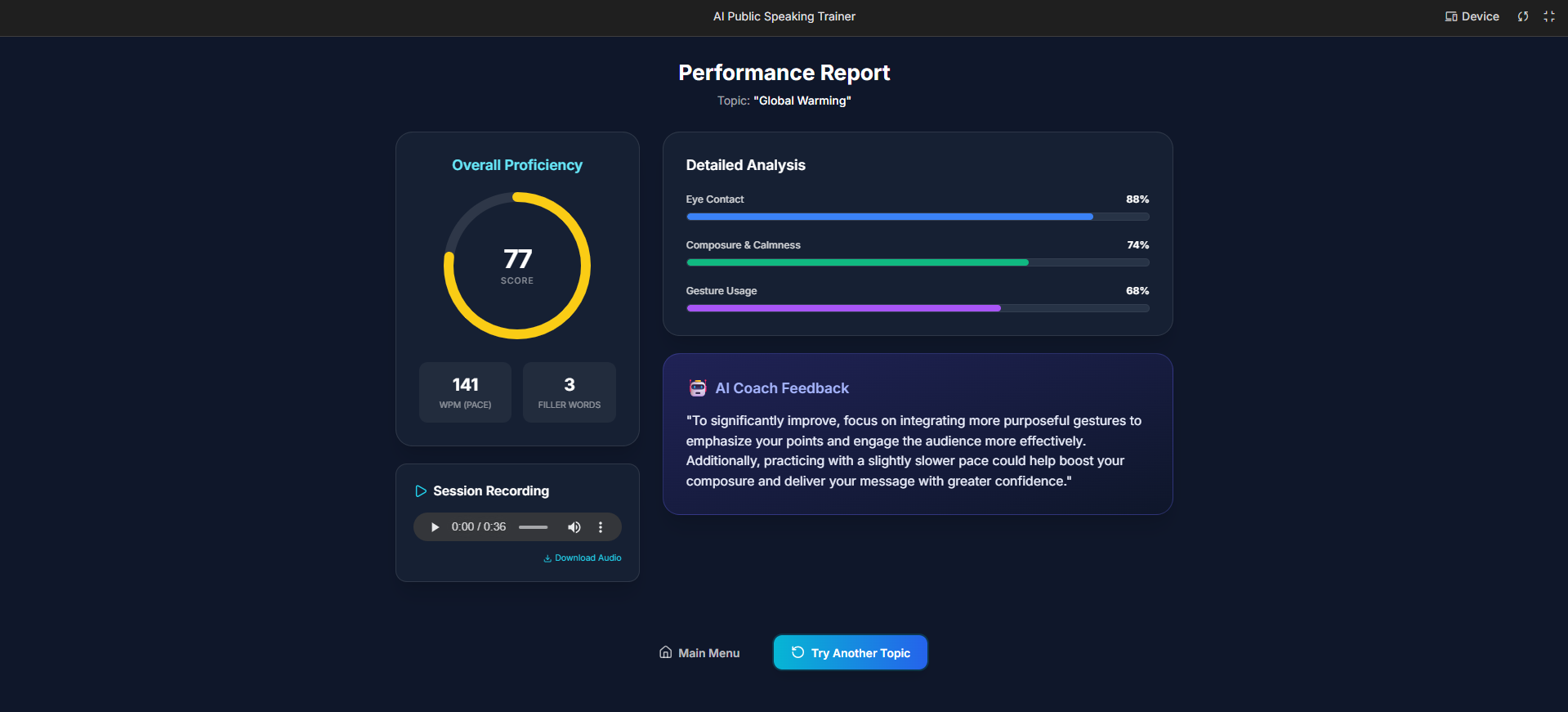
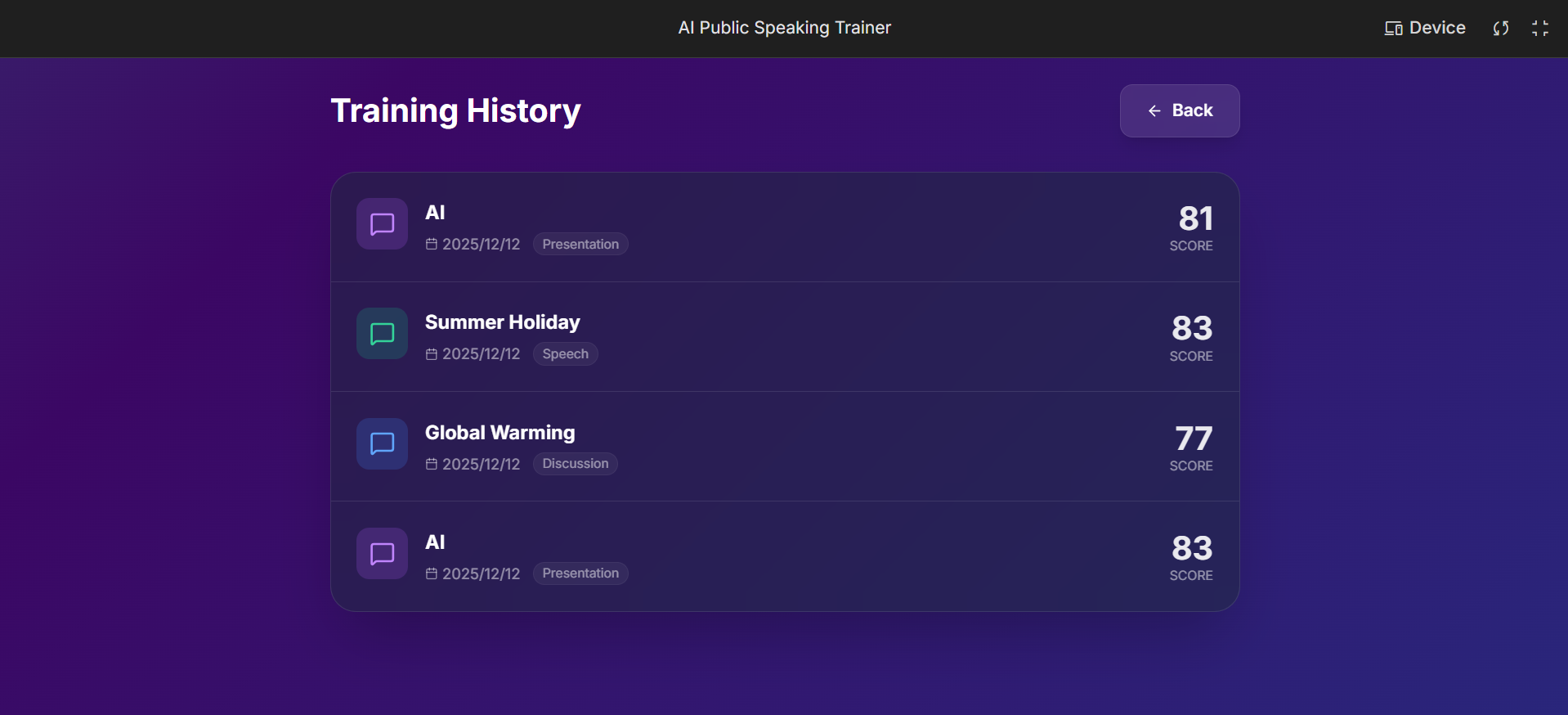
The project was integrated into the semester's public speaking workshops. Students used the AI Trainer App to practice. The process involved choosing a mode, entering a topic, and then engaging in a timed practice session where the AI could provide keyword suggestions or, in discussion mode, pose unexpected questions. After each session, students received a simulated report, and their results were saved to track progress.
Resources Used
The AI Trainer App (the core simulation environment) from Gemini Canvas. Gemini API (to power the interactive AI chatbot and generate keywords). Google Forms (for pre- and post-workshop student confidence surveys). Google Sheets/Docs (for a shared, standardized teacher observation rubric). Chromebooks (as the recommended device for recording and app use).
Data Collection
A mixed-methods approach was used to gather data. Quantitative data included pre- and post-workshop surveys, app usage metrics, AI-generated scores, and teacher observation scores on a rubric. Qualitative data was collected through informal student interviews and teachers' anecdotal notes.
Development Process
Phase 1: Baseline Assessment Introduce the project and the AI Trainer App to the participating students. Administer a pre-workshop confidence survey using a tool like Google Forms to establish a baseline for student speaking anxiety.
Phase 2: Integrated Practice Students begin using the AI Trainer App in conjunction with the school's existing public speaking workshops. During this period, continuously collect app usage data (like frequency and session duration) and the AI-generated performance scores. Teachers use a standardized rubric in a shared Google Sheet or Doc to score students' in-class presentations, providing observational data.
Phase 3: Final Assessment & Feedback Administer the post-workshop confidence survey to measure changes in self-reported confidence levels. Conduct informal group interviews with students to gather qualitative feedback and reflections on their experience using the app.
Phase 4: Data Analysis Compile and analyze all collected data. Correlate the pre- and post-survey results with app usage data and teacher observation scores to evaluate the tool's effectiveness and answer the project's key questions.
Data Results
The outcomes were highly positive. Data showed a significant increase in students' self-reported confidence based on the survey results. Furthermore, teacher observations using the standardized rubric indicated an average 15% improvement in scores for 'impromptu response ability'. Students were visibly more composed and articulate when speaking without a script in class.
Challenges
The main challenge was students' initial over-reliance on scripts; they were initially hesitant to speak freely even in the simulated environment. Encouraging them to trust the process and embrace making mistakes was a key hurdle that was overcome through repeated, low-stakes practice.
Reflections
The most significant learning from this project was discovering how AI can create a personalized and safe space for students to practice and fail without judgment. This low-stakes repetition proved crucial for building the real-world confidence students need to excel in public speaking and communication. The tool effectively served as a bridge between workshop theory and practical application.
Built With
- browserlocalstorage
- browsermediadevicesapi
- esm.sh
- googlefonts
- googlegeminiapi
- googlegenaicloud
- lucidereact
- mediarecorderapi
- pdf.js
- react
- tailwindcss
- typescript
- unpkg
- webaudioapi

Log in or sign up for Devpost to join the conversation.