-
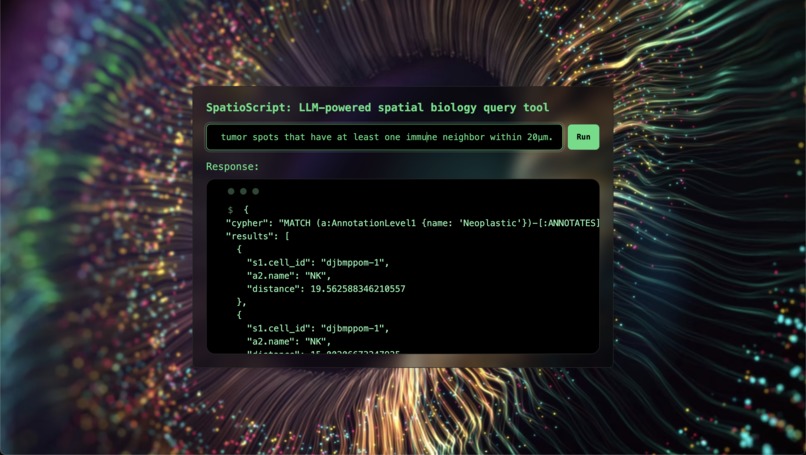
application interface
-
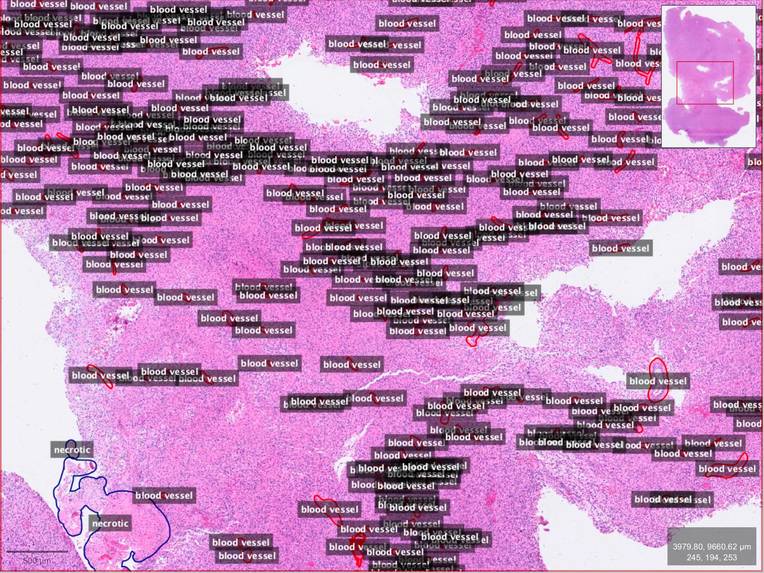
pathology annotation
-
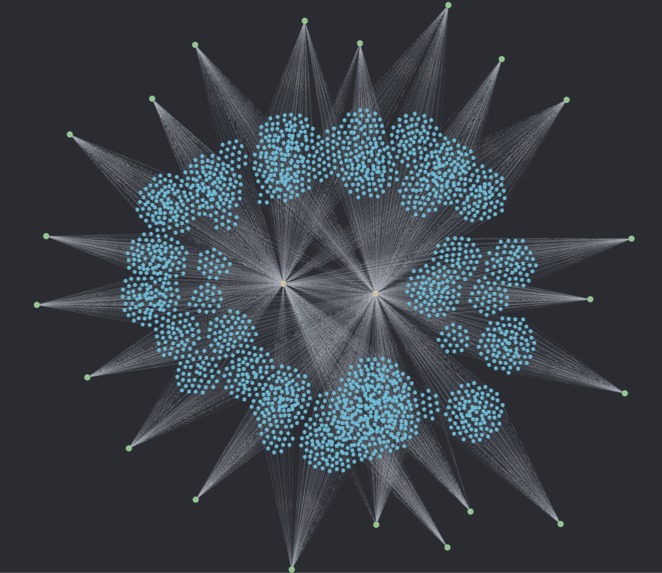
neo4j graph
Inspiration
Our inspiration comes from a real and growing challenge: the rapid expansion of spatial and single-cell biology. Large-scale datasets encompassing millions of cells are now essential for building comprehensive atlases of healthy and diseased tissues. Generating and interpreting these datasets requires deep expertise—not only from computational scientists, but also from biologists, clinicians, and engineers.
Expecting non-computational experts to learn complex AI and data science skills is inefficient and unrealistic. Instead, we should focus on building AI-powered interfaces that lower the barrier to entry. These interfaces should enable domain experts to seamlessly interact with analyzed datasets, provide immediate feedback, and actively contribute to interpretation, ideation, and discovery.
What it does
Here we built an LLM-powered tool that will take in spatial and single-cell datasets. Interfaced with an LLM-powered API that can be used by the end-user to mine the datasets and to quickly understand the analyzed product in natural language.
How we built it
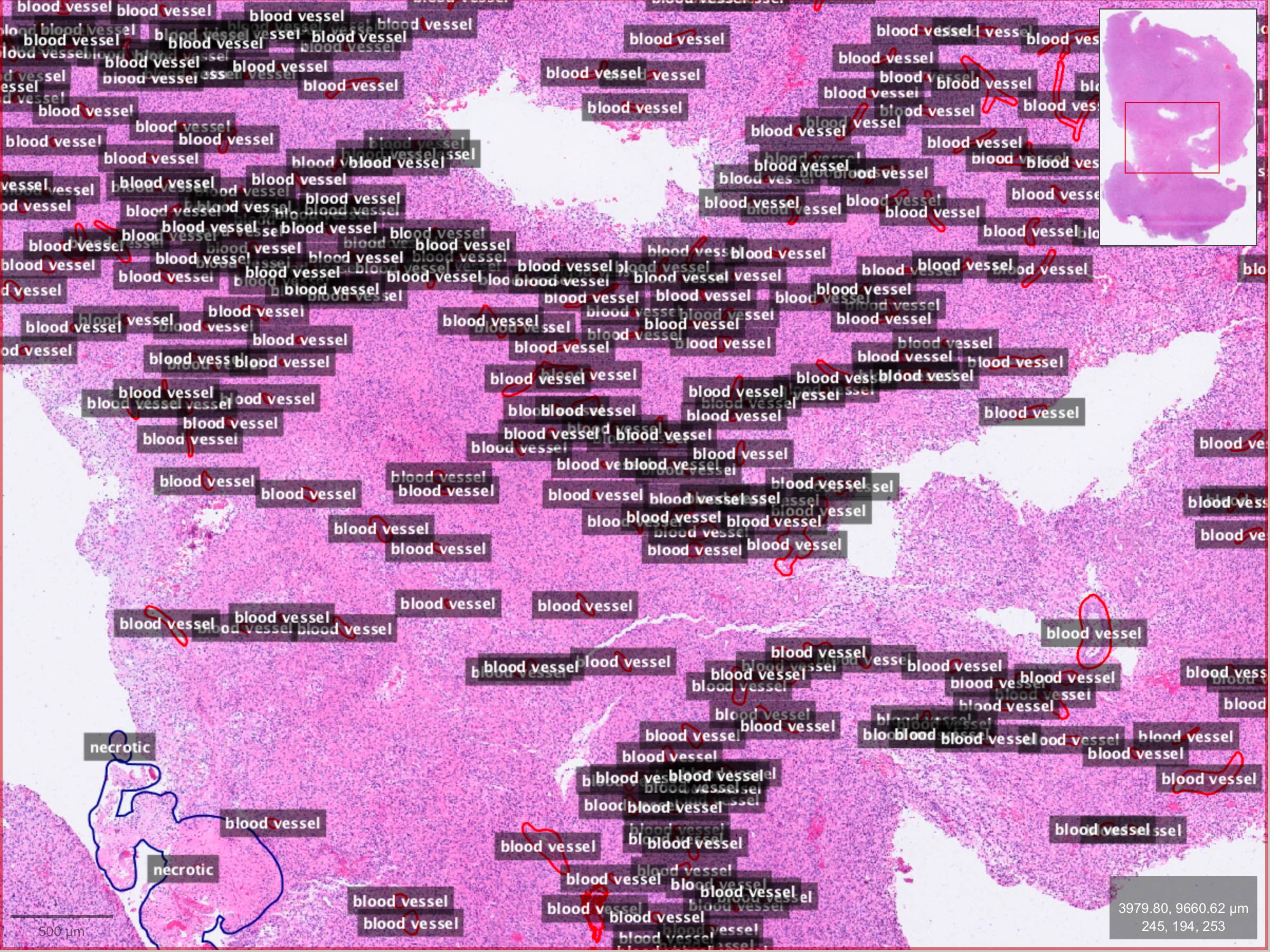
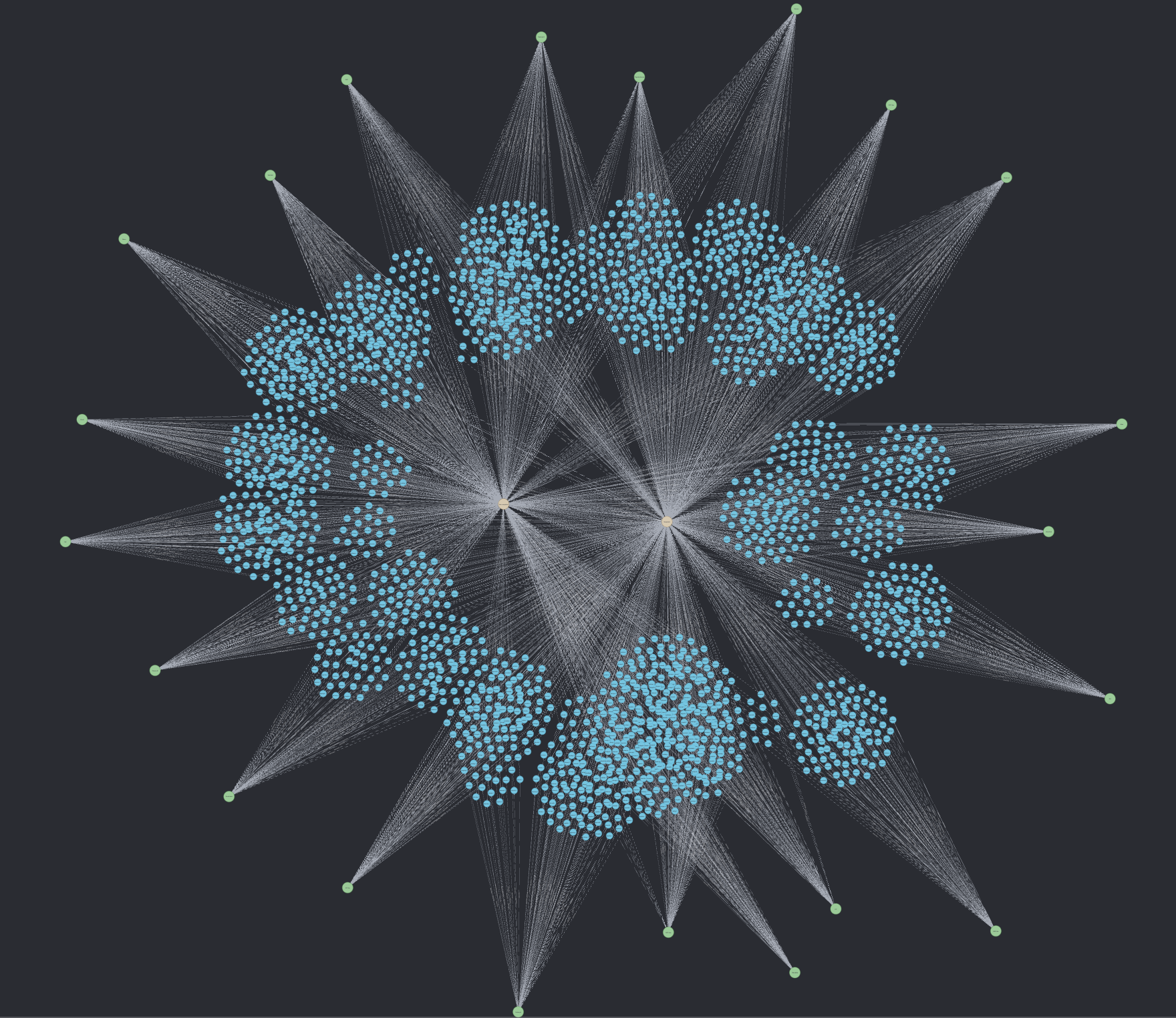
We used a compendium of python and web-server tools to build this. We used classical computational tools such as anndata and scanpy, computer vision processing tools such as opencv, scikit-learn, pyvips and open-ai chatGPT api and neo4j. We developed a pipeline that would ingest data matrices containing single cell data, labelled pathology annotations and embedded them into a graph network. We used QuPath for pathology annotations.
Challenges we ran into
- We ran into several high mem issues
- Spatial datasets are exceptionally large and we did not factor in the time it would take for image processing and co-registration.
- We had to take into account spatial coordinates.
Accomplishments that we're proud of
- Application that queries complex datasets in 2D/3D.
- We built a collaborative tool that will encourage cross-disciplinary innovation.
What we learned
We realized that our team diversity helped us to create a unique and interdisciplinary tool.
What's next for SpatioScript: LLM-powered spatial biology query tool
We are planning to pursue this project to optimize and build it into a full fledge web app.


Log in or sign up for Devpost to join the conversation.