Inspiration
We believe one of the main benefits of XR is to make our digital life more social and to create valuable human connection. Also many physical tasks can't be done from remote and because of that we spend much time and energy to travel. With gaining access to the passthrough camera we wanted to use the power of XR to tackle this problem. Starting at the XRCC 25 Hackathon in Berlin we aim to bring telepresence in an accessible way to everyone.
What it does
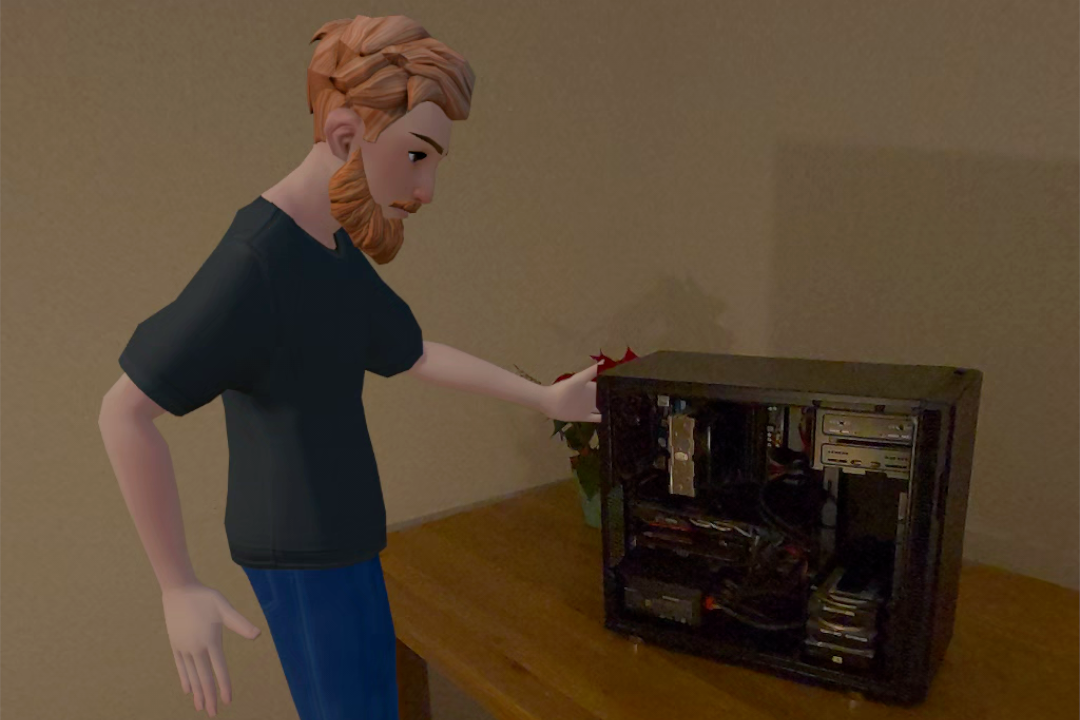
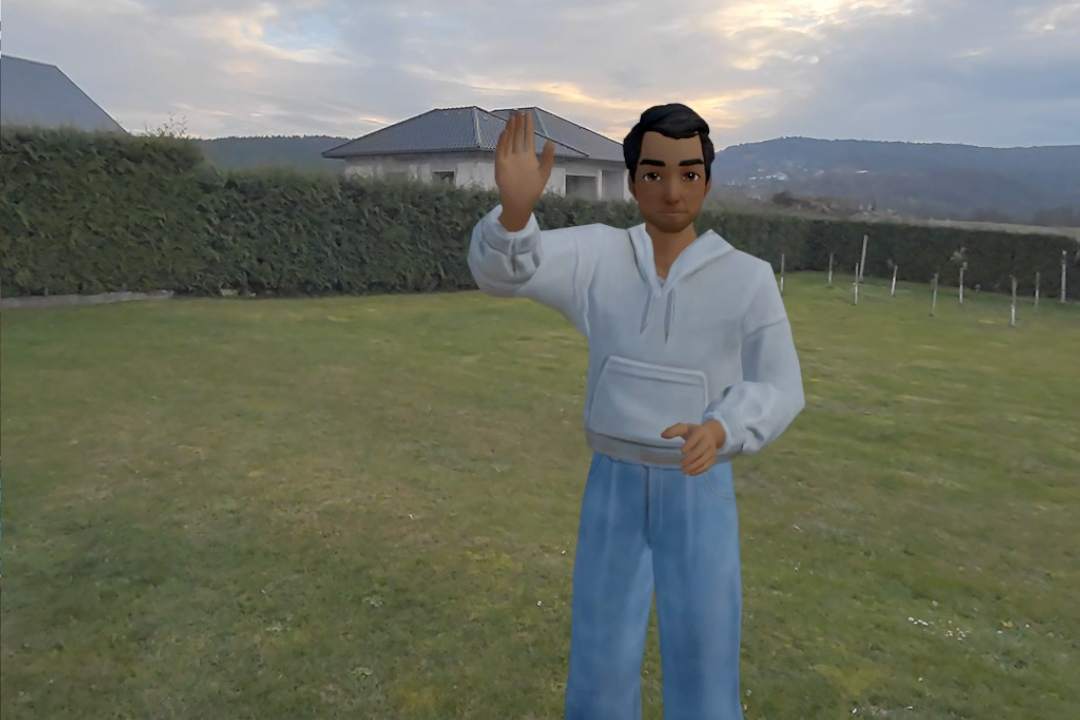
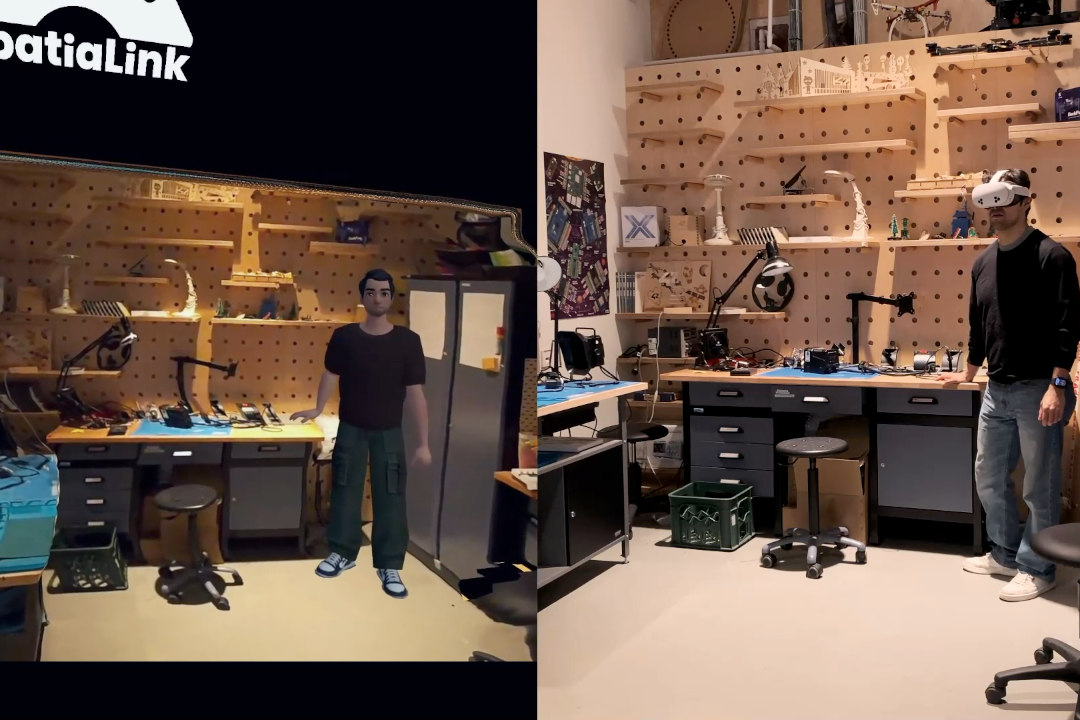
SpatiaLink is an mixed reality platform for collaboration in the physical world. Using the Quest device sensors only, the live surroundings of a person on site gets replicated to multiple remote persons in VR. These remote persons are getting embedded into mixed reality, so that there can be discussions about the environment to guide, to inspect or to sell. We believe there are many use cases across business and private sectors and aim to bring remote human collaboration into new dimensions.
How we built it
We are using Unity with the Meta SDK, especially the Depth and Camera API. The scene then gets transmitted in 3D using WebRTC and Websockets. For multiuser capabilities we use Photon Fusion with Voice.
Challenges we ran into
The balance between quality, computing power and network speed of the reconstruction stream was challenging to get right.
Accomplishments that we're proud of
We are proud, that we improved our core feature through diving deeper into the tech. Also we are proud that we have had some great first sessions using our platform with external users.
What we learned
Using multiple Meta APIs like Colocation or the new Camera Access for the first time was a great way to learn more about using all the potential of the Quest 3.
What's next for SpatiaLink
Currently we are speaking to different corporations and demoing it to potential users to validate the benefits of it and to explore use cases. We see many possibilities to develop it further and want to concentrate on a niche first. After more optimization and and building the necessary infrastructure, we plan to release our first version in early 2026.


Log in or sign up for Devpost to join the conversation.