Inspiration
SpatialCraft was inspired by the need for a more intuitive and efficient way to design user interfaces for VisionOS. The vision was to create a tool that empowers designers and developers to rapidly prototype and iterate UI components without getting bogged down in repetitive coding tasks. Drawing inspiration from real-time game development environments and the flexibility of modern design tools, SpatialCraft aims to revolutionize how we approach UI design in augmented reality and virtual reality platforms.
What it does
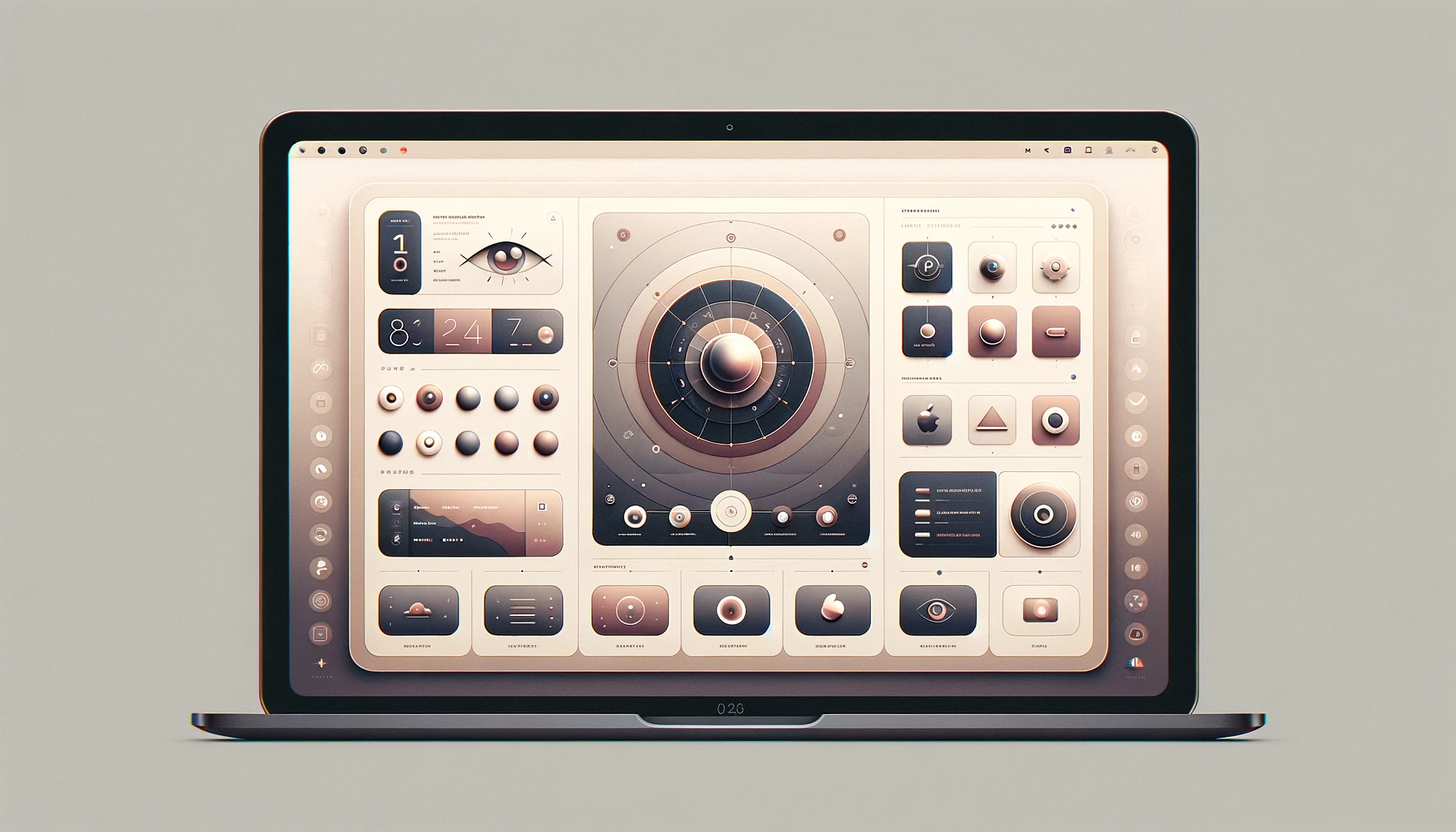
SpatialCraft is a dynamic UI generation tool tailored for VisionOS. It enables users to create, modify, and deploy user interface components directly within a virtual environment. Utilizing an intuitive drag-and-drop interface, users can select from a variety of pre-built UI elements or create custom ones. These components are then rendered in real-time, allowing for immediate visual feedback. SpatialCraft integrates seamlessly with VisionOS, providing a smooth workflow for designers and developers to bring their UI concepts to life.
How we built it
SpatialCraft was built using a combination of Swift, Metal for high-performance graphics, and RealityKit for augmented reality functionalities. We leveraged Swift's advanced features like dynamic dispatch and protocol-oriented programming to create a flexible architecture that supports on-the-fly UI generation. The Metal framework was utilized for efficient rendering of complex UI elements, and RealityKit was integrated to handle spatial interactions and AR capabilities within VisionOS.
Challenges we ran into
One of the main challenges was ensuring high performance and responsiveness when generating and rendering UI components in real-time. Overcoming the complexities of integrating with VisionOS's unique environment and ensuring compatibility across different AR/VR devices was also a significant hurdle. Additionally, creating a user-friendly interface that accommodates both novice and expert users required careful design and iterative testing.
Accomplishments that we're proud of
We are particularly proud of SpatialCraft's ability to maintain high performance and fidelity in real-time UI generation. Our innovative use of Swift's language features to create a modular and extensible architecture is another significant accomplishment. Additionally, the intuitive user interface of SpatialCraft, which lowers the barrier to entry for AR/VR UI design, is a testament to our user-centric development approach.
What we learned
Throughout the development of SpatialCraft, we gained valuable insights into the complexities of real-time rendering in AR/VR environments. We learned advanced techniques in Swift and Metal programming and deepened our understanding of user interface design in three-dimensional spaces. The project also taught us the importance of iterative design and user feedback in creating a tool that truly meets the needs of its users.
What's next for SpatialCraft (v0.dev for visionOS)
The next steps for SpatialCraft include further enhancing its integration with VisionOS, expanding the library of pre-built UI components, and introducing more customization options. We plan to implement machine learning algorithms to predict user preferences and streamline the design process. Additionally, we aim to extend SpatialCraft's capabilities to support collaborative design in a shared virtual space, enabling teams to work together seamlessly from different locations. Continuous improvement based on user feedback and adapting to the evolving landscape of AR/VR technology will be our ongoing focus.
Built With
- realitykit
- swift
- visionos

Log in or sign up for Devpost to join the conversation.