-
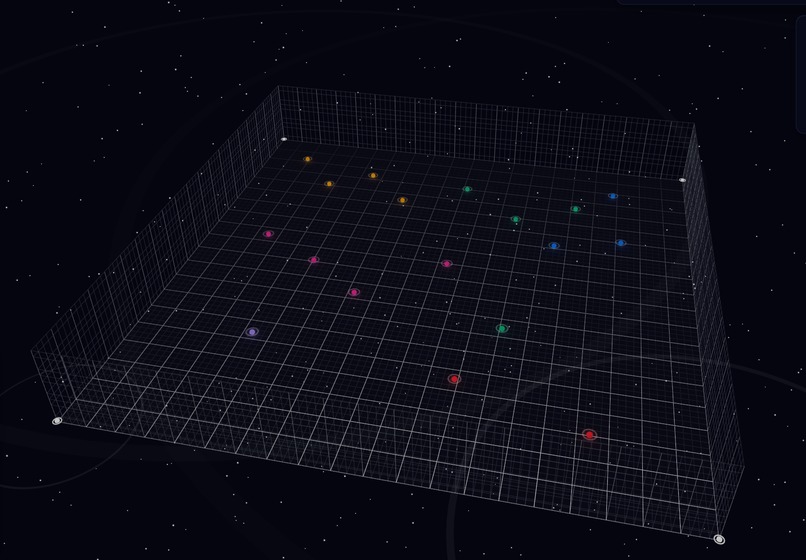
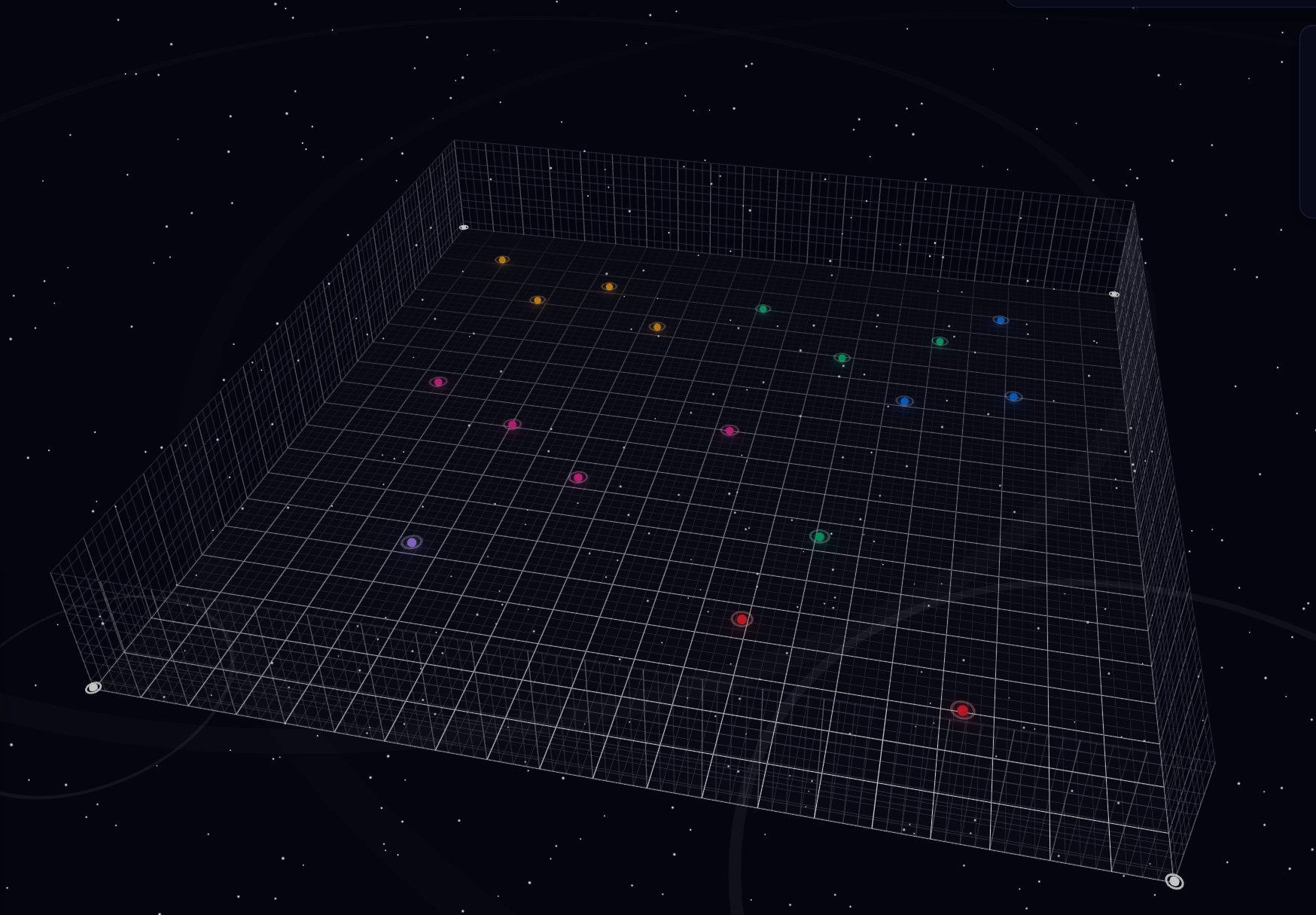
Our Anchors and our Active Tag UI
-
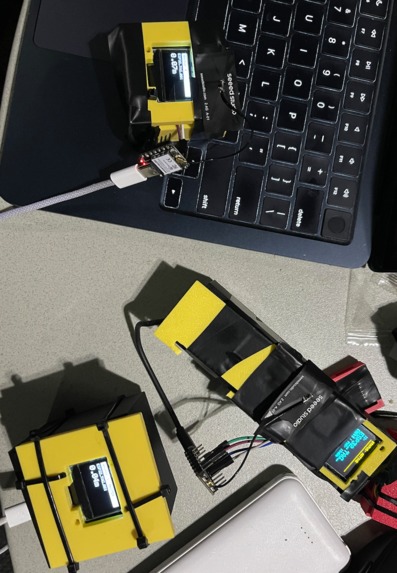
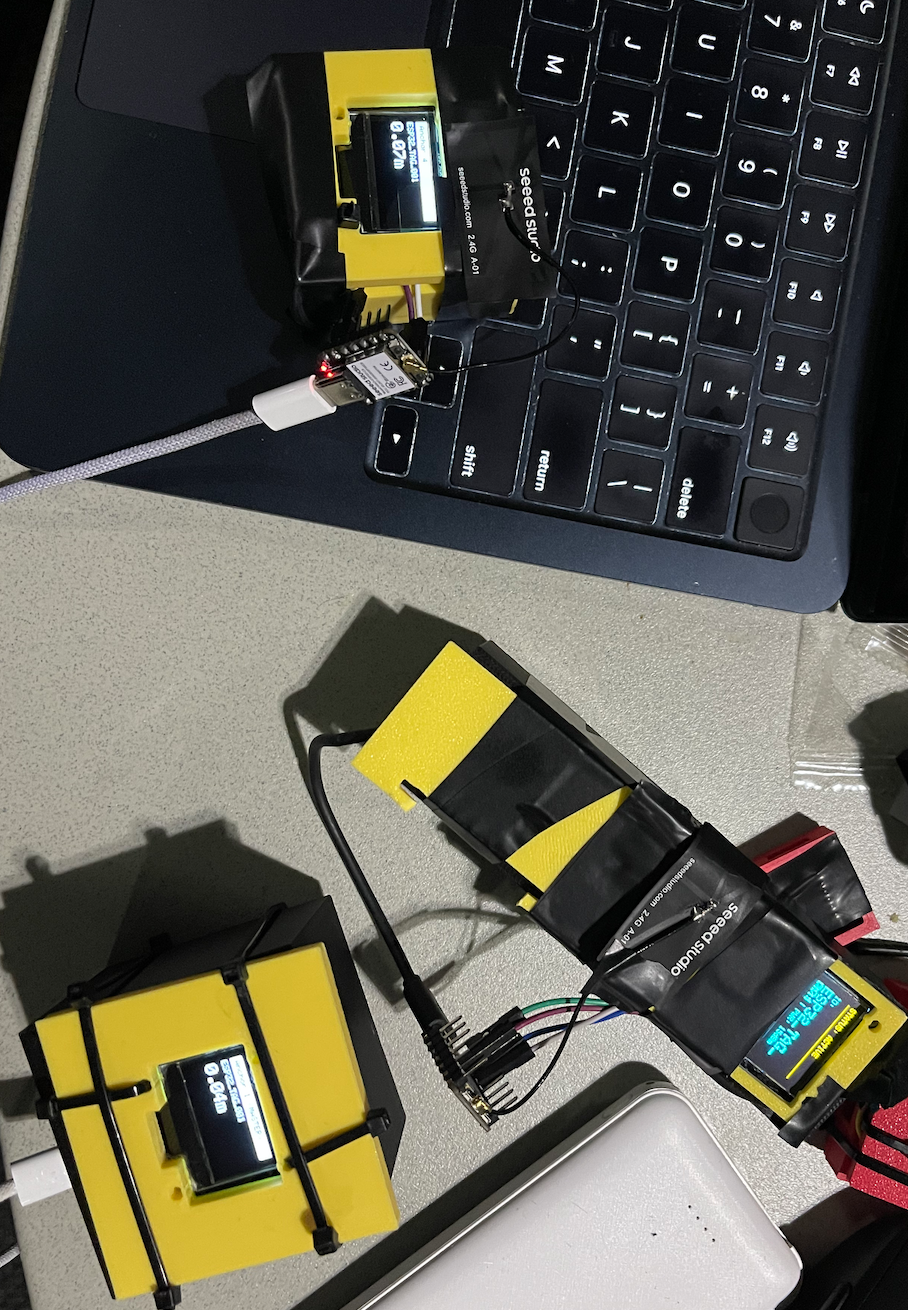
Our Anchors and our Active Tag which determine distance with wifi signals
-
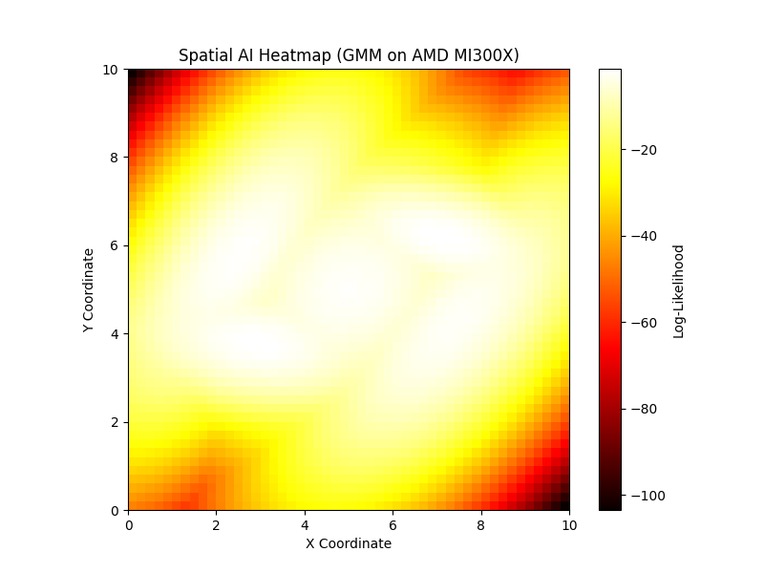
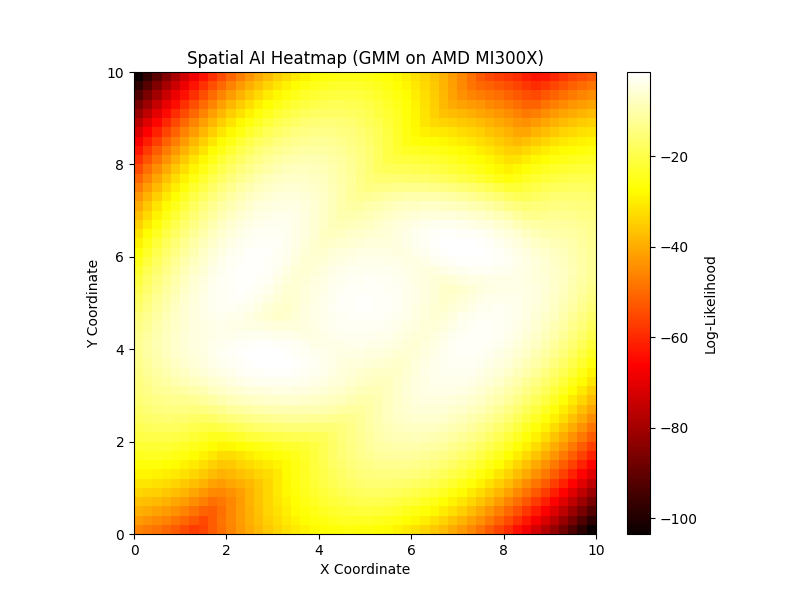
Heat Map Generated with Our GenAI
-
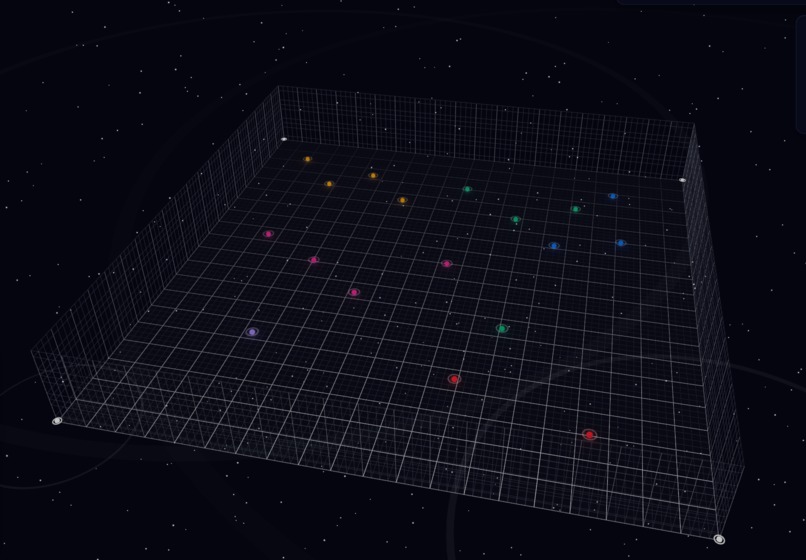
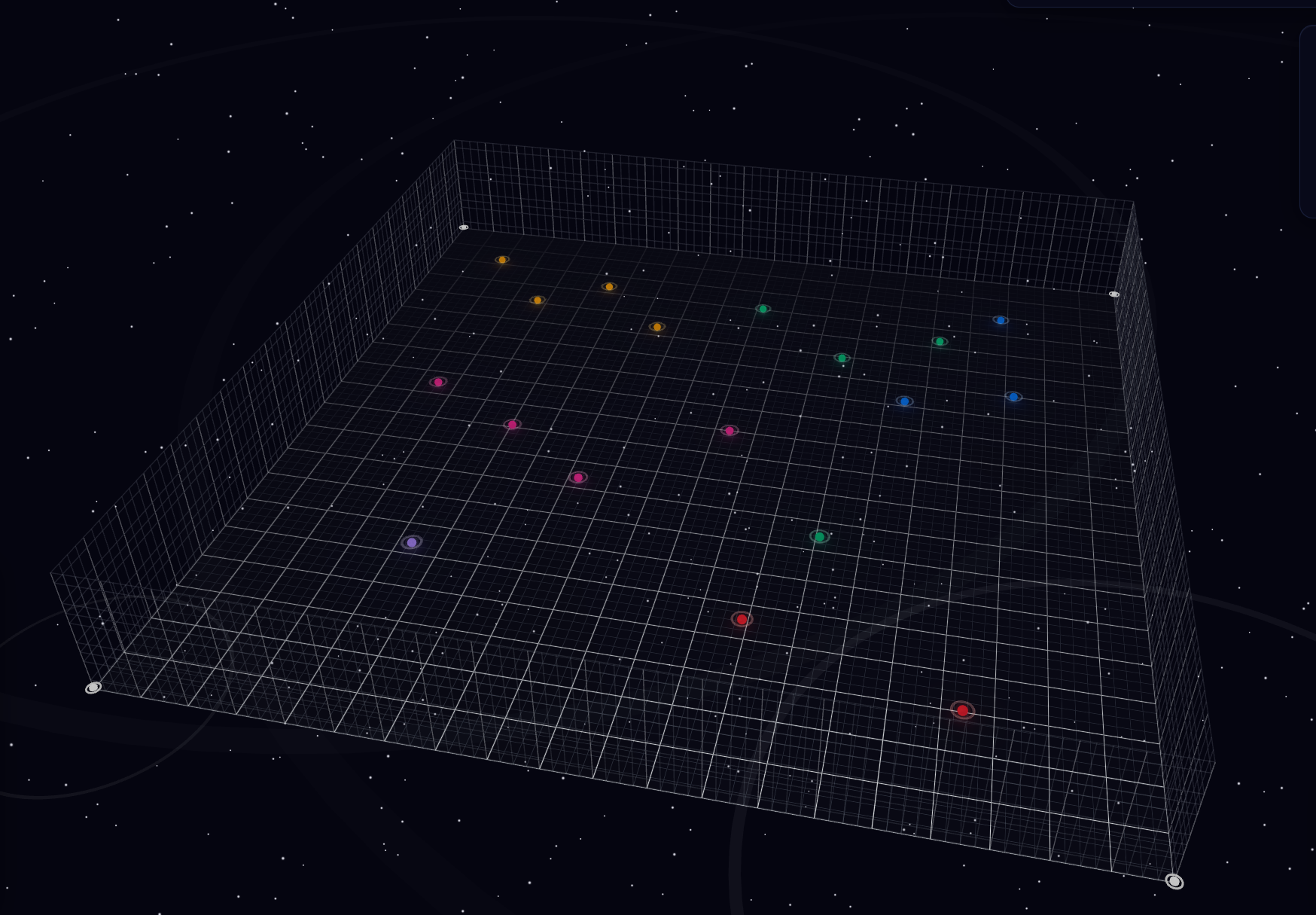
A picture of our Dashboard
Inspiration
In the midst of entering a new age with world wide innovation and expansion, companies and people have lately been neglecting the basics and our materials. Without proper inventory and management of supplies companies are unable to take off. This problem is much more important than we initially realized as hospitals, warehouses, construction sites, and research facilities lose over 10 billion every year. Our solution offers a simple, innovative, independent, and secure solution for all of these problems.
What it does
Using an esp32 for each tag, we are able to send out different signals, each with little to no information maximizing battery life. Then using several different anchor points, we are able to measure the strength of each signal and triangulate the location of the tag. This works with multiple tags as time goes on and using our redundant system along with out custom tuned Kalman filter we are able to minimize the error build over time and continue to track the location even if our anchor points shut down. We also used a NFC tag to be able to wirelessly transmit data, this allowed us to give us data for our tags. This makes it very viable in commercial areas allowing the tags to store up to 5 GB of data while allowing for real time live location and a screen to monitor all of the data. This allows us to bring our smartphone close to the tag and the tag automatically transmits the data over allowing the smartphone to display the details that we have given for the tag + any other data that we have linked to that tag.
How we built it
We built this project by first tackling the major issue with the tags and the anchors. By setting up the anchors first we were able to determine how we wanted to read multiple tags at once and how we wanted to connect all of the information together. The anchors are all connected to a single master anchor that hosts its own private and secure wifi network in which all other anchors are connected to. While on the same network, each anchor independently calculates its own distances in order to increase redundancy in the system. The data is parsed into a text document which is passed through an ngrok server on the AMD AI devcloud to use custom AI trained Gaussian interpolation to map all data values into a heatmap and detect anomalous areas., then rerouted to a local computer to access the data. This data is linked through websockets from the local servers to a streaming dataset on Palantir AIP, which parses the data into up to 10,000 objects as part of the inference model. This is then used to generate specific advice on performance bottlenecks and anomalies in the system.
Hardware
We used multiple xiao esp-32 c3 to allow for Wifi communication and the ability to connect to i2c sensors. Sensors we used included NFC tags, mini-antennas, and gyro sensors. On top of this we used a mini-LCD screen to display data. For our 4 anchors we used a single esp paired with a screen to capture the distance using Wifi, and transmit that data to our screen and wirelessly transmit that data to our mother anchor. Using the distance from all 4 anchors we were able to find the 3d position of our tag. For our tag we had an active tag that included a esp, mini antenna, gyro, and NFC tag to have accurate real time location tracking plus the ability to store data, and display any necessary information on the screen. We also had a passive tag which was able to be much smaller which only included a esp and a screen. To make the cases we used Onshape and 3d modeled the cases before 3d printing them. All electronics were soldered and made in-house and went through lots of problems and smoke before working.
Challenges we ran into
We ran into challenges early on when trying to triangulate the position when our anchor points cut out. That's when we realized the importance of redundancy. We soon created multiple anchor points, and used a regression in order to calculate the most likely position and even if an anchor point cut out it would still be able to determine a location. We soon added a Kalman filter in order to use a prediction algorithm and a normal data collection with a weighted moving average filter in order to predict the location of different tags even if the anchor crashes. Additionally, integrating both Palantir AIP and the AMD Dev Cloud was a real challenge has each of them had their own private development studio. We had to use a ngrok server on the root terminal of the AMD AI dev-cloud in order connect to our local computer and use webhooks to forward the information to and back from Palantir's AIP.
Accomplishments that we're proud of
We are really proud of our UI/UX design as it wasn't something that we usually worked on and it turned out really impressive with multiple features from our industry level partners. We are also really proud of our double redundancy system that is able to help increase the longevity of our project in real world industries.
Use Case Scenarios
Our project can be applied in many real-world environments by using NFC to instantly identify people, items, or equipment with a simple tap. In places like Amazon warehouses, it could help workers track packages, inventory, and equipment faster and with fewer errors than manual entry or barcode scanning. In hospitals, it could be used for patient wristbands, medication verification, and medical equipment tracking, helping improve safety and reduce mistakes. In schools, offices, and factories, it could also support secure access control, attendance, and asset management. Because the system is small, fast, and easy to integrate into larger digital platforms, it has the potential to improve efficiency, accuracy, and security across many different industries.
What we learned
We learned a lot about Palantir's AIP and using the AMD Dev Cloud. We also learned a lot about MQTT and data transmission. Our project would could not have been the same without it. On the mechanical side we learned a lot about wifi signals and how different devboards are more efficient at transmitting data over longer distances.
What's next for Spatial Management
We aim to improve our project by implementing increasingly smaller and cheaper tags that can be powered with rechargable lipo batteries. We also want to consult multiple companies for feedback to improve our project.
Built With
- amd
- c++
- css
- gemini
- javascript
- mqtt
- palintier
- python


Log in or sign up for Devpost to join the conversation.