-
-
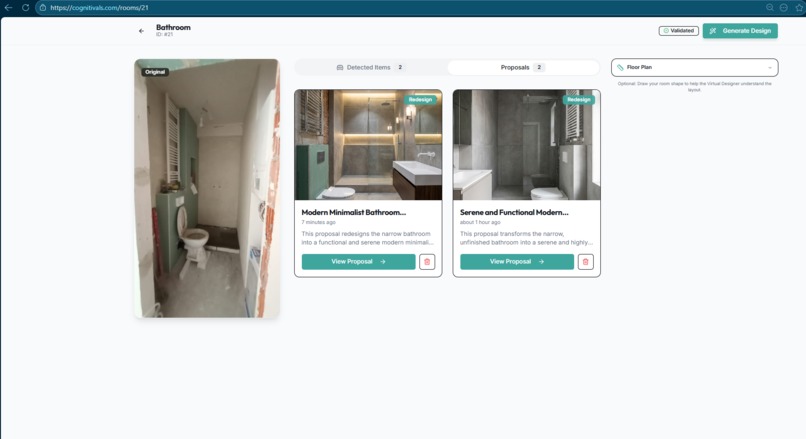
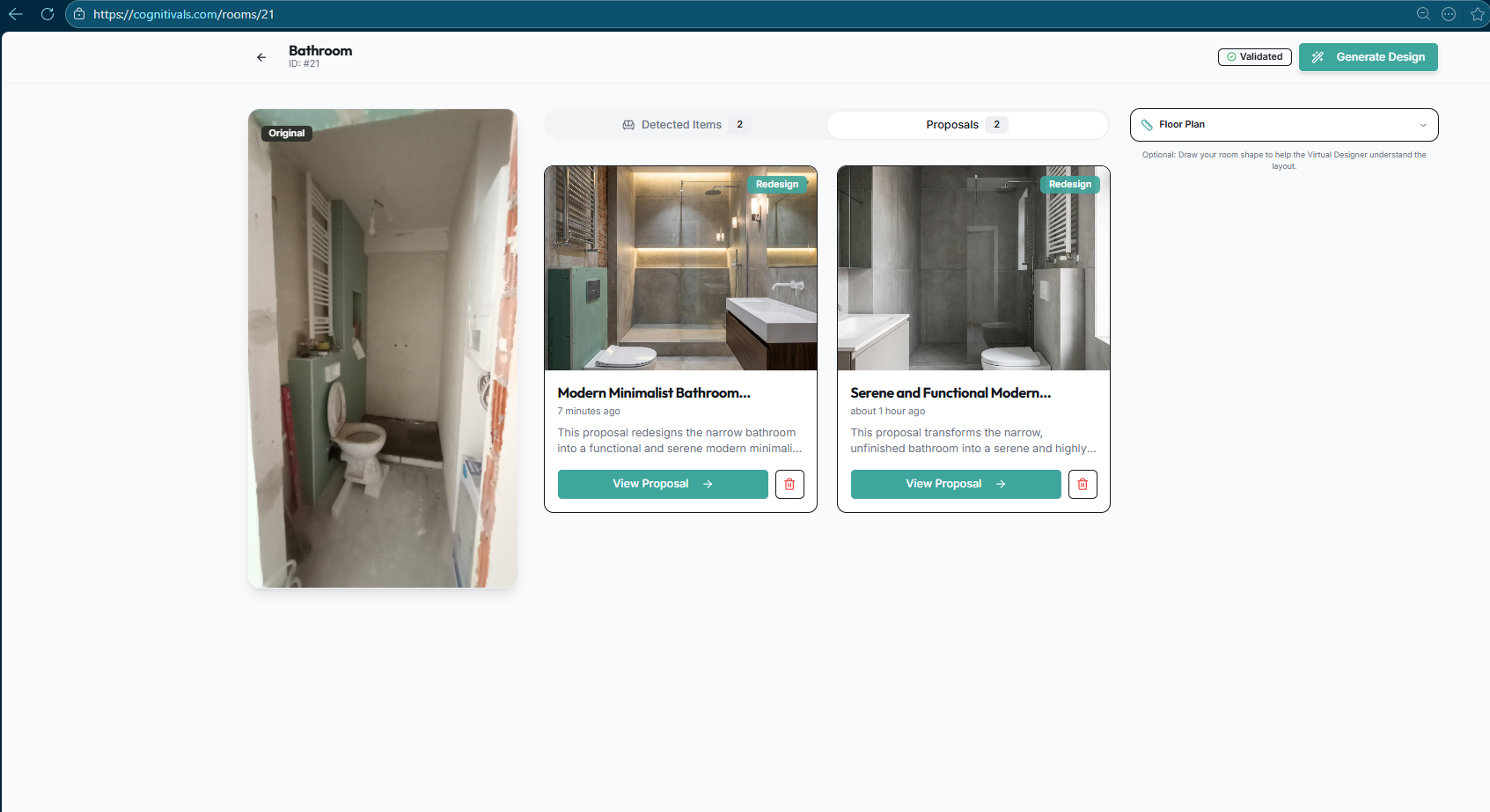
proposals from Spatia Gemini powered solution
Inspiration
The idea for Spatia came from a simple but universal frustration: designing or reorganizing a room is mentally exhausting. People often know something feels off, but they do not know where to start. Measuring space, imagining layouts, comparing furniture, checking budgets, and making sure everything fits together becomes overwhelming. As a result, many people postpone improving their space or settle for something that never truly feels right. Spatia was inspired by the question:
What if your space could understand your needs and rearrange itself without any effort from you?
What It Does
Spatia is an AI-powered personal space designer that removes the hassle from organizing and improving your room.
It:
- Scans your space using camera input (currently images only, with LiDAR and video support coming next)
- Understands room layout, dimensions, and existing furniture placement
- Detects clutter, lighting balance, and spatial flow
- Reorganizes the space based on your selected mood or purpose (styling)
- Suggests new furniture that fits your room, style, and budget, or intelligently rearranges the furniture you already own
- Performs online research using APIs from furniture providers, compares prices, and recommends the best options within your budget
- Provides visual previews of the proposed new layout
Instead of manually measuring, searching, and guessing, users receive a complete, ready-to-use design plan tailored to their space and constraints.
How We Built It
Spatia was designed as a modular, intelligent system that combines spatial understanding, AI reasoning, and human-centered design.
Room Capture
- LiDAR and camera-based scanning
- Depth estimation and spatial reconstruction
Scene Understanding
- Object and furniture recognition
- Zone detection such as work, rest, or storage
- Identification of clutter and unused space
AI Reasoning Layer
- Mood-based layout generation
- Ergonomic and lighting-aware logic
- Budget and space constraint handling
Recommendation Engine
- Furniture suggestions matched to room size
- Price comparison and availability
- Style consistency scoring
Visualization
- Before and after layouts
- Clear spatial zoning
- Easy-to-understand visual feedback
Challenges We Ran Into
- Translating human comfort into measurable design rules
- Avoiding overwhelming users with too many options
- Handling scale distortion from phone cameras
- Making furniture suggestions realistic and affordable
- Ensuring recommendations felt helpful rather than prescriptive
Accomplishments That We’re Proud Of
- Turning messy real rooms into structured, livable layouts
- Helping people to live in spaces that support mental health and emotional balance
- Bridging users and furniture providers seamlessly
- Removing decision fatigue from room design
- Creating layouts that respect both aesthetics and budget
- Building an experience that feels intuitive and human
- Producing results that users can act on immediately
What We Learned
- Most people struggle not with taste, but with decision overload
- Small spatial changes can greatly improve comfort and focus
- Budget awareness is just as important as visual appeal
- Users trust AI more when it explains the why behind decisions
- Good design is about clarity, not complexity
What’s Next for Spatia
- Real-time scanning and layout updates
- Budget sliders for smart furniture recommendations
- Mood presets like focus, chill, relax, or cozy
- AR previews
- Multi room and whole apartment optimization
- Learning personal style over time


Log in or sign up for Devpost to join the conversation.