-
-
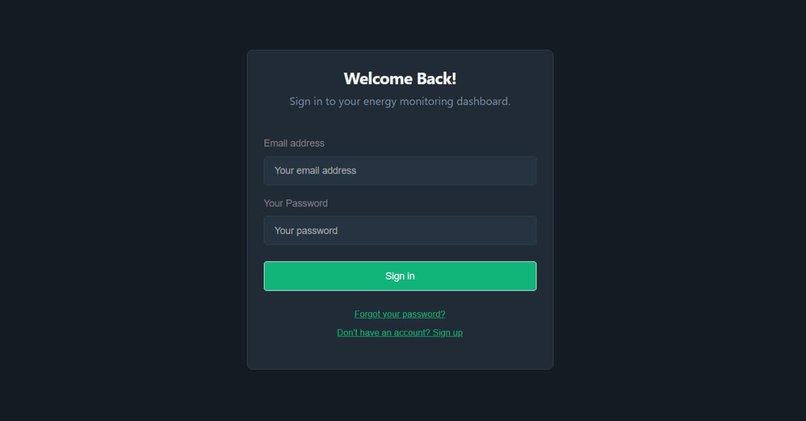
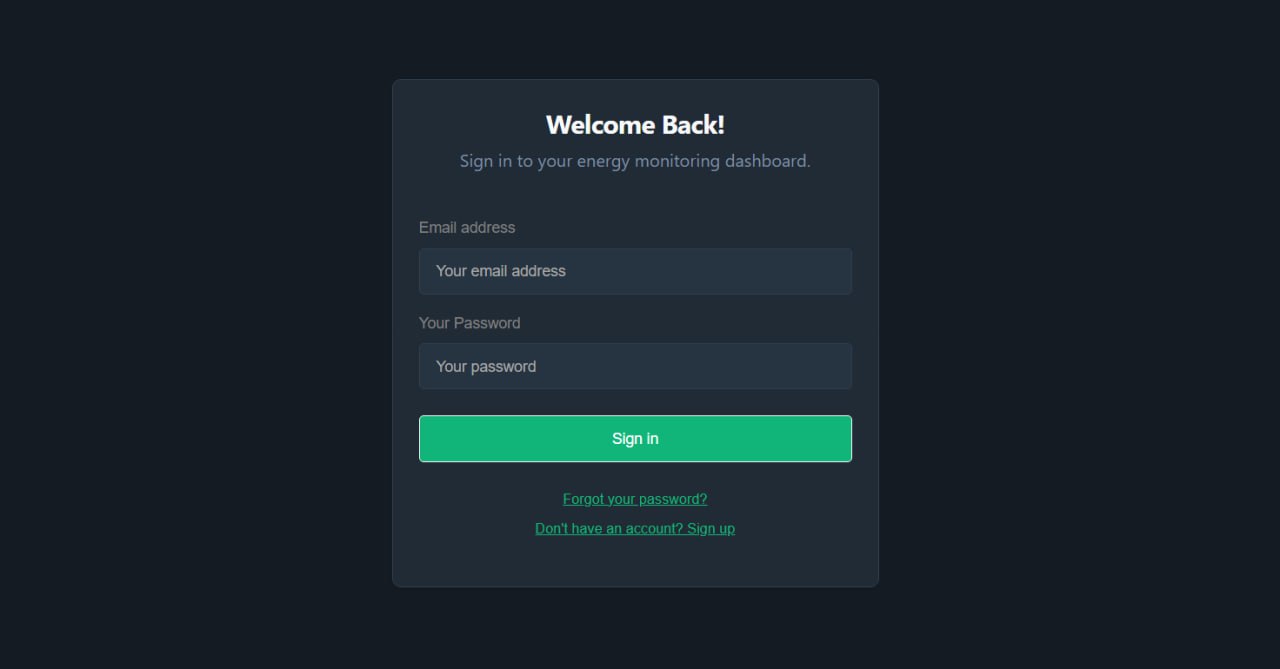
Secure entering point for authenticated users to access their SmartAutoMeter AI dashboard
-
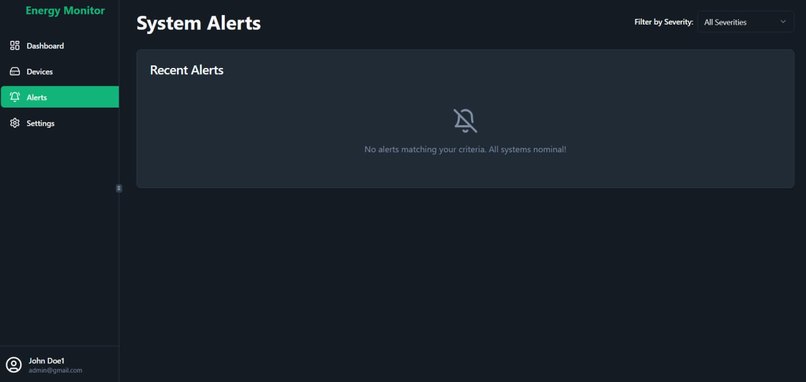
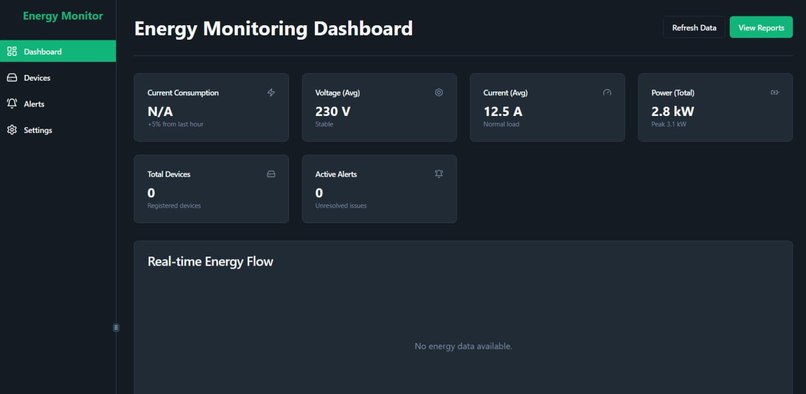
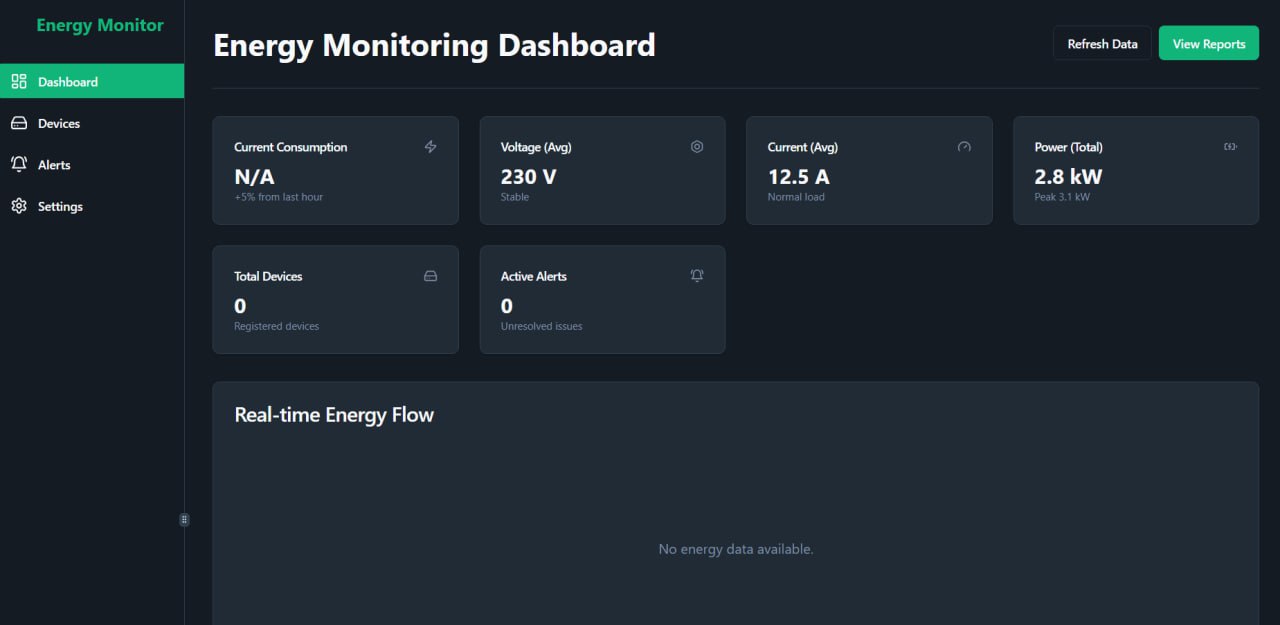
Live update on energy flow and system health Matrix
-
AI generated report with options to export as PDF or send as email
-
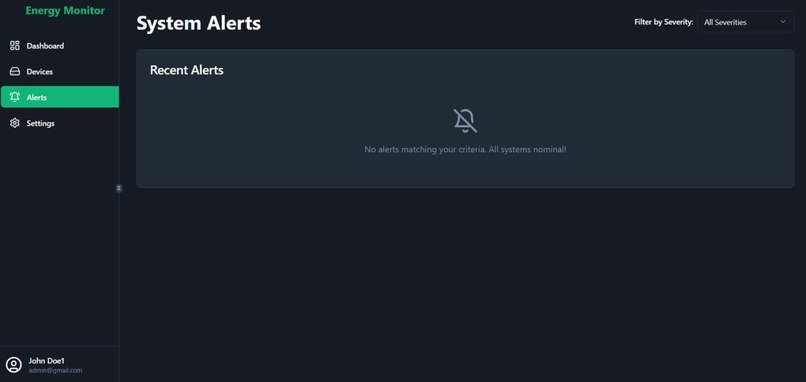
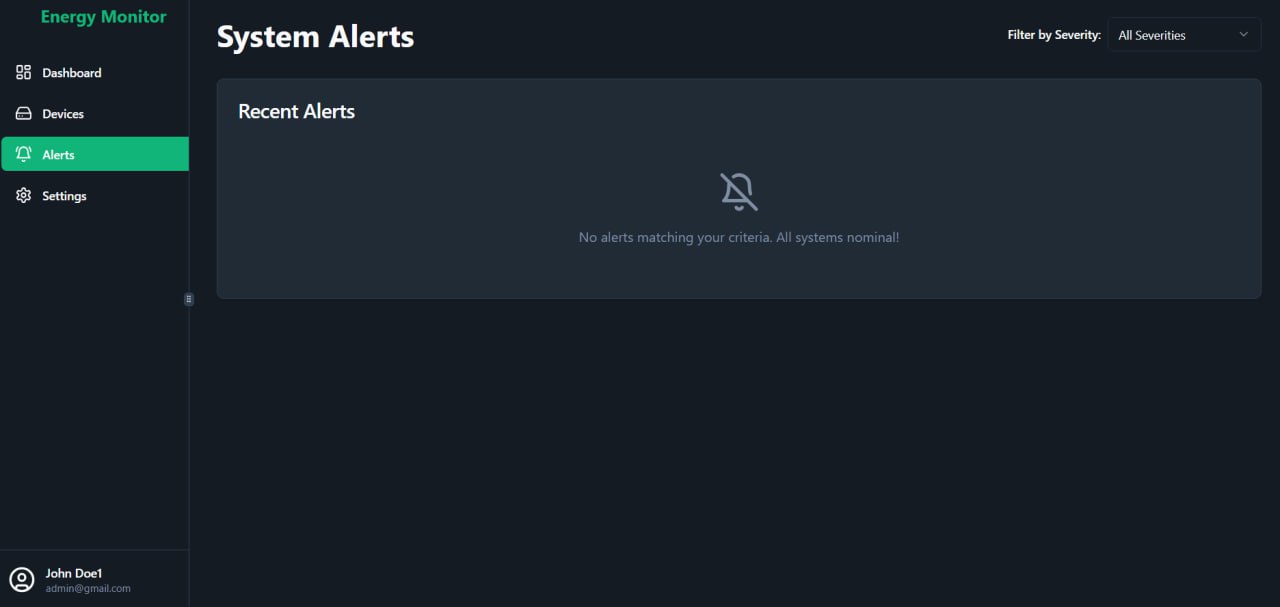
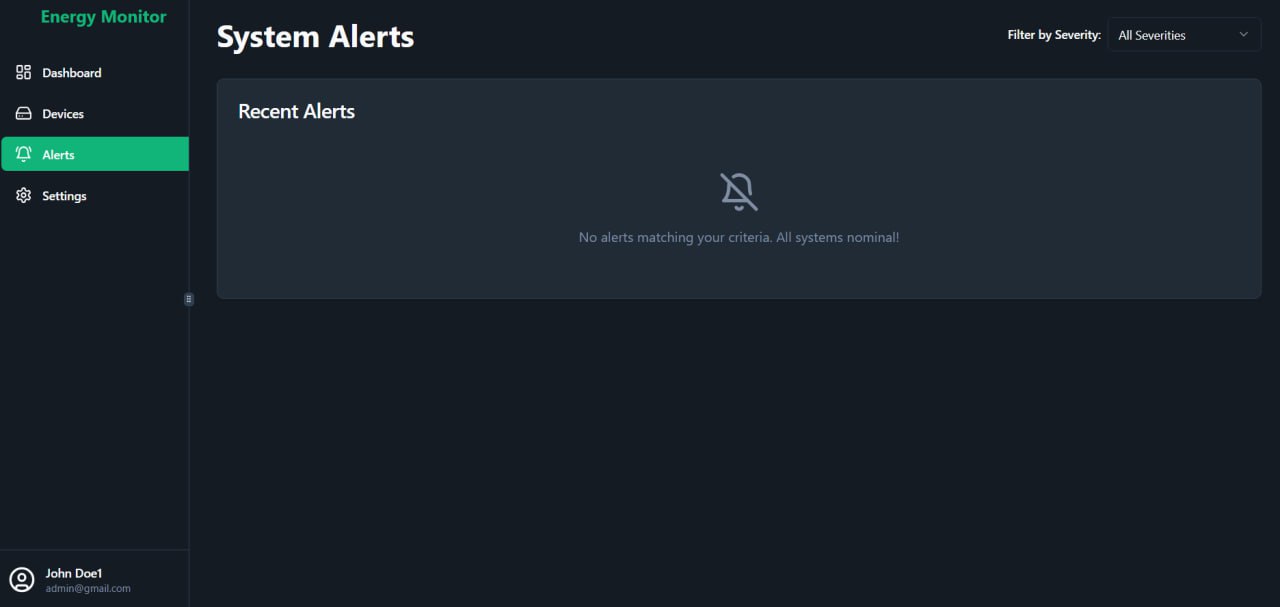
AI generated alerts to notify users of unusual tempering or sudden energy spike.
-
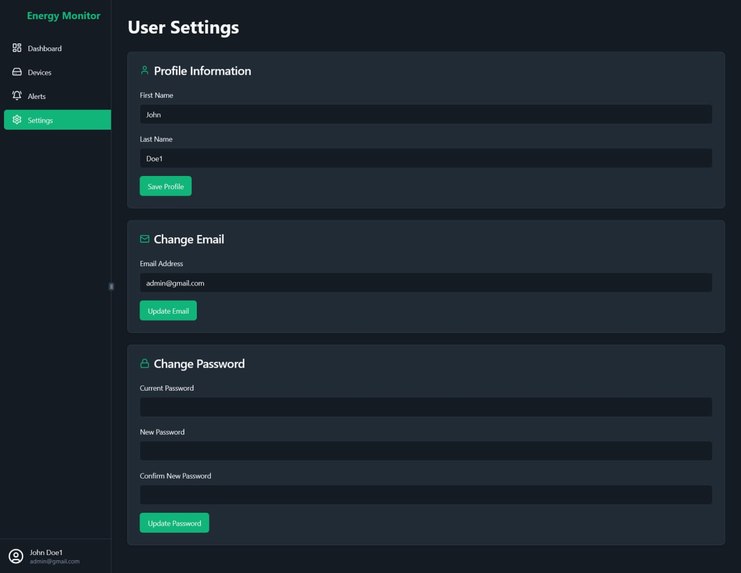
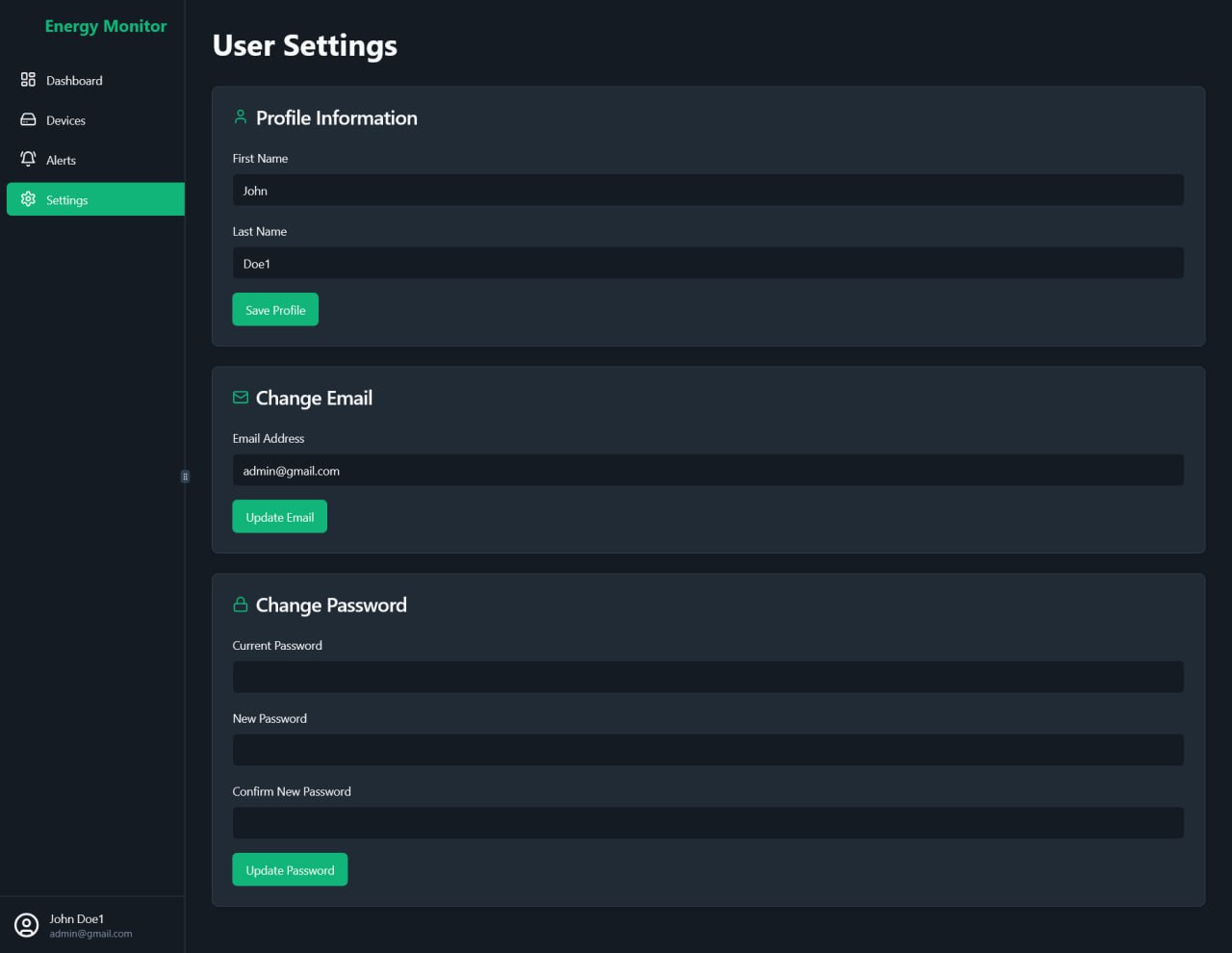
Personalized configuration panel for updating user profile meter preference and alert threshold.
🔍 What Inspired Us
Our project was inspired by the urgent need for transparent, real-time energy monitoring in resource-constrained environments such as rural communities or developing cities. In many of these areas, energy usage is often untracked, leading to loss, inefficiencies, and in some cases, exploitation. We asked ourselves: “What if we could simulate and visualize smart meter data without expensive hardware?” That question birthed SmartAutoMeter AI — a lightweight, smart energy tracking solution that works even without physical devices.
🛠️ What it does
SmartAutoMeter AI is a smart metering system that uses IoT and AI to track and analyze electricity usage in real time. It detects irregularities like energy theft or overload, sends alerts, and supports SMS-based reporting for low-connectivity areas. The goal is to make utility monitoring more transparent, fair, and accessible — especially in underserved communities.
🧠 What We Learned
This project helped us:
Understand how energy data is structured (voltage, current, power).
Simulate data flow realistically without real meters.
Work with FastAPI, Supabase, and GPT AI in a production-style environment.
Navigate challenges of working as a remote, multi-skill team.
🛠️ How We Built It
Python: Simulates meter data with time-based loops.
FastAPI: Accepts and processes incoming data through RESTful endpoints.
Supabase: Stores structured meter readings in the cloud (PostgreSQL).
GPT (AI): Analyses energy usage and generates email-style reports with summaries and flags.
Frontend UI (wireframed): A clean, modular dashboard for real-time stats and alerts.
Telegram/WhatsApp/Notion: Our remote collaboration tools.
⚠️ Challenges We Faced
Lack of real smart meter hardware — solved using simulated data scripts.
Working across different time zones and skills — required careful coordination.
Supabase configuration and managing UUIDs across devices/orgs.
Integrating AI meaningfully into a real-world simulation without making it “feel forced.”
Team bandwidth — most of us are juggling jobs/school while building this.
Accomplishments that we're proud of
We’re proud of how far we’ve come with just a simulation and a vision. The project is still evolving, and this MVP is a strong foundation for future IoT and AI-powered energy platforms.
What's next for SmartAutoMeter AI
We aim to expand SmartAutoMeter AI to cover water and gas, add mobile payments, and provide deeper insights with AI-powered forecasting. We're planning real-world pilot deployments and seeking partnerships to scale the impact across Africa.


Log in or sign up for Devpost to join the conversation.