-
-
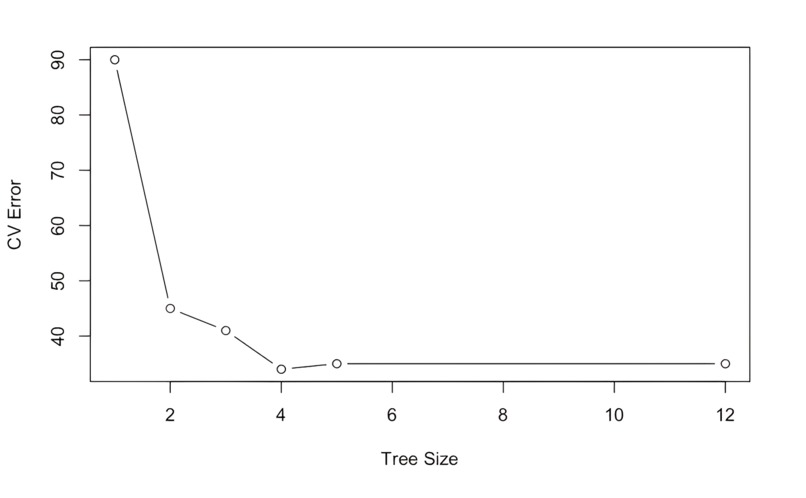
Graph
-
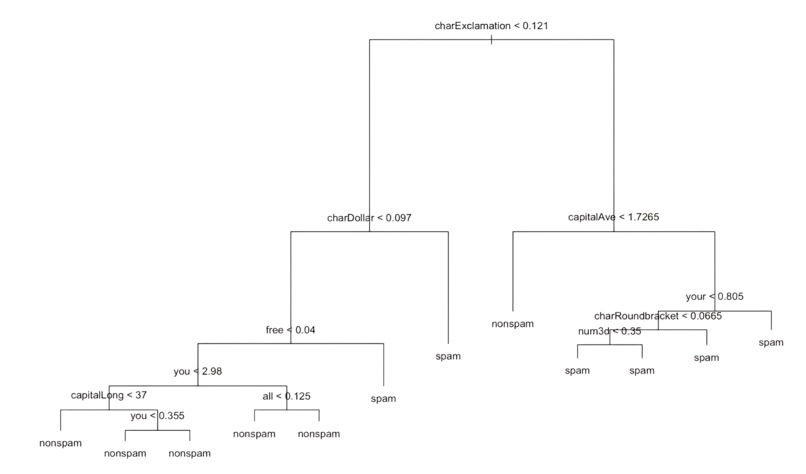
ML Decision Tree
Inspiration
As a college student, I receive a large number of emails every day, and I noticed that a significant portion of these emails were unsolicited spam messages. Sorting through all of these emails is time-consuming and aggravating, and I knew there had to be a better way. That's when I had the idea to build a spam email classifier. My inspiration for creating this project was to make the process of filtering out unwanted messages in my inbox easier. I also realized that many others were probably frustrated by the same issue and could benefit from a tool that could automate the process of identifying and removing spam emails.
What it does
The spam email classifier is a machine-learning model that uses classifier techniques to analyze the content of incoming emails and determine whether they are spam or not. The model is well-trained.
How we built it
To build the classifier, I used Python and various libraries such as SciKit-Learn, Pandas, and NumPy.
Challenges we ran into
One of the most difficult tasks was compiling and labeling a large enough dataset of emails to train the model. Another difficulty was fine-tuning the model to correctly classify emails with various types of spam content.
Accomplishments that we're proud of
I'm proud of what I've accomplished with this project. The spam email classifier can now identify and filter out spam messages, saving me and others time and lowering the risk of falling victim to phishing or other types of email scams.
What we learned
Through this project gained valuable experience working at MorganHacks.
What's next for Spam Email Classifier
In the future, I intend to continue improving the spam email classifier by incorporating more advanced techniques and expanding the dataset to improve accuracy.

Log in or sign up for Devpost to join the conversation.