Inspiration
I was inspired to make this after beginning work on my feature film, SPACEWALKER, in Unreal Engine. I needed a way to record zero-gravity motion capture for it and thought a VR version which solved the body based on hand traversal would not only be a cool experience, but would provide me with animation for my film. And it worked.
What it does
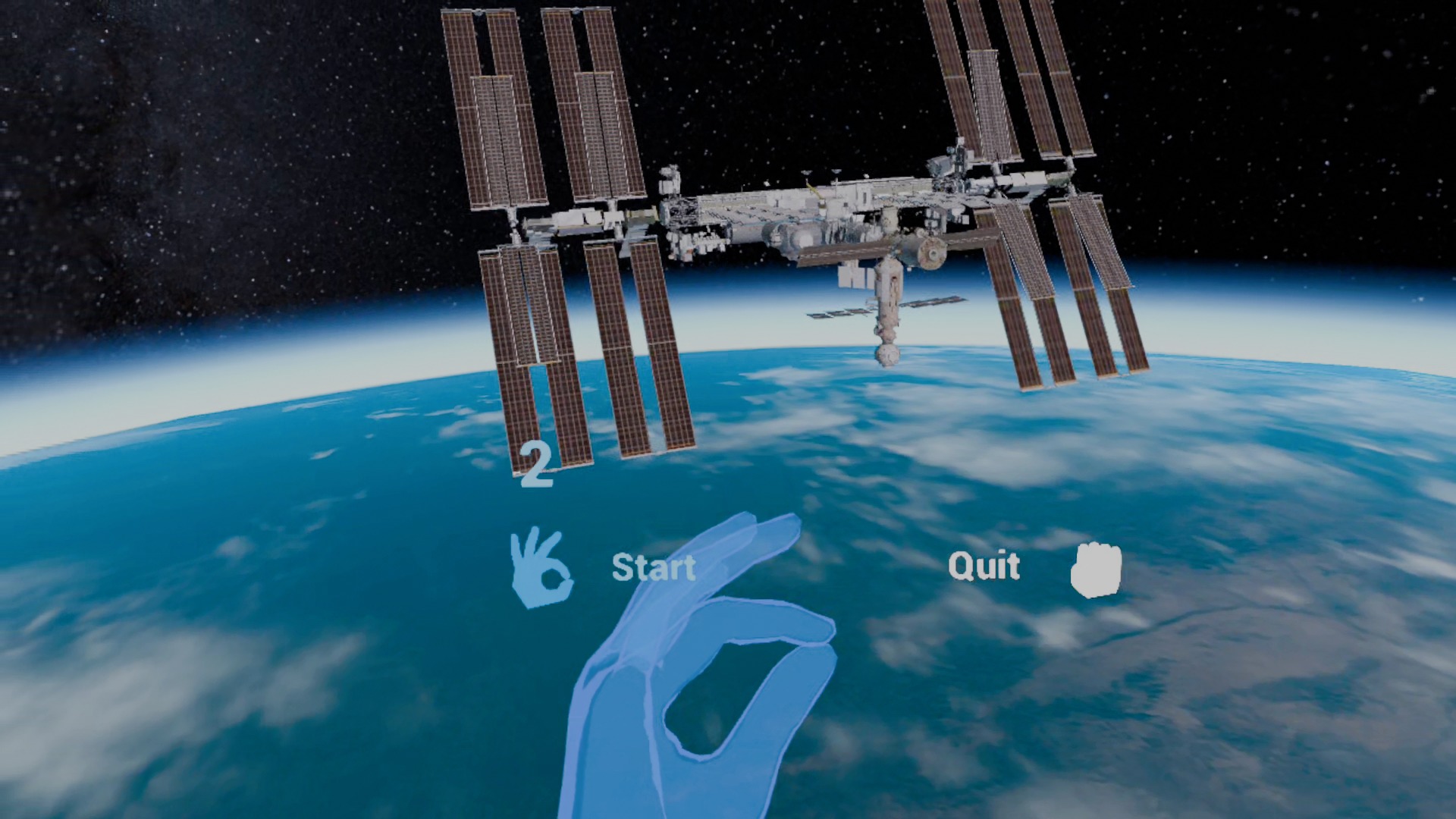
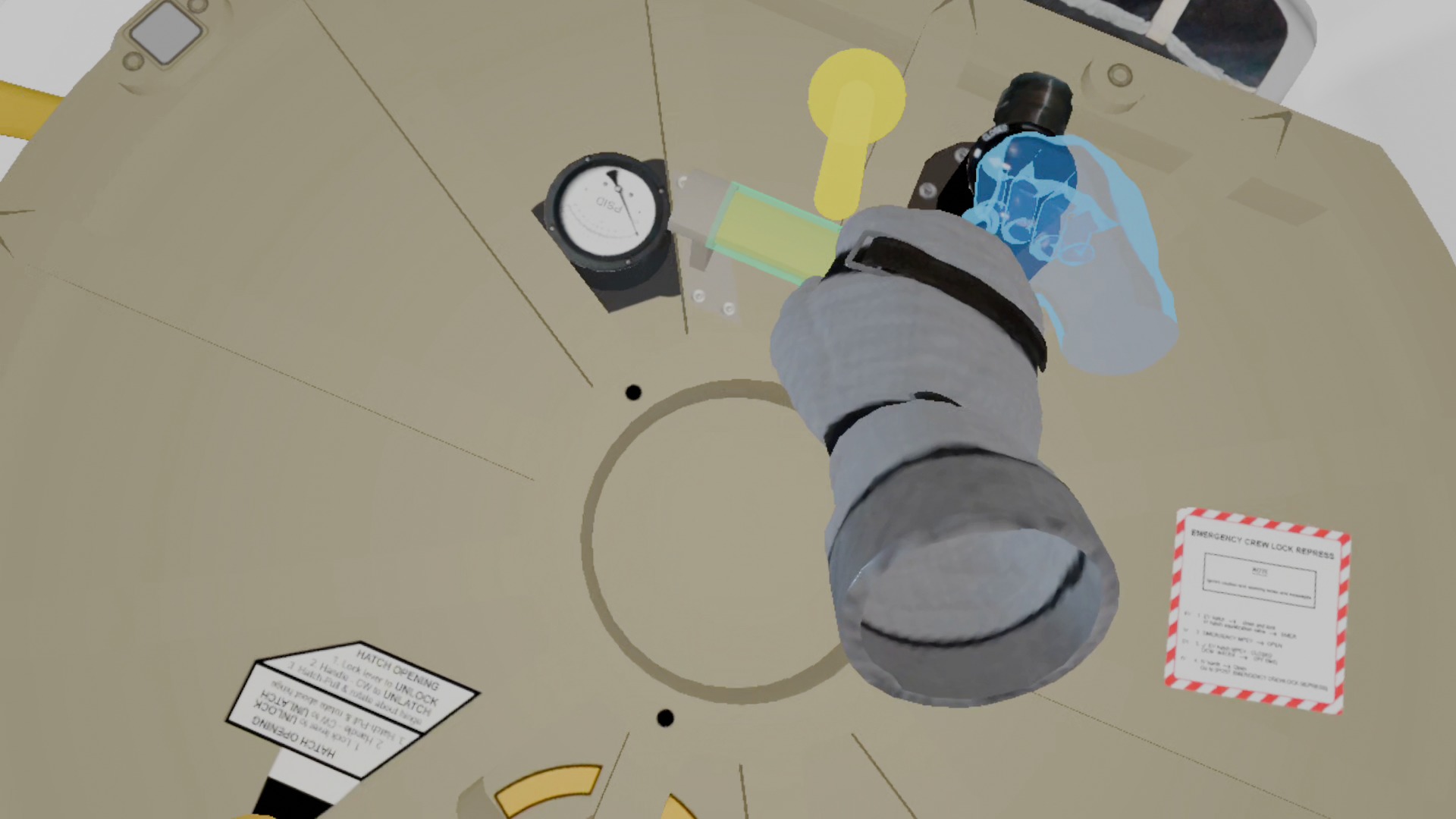
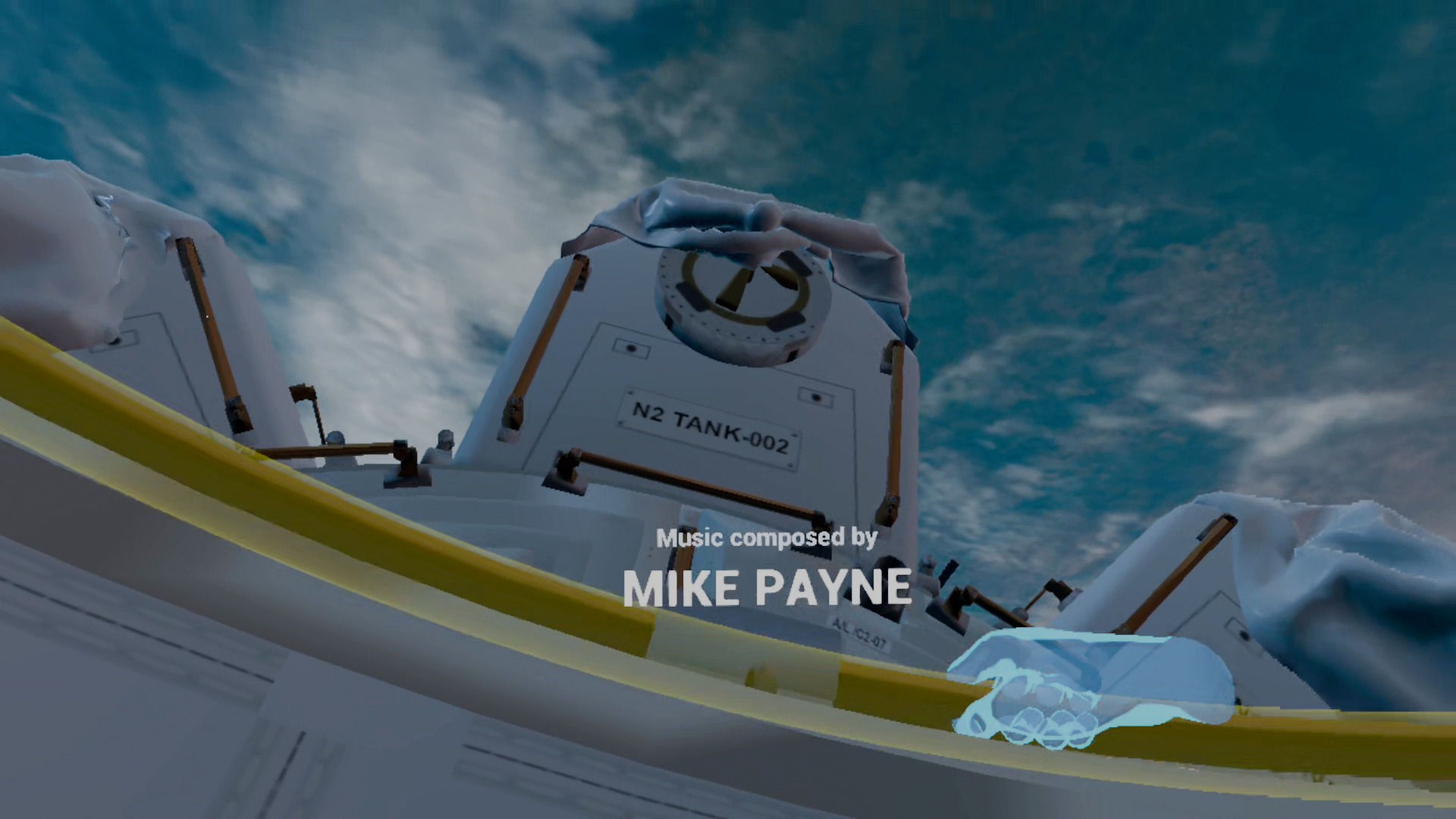
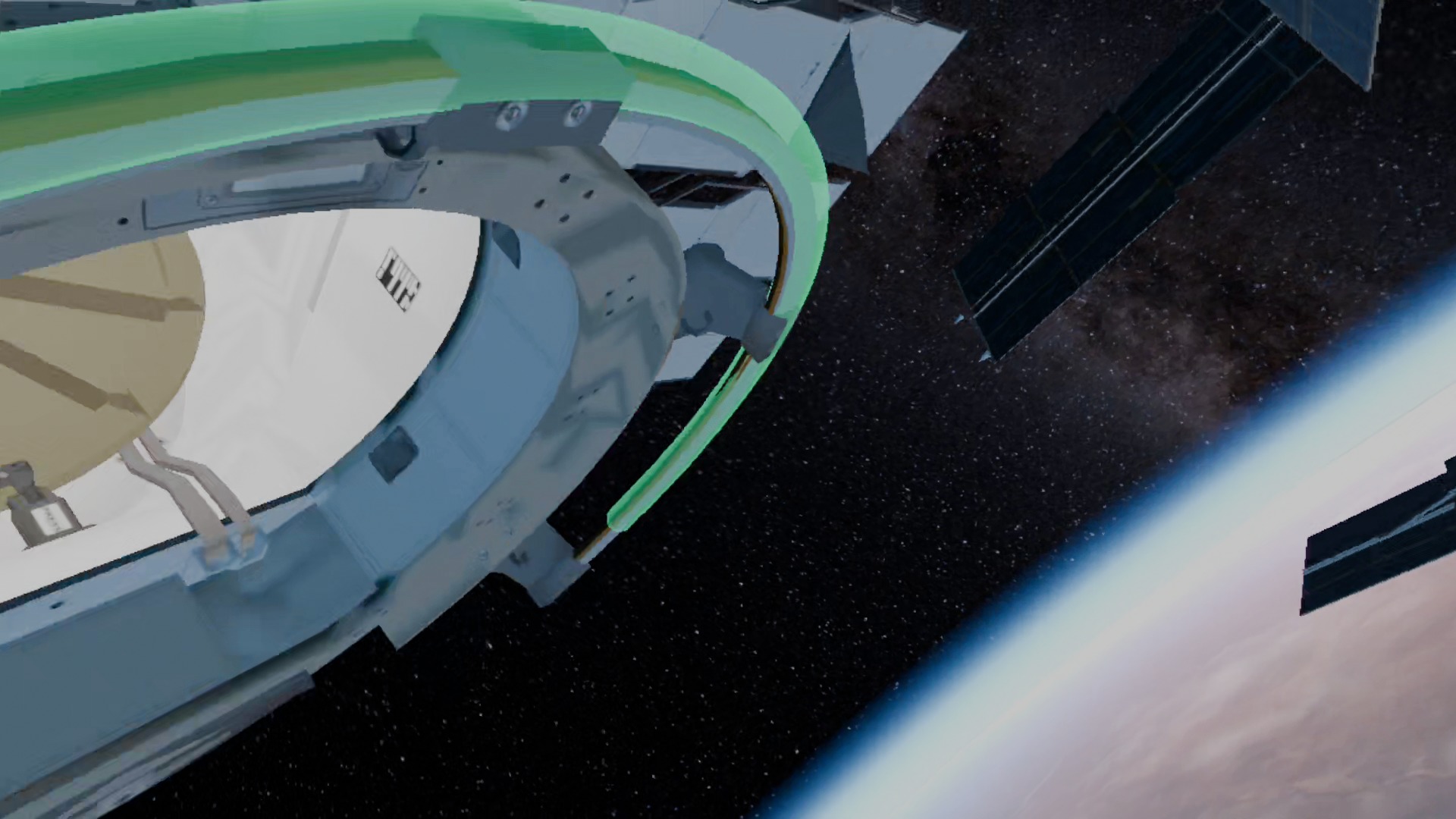
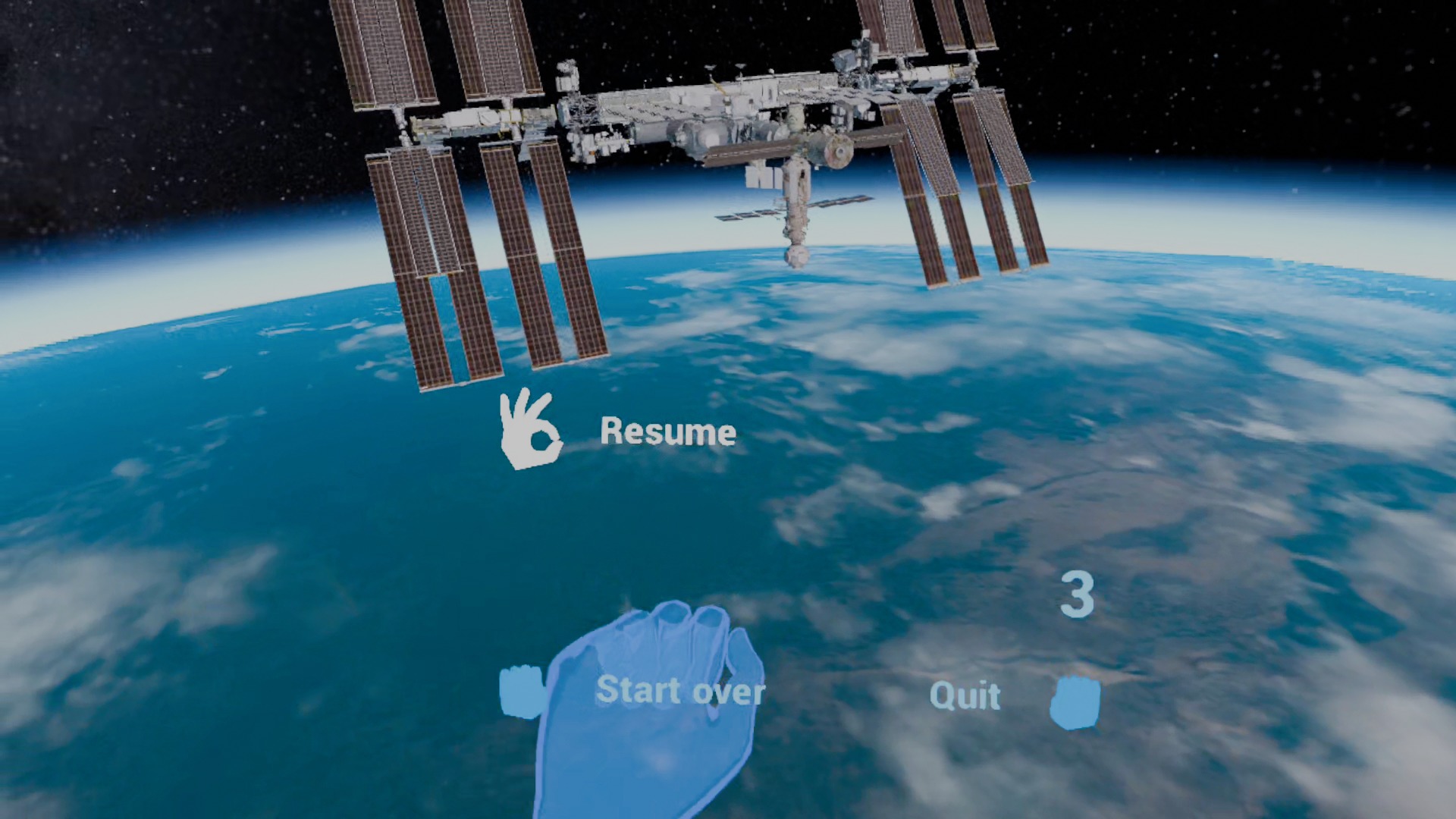
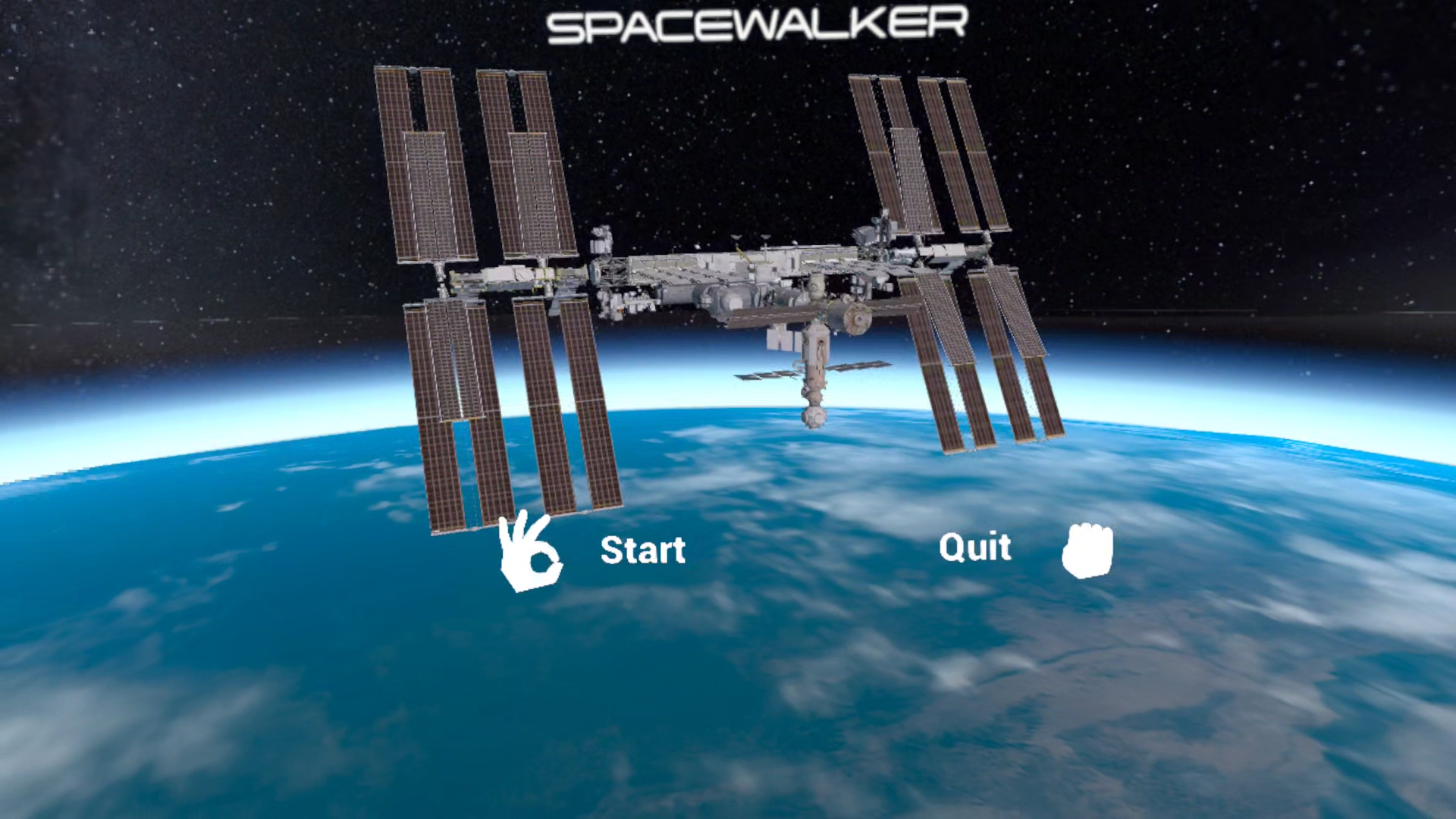
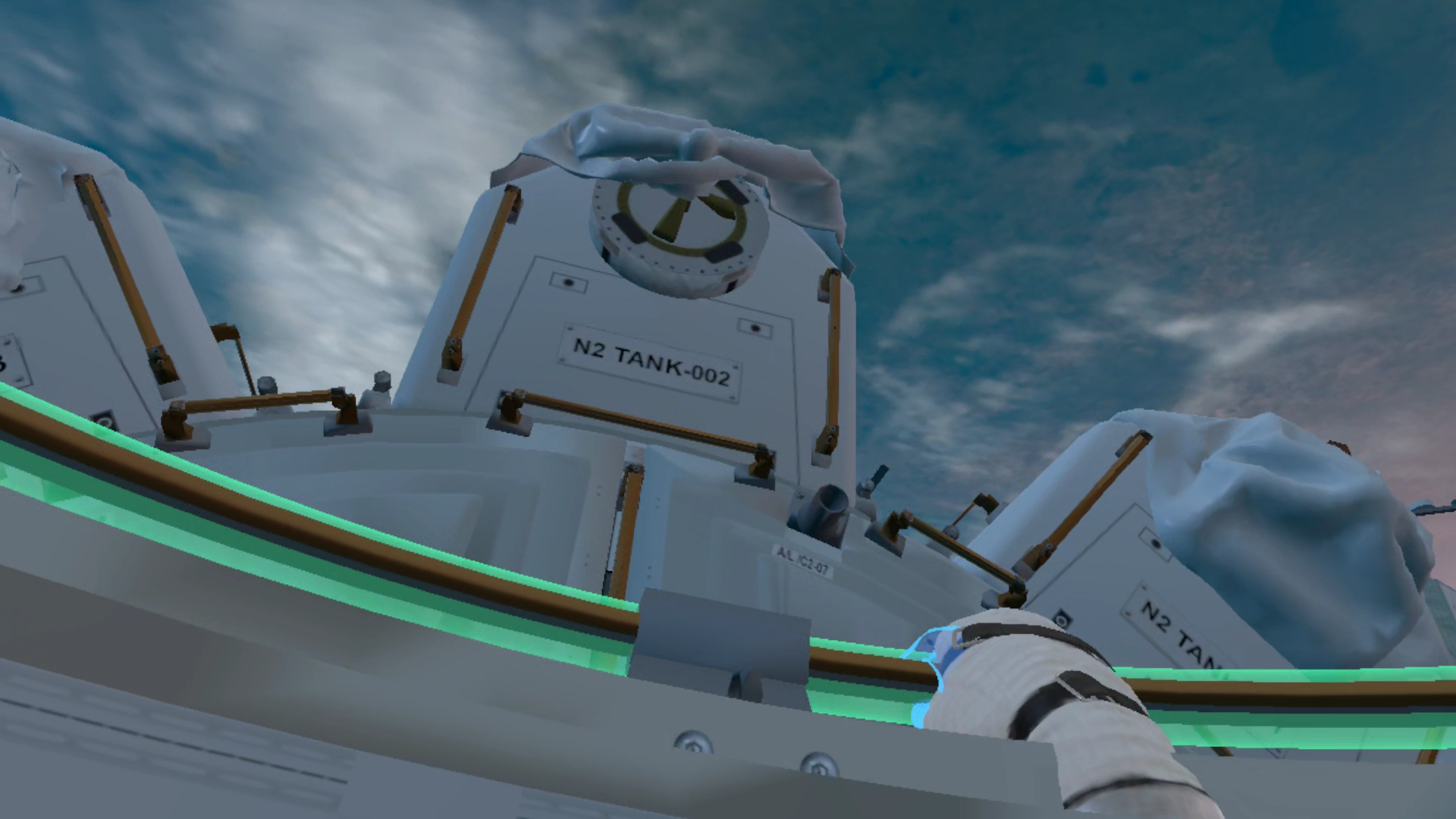
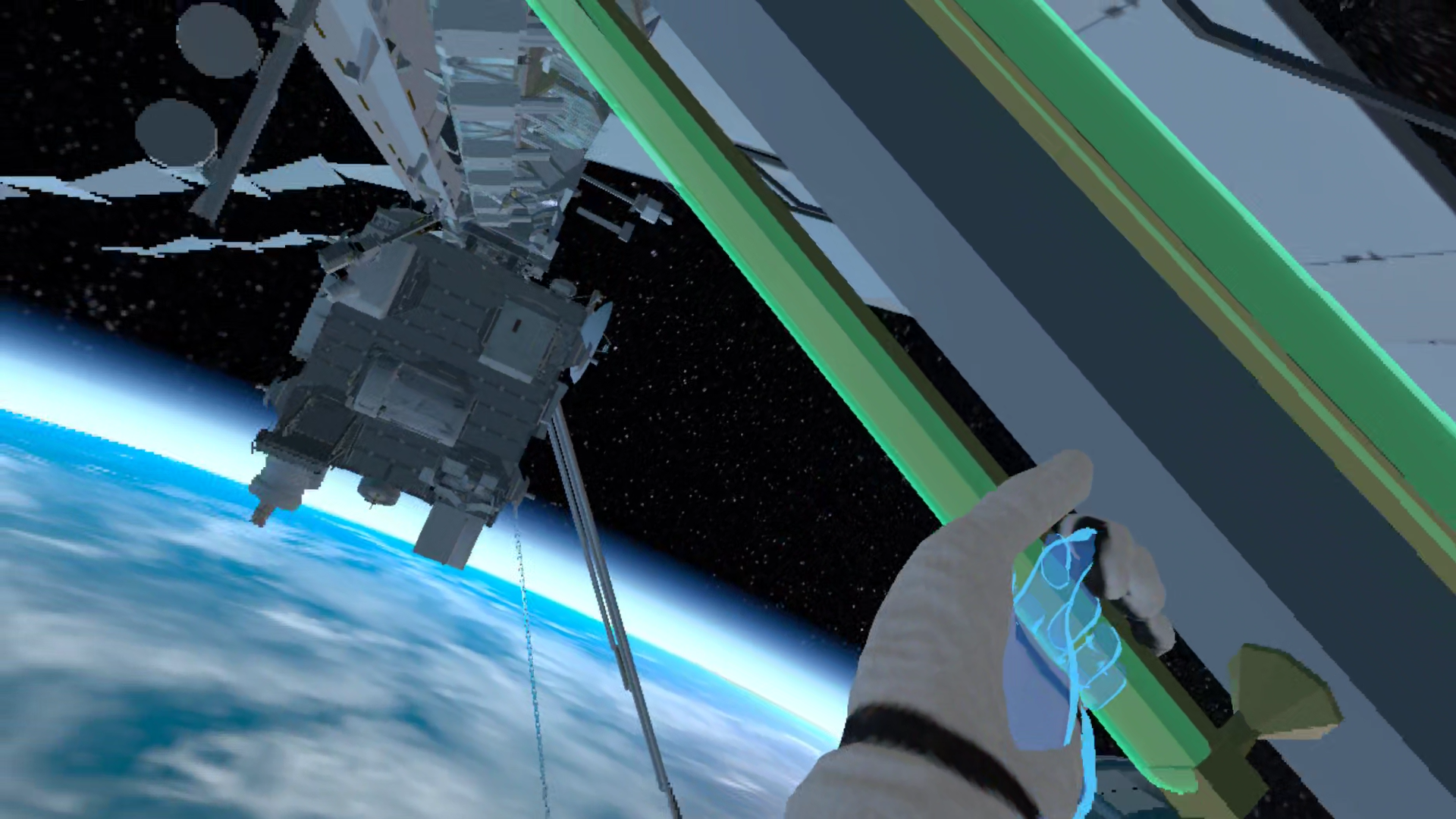
SPACEWALKER delivers a well-researched, realistic spacewalking experience, from opening the airlock hatch to collecting basic equipment from stowage across the International Space Station. Spacewalking is naturally a hands-first method of travel, and I’d just started developing a version using the Meta Quest controllers when I saw the Start Developer competition on a funding email. I thought it would be a good challenge to make it work with just hands, then.
How we built it
The game is built in Unreal Engine 5.7, since that was what the movie version was being built in. As a solo creator and filmmaker who did some programming in the distant past, being able to use agentic AI to actually do the code and build out the systems bit by bit was a real help. I started with a simple cube and spheres for hands, operating it with a game controller, before moving into full 3D and then into VR. The whole process has been a little over six weeks from initial wireframe prototype, although I was able to use some assets I had already acquired for the movie version I am developing concurrently.
Challenges we ran into
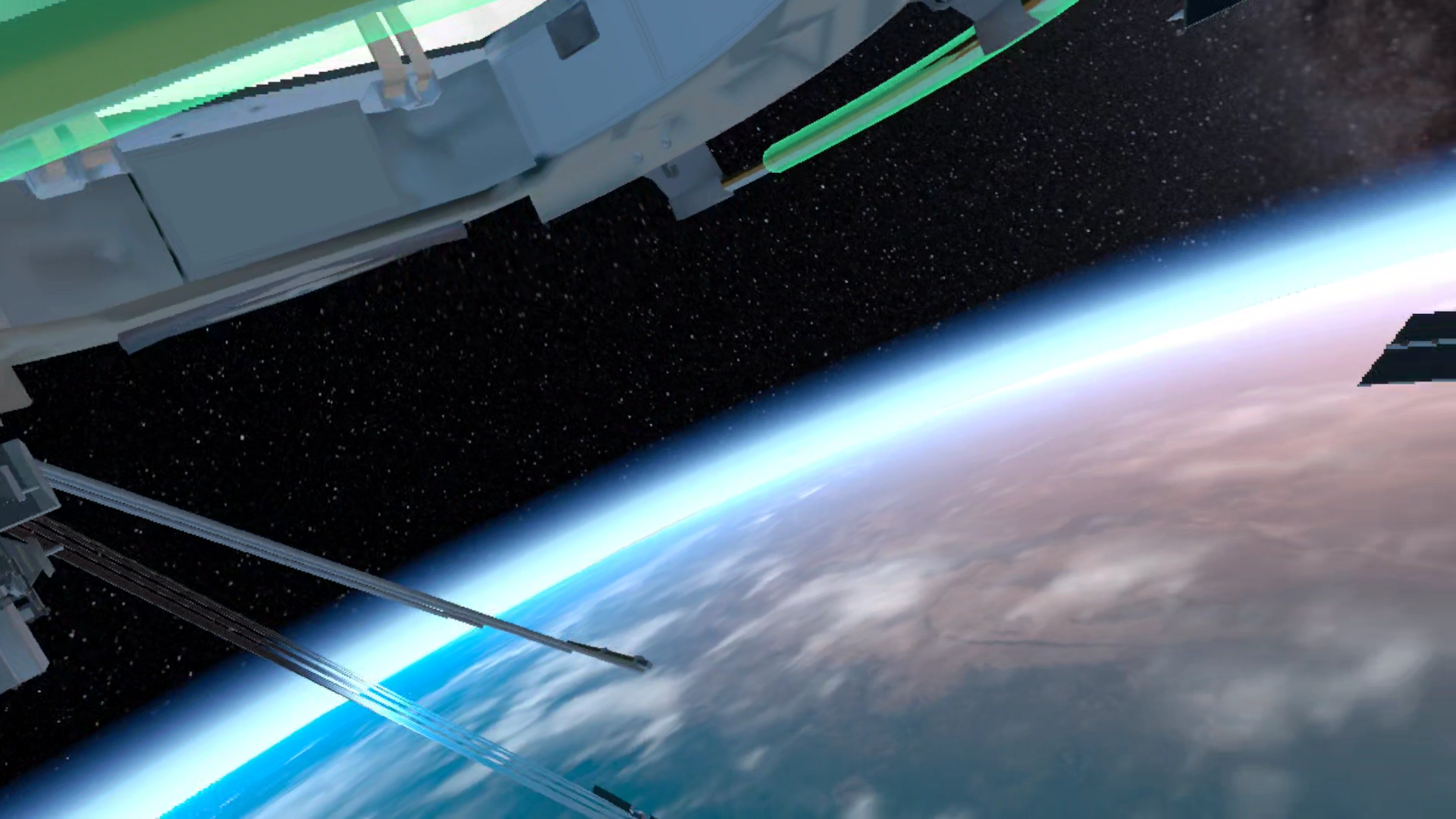
Many of the assets are designed to run on high-end GPUs to deliver photoreal VFX for the movie version; so they were fine until they needed to go on a headset. Having the entire Earth and clouds at any respectable level of detail was simply too much, so I decided to limit it to a specific area, and did the same with the clouds; and then finally cheated the atmosphere. I had to lose the extremely dramatic day/night transitions that will be in the movie. The main challenge in terms of the hands as opposed to controllers is simply that the headset knows where a controller is when it’s not in view; so as soon as a hand leaves view I had the game “guess” what it was doing. Sort of a Schrodinger’s hand situation – it’s simultaneously still attached to the handrail it was on when it left our view, but once the other hand has attached it might actually be free again – we won’t know until it enters view or until the view turns to look.
Accomplishments that we're proud of
As a filmmaker first, the development of a complete immersive experience with dialogue and music, with cues timed for dramatic effect, but maintaining complete immersion and interactivity is a combination of everything I love about films and gaming technology and why I do what I do, at the intersection of them both.
What we learned
Hands-only seems a lot harder to develop for than the controllers. I haven’t had chance to look at how the motion capture compares, but hopefully it has more nuance. I hadn’t considered VR as an avenue to explore for myself as a storyteller but I think the main thing I’ve learned is – it is worth exploring, and I’m excited to do that.
What's next for Spacewalker
Target launch 2028, to coincide with the film's release. I’d like to be able to talk to former astronauts and get some interesting (and real!) challenges to put players through – translating across the station to fix a leak is the situation in the movie but there are countless others. Adding the Canadarm and things like that will be a thrill too. Quest 3 and 3S support once I can test on those headsets.
Built With
- c++
- claude
- oculus-gear-vr
- openxr
- unreal-engine
