-
-
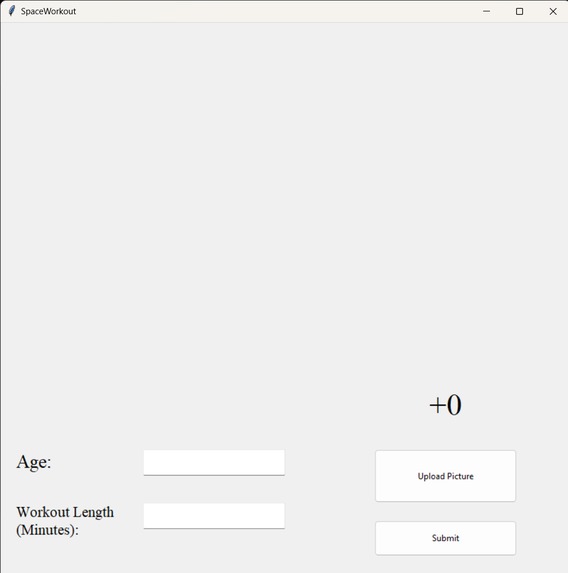
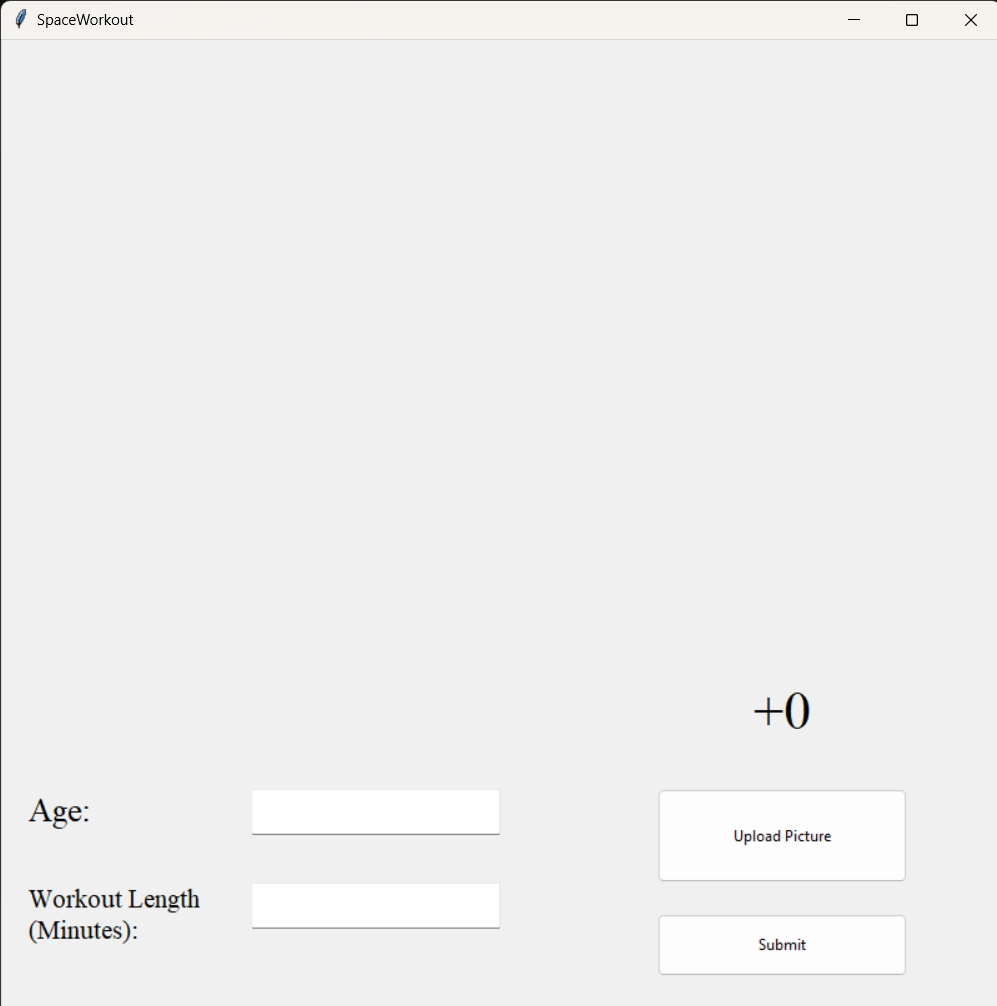
User GUI as developped and seen on the py executable
-
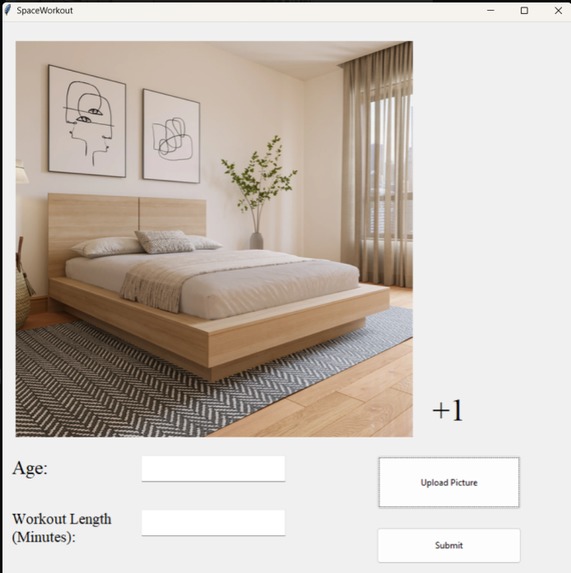
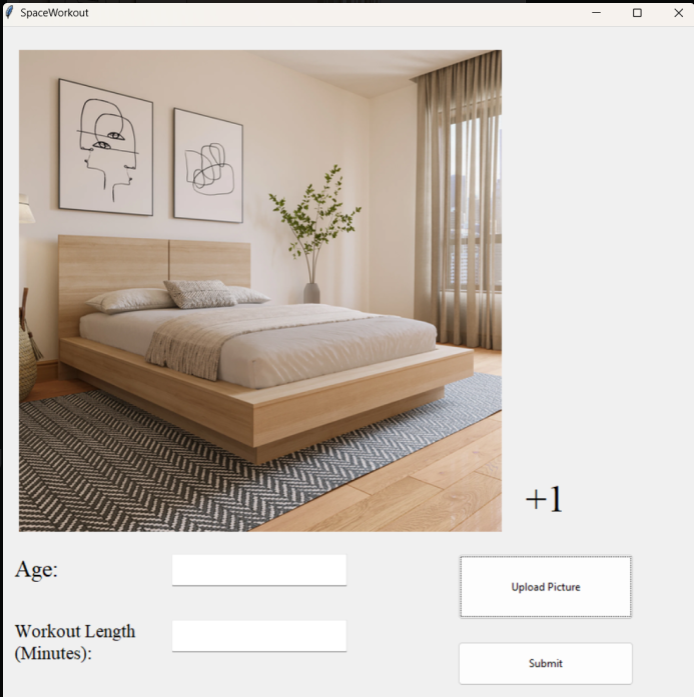
The user inputs a possible surrounding element
-
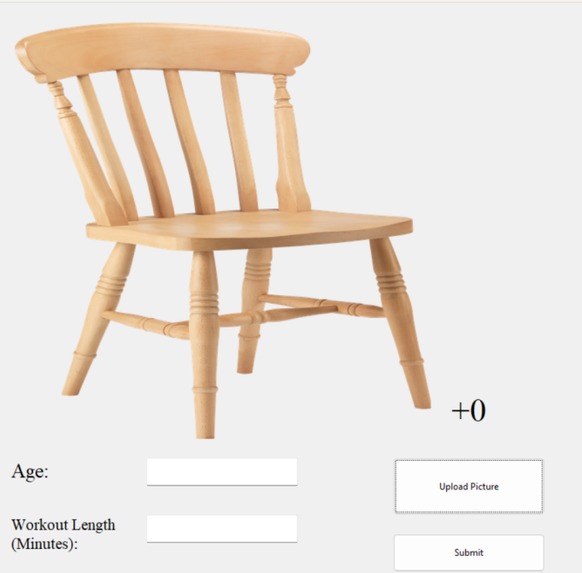
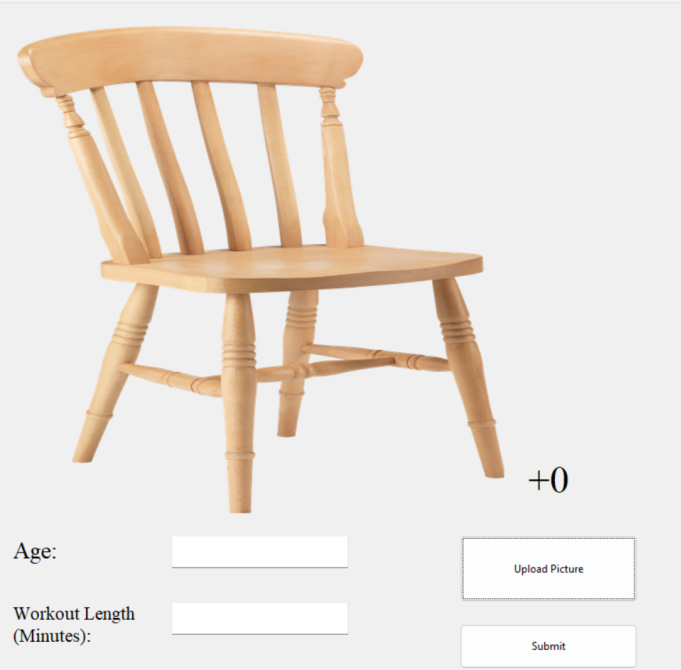
Another test case for what the user might input
-
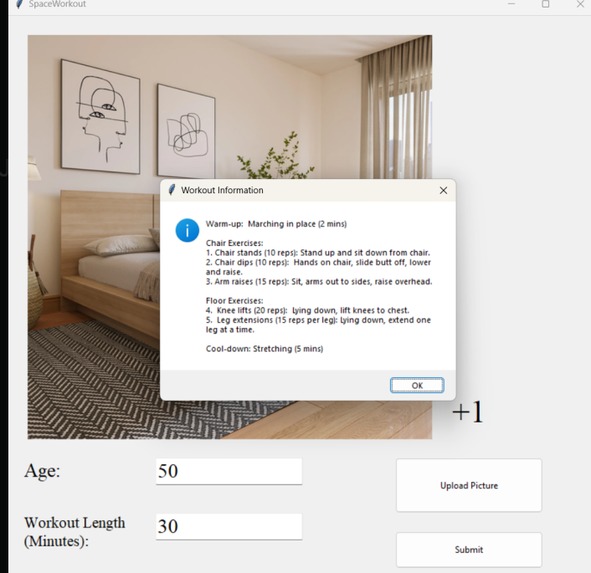
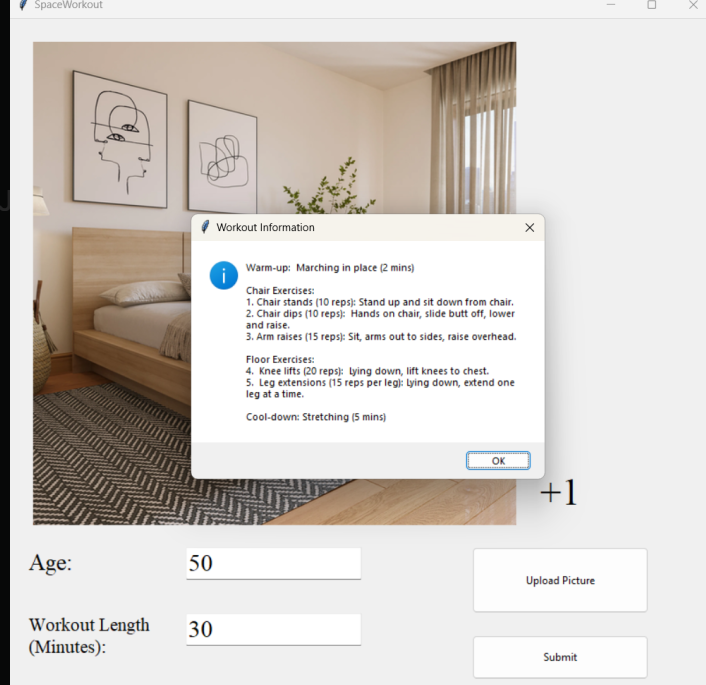
After processing user inputs, the gemini AI outputs a tailored workout plan
Inspiration
Working out in new environments is challenging, and no one-size-fits-all program works for every age and lifestyle. Inspired by this, we built an AI-powered app to support the UN’s 3rd Sustainable Development Goal—helping users improve their health.
From personal experience, I struggled to maintain my workouts while traveling with my father outside Canada, lacking the equipment I relied on. This challenge taught me the importance of adapting workouts to available surroundings—an insight that shaped our AI-driven solution.
Problem Statement
Many individuals struggle to maintain a consistent fitness routine due to time constraints, limited access to gyms or specialized equipment, and the high cost of personal trainers. Traditional workout programs often require specific equipment or locations, making them inaccessible for people with busy schedules, limited resources, or those who prefer exercising in the comfort of their own homes. This lack of accessibility contributes to a broader societal challenge: a decline in physical activity. A sedentary lifestyle is linked to numerous health issues, including increased risk of cardiovascular disease, type 2 diabetes, obesity, certain cancers, and mental health conditions like depression and anxiety. Conversely, regular physical activity offers significant benefits, including improved cardiovascular health, weight management, stronger bones and muscles, increased energy levels, and enhanced mood and cognitive function. Prioritizing a healthier lifestyle through exercise not only improves physical well-being and a higher quality of life. Despite the well-documented benefits of exercise, many people struggle to incorporate it into their daily routines. Furthermore, generic workout routines can be ineffective or even lead to injury if they are not tailored to an individual's fitness level, available space, and personal preferences. There is a need for a convenient, affordable, and personalized fitness solution that empowers individuals to achieve their fitness goals using readily available objects in their surroundings, regardless of their location or access to traditional fitness facilities, thereby promoting a healthier and more fulfilling lifestyle.
What it does
Our app uses Gemini AI to generate personalized workout plans based on the user’s age, desired intensity, and available surroundings (analyzed through uploaded images).
Age influences the workout type—older users get more mobility and stretching exercises, while younger users focus more on cardio and strength training. Every plan includes warm-ups and cool-downs to ensure a safe, well-rounded workout experience.
How we built it
We use a library for local GUI written in python and implemented the intended user interface for the next stage of app development where the concept for the app is fully developed logically.
The Google API allows the parameters from the user to be processed and recognize the items from the images which are then fed into a prompt to generate the workout program.
This project started out using Firebase to make a web app, but we spent most of our time struggling to understand HTML and JavaScript, and considering the complex interactions that exist between them in a web app, it was very difficult to make sense of, test, or develop new code without the help of AI. After sinking a lot of time into it, we eventually just scrapped the idea of using Firebase altogether because it was too difficult to make work, and we wanted to shift to developing the product in Java. The problem with Java is that it was difficult to make the AI API work, so we settled for using Pythons Tkinter library for the GUI, and using the AI API in Python is well documented, so it was rather easy, but we started out with very little time left that night.
Challenges we ran into
In developing the app, we ran into an issue when writing the cloud functions for Firebase which were linked to the database used to collect user data. In resolving the frontend, we spent several hours figuring out a solution and talking with mentors to resolve the issue, and we lost valuable time. This conflict proved hard to resolve and resulted in changing our focus to the backend development where we improved the responsiveness of Gemini towards user input, and eventually shifting languages altogether.
Accomplishments that we're proud of
We made the user GUI simple to follow and the user gets a personalized plan in less than 2 seconds, a solution that we have found to have a perfect implementation for our app.
What we learned
In developing the front end, have greater team involvement in overcoming challenges and investing greater time allocation towards being familiar with the firebase environment. In dealing with a project, newer environment shouldn't come without a realistic path towards finding your solutions as the complexities of front-end development piled on during our hackathon experience. For our back-end development process, we learned that we could have had branching functionalities to make the user experience have greater engagement where we missed out on the functionality of using AI as a chatbot. We also learned that it is difficult to learn too many new technologies at once, and trying to get Firebase to work, learn HTML, and learn JavaScript was just not feasible for one day of work and resulted in a lot of time wasted not getting much done. Instead we should have only focused on one new technology, if we understood all the components we would build around it. We also learned it's essential to have a good plan and to do it well in advance before any actual work is done, as this can help us better identify the scope for the project, as well as outlining exactly what work needs to be done. Most of our time was wasted figuring out what needed to be done or trying to do something that was beyond our capabilities, a better plan at the start would have mitigated a lot of the trouble and improved our work by a lot.
What's next for SPACEWORKOUT
Next, we would develop the mobile app for user details, including more specific parameters to use AI-powered generative capabilities to a greater extent. In our app experience, we planned on utilizing chatbots to engage the user in asking questions, which on top of the parameters provided by the user, can help personalize the workout program. With this app experience, we would expect to help users in establishing exercising habits to improve their lifestyle!

Log in or sign up for Devpost to join the conversation.