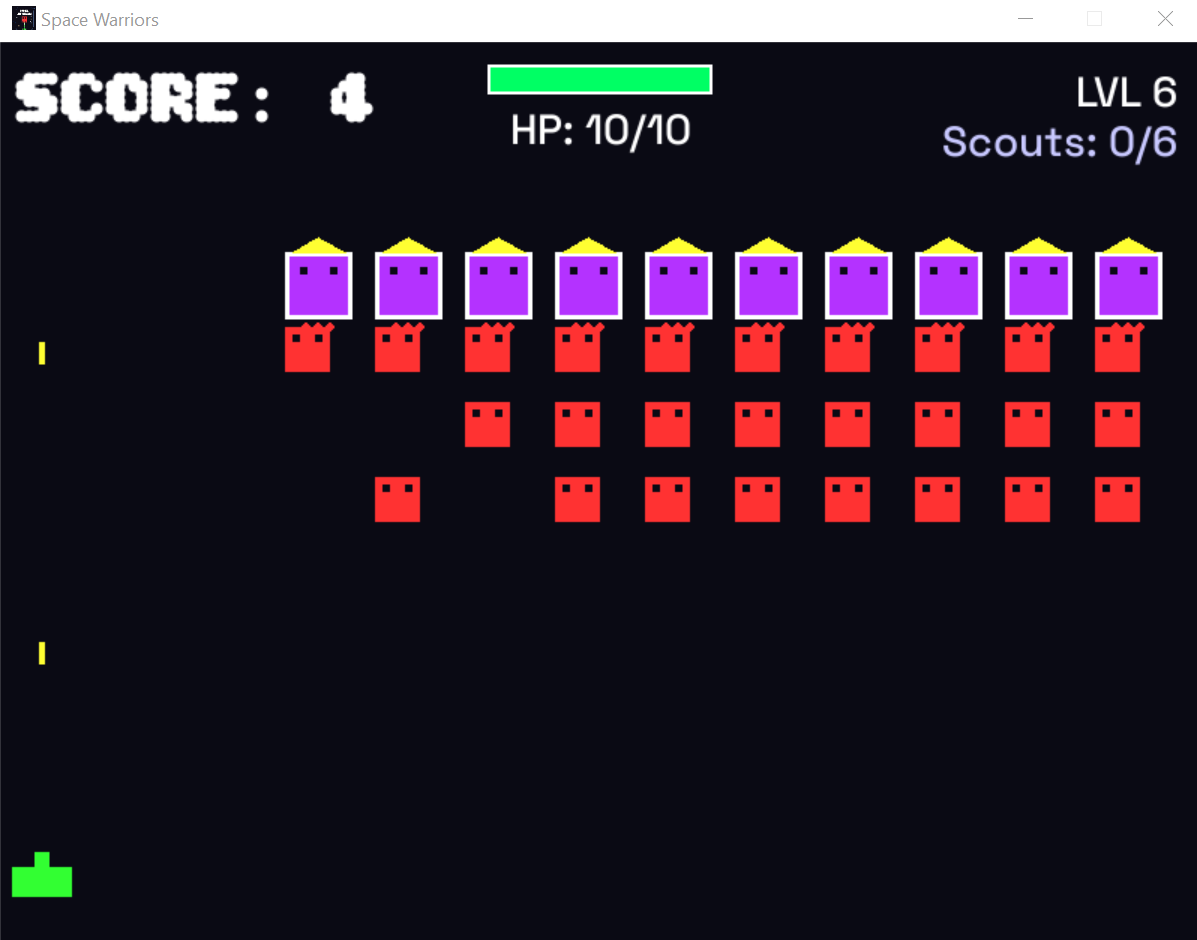
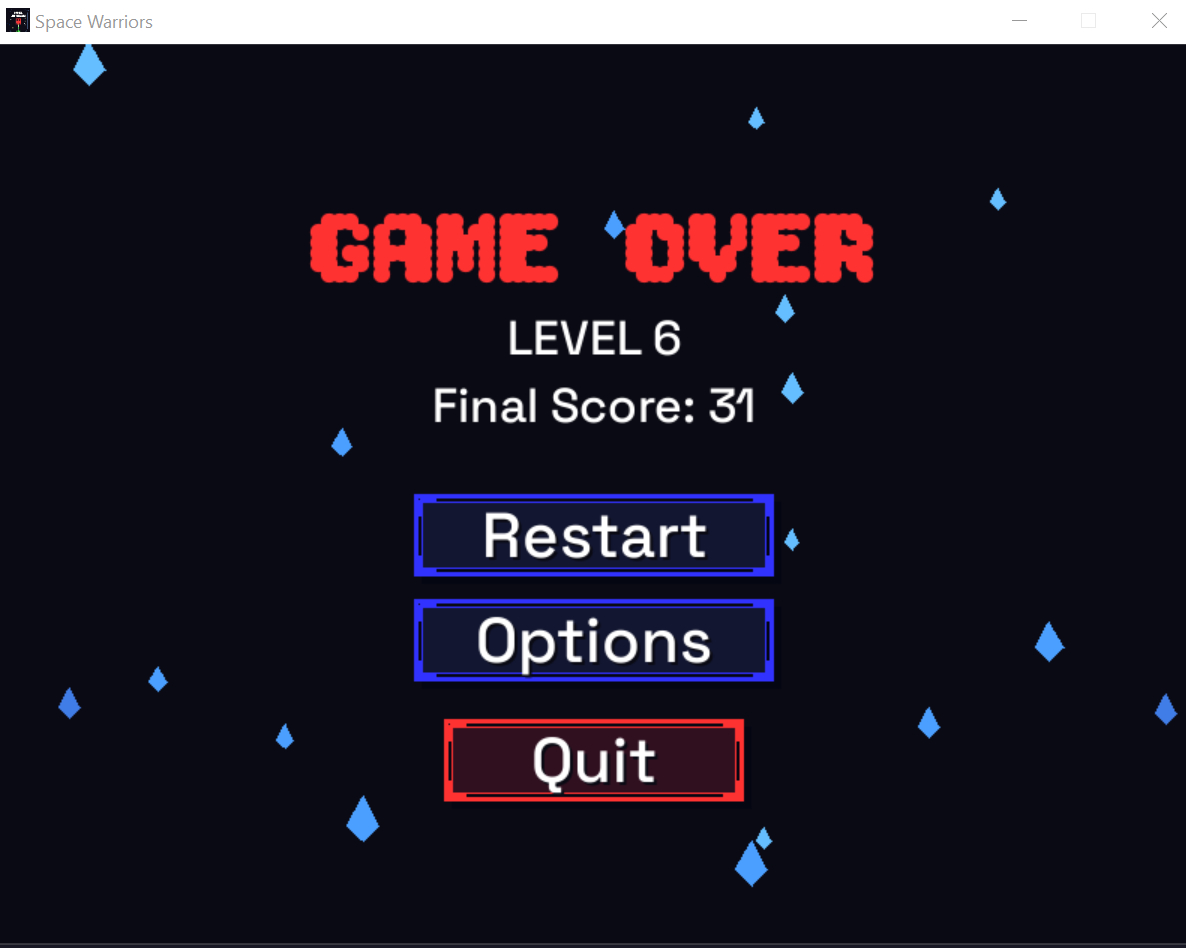
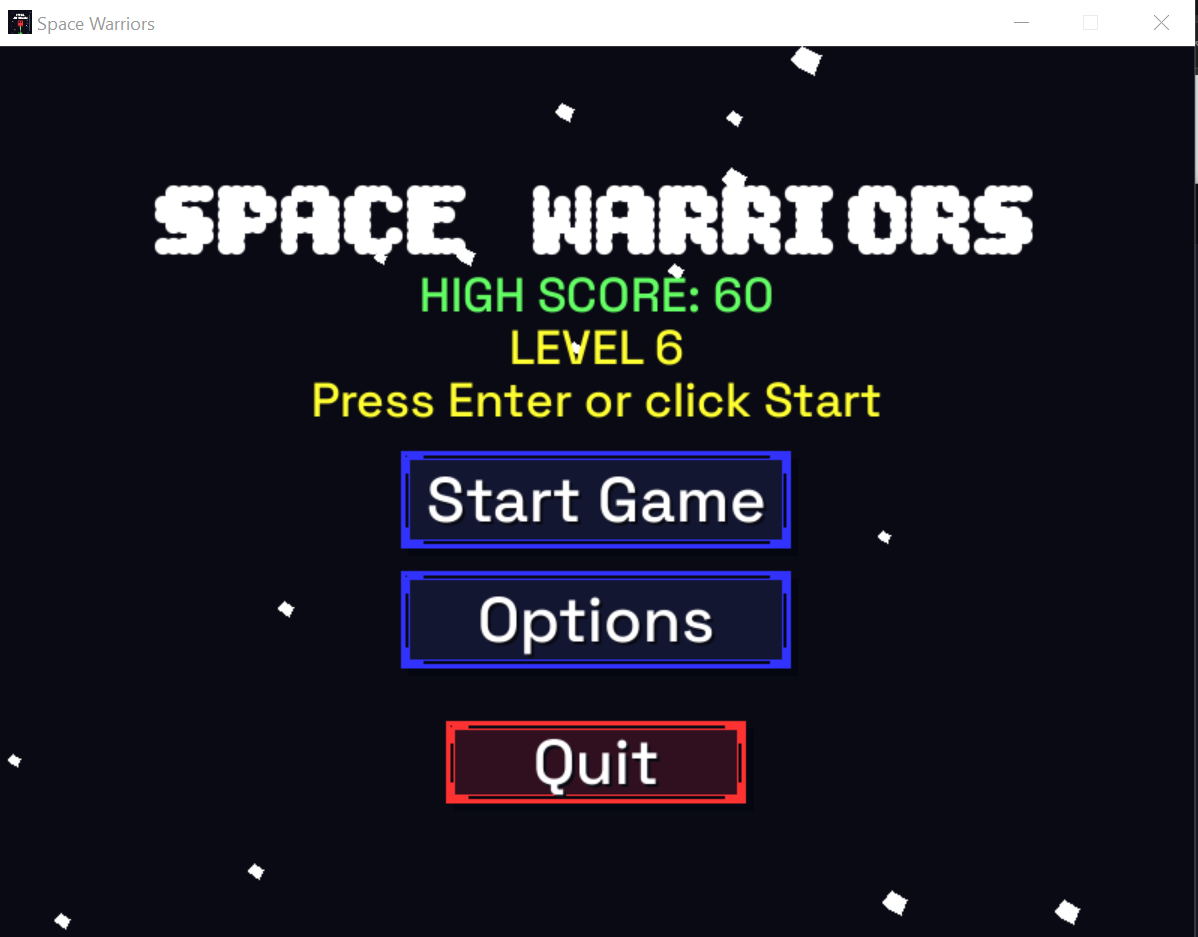
Space Warriors: A Solo Developer's Dream Realized The Vision and The Challenge Ever since 2020, I have carried a dream of building a full-fledged, production-grade space simulator and shooter. But the reality of game development is daunting. Creating a seamless game with scaling levels, dynamic enemy AI, and a polished UI usually requires an army of developers, countless hours, and an ocean of patience. As a solo creator, getting a project of this scale across the finish line felt nearly impossible.
The AI Development Army For the OpenAI Build Week, I decided to bridge the gap between my ambition and my resources. I wrote the foundational architecture and some initial logic in Python, but then I brought in my virtual development team: Codex Lyria GPT-5.6, Codex Antigravity, and GitHub Copilot.
These tools took my initial scaffolding and ran with it. Instead of getting bogged down in boilerplate code or endlessly debugging game loops, I acted as the director. The AI built out the rest of the game—handling the complex mechanics, scaling the enemy wave logic, and tying the entire user interface together.
What We Built: Space Warriors Thanks to this AI-driven workflow, I was able to create a highly polished space shooter with features that rival studio-backed indie games:
Infinite Progression: The game features dynamically scaling infinite levels, complete with specialized bonus stages to keep the gameplay fresh.
Fluid Combat & Controls: Smooth, responsive mouse-tracking controls allow players to navigate bullet hells and take on advanced enemies that fire multiple projectiles at once.
Persistent States & UI: Fully functional save states (allowing players to jump right back into their highest unlocked level) and a complete settings dashboard.
Generative Audio Engine: To push the boundaries of procedural generation, the game's sound effects are synthesized entirely on the fly using NumPy, accompanied by fully AI-generated background music.
The Takeaway Building Space Warriors wasn't just about creating a fun game; it was about proving that the barrier to entry for high-quality development has fundamentally shifted. Without this stack, this game would have remained just a concept. Codex didn't just help me write code—it empowered a solo developer to finally ship a production-grade dream.
Next steps: Build a 3D version using raylib and codex with more powerful gpt 5.6 sol model

Log in or sign up for Devpost to join the conversation.