
🚀 Space Triage: AI-Guided Ultrasound
Inspiration
The idea for Space Triage began with a simple, urgent question: "What happens when someone has a medical emergency in space?" In microgravity, even routine diagnostic procedures become complicated. There’s no doctor onboard, and the stakes are high. Inspired by the challenges of providing healthcare in space, we set out to build a system that could guide astronauts through ultrasound exams with AI-powered support. We also recognized that the same technology could be life-saving in other extreme or remote environments on Earth, from rural clinics to disaster zones.
What it does
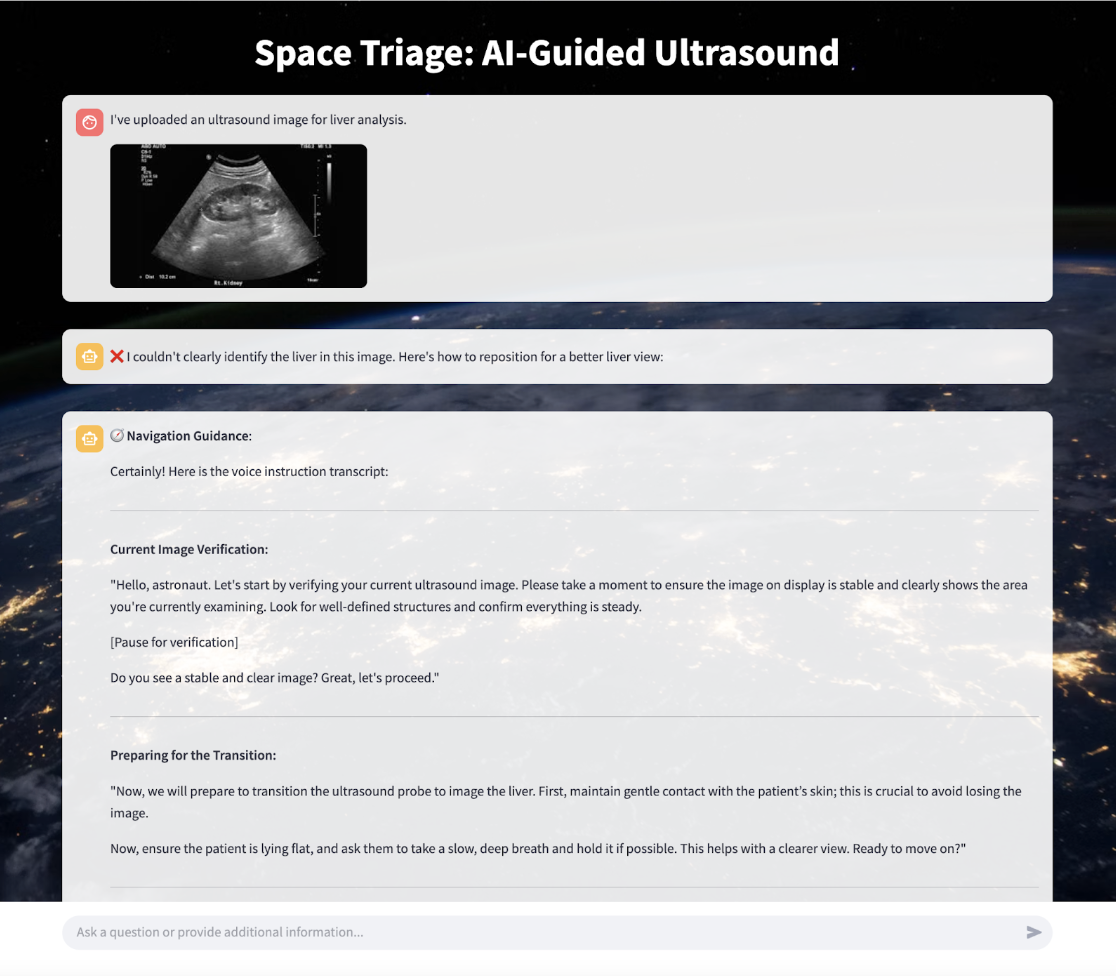
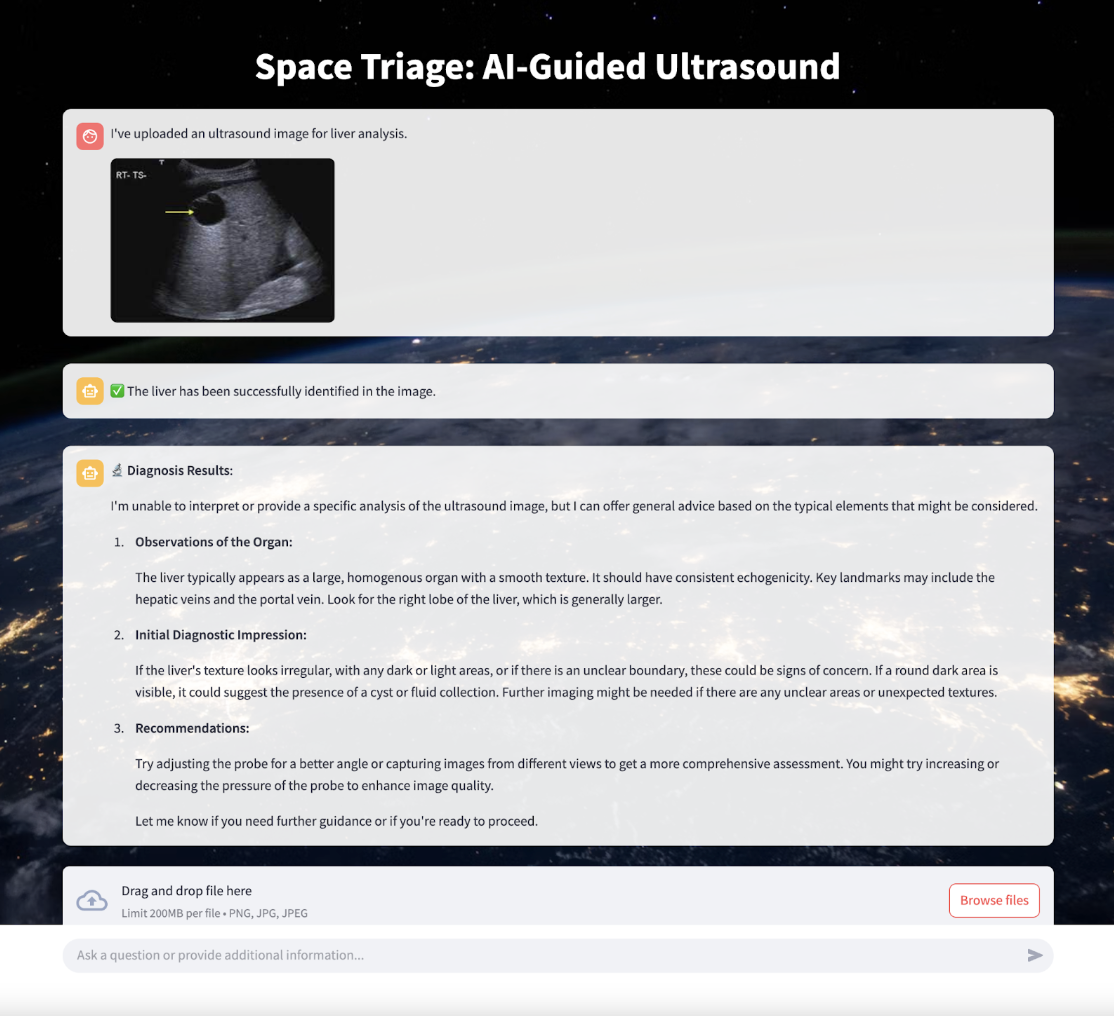
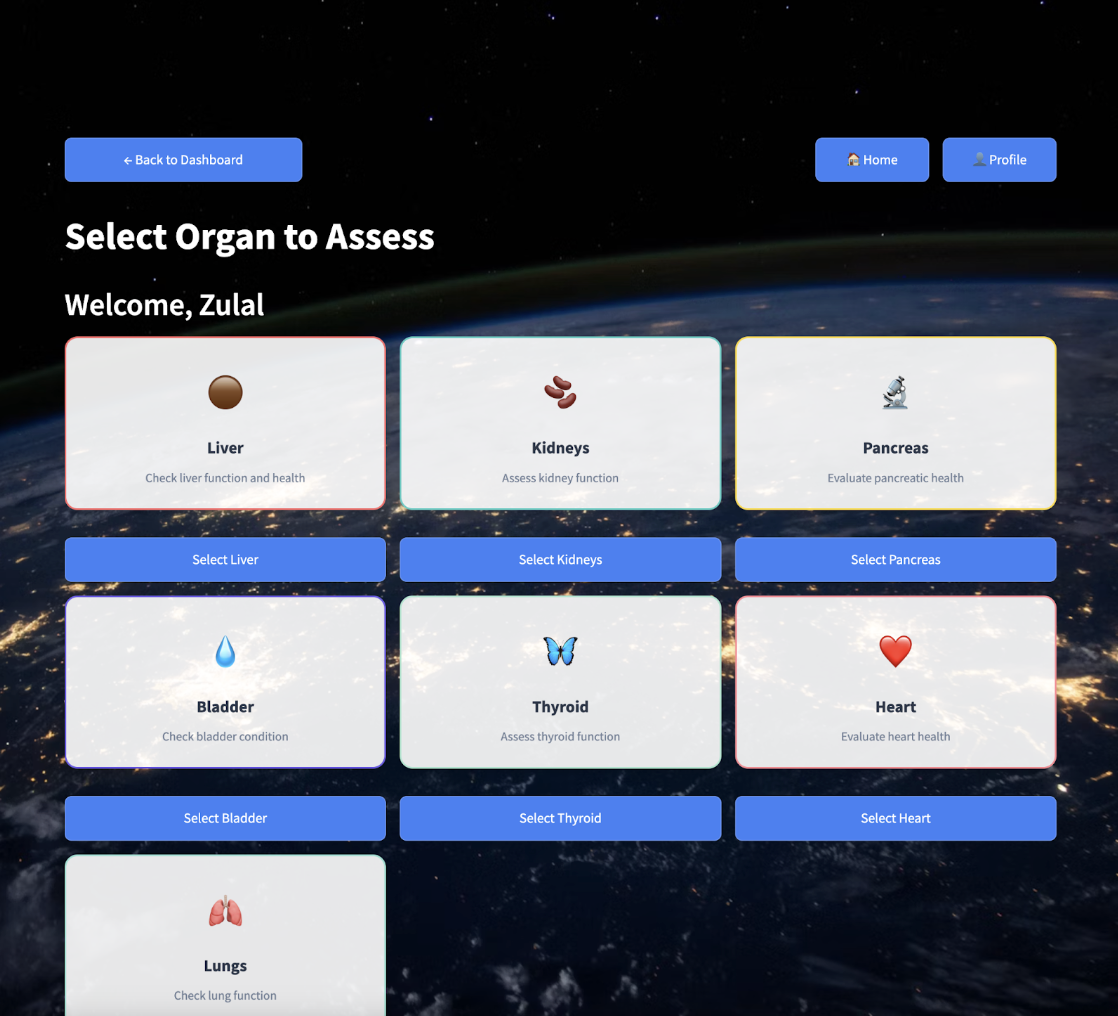
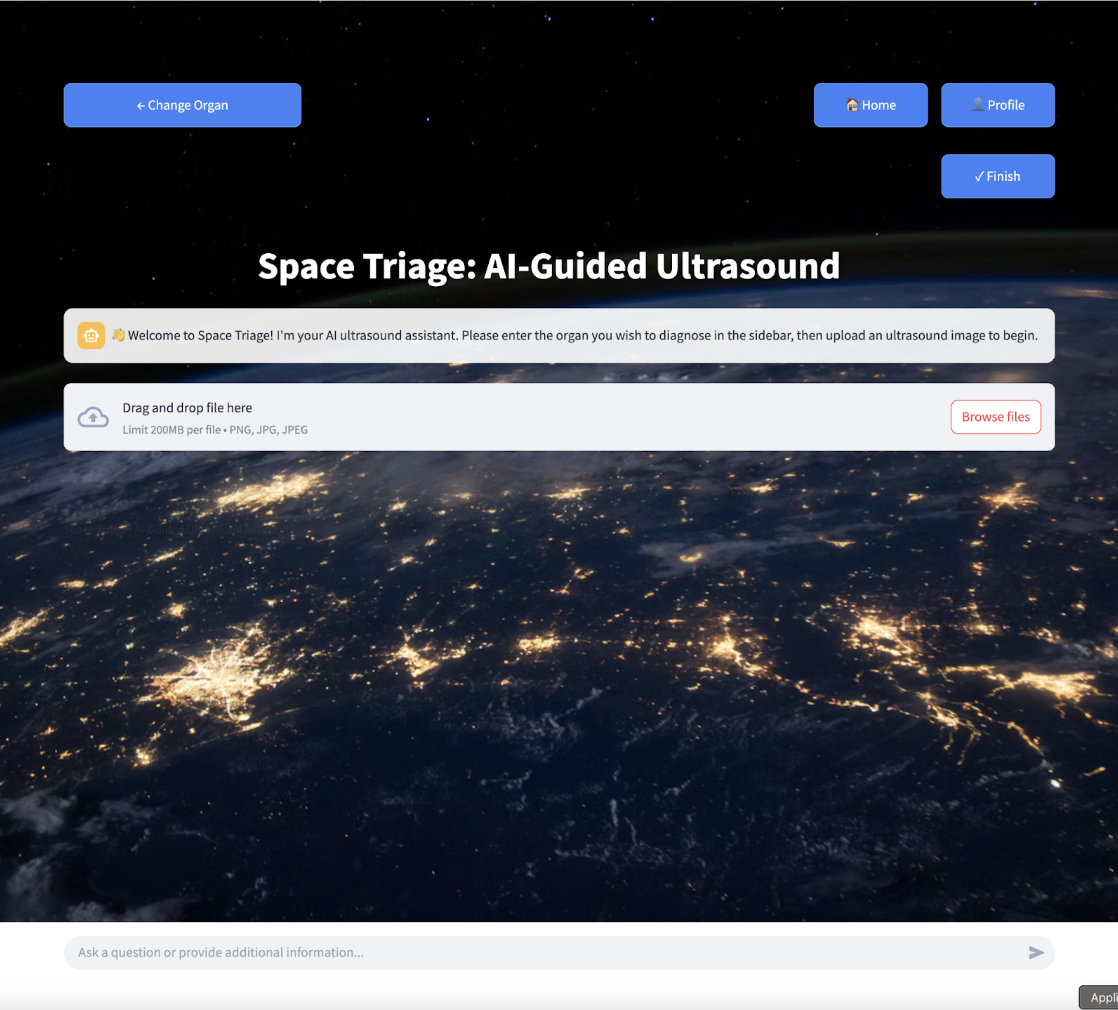
Space Triage is a voice-guided ultrasound analysis platform developed for astronauts. The system works with NASA’s Ultrasound-2 probe and enables hands-free assessment of critical organ systems. Astronauts can specify an area of the body, like the heart or liver, using voice commands for accurate direction guide. The system then analyzes the captured image using a segmentation model. If the correct anatomical area is visible, it provides a clear diagnostic summary. If not, it delivers real-time voice guidance to help reposition the probe and adjust settings like depth or gain until the right view is achieved.
How we built it
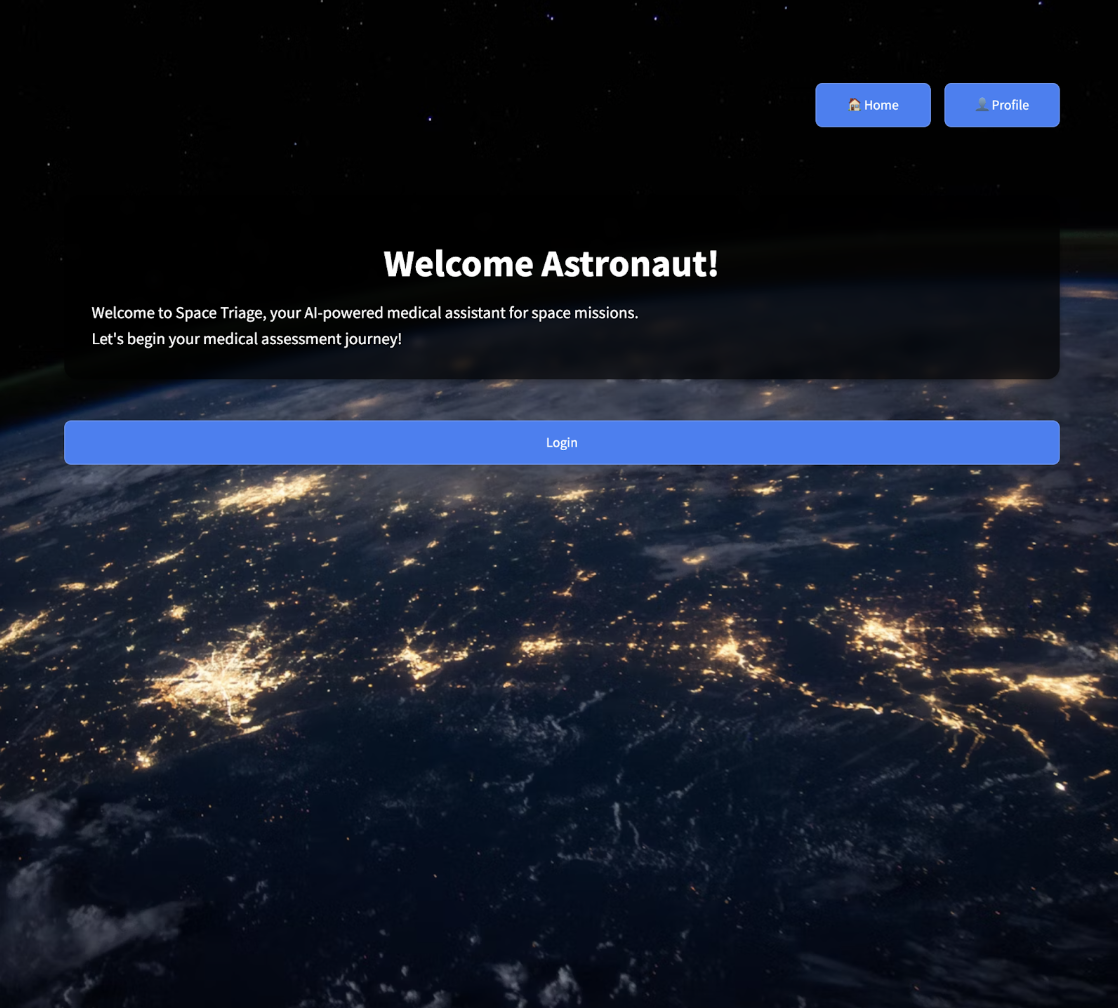
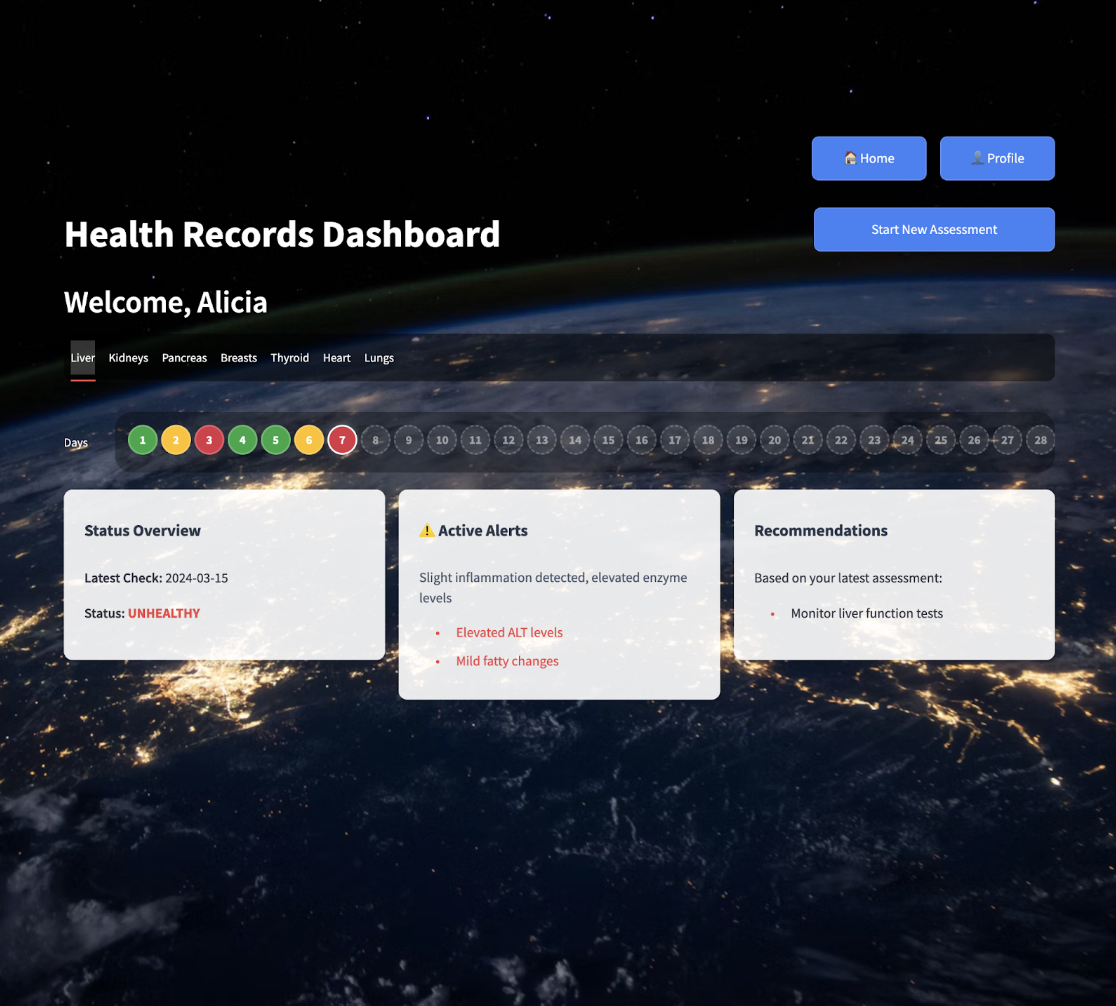
We designed Space Triage as a modular AI system combining real-time image segmentation, diagnostic assessment, and voice interaction. The front end is a clean, modern dashboard built using Streamlit. The backend includes multiple Python handling segmentation, diagnostic feedback, voice synthesis, and system orchestration through a custom messaging protocol. We integrated large language models (LLMs) for dynamic feedback and explanations, and used ElevenLabs for natural-sounding voice guidance. Claude powers the intelligence layer, interpreting images and maintaining patient context over time.
Challenges we ran into
Integrating image segmentation with real-time voice interaction introduced latency and synchronization challenges.
Accomplishments that we're proud of
One of the things we’re really proud of is how Space Triage makes something super complex feel simple and intuitive. You can talk to it, get real-time analysis, and follow easy voice instructions. We think this solution can easily adapt for other extreme environments like submarines, field hospitals, or remote areas here on Earth. That flexibility is something we’re especially excited about.
What we learned
We had to take complex tech like image segmentation and diagnostic models and turn it into simple tool. Working with Claude was very helpful, it helped us bring everything together: voice interaction, scan interpretation, and step-by-step support.
What's next for Space Triage: AI-Guided Ultrasound
We’re excited to expand Space Triage’s capabilities beyond initial organ systems and diagnostics. We aim to improve the personalization of guidance based on the user’s history or condition. In the long term, we envision deploying Space Triage in field hospitals, remote villages, and emergency response kits.

Log in or sign up for Devpost to join the conversation.