-
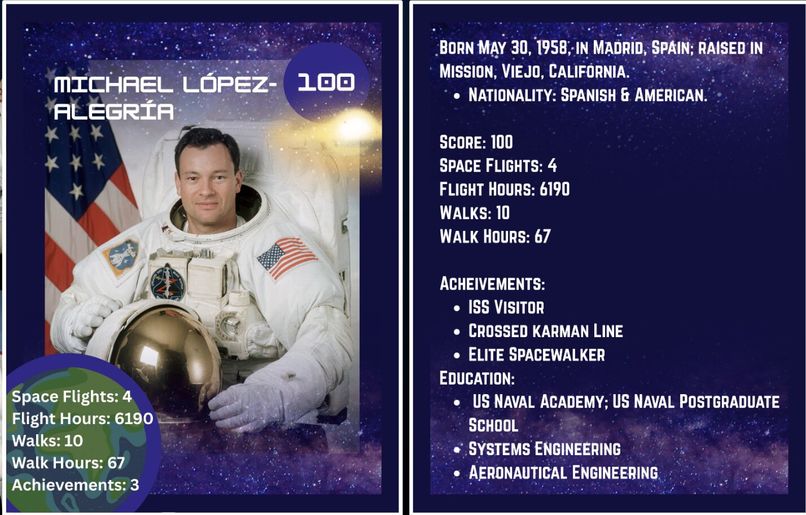
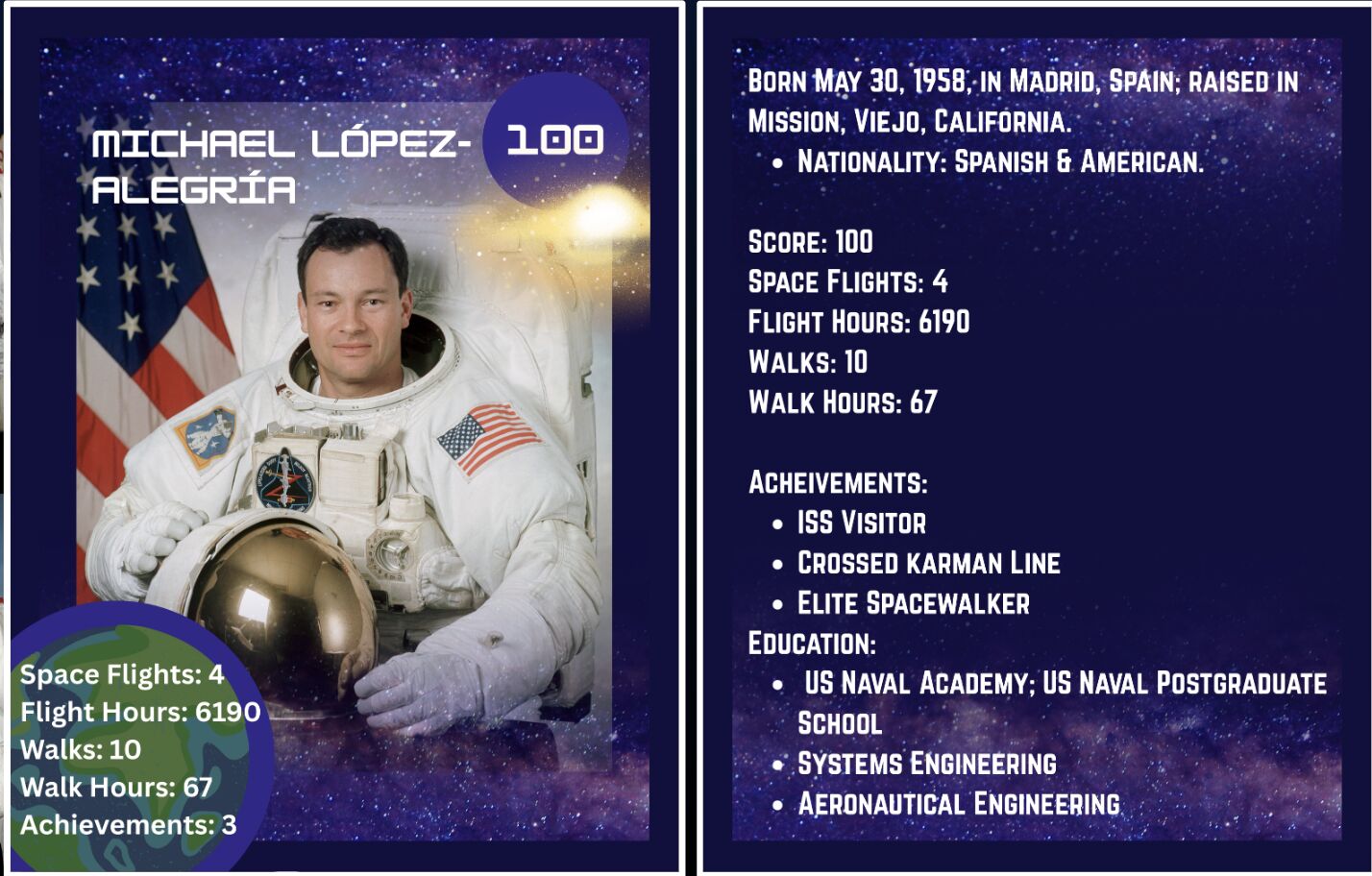
Astronaut Cards/Scores!
-
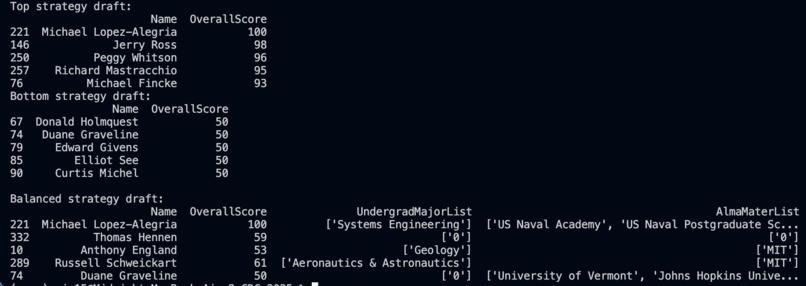
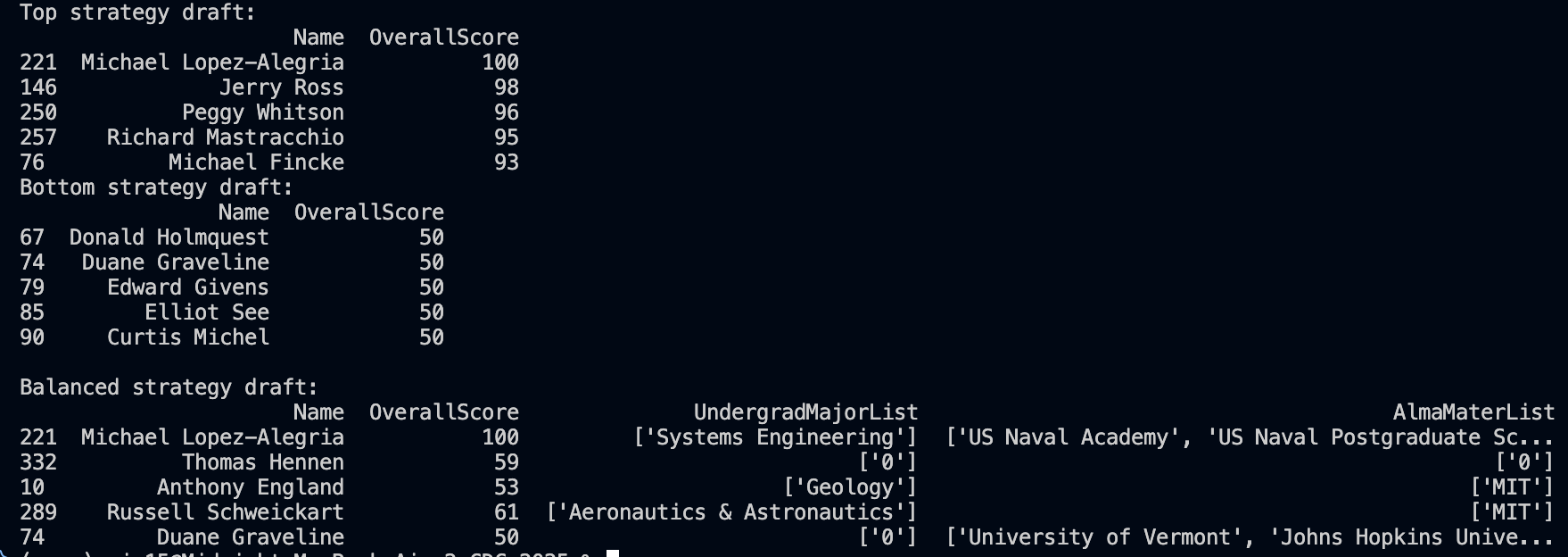
Drafting astronaut teams based on the "top", "balanced", and "bottom" strategies
-
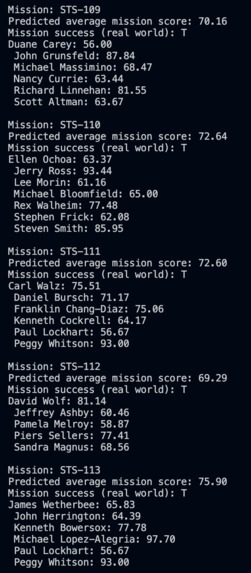
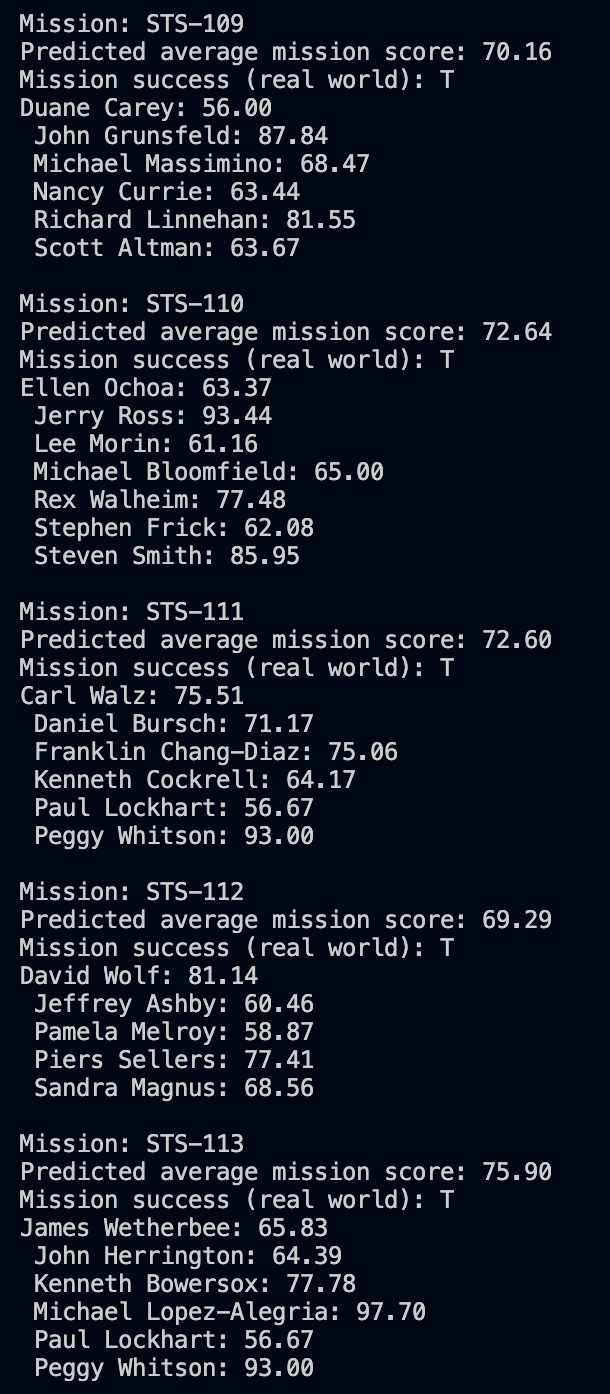
Predicting missions scores with the machine learning model
-
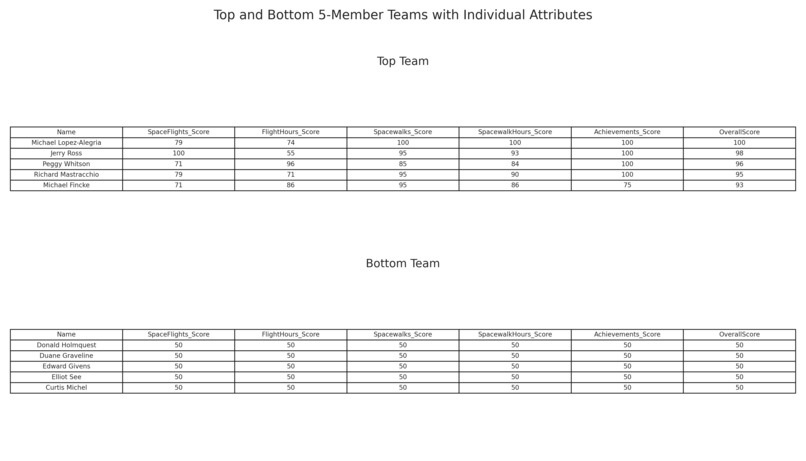
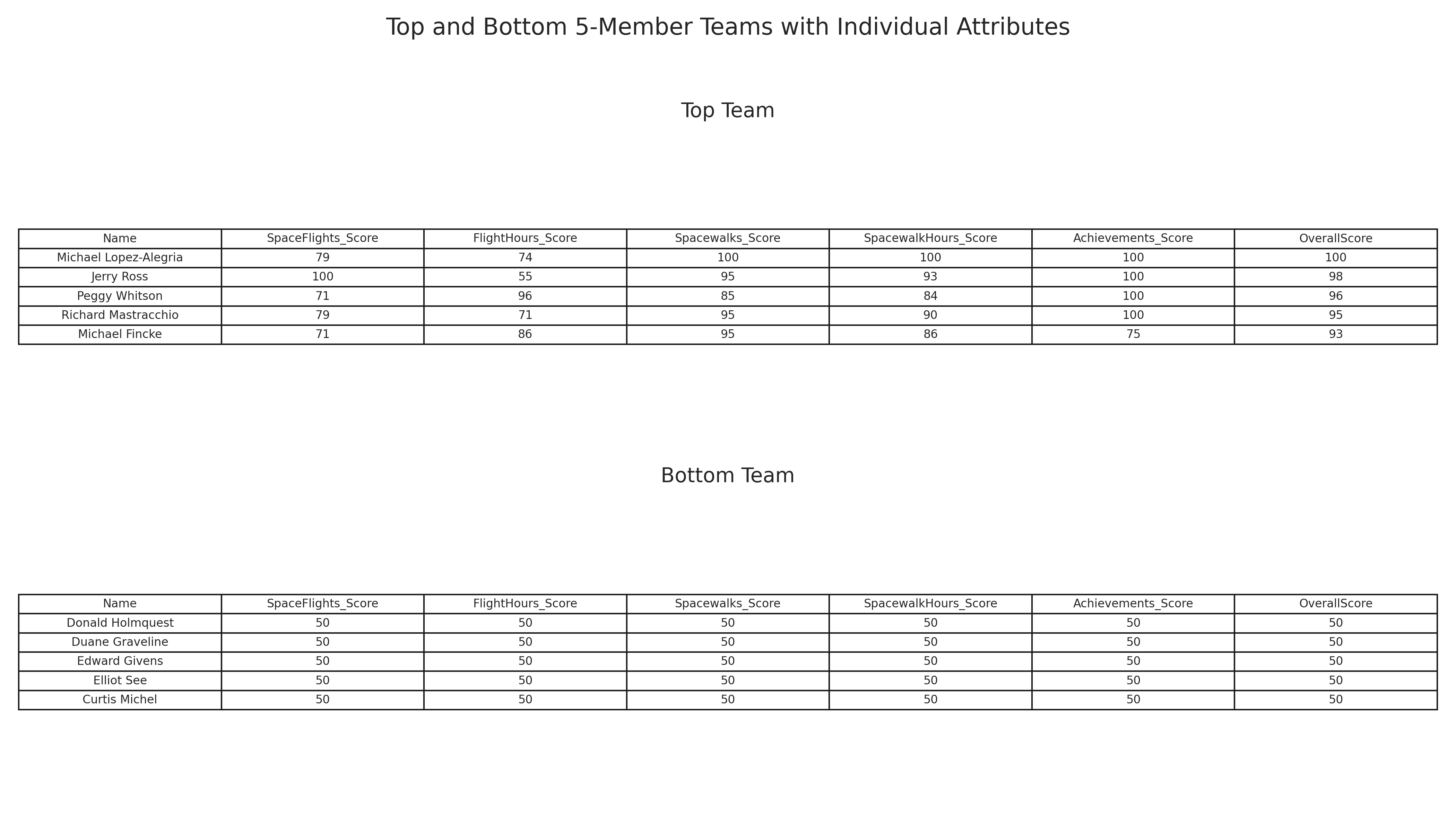
The best and worst astronaut teams (of 5), alongside their individual attribute scores
-
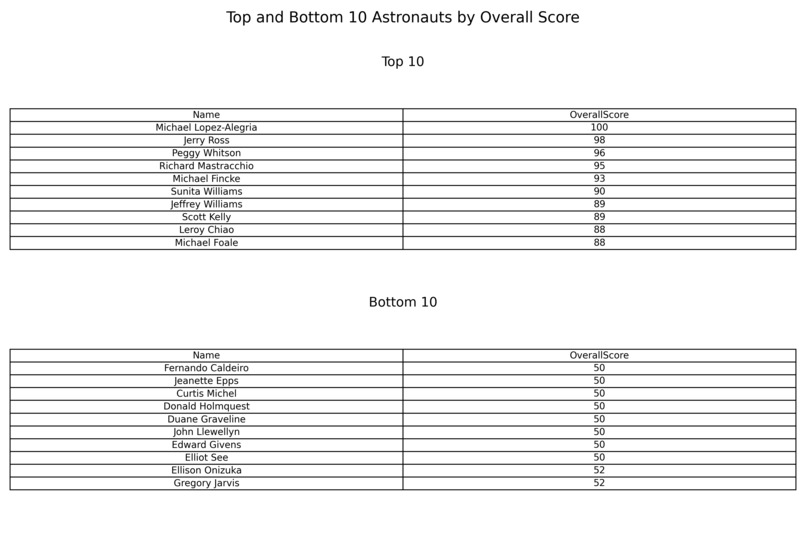
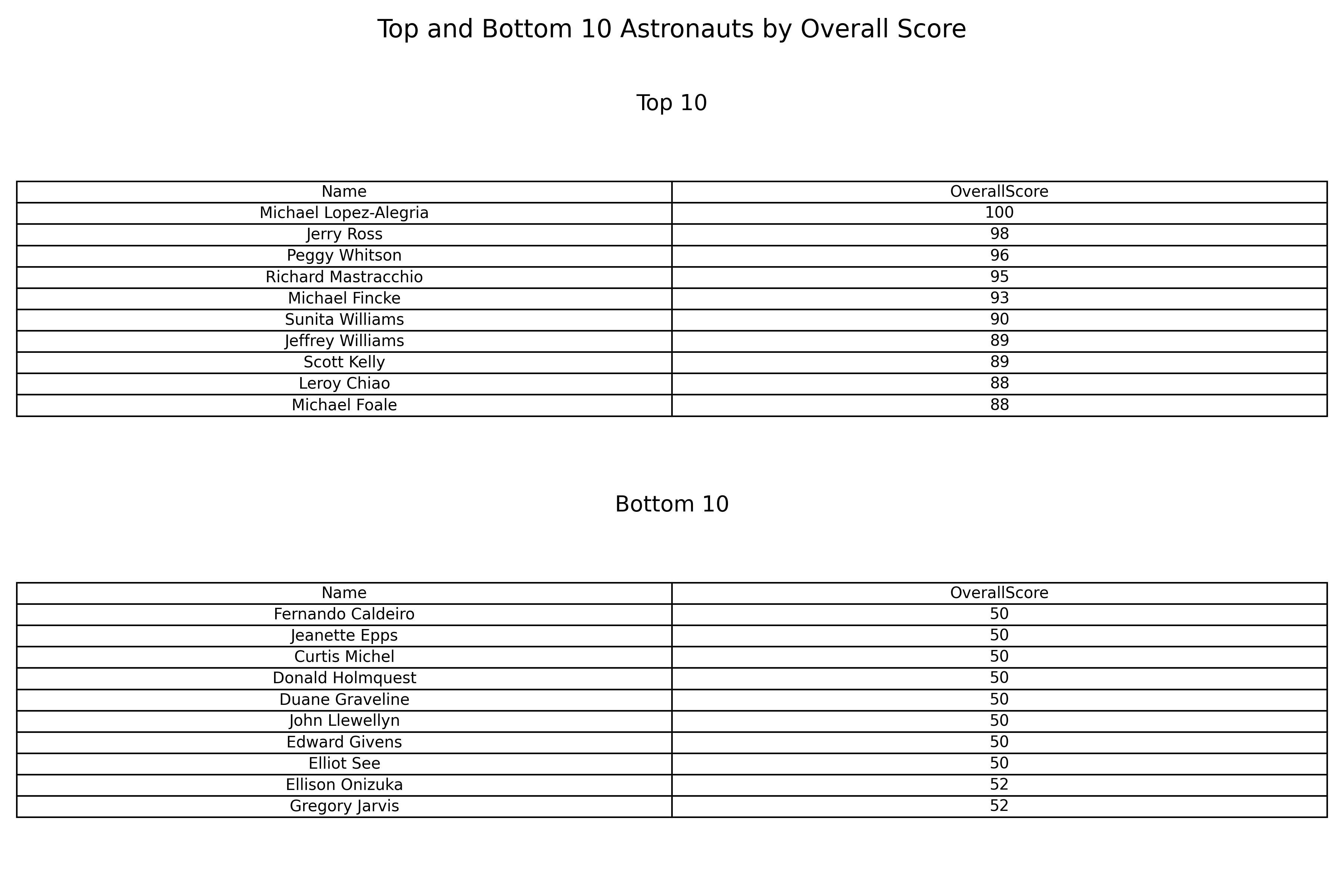
The top and bottom 10 astronauts based on their overall scores
-
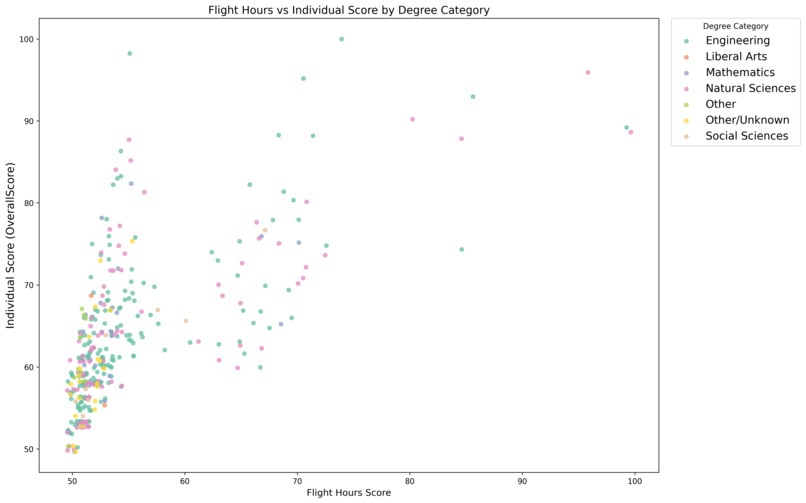
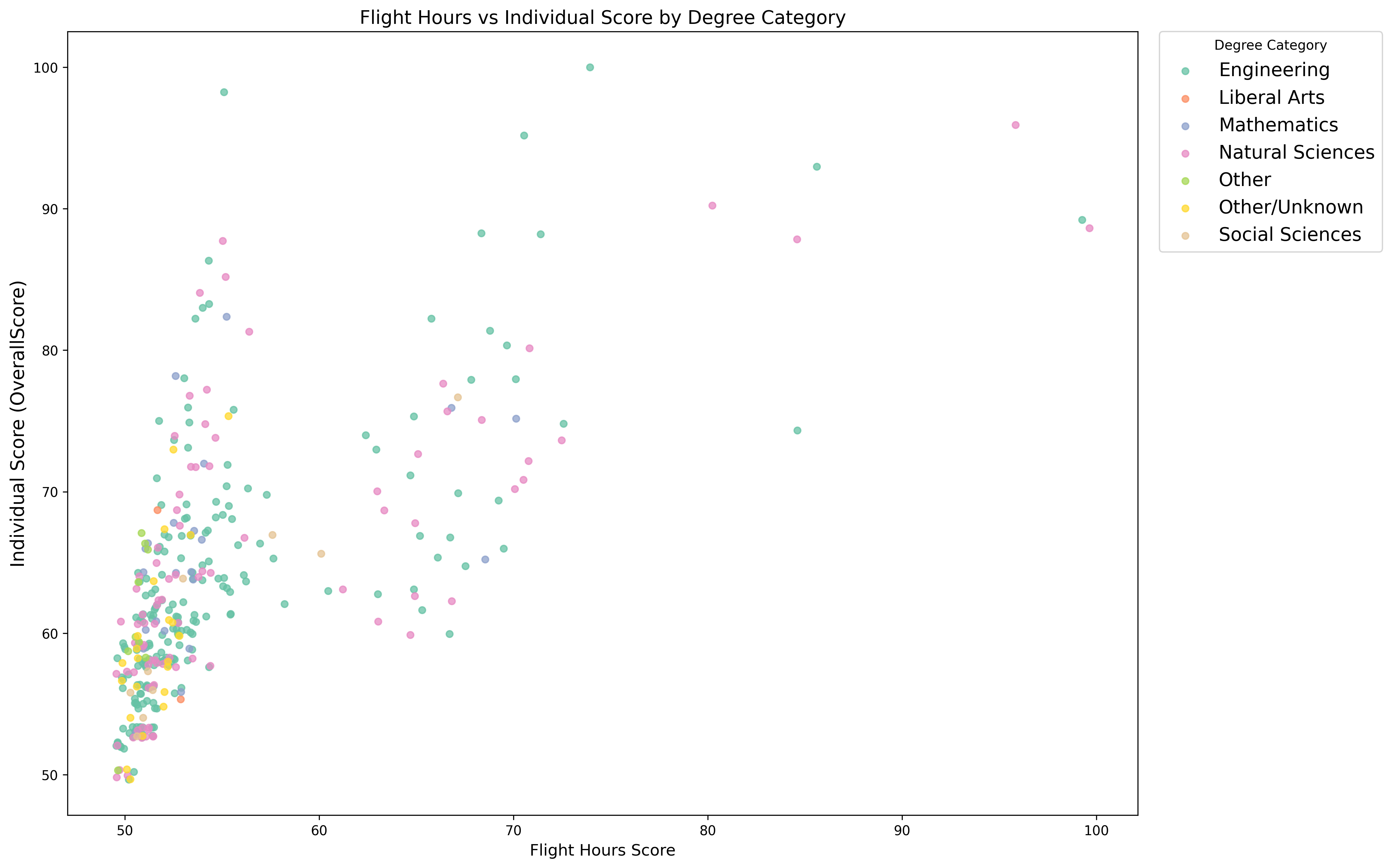
Comparing the correlation between flight hours and the predicted overall score of astronauts
-
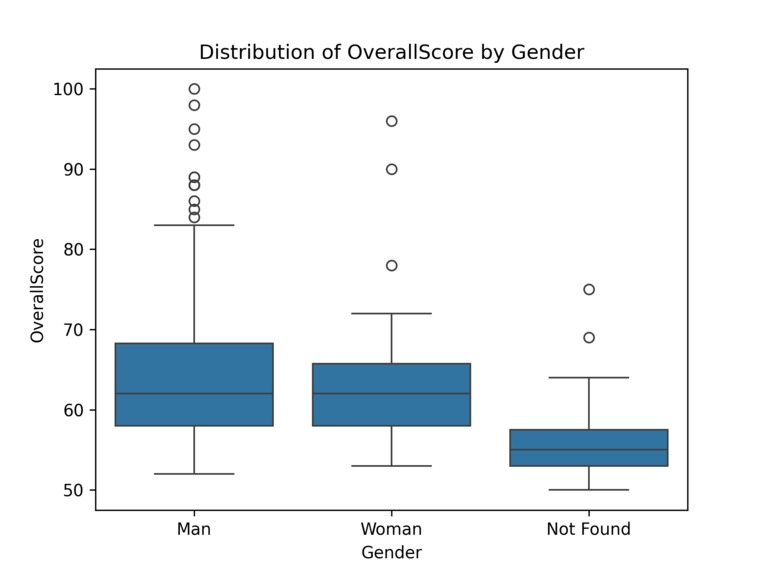
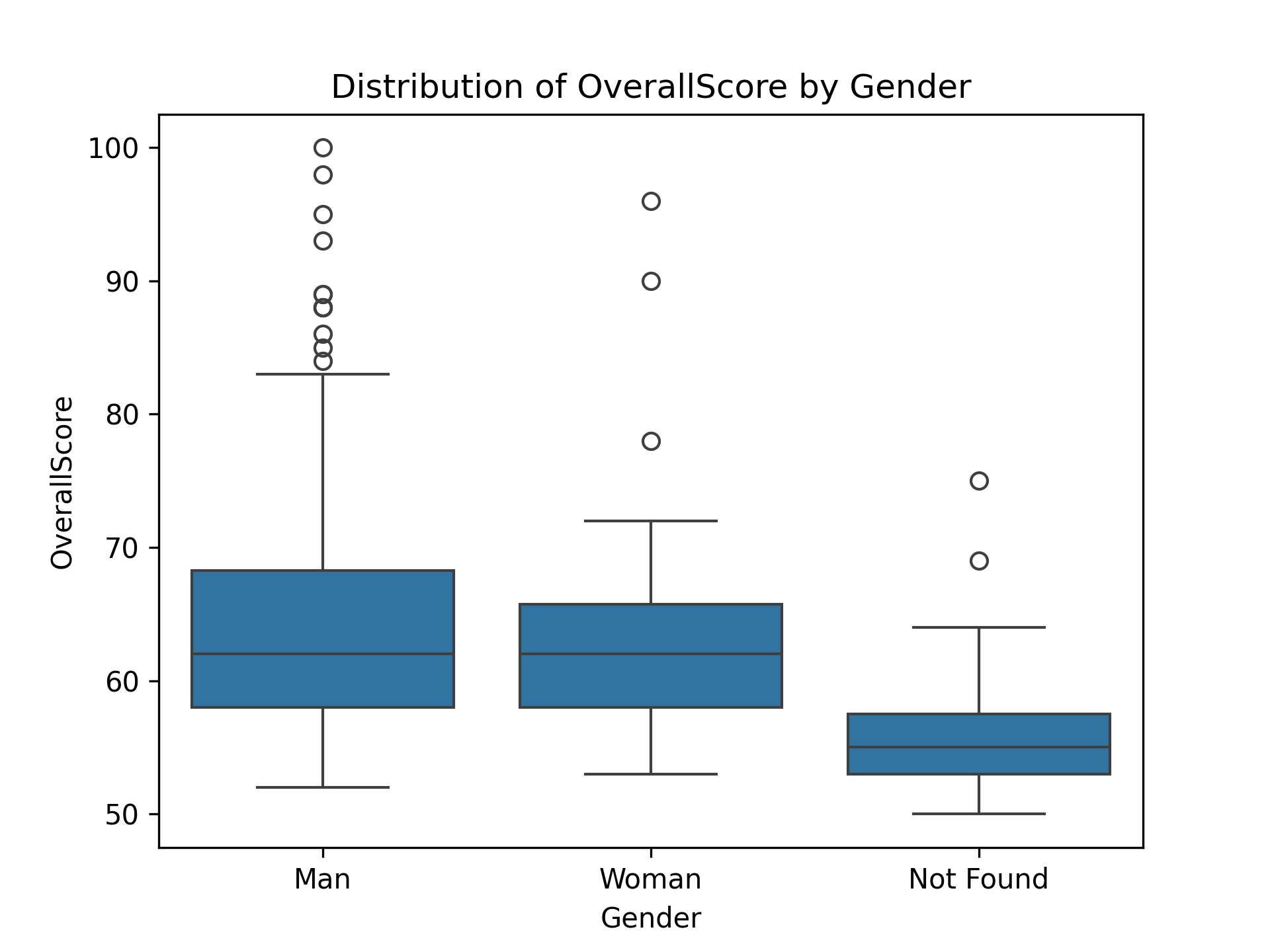
The gender representation of NASA astronauts by controlling all attributes except gender and comparing predictions to actual data
Inspiration
We were inspired by the NBA Draft and basketball cards, alongside predictive modeling used in things like sports. We wanted to see what made the "best" astronauts and how it impacted mission success.
What it does
Our project trains a predictive machine learning model based on the normalized and weighted scores from astronauts. Then, it tests its predictions on existing missions and creates "mission scores". Given astronaut scores, we can then draft teams based on certain criteria (we used top astronauts and a balance of degree/skillset diversity). We also have scripts that visualize some of the data we gathered.
How we built it
Excel was used to clean input data while everything else was written in Python with the help of libraries like pandas, scikit-learn, seaborn, matplotlib, numpy, etc.)
We used the random forest algorithm to train our machine learning model
Challenges we ran into
Training and normalizing with qualitative data, sorting degrees into categories, visualizing some of the data (like the scatterplot in particular), keeping our attributes narrow enough for results but not too ambitious and keeping our mission data simple enough to avoid scope creep
Accomplishments that we're proud of
Creating a functional predictive ML model that can draft a team based on calculated scores, visualizing correlations and relationships, being able to test predictions using real-world missions (given necessary data)
What we learned
The importance of correlation and causation in the context of analyzing historical data, the potential cyclical/self-reinforcing nature of using predictive modeling, who the "best" astronauts of all time are (additionally, who make up the "best" astronaut teams). We also learned how to use scikit-learn to create supervised machine learning models and visualizing our findings with matplotlib
What's next for Space Squad Simulator
Exploring more datasets to improve the range (and accuracy) of the predictive model. Incorporating more nuanced data (e.g psychological profiles, technical specialties, etc.) to move beyond purely historical metrics.
Future Applications
- “Mission Simulator” that can also model specific mission scenarios and identify optimal team composition for specific tasks.
- Tailored models for specific mission types such as: Lunar base crews | Mars transit crews | Short-duration orbital repairs.
- STEM Educational tool for students to use the scientific model and analyze the factors behind successful space operations .
- Historical analysis to gain a deeper understanding of the key factors behind successes and failures.


Log in or sign up for Devpost to join the conversation.