AstroSim
Inspiration
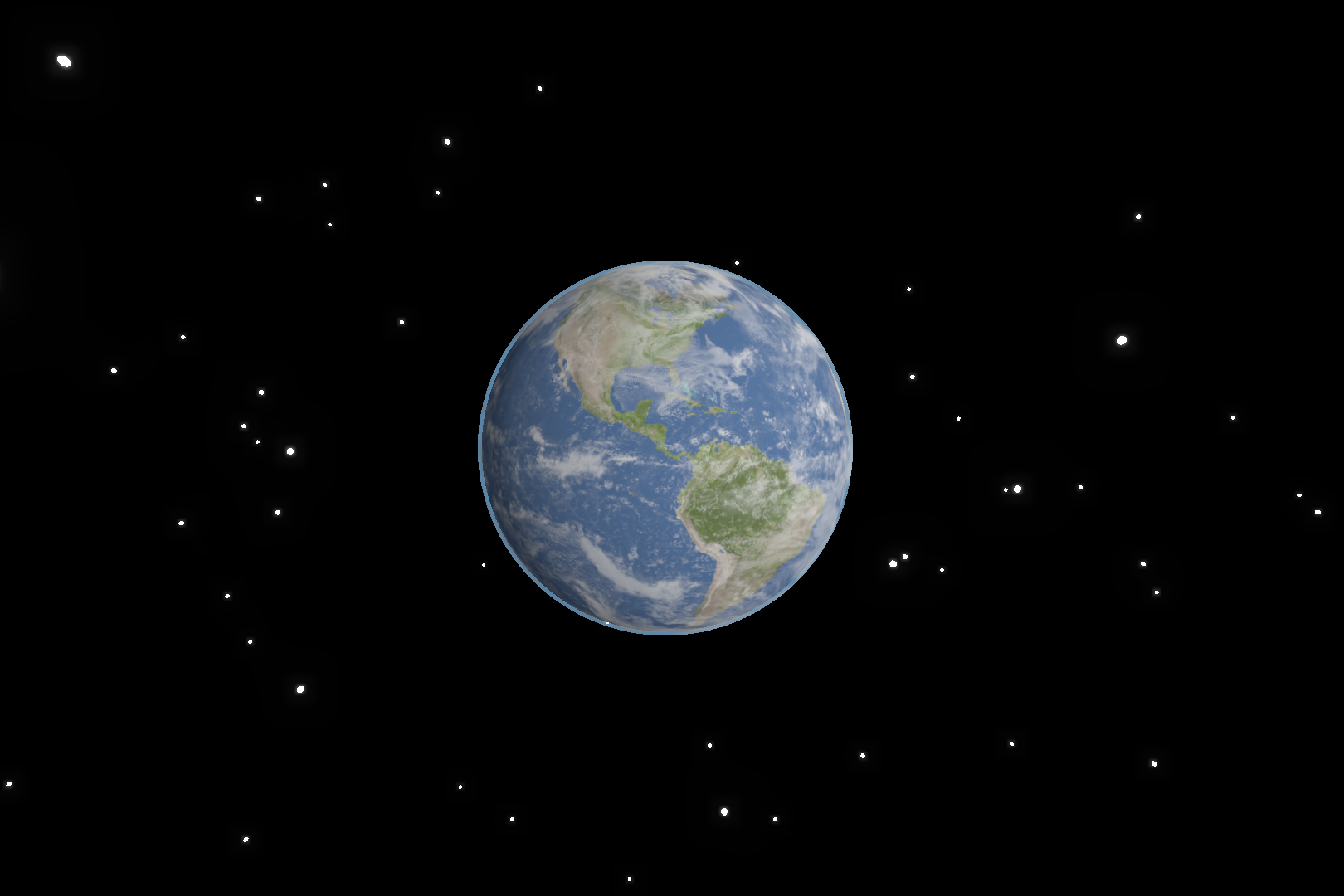
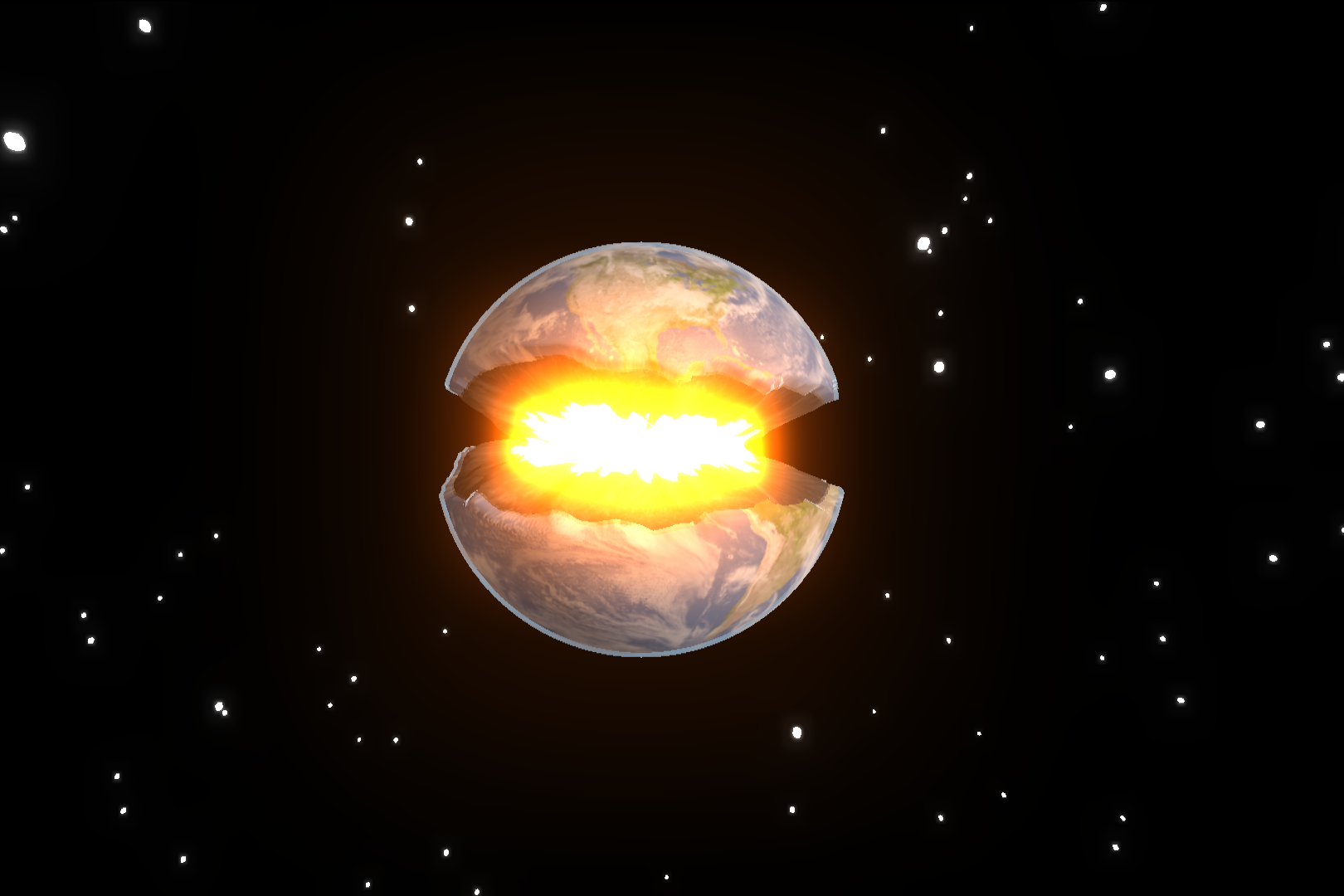
With the theme of space, we wanted to push our boundaries and create a compelling physics simulation. We envisioned a system where a planet could be deformed and destroyed in real-time, and asteroids became the natural choice to achieve this. The goal was to explore both 3D rendering and physics in a visually engaging way, while tackling real challenges in simulation design.
What it does
AstroSim allows users to interact with a 3D Earth and strategically place asteroids around it. Key features include:
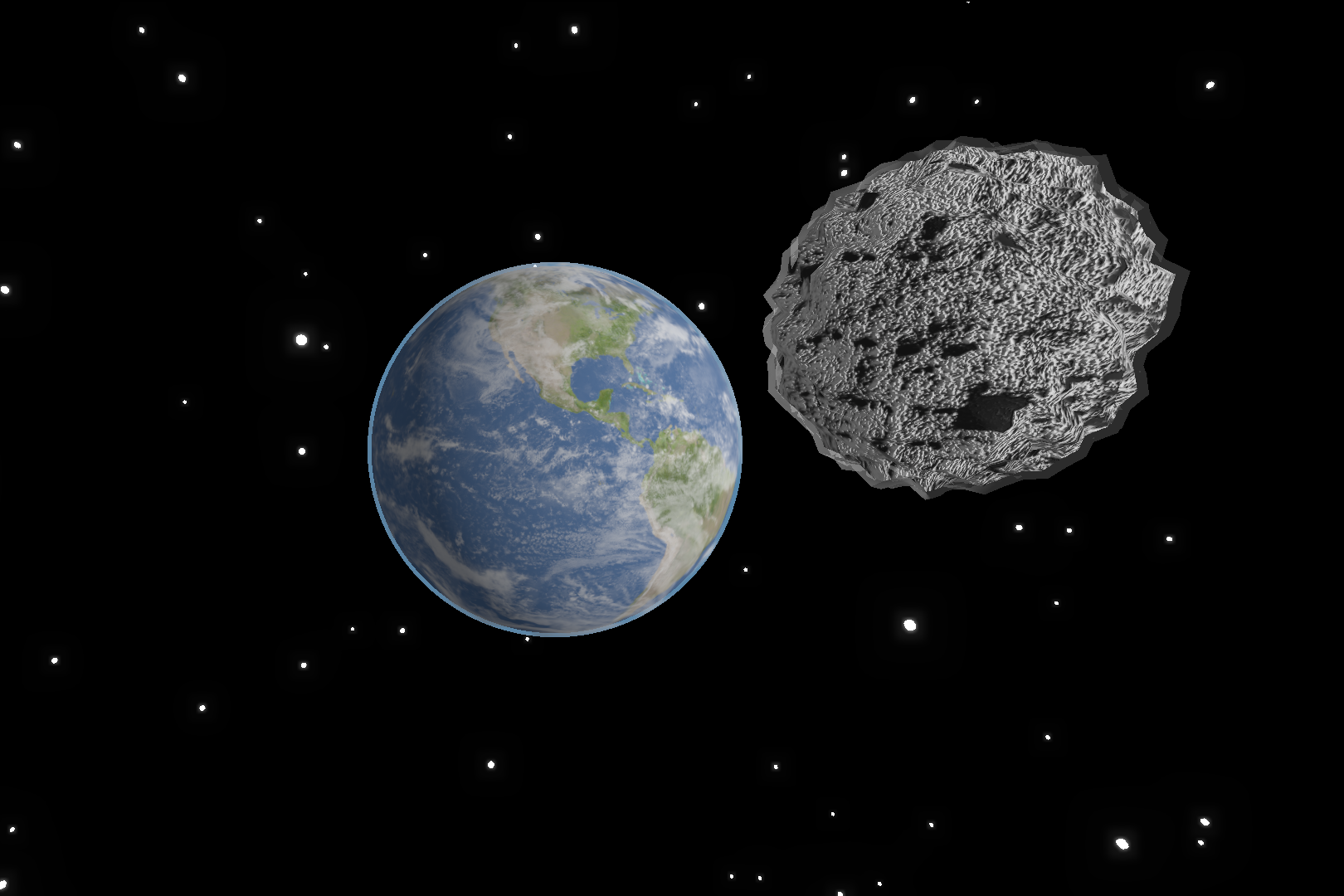
- Holographic asteroid placement: Position asteroids near or around the planet in 3D space before launching them.
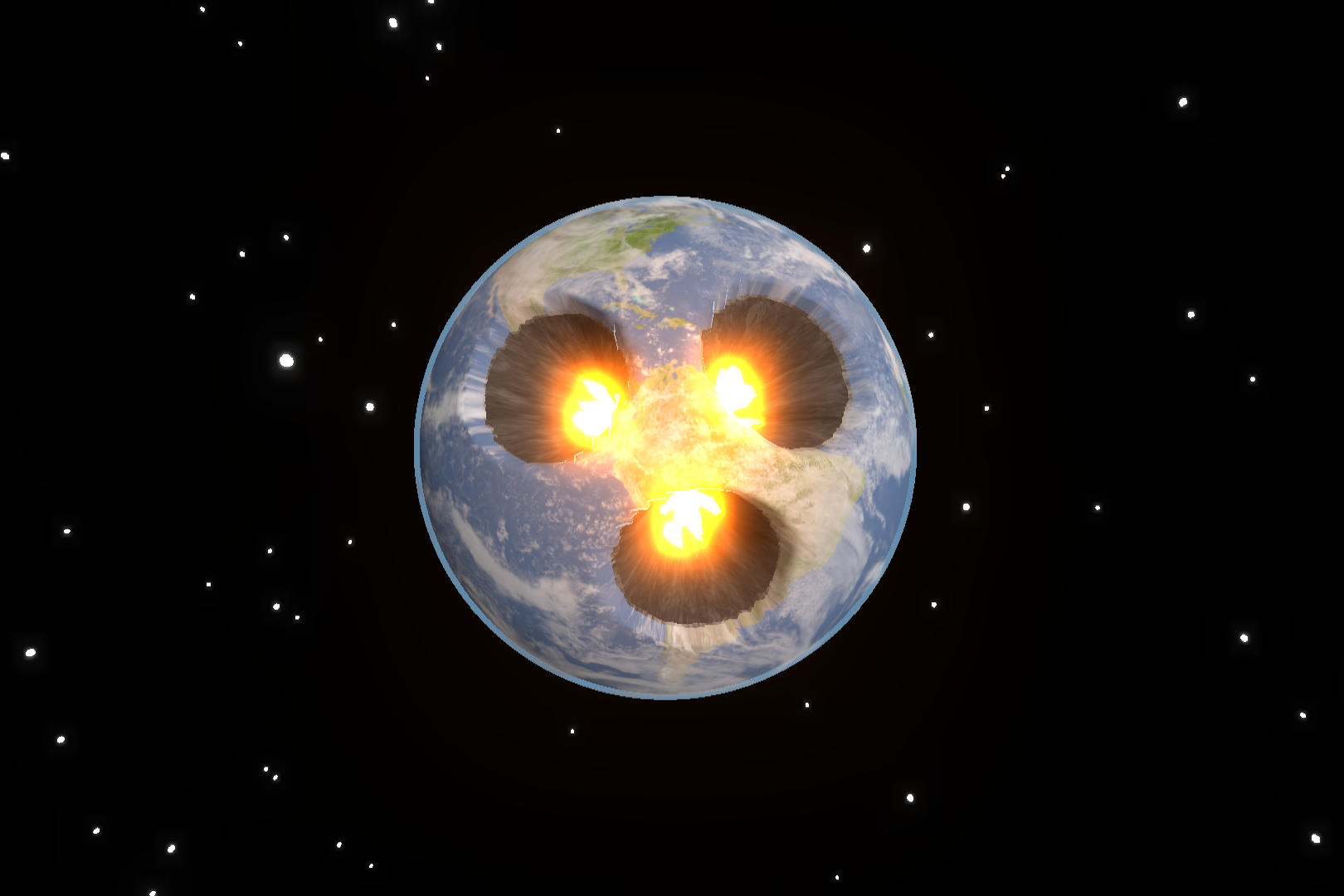
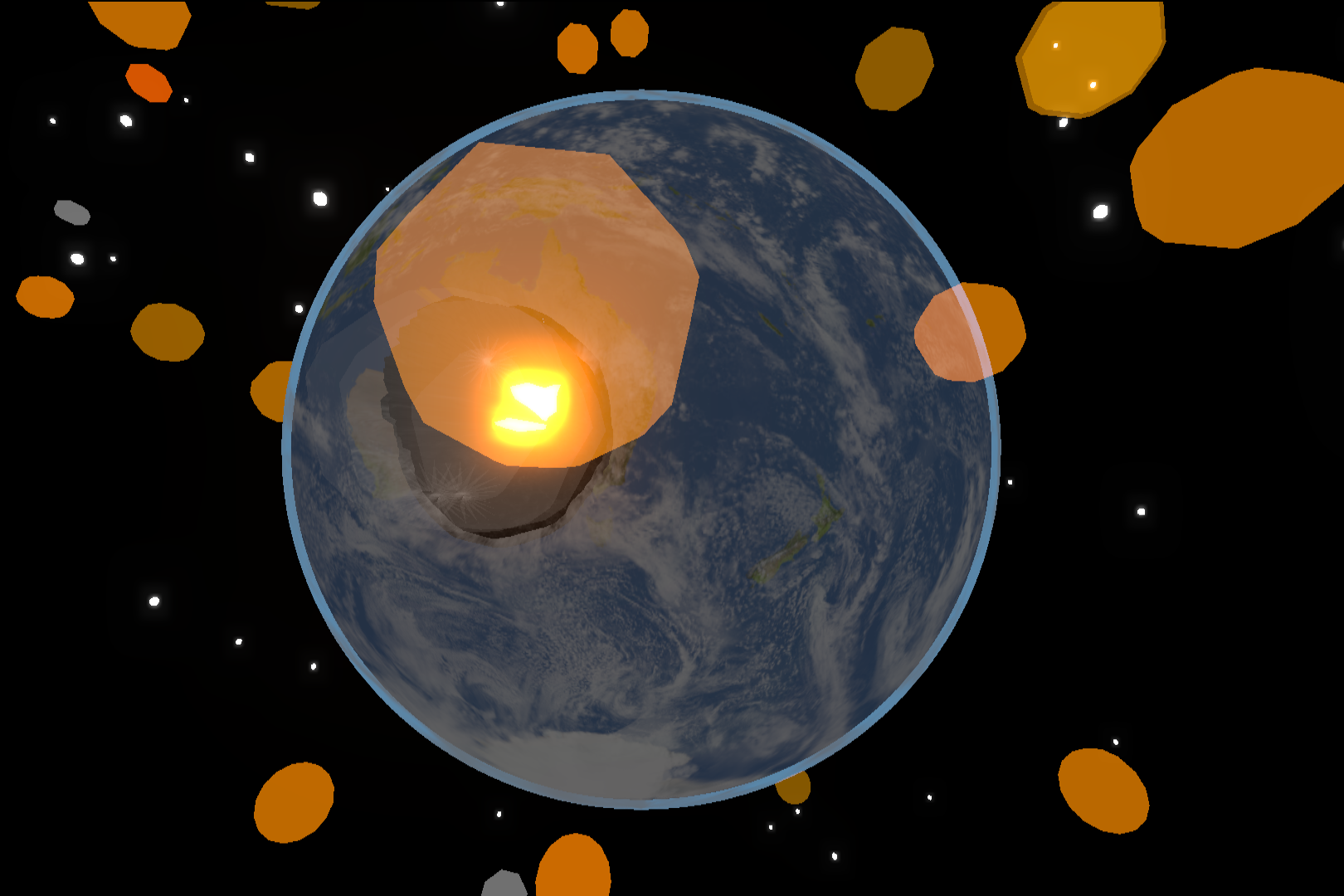
- Earth deformation and destruction: Realistic crater generation using physics-based calculations.
- Independent cloud movement: Clouds move separately from the Earth mesh, maintaining realism even after deformation.
- Interactive GUI controls: Adjust camera and simulation parameters dynamically.
How we built it
We used a modern JavaScript stack including Vite, Three.js, and Node.js. The project relied heavily on vector math for hologram placement, physics calculations for crater generation, and texture mapping techniques for independent cloud movement. Tools like Claude and ChatGPT assisted in generating portions of the code and solving implementation challenges.
Challenges we ran into
Some of the major challenges included:
Asteroid placement system:
- Original click-based placement often caused asteroids to spawn inside the Earth.
- Launch-from-camera approach was visually unappealing and still risked spawning inside Earth when the camera was close.
- The final solution uses a holographic asteroid at the mouse cursor, constrained to a plane normal to the Earth and camera, with a radius limit to prevent intersection.
- Original click-based placement often caused asteroids to spawn inside the Earth.
Texture mapping for clouds:
- Initial textures had obvious poles, causing visual artifacts.
- Rotating the cloud mesh after Earth deformation caused misalignment.
- Solved by rotating the texture itself, rather than the mesh, keeping cloud movement consistent.
- Initial textures had obvious poles, causing visual artifacts.
N-Body physics calculations:
- Implementing realistic asteroid collisions and cratering required careful vector math and optimization.
- Implementing realistic asteroid collisions and cratering required careful vector math and optimization.
Accomplishments that we're proud of
- Smooth holographic asteroid placement in 3D space.
- Realistic Earth deformation with accurate crater formation.
- Clean and functional GUI for camera and simulation control.
- Overcoming complex technical challenges in both physics and rendering.
What we learned
- First exposure to Three.js and advanced JavaScript concepts.
- Physics simulation techniques including N-Body dynamics and collision response.
- Vector math for mapping 3D cursor positions to holographic objects.
- Texture mapping techniques for dynamic meshes.
What's next for AstroSim
- Implementing orbits, enabling objects to revolve around planets.
- Expanding to a full solar system destruction simulator.
- Improving visual fidelity and interactivity based on user feedback.
Built With
- cannon.js
- css
- html
- javascript
- three.js
- vite


Log in or sign up for Devpost to join the conversation.