Inspiration
Space games put you in a cockpit somewhere else. We wanted the opposite: space comes to you. A seated mixed reality game where a window cuts into your real wall. A mining console unfolds in front of your chair, and you work a shift at Station 7, one small mining station in a ring around Earth. We drew inspiration from No Man's Sky and the current situation on Earth. After AI, the demand for processing and storage has skyrocketed, and companies are planning to host their GPU servers in space. We gave a twist to the situation, companies instead found a way to make space travel cheaper and found a way to convert space junk into fuel that runs space stations. Earth has run dry, every metal now comes from space, fulfilling Earth's mineral requirements.
## What it does
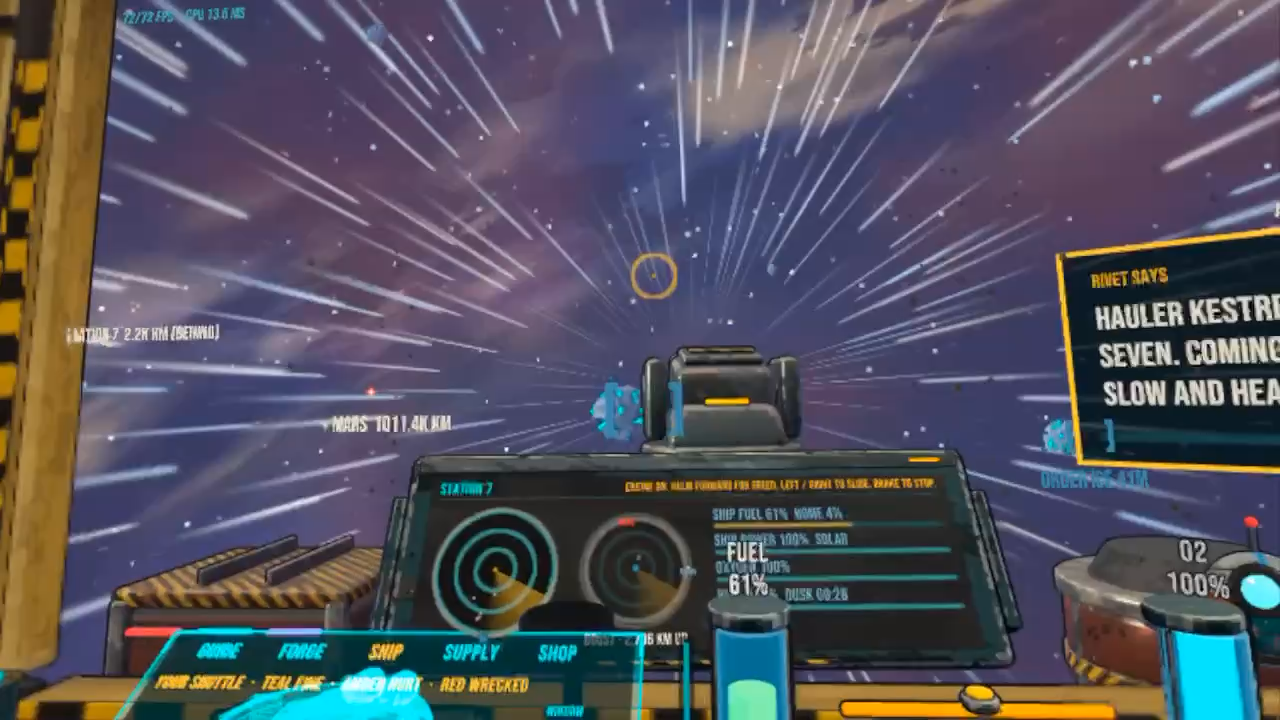
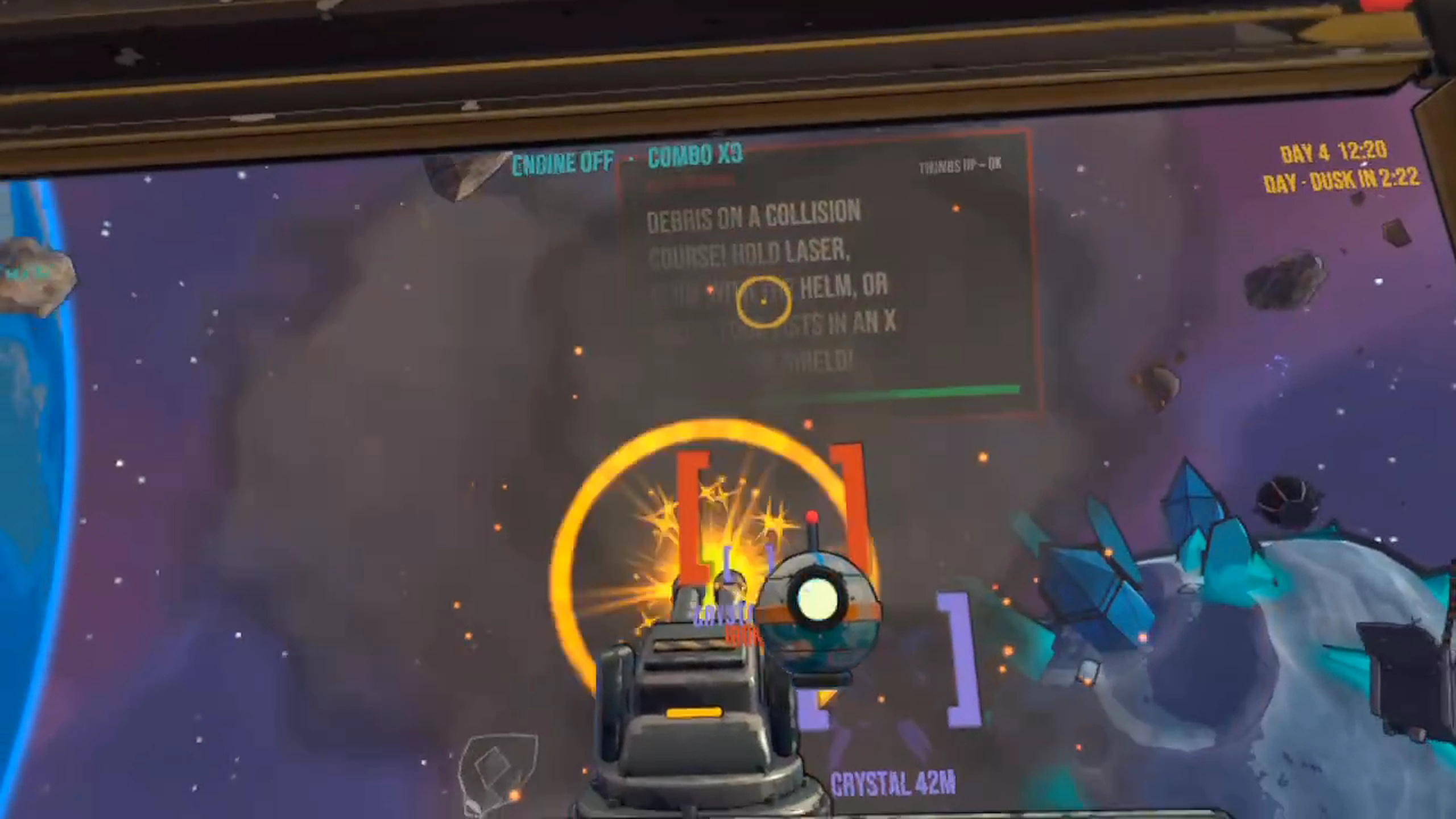
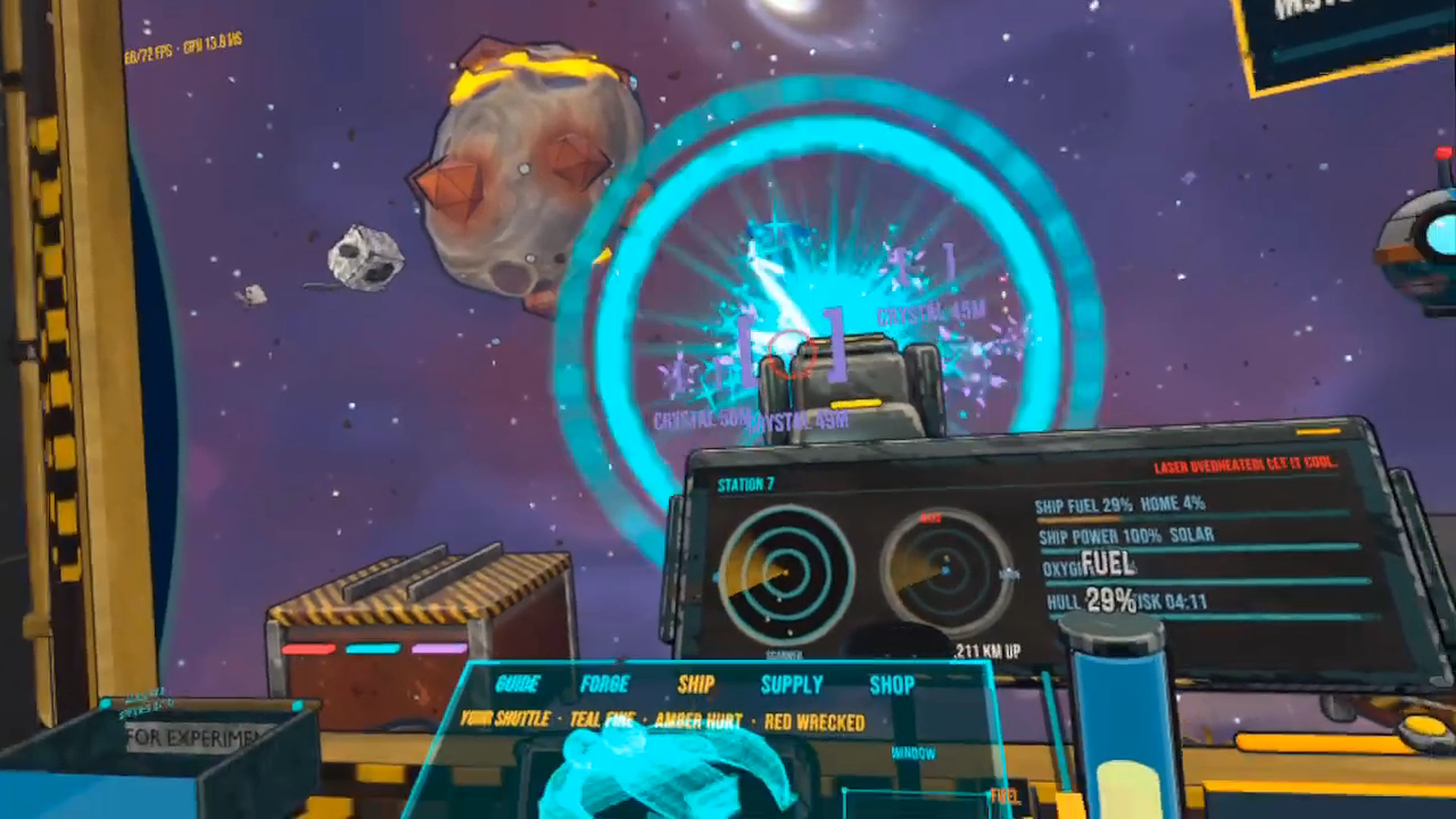
Space Extractor is a seated mixed reality game played with bare hands. Your real wall becomes a window to orbit, revealing you are an extractor staying in a space station, and your shift begins.
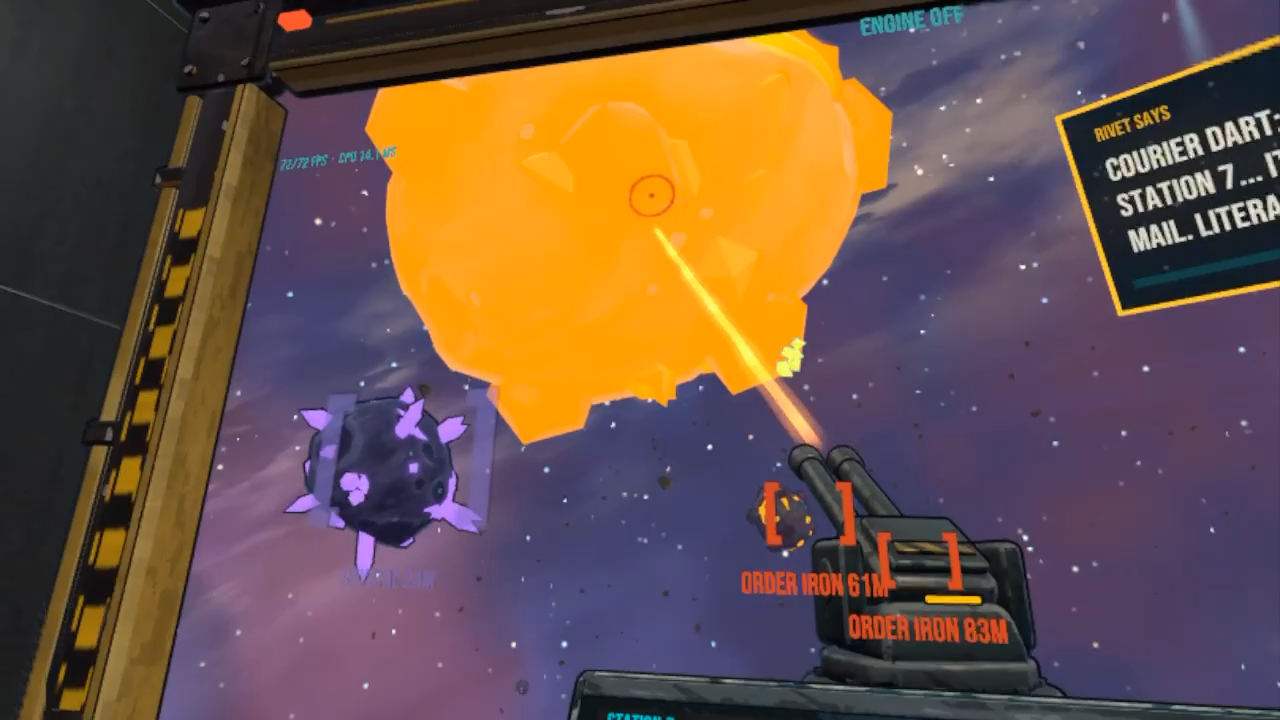
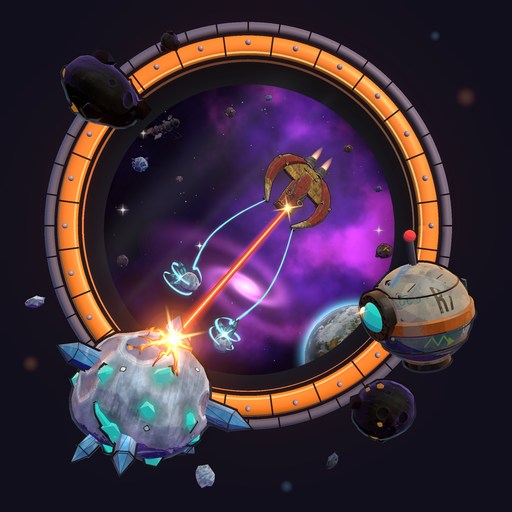
- Mine the belt. Drive out, stop at an asteroid, shoot the laser until it cracks and bursts, then reel the glowing chunks in. Fill Earth's orders and send them home from the station or ship.
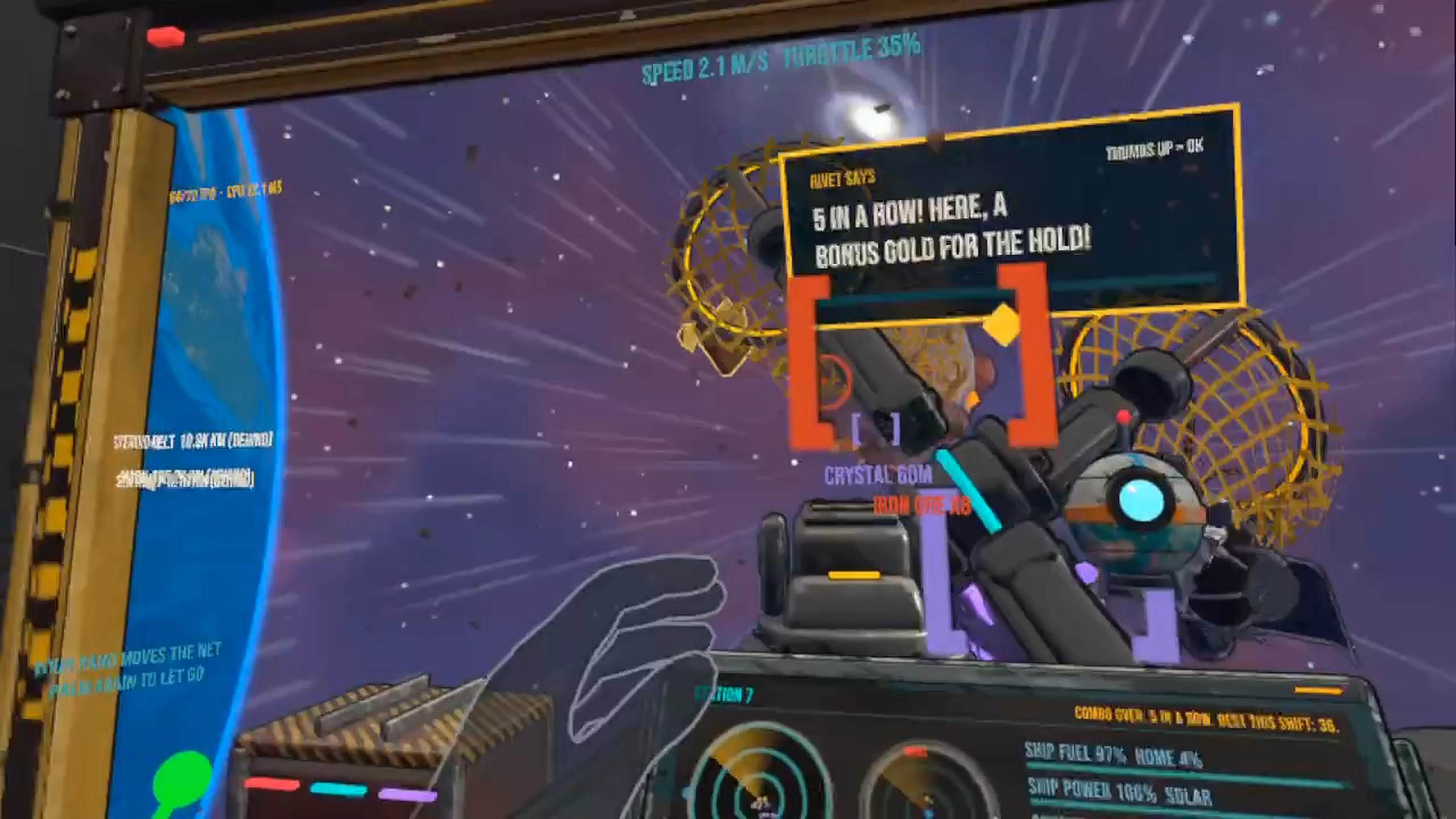
- Burn junk for fuel. Earth sends none. Press your palms together to link two net arms, sweep them through drifting junk, and burn it.
- Survive what space throws at you. Meteors come at the window: laser them, or cross your fists over your chest to raise a shield. Stray rocks crack the glass, air leaks out, and Rivet tapes it while you forge a new pane. Solar flares drain the battery, and night in Earth's shadow drains the station's fuel.
- Your room is part of the game. When a rock breaks through, chunks float weightless around your real room and bounce off your walls and furniture. Make a finger gun and beam them up to Rivet.
- Rescue aliens. Some ice rocks hold a snowball with an alien inside. Rivet carries it to the box on your desk. There are ten species to find.
A guided first mission, led by Rivet, teaches every control by doing it. No controllers needed, though they work too.
## How we built it
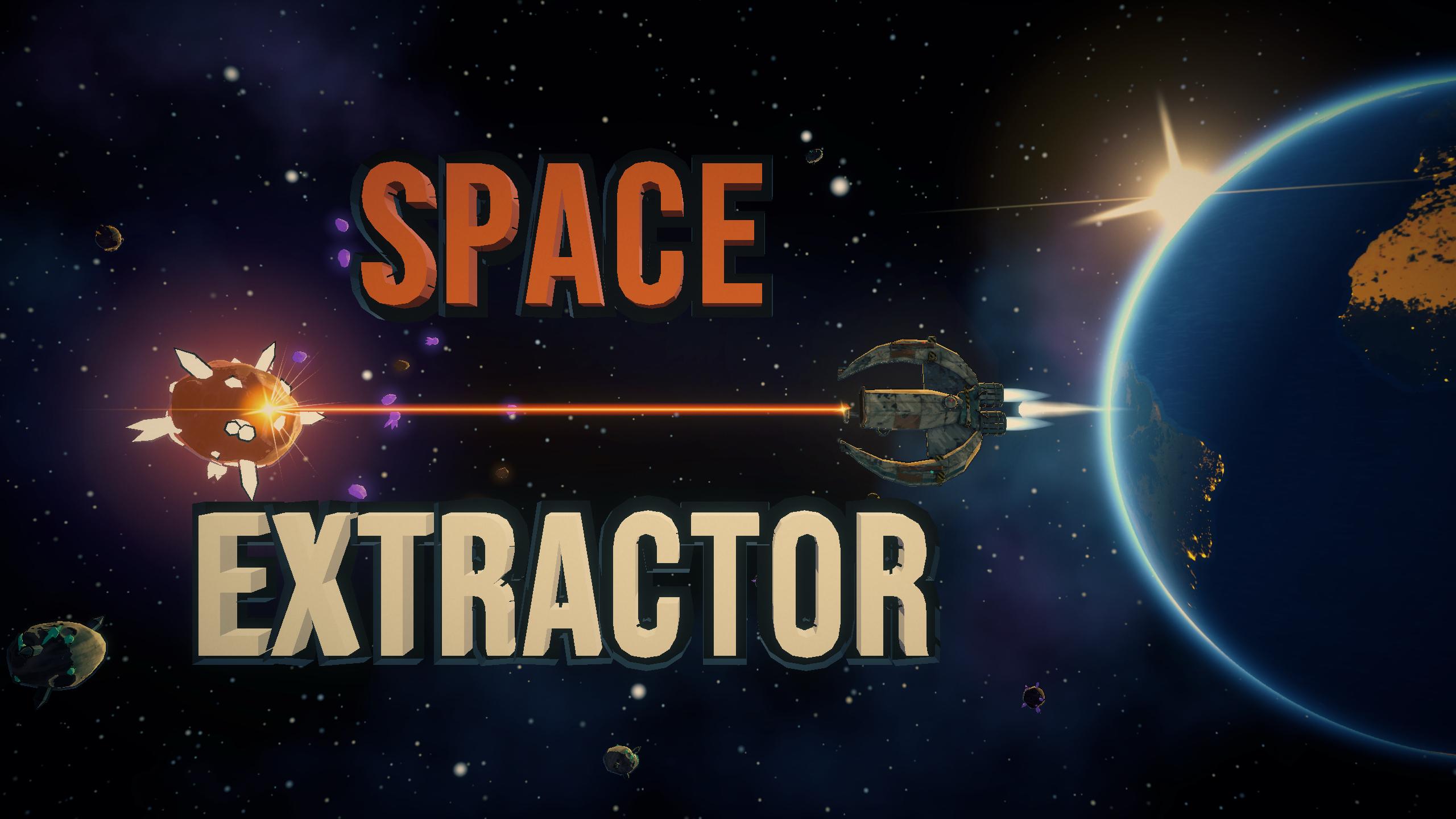
We are a team of two. Everything you see and hear (the models, textures, logo, title intro, music and effects) was made by us with Meta VR CLI and other external tools, with the story narration done by AI text-to-speech. We discussed and brainstormed the one-line idea we had. Then we started working on the art style we wanted, and then we started working on the game code logic and 3d modelling.
- Unity 6 and the Meta XR SDK: passthrough, MRUK room scanning, the Interaction SDK and hand tracking.
- A stencil window: space draws only through the frame cut into your wall. Earth is ray-traced in a shader from NASA imagery, and the sky is procedural.
- Coding: We started coding the game with the help of the Meta VR CLI and our experience in Unity helped a lot in decision making and structuring the game.
- Blender and Python: every model is built and painted in blender.
- Sound in code: music and effects are synthesised with numpy.
## Challenges we ran into
- A window has to work in rooms we never saw, so it uses your walls when it can, falls back when it can't, and squares itself to the wall.
- Smooth turning made testers queasy, so we use snap turns with a blink.
- Teaching a hands-only game with so many controls to remember: Rivet's beam of light points at each control, and demo hands show each gesture. at a point we got saturated but we had to test it with multiple people then list out the things what they didnt understand and we had to design the whole first mission just to help them understand the controls in the game.
- Driving the spaceship: we had to learn more about motion sickness and nauseating effects, then we came across methods to naturally steer the ship without feeling nauseous.
## Accomplishments that we're proud of
- The way we integrated the room with our gameplay.
- We found it is hard for us to have the hand raised too long, so we decided to make the user experience the controls of the space station merged with the armrest of the chair so it is easy to play for a long time.
- Likewise, we found a way to cut out the nauseating feeling from the whole game experience.
## What we learned
Mixed reality works best when the room matters. Anchoring to real walls, debris that respects your furniture, and a console at your armrest height changed the game more than graphics did. We learned about how interactions can be kept so there is no arm pain for the player for long game time. We learned how we can use hand gestures in the game for a better experience.
## What's next for Space Extractor
We are planning for a broader procedural world system where we can explore more worlds. More stations to visit. Give harder shifts, co-op with a second operator when exploring long space travel missions. Events that use more of your scanned room, sharper UI text with composition layers. We are planning for full-on story mode along with free-roam survival. We will alien missions, intergalactic travel that will teach human kind for better sustainable way of living and saving earth and a release on the Meta Horizon Store.


