-
-
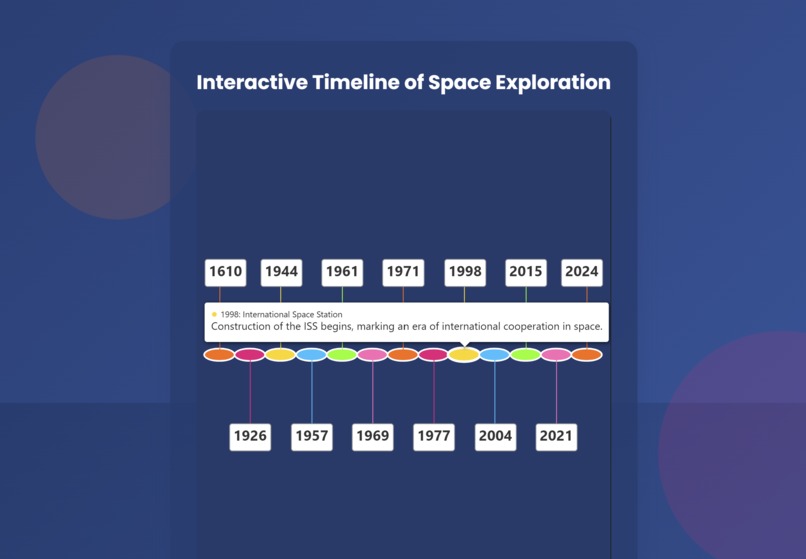
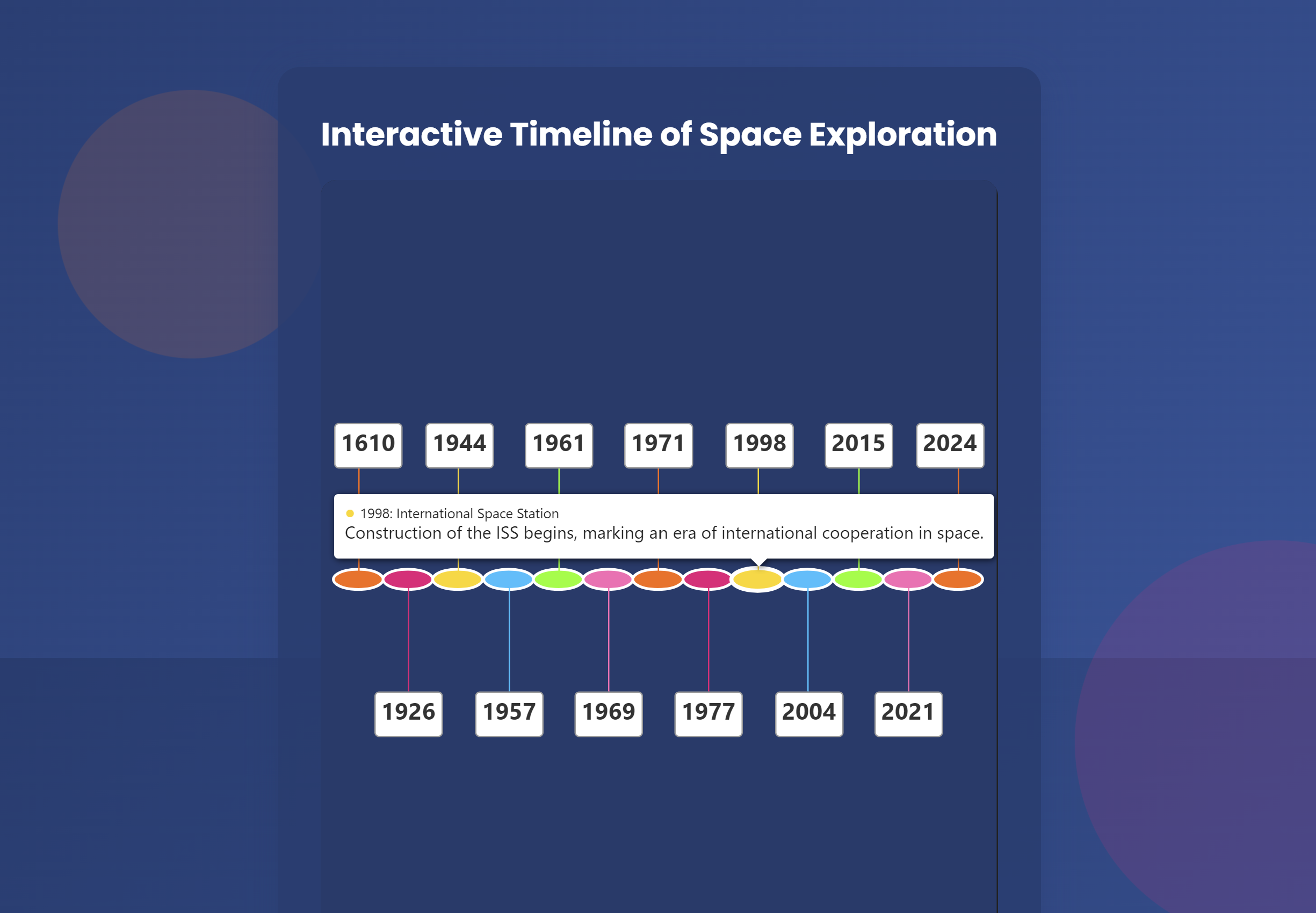
Interactive Timeline
-
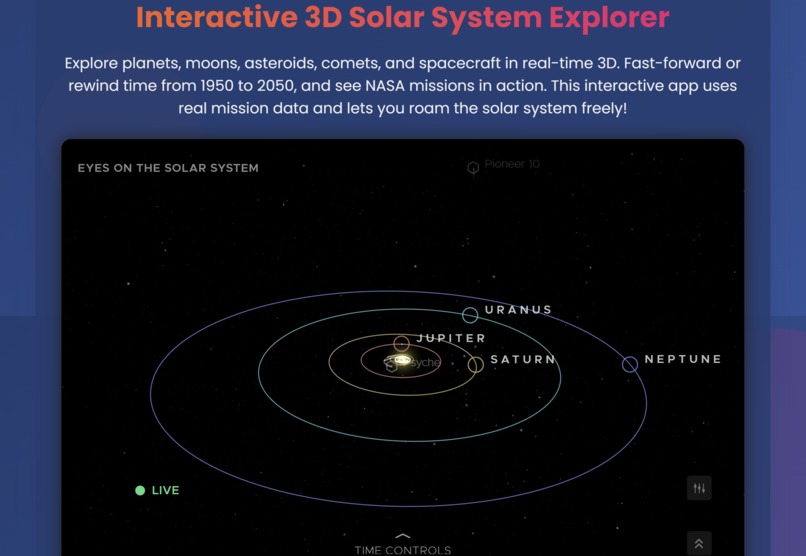
Interactive NASA Solar System
-
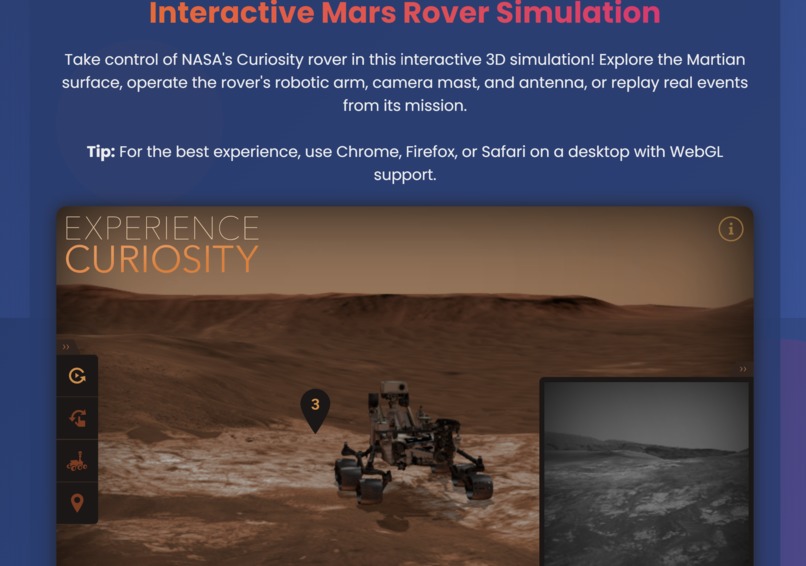
Interactive NASA Mars Rover
Inspiration
The inspiration for this code came from a fascination with astronomy and the mechanics of our solar system. We wanted to create an interactive way to visualize how planets move around the sun and help others understand orbital dynamics.
What it does
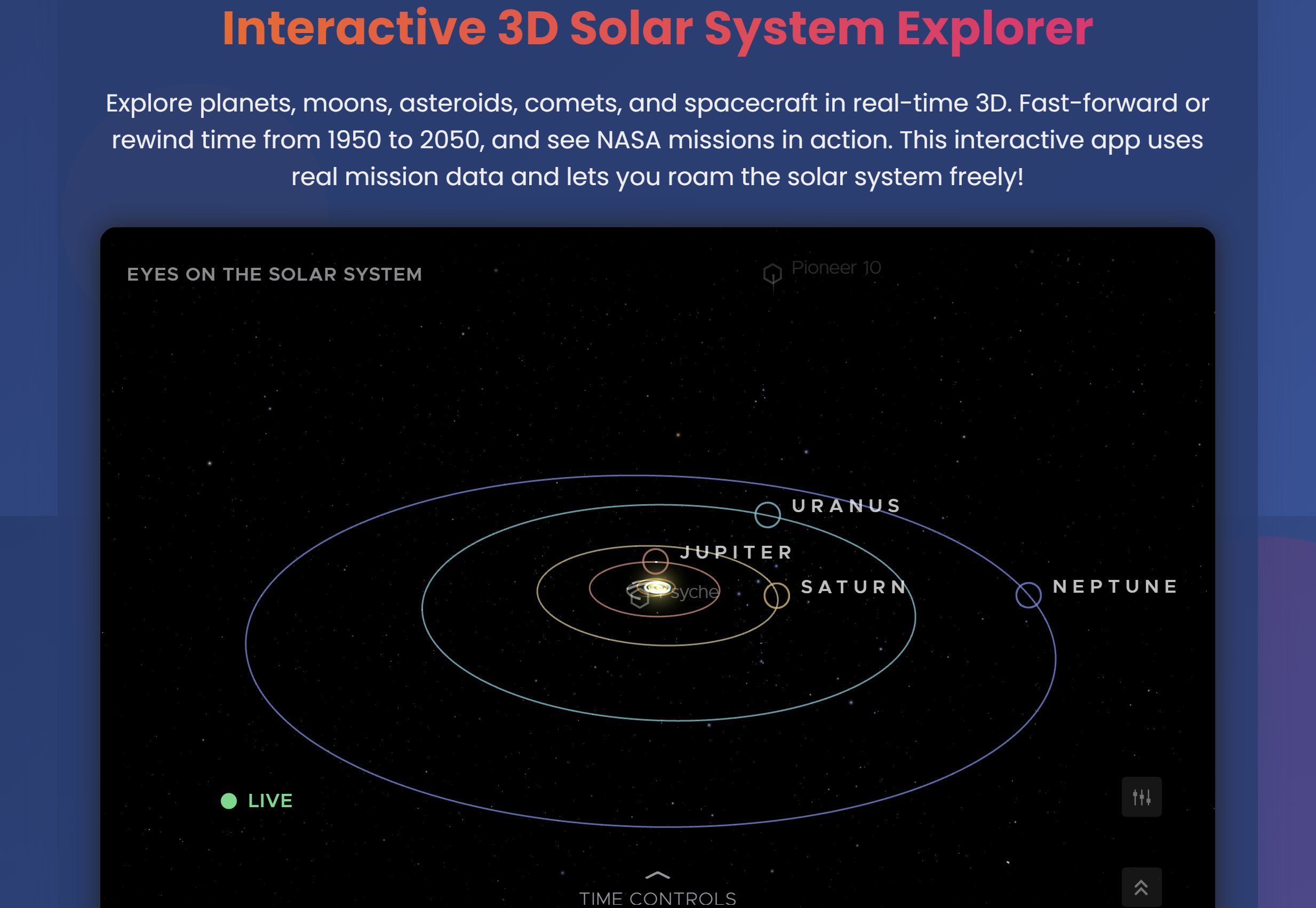
This code simulates the orbits of planets around a star using 3D models. It visualizes the motion of each planet in a 2D plot, allowing users to see how their paths differ based on distance from the star and orbital speed.
How I built it
I built this project using HTML and CSS, leveraging the easy code to make it look fantastic. I used lots of inbuilt functions like the navigation bars. The simulation is displayed in real-time, showing the orbits as they evolve.
Challenges I ran into
One challenge was accurately telling people information without making it sound boring. I also had to fine-tune the visualization to make the orbits clear and aesthetically pleasing.
Accomplishments that I'm proud of
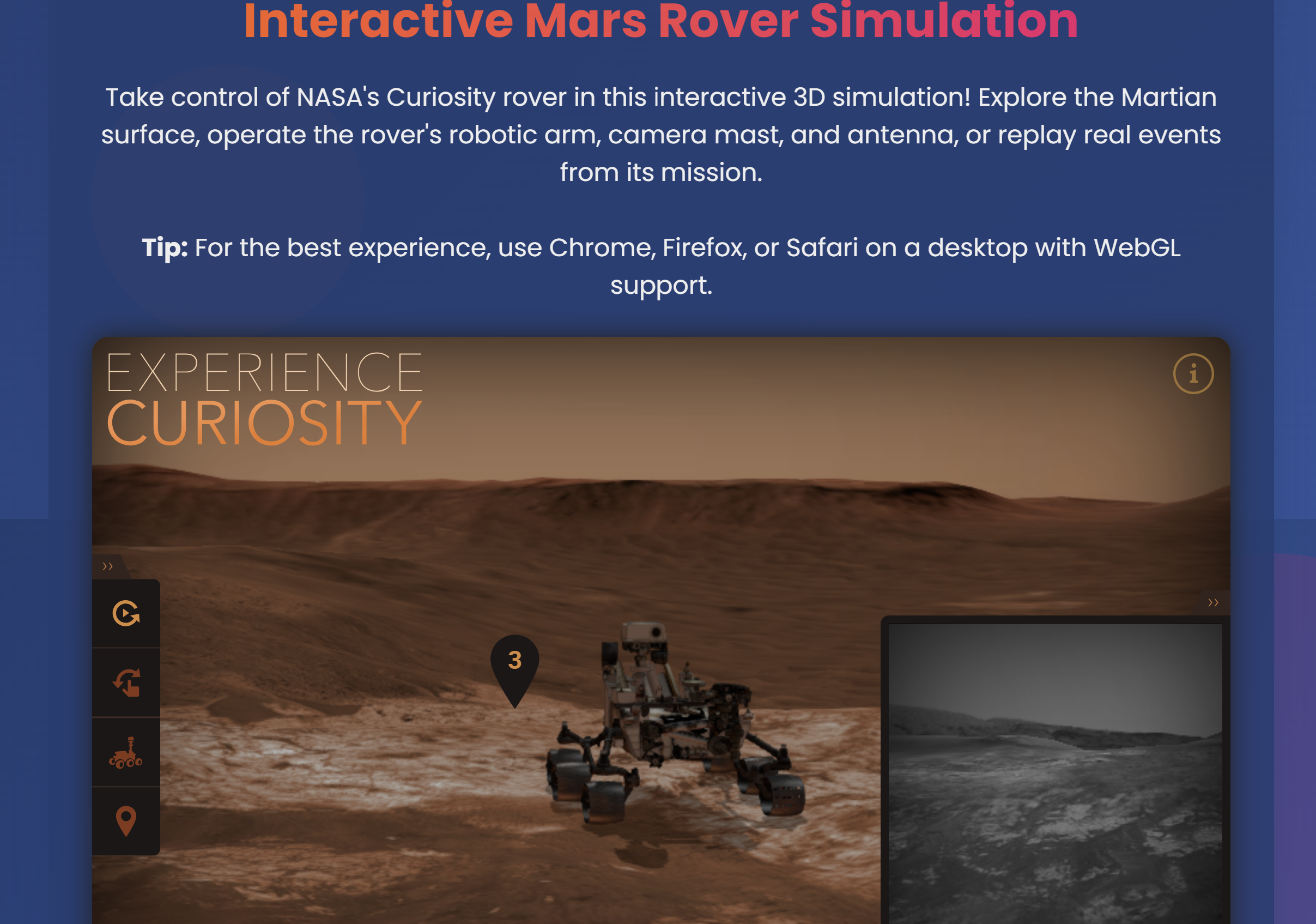
I'm proud of creating an educational tool that makes people experience the Mars Rover move and look through all of the cameras on it accessible.
What I learned
I learned a lot about both orbital mechanics and CSS visualization techniques. I also gained experience in balancing simulation accuracy with performance and usability.
What's next for Space Exploration
Next, I plan to expand the simulation to 3D, add more celestial bodies (like moons and asteroids), and perhaps integrate real astronomical data. This could become a valuable tool for students, educators, and anyone interested in space exploration.
Built With
- css
- html
- javascript
- nasa
- vscode


Log in or sign up for Devpost to join the conversation.