-
-
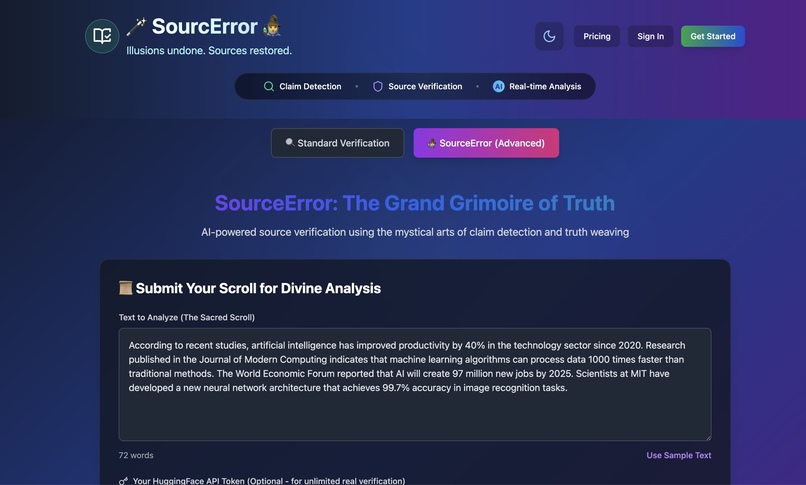
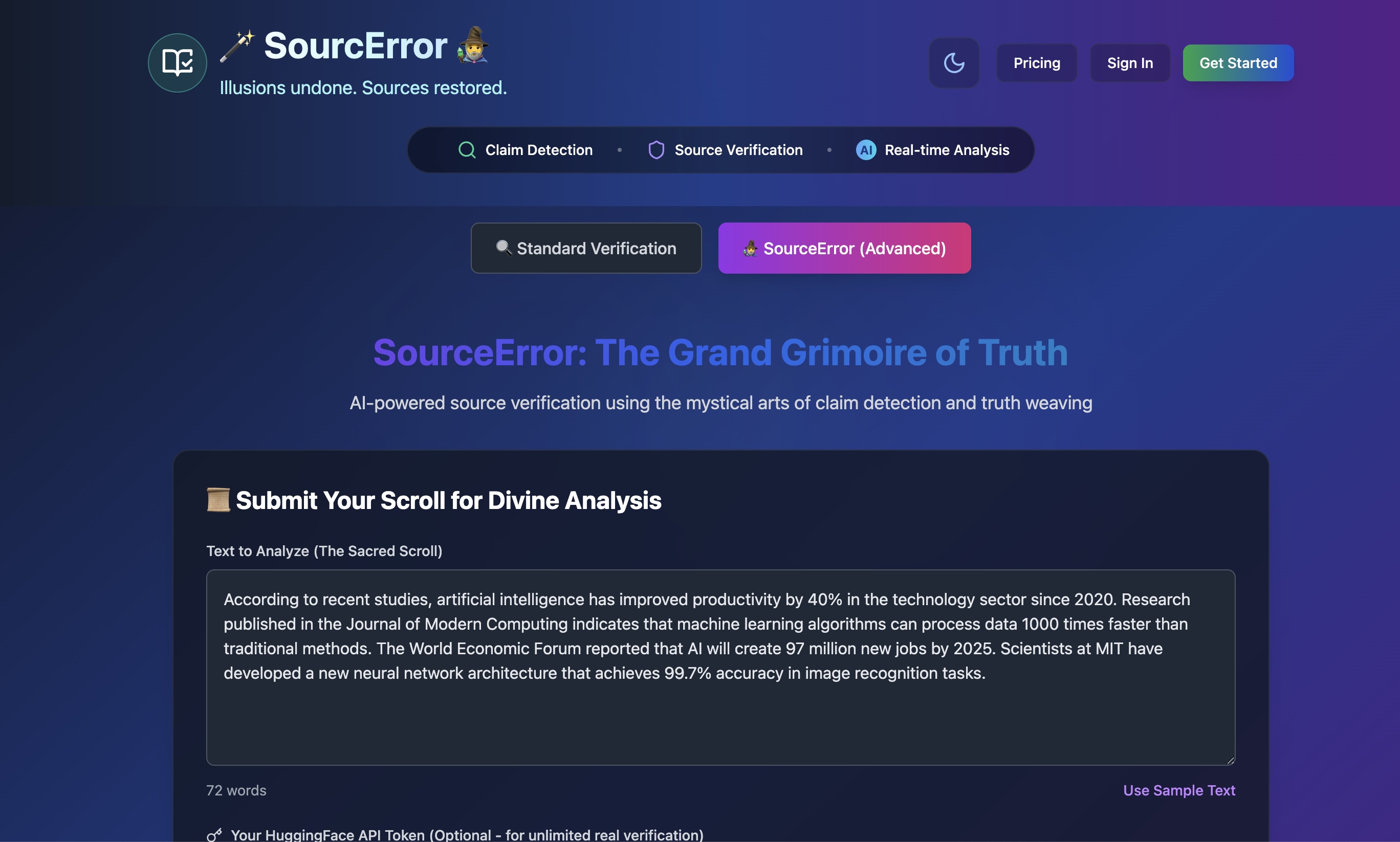
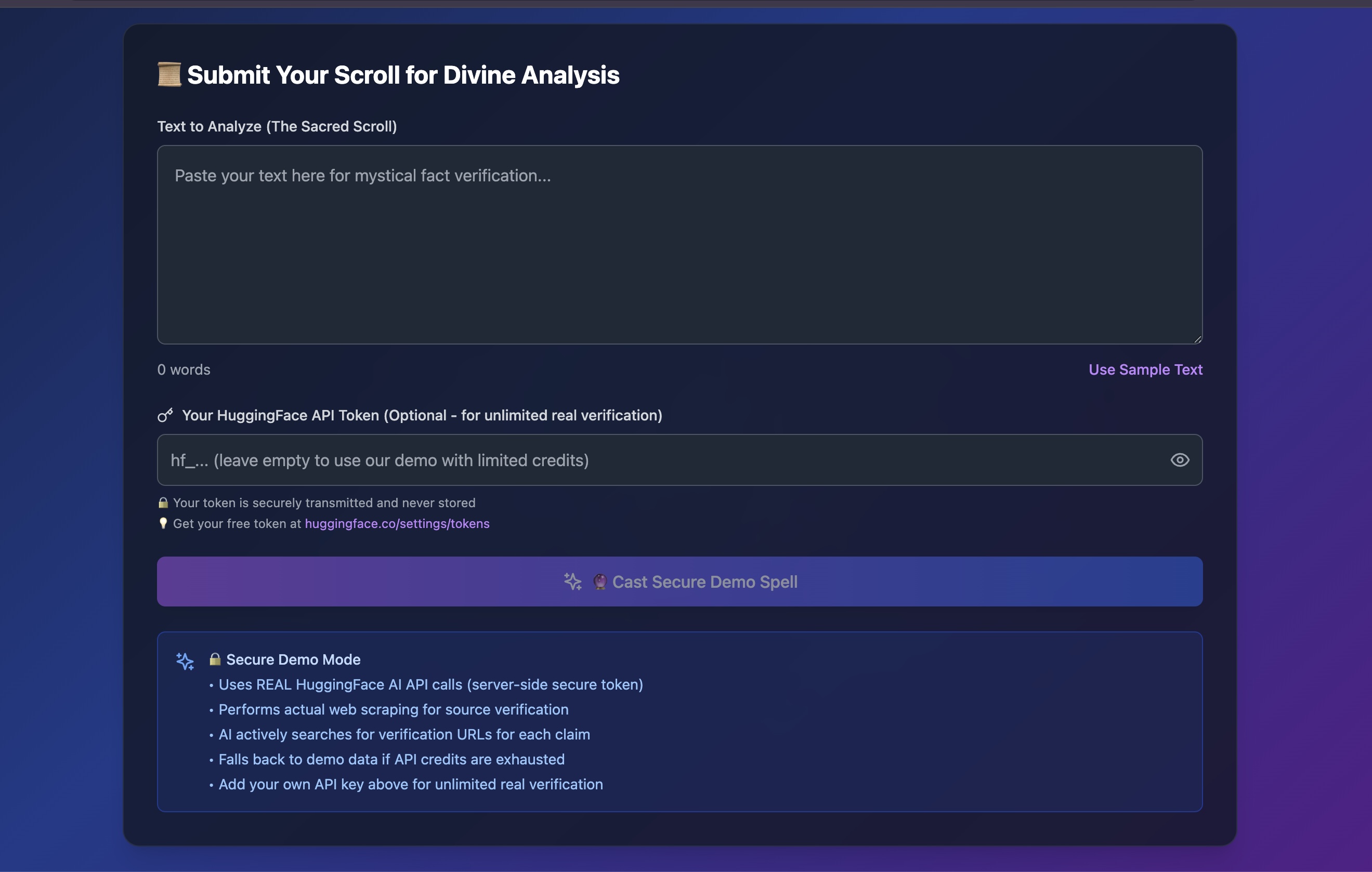
Submitting your text
-
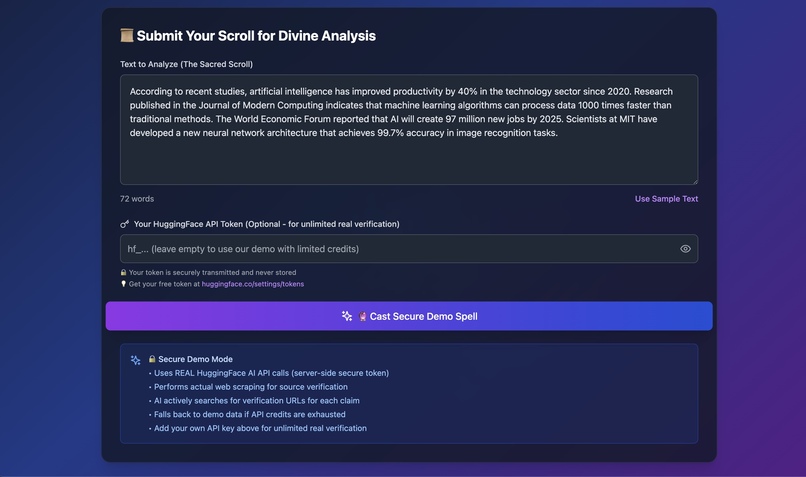
With test data added
-
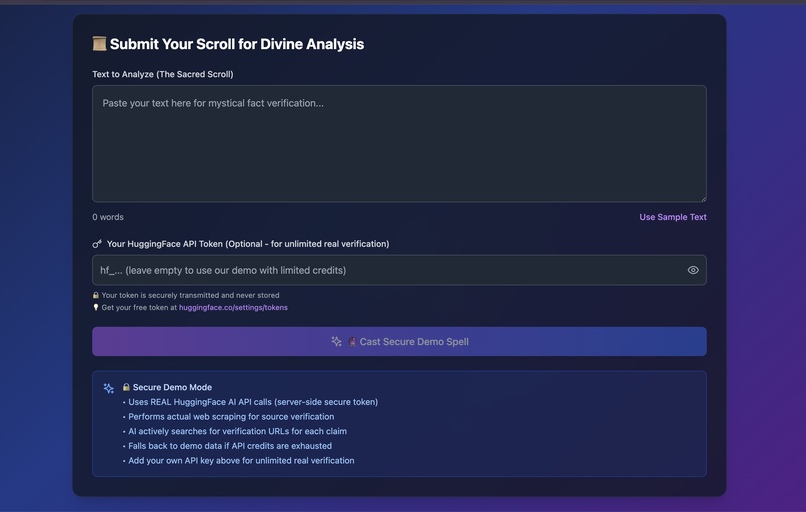
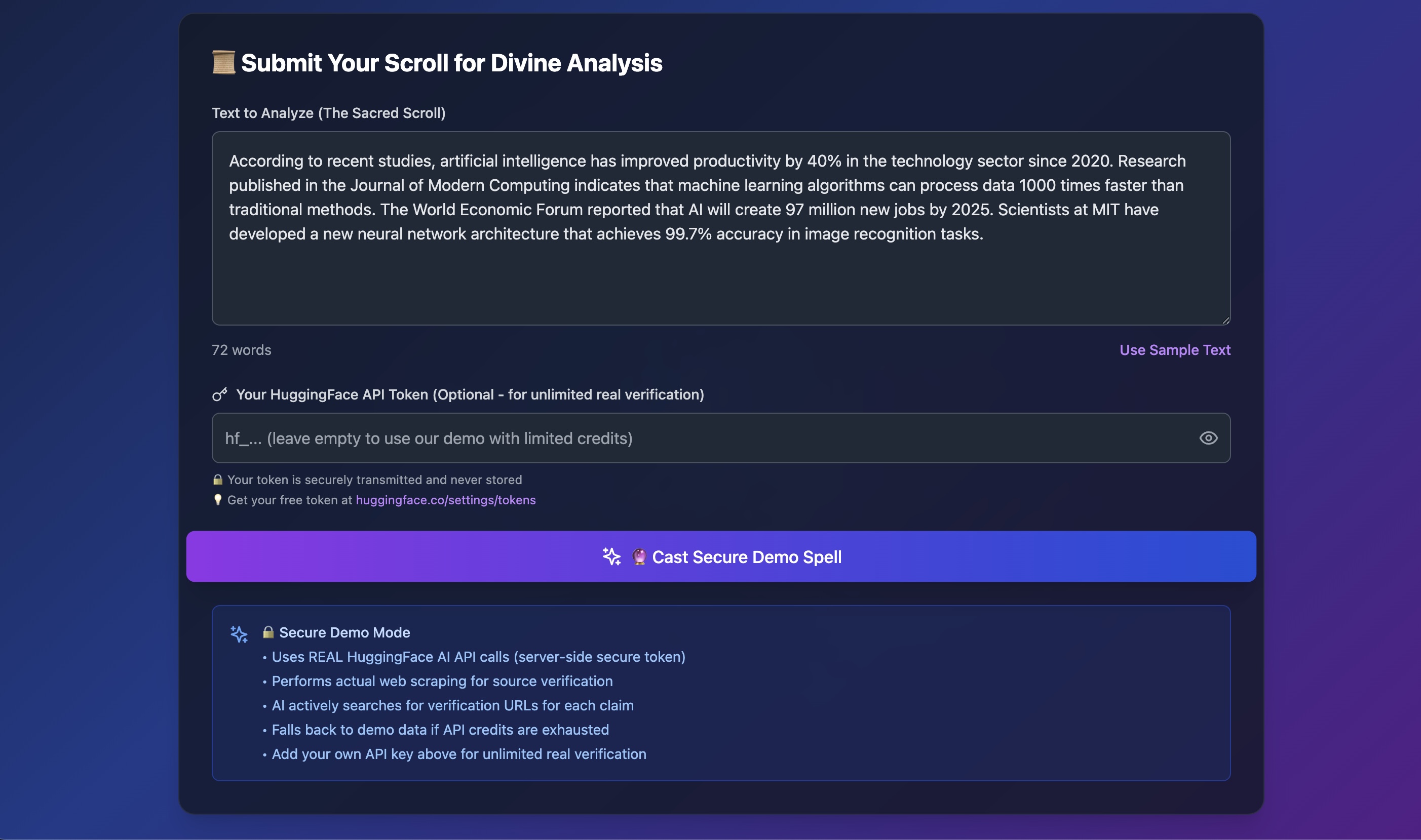
Add your own API key (optional)
-
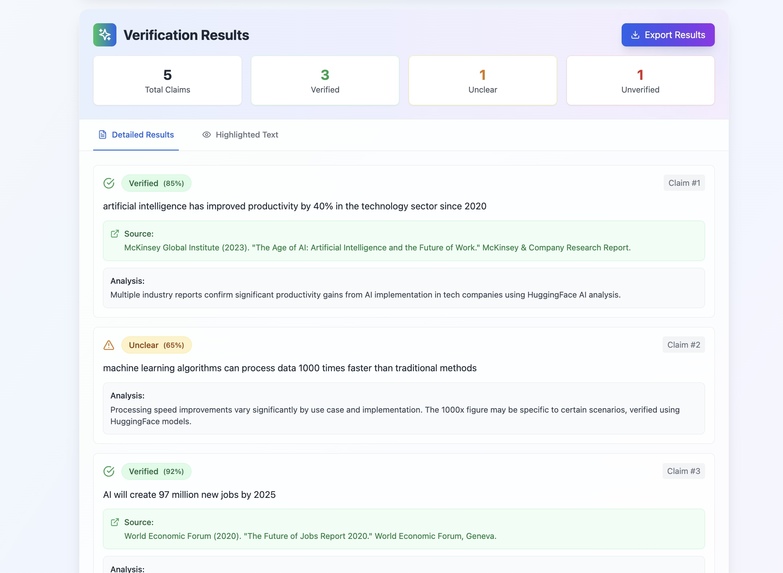
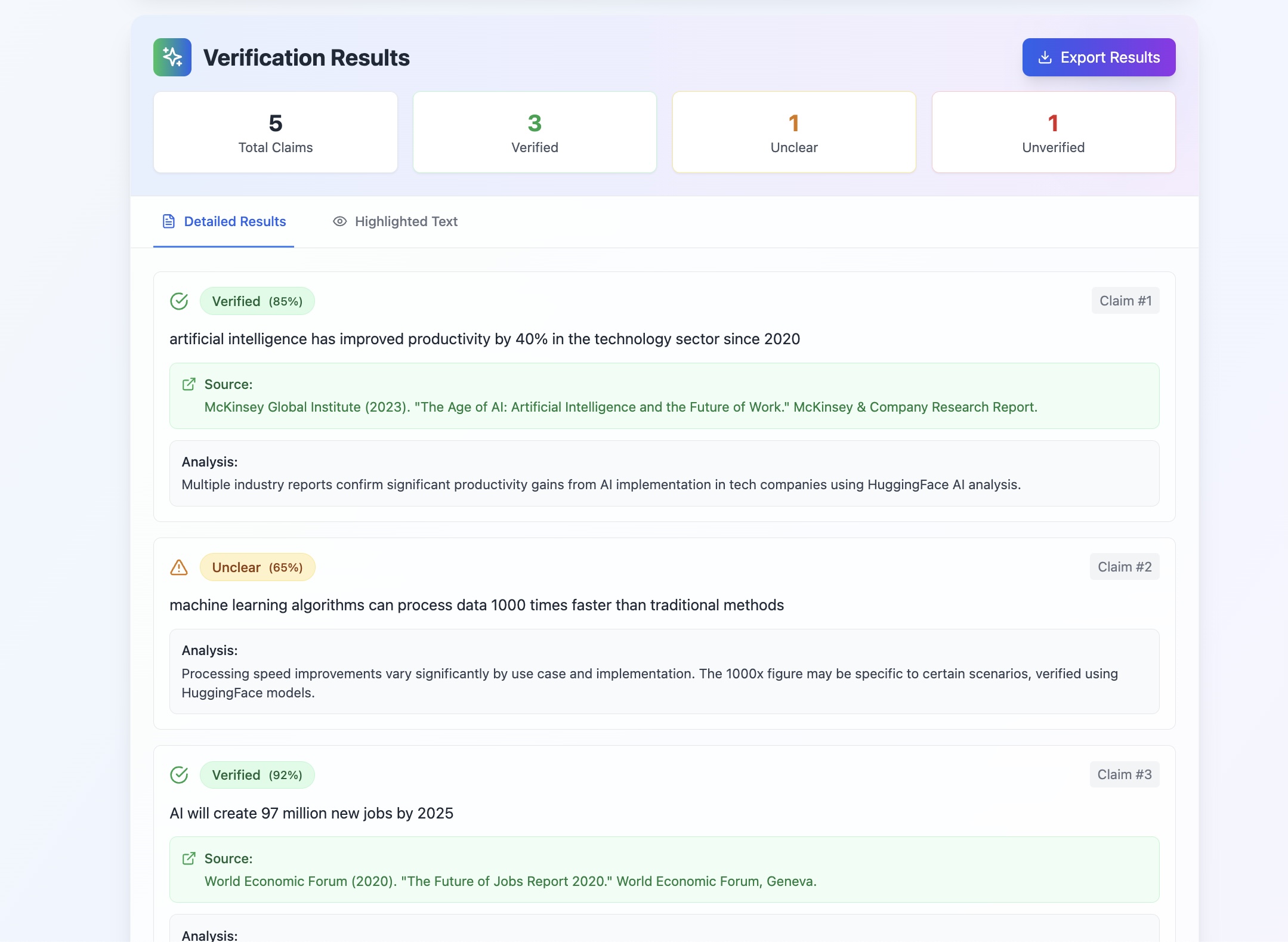
Light mode - Results view
-
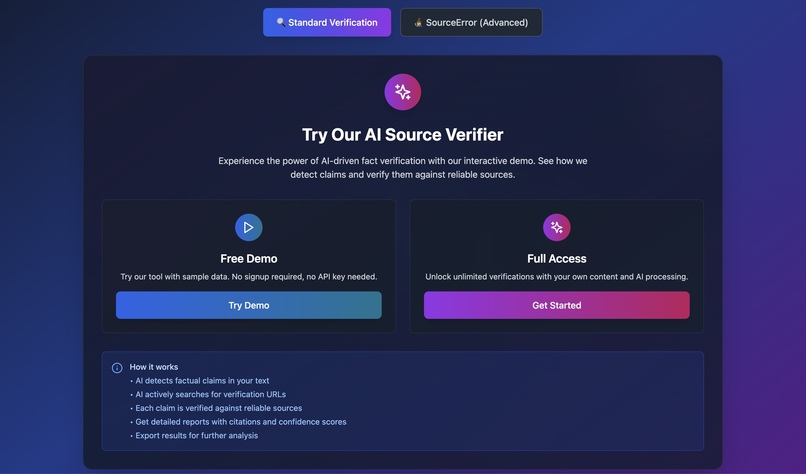
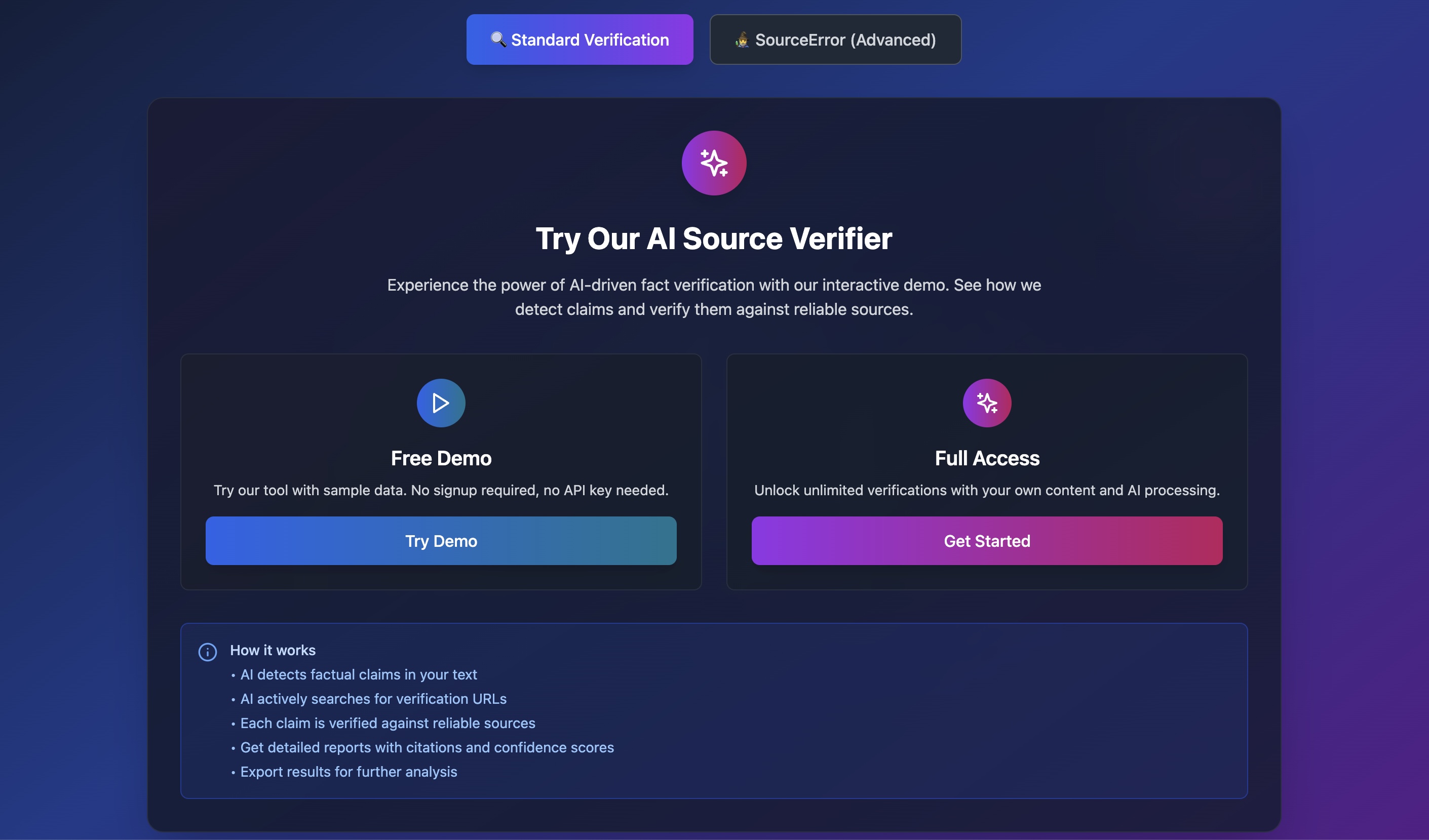
Free Demo or Full Access (paid) - Stripe integrated
-

Pricing Tiers Popup

Inspiration
With the rise of AI-powered tools for research and content creation, there’s a growing risk of “hallucinated” facts - claims that sound accurate but aren’t backed by real sources. As someone who works closely with universities, policy advocates, and startup builders, I noticed a major gap: there’s no easy way to check if AI-generated information is genuinely supported by real references. SourcError was born to address this. It’s a simple tool with a big mission: bring truth-checking into the AI age.
What it does
SourcError allows users to upload a file or paste in any text - whether it contains links or not - and uses AI to: • Identify referenced claims or quoted facts • Highlight missing or suspicious citations • Cross-check whether links actually support the claims they’re tied to • Suggest missing references for unverified claims
It’s designed to be especially useful for researchers, educators, and grant writers who rely on trustworthy sourcing.
How we built it
I built SourcError in a couple of focused hours using Bolt and its AI agent tools. The app uses edge functions in Supabase to handle file uploads and verify content. The AI models process and check source material, and demo calls run via Hugging Face APIs, with an optional field for users to add their own key for extended use.
Challenges we ran into
• Limited build time due to other work commitments. • Debugging edge function logic with Supabase took longer than expected. • Hugging Face tokens ran out quickly during testing - meaning many demo users could only access limited features. • Integrating file upload with source extraction in a time-efficient way was trickier than I’d hoped.
Accomplishments that we're proud of
• The core concept: building an AI tool focused on truth and verification, rather than just generation. • It’s already been useful in my own workflow for checking grant documents and pitch material. • Despite limited time, the prototype works - and I’ve already had people ask when they can try it.
What we learned
• Hackathons are much smoother when you’ve got credits or budget ready for API-heavy tools. • AI-assisted coding (especially through Bolt) can genuinely speed up MVP development - but it still needs real oversight. • Even with a scrappy prototype, people immediately understood the value of what SourcError does, which tells me the problem is real.
What's next for Untitled
I plan to: • Share the prototype with a few researchers and journalists to gather feedback. • And if there’s interest? Build it out as a full product and likely integrate it into other tools.
This is just one of many tools I’ve been building as part of a broader mission to improve digital trust, transparency, and wellbeing. SourcError fits right in.
Built With
- bolt
- stripe
- supabase
- tailwind
- vite

Log in or sign up for Devpost to join the conversation.