Inspiration
The inspiration behind Soultalks stems from the pressing need for accessible mental health support. Many individuals lack access to personalized emotional assistance, and AI presents a unique opportunity to bridge this gap by offering scalable, judgment-free support. Our vision is to create a digital companion that not only understands users' emotional patterns but also fosters self-awareness and emotional intelligence through regular reflection and analysis.
What it does
Soultalks serves as an AI-powered mental wellness companion designed to help users track moods, journal thoughts, and engage in supportive conversations. By leveraging Groq's powerful LLMs, it analyzes user-generated content in various forms, including text, audio, and images, to provide personalized insights. The application aims to help users understand their emotional patterns and improve their mental well-being by offering a private space for regular reflection and self-discovery.
How we built it
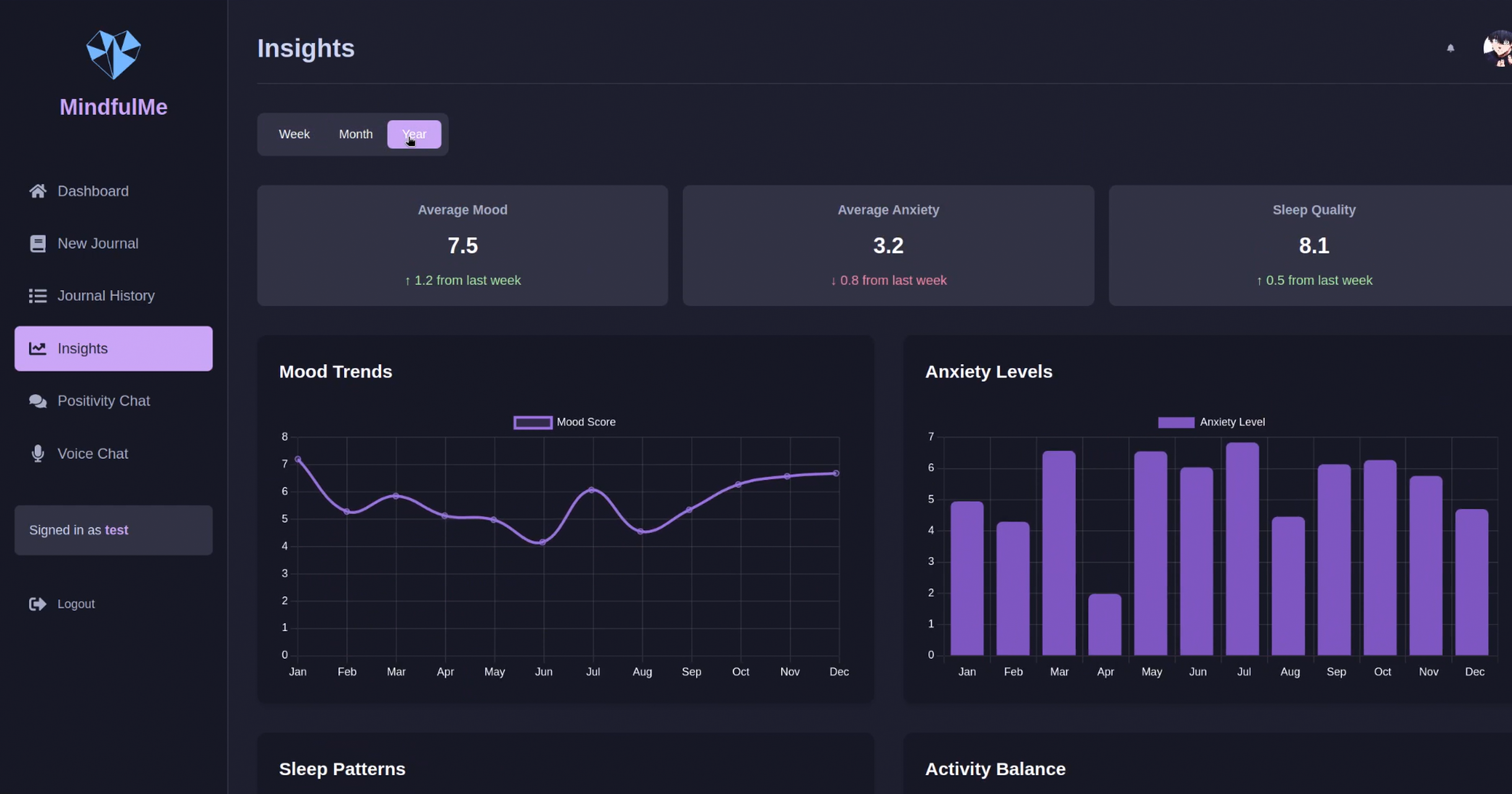
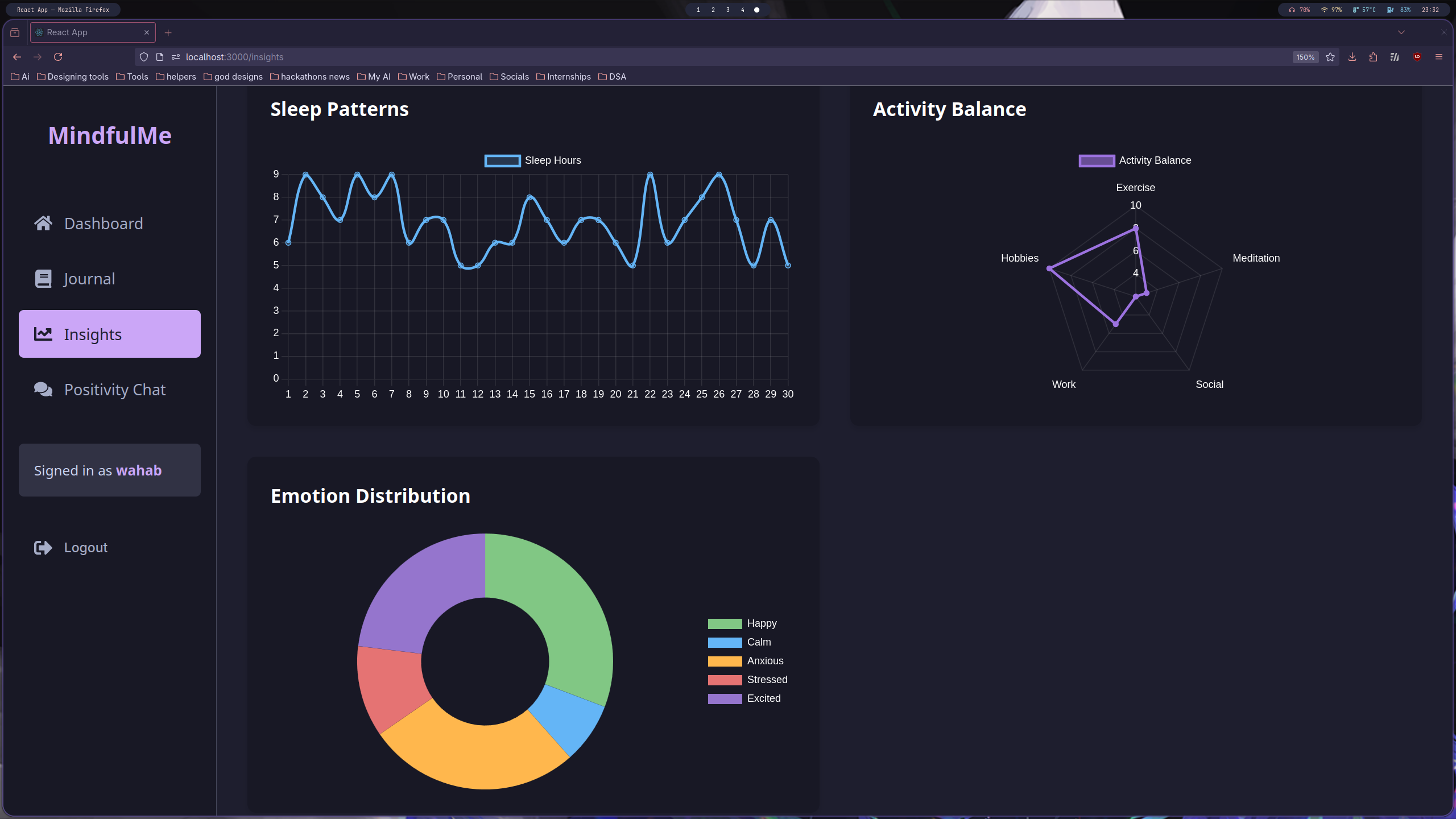
We utilized a robust tech stack to bring Soultalks to life. On the frontend, we employed React 19 alongside Chart.js for data visualization and Styled Components for styling. The backend was developed using Node.js and Express to handle server-side logic. For data storage, we opted for MongoDB due to its flexibility and scalability. To enhance functionality, we integrated several APIs: Groq LLM (llama-3.1-8b-instant, llama-3.3-70b-versatile, whisper-large-v3, PlayAI TTS), which played a pivotal role in enabling text sentiment analysis, audio transcription, image analysis, conversational AI, and voice conversation.
Challenges we ran into
Throughout the development process, we encountered several challenges. One of the primary hurdles was effectively integrating Groq's LLMs to facilitate natural and supportive conversations. We also had to create a mood tracking system capable of visualizing emotional patterns over time, which required careful consideration of data representation and user experience. Developing multi-modal input methods for journaling, including text, voice, and images, added another layer of complexity. Additionally, ensuring the private and secure handling of sensitive mental health data was a critical concern that demanded robust security measures. Lastly, designing an interface that felt warm and welcoming rather than clinical was essential to making users feel comfortable and supported.
Accomplishments that we're proud of
We are particularly proud of successfully implementing AI journal analysis, which allows the application to automatically track mood and anxiety levels from journal entries. The multi-modal input functionality is another significant achievement, as it provides users with flexibility in how they express themselves. The emotion tracking dashboard stands out as a valuable feature that enables users to visualize their mood and anxiety trends over time, offering meaningful insights into their emotional patterns. The supportive AI chat functionality, which engages users in natural conversations and provides emotional support, is also a highlight of the project. Furthermore, the voice chat feature, which allows users to record voice messages for transcription and AI response, adds a unique dimension to the user experience. Finally, the personalized insights generated by the AI based on journal history demonstrate the application's ability to offer tailored guidance for users' mental well-being.
What we learned
Throughout this journey, we gained valuable insights into the importance of user feedback in shaping the development process. We learned that creating a mental wellness companion requires a delicate balance between technical functionality and empathetic design. The experience also taught us about the power of AI in mental health support and the potential it holds for making a positive impact on users' lives. Additionally, we discovered that adaptability is key, as we had to pivot from a purely chat-based interface to a more comprehensive journal and dashboard approach to better meet users' needs and help them visualize their progress over time.
What's next for Soultalks
Looking ahead, we have several exciting plans for Soultalks. We intend to expand our integration with Groq's LLMs to further enhance the depth and quality of AI interactions. This includes refining the conversational AI to provide even more nuanced and supportive responses. We also aim to explore additional multi-modal input methods to give users even more ways to express themselves and document their experiences. Furthermore, we plan to implement advanced data security measures to ensure the utmost protection of users' sensitive information. Lastly, we will continue to refine the user interface to make it even more intuitive and emotionally resonant.
Built With
- chart.js
- css3
- express.js
- groq
- html5
- javascript
- llama
- mongodb
- node.js
- playai
- react
- whisper

Log in or sign up for Devpost to join the conversation.